
Sierra Greenhouse Insights
12 Innovative Greenhouse Ideas for 2025: Triple Your Harvest in Half the Space
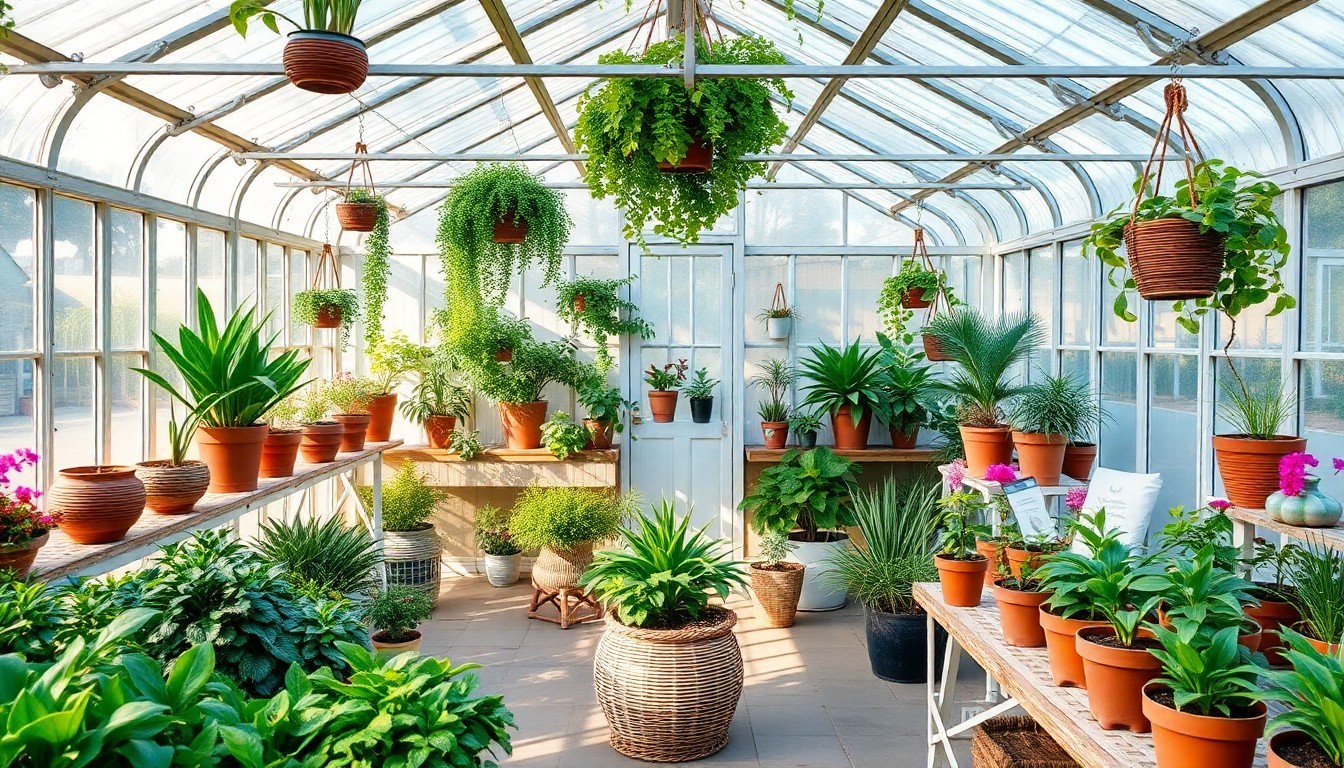
Save 90% of your growing space while slashing winter heating costs—these 12 field-tested greenhouse innovations turn small spaces into year-round harvests using vertical towers, underground heat storage, and smart automation.
Whether you're working with 50 or 500 square feet, these proven designs can triple your yields, cut energy costs by 30%, and automate climate control—all with beginner-friendly setups under $500.
What you'll learn in this guide
- Space-saving solutions: Grow 28 plants in just 2.5 square feet using vertical systems
- Energy efficiency: Underground heat storage maintains 55°F without supplemental heating
- Smart automation: Controllers that manage climate from your phone
- Budget-friendly builds: Upcycling techniques that save 70% on construction costs
- Step-by-step implementation: Material lists, cost breakdowns, and ROI timelines
Each design includes proven examples, specific measurements, and links to our interactive planning tools.
1. Grow up, not out: vertical towers & living walls
The space-saving revolution
Vertical aeroponic towers like the Tower Garden grow 28 lettuce plants in just 2.5 square feet—the same floor space as a single tomato plant—while using 98% less water than traditional soil growing.
Research from the University of Arizona shows aeroponic systems produce 30% higher yields than soil-based growing, with lettuce maturing in 21 days versus 45 in traditional gardens.
Implementation guide
Tower placement strategy:
- Position towers along north walls to maximize light exposure
- Space towers 3 feet apart for maintenance access
- Install mesh trellises between towers for vining crops
Plant selection by tier:
- Top tier (warmest, 75-80°F): Cherry tomatoes, peppers, eggplant
- Middle tier (moderate, 70-75°F): Herbs like basil, oregano, thyme
- Lower tier (coolest, 65-70°F): Lettuce, spinach, kale
Quick implementation (weekend project)
Materials needed:
- Tower Garden or DIY PVC tower: $150-300
- Submersible pump (300 GPH): $25
- Digital timer: $15
- Full-spectrum LED grow light: $80
- Hydroponic nutrients: $20
Setup steps:
- Position tower on level surface with drainage tray
- Install pump with 15-minute cycles every 2 hours
- Mount LED 18 inches above top plants
- Start with half-strength nutrient solution for seedlings
ROI timeline: Break even in 4 months growing premium herbs ($30/week savings vs. store-bought)
2. Trap the sun with a climate battery
How climate batteries work
A climate battery greenhouse—proven in Colorado's -20°F winters—pipes surplus daytime heat into 4-inch perforated tubing buried 4 feet under the grow floor. At night, fans reverse the airflow, pulling stored warmth back up to flatten temperature swings by up to 18°F.
Jerome Osentowski's 7,200-foot elevation greenhouse in Colorado maintains 55°F nighttime temperatures without supplemental heating, saving $2,400 annually in propane costs.
Design specifications
Underground system:
- Pipe spacing: 2 feet on center
- Burial depth: 4 feet minimum (below frost line)
- Pipe diameter: 4-inch perforated drainage tile
- Manifold size: 8-inch solid pipe for distribution
- Fan capacity: 500 CFM per 100 square feet
Thermal mass additions:
- Black-painted 55-gallon water barrels: 450 BTU storage per barrel
- Placement: North wall, 2 feet apart
- Fill level: 90% to allow expansion
- Paint type: Non-toxic flat black latex
Installation guide
Phase 1: Excavation (2 days)
- Excavate to 4.5 feet depth
- Grade floor with 1% slope to drainage
- Install moisture barrier
- Lay perforated pipe network
Phase 2: Controls (1 day)
- Install differential thermostat (Johnson Controls A419)
- Set activation: Soil temperature ≥5°F cooler than air
- Wire inline duct fans with backdraft dampers
- Program night setback to 50°F
Cost breakdown:
- Excavation: $800-1,200
- Piping and fans: $500
- Controls: $200
- Water barrels (10): $300
- Total investment: $1,800-2,200
- Annual savings: $2,000-2,400
- Payback period: 11 months
3. Go underground with a hybrid pit greenhouse
The walipini evolution
While traditional walipinis (fully underground greenhouses) risk flooding, the hybrid pit design sinks only 3-4 feet, maintaining earth-sheltered benefits while ensuring proper drainage.
Related Solutions: For simpler cold-weather options, compare our cold frame vs greenhouse guide. Learn about year-round greenhouse climate control and greenhouse automation systems for underground structures.
Temperature stability data:
- Surface greenhouse: 30-95°F daily swing
- 3-foot pit hybrid: 50-75°F daily swing
- Energy savings: 40% reduction in heating costs
Construction details
Site requirements:
- South-facing slope ideal (15-30° grade)
- Well-draining soil (sandy loam preferred)
- Water table minimum 6 feet deep
- Away from trees (root intrusion risk)
Structural specifications:
- Pit depth: 3-4 feet
- Wall material: Treated timber or concrete blocks
- Roof angle: Match latitude plus 10-15°
- Glazing: Twin-wall polycarbonate (R-value 1.54)
- Rear berm: 4 feet high, planted with deep-rooted grasses
Drainage system
Essential components:
- French drain perimeter: 12 inches wide, 18 inches deep
- Sump pit: 2x2 feet with automatic pump
- Backup power: Battery backup for pump (critical)
- Gravel base: 6 inches of ¾-inch drainage rock
4. Lean-to greenhouses: heat-sharing on a budget
The thermal advantage
Attaching a lean-to greenhouse to a south-facing wall creates a symbiotic heating relationship. Your home's thermal mass moderates greenhouse temperatures, while excess greenhouse heat reduces home heating costs by 20-30%.
Case study: Sarah Chen's 8x12 lean-to in Minnesota:
- Winter greenhouse temp: 15°F warmer than freestanding
- Home heating reduction: $180/month (December-March)
- Summer cooling bonus: Venting pulls cool basement air
Design optimization
Attachment specifications:
- Foundation: Extend home's foundation 4 feet
- Flashing: 6-inch galvanized step flashing
- Anchor points: Lag bolts every 24 inches
- Thermal break: 1-inch foam board prevents condensation
Ventilation strategy:
- Low vents: 2 square feet per 100 square feet floor
- High vents: Install in shared wall near ceiling
- Circulation: Small fan moves 100 CFM between spaces
- Controls: Thermostat opens at 75°F
Cost-benefit analysis
8x12 lean-to budget:
- Foundation extension: $400
- Framing lumber: $300
- Polycarbonate panels: $600
- Vents and fans: $200
- Total cost: $1,500
Annual benefits:
- Heating savings: $720
- Extended growing value: $1,200
- Total annual return: $1,920
- Payback period: 9 months
5. Upcycled window sanctuaries
Source materials goldmine
Old double-hung windows flood online marketplaces for $5-20 each. A 10x12 greenhouse needs approximately 20 windows—total glazing cost under $400 versus $1,500 for new panels.
Window selection criteria:
- Double-pane preferred (R-value 2.0)
- Matching heights simplify framing
- Avoid cracked panes or rotted sashes
- Vinyl or aluminum frames last longest
Construction technique
Frame design:
- Build 2x6 post-and-beam structure
- Create window bays 1 inch wider than frames
- Install windows with 15° outward tilt (rain runoff)
- Seal gaps with clear polycarbonate strips
- Caulk with high-grade silicone (50-year rated)
Ventilation requirements:
- Operable windows: Minimum 25% of total
- Ridge vent: Continuous 4-inch opening
- Automatic openers: Wax-cylinder type ($35 each)
Character enhancement
Design elements:
- Group similar window styles together
- Create focal point with ornate window
- Add salvaged door for entrance
- Install vintage hardware and hinges
- Paint frames in coordinating colors
Instagram appeal: Tag #upcycledgreenhouse reaches 45K+ engaged followers
6. Smart greenhouse, smart gardener
The automation revolution
Modern greenhouse controllers integrate multiple sensors with smartphone control, enabling laboratory-grade climate management for under $500.
System capabilities:
- Monitor: Temperature, humidity, CO₂, soil moisture, light levels
- Control: Vents, fans, heaters, misters, lights, irrigation
- Alert: Text notifications for critical conditions
- Log: Historical data for optimization
Recommended systems
Entry level ($200-300):
- Inkbird ITC-308 WiFi: Temperature control only
- AC Infinity Controller 69: Temperature + humidity
- Basic functionality, reliable operation
Advanced ($400-500):
- Link4 iGrow 800: Full environmental control
- Growlink Controller: Commercial-grade features
- Custom programming and multi-zone capability
Programming strategies
Climate rules examples:
IF leaf_temperature > 85°F AND humidity < 60%
THEN activate_misting(20 seconds)

IF CO2 < 800ppm AND temperature < 80°F
THEN close_vents() AND activate_CO2(5 minutes)

IF soil_moisture < 40% AND time = 6:00 AM
THEN irrigate_zone_1(10 minutes)
ROI calculation
Automation benefits:
- Labor savings: 30 minutes daily = 180 hours/year
- Crop loss prevention: 15% improvement = $600/year
- Optimized growth: 20% yield increase = $800/year
- Annual value: $1,400+
- System payback: 4 months
7. Harvest the sky: built-in rainwater recycling
Collection mathematics
A 10x12 foot greenhouse roof captures approximately 75 gallons per inch of rainfall. With average annual precipitation of 35 inches, that's 2,625 gallons of free, pH-neutral irrigation water.
System components:
- K-style gutters: 5-inch minimum
- Downspouts: 3-inch diameter
- First-flush diverter: 20 gallons
- Storage tank: 500-1000 gallons
- Overflow to rain garden
Gravity-fed irrigation
Design advantages:
- No pump required (saves $200 + electricity)
- Silent operation
- No mechanical failures
- Consistent low pressure ideal for drip systems
Installation requirements:
- Tank elevation: 3 feet minimum
- Pressure generated: 1.3 PSI per foot
- Drip tape requirement: 8-10 PSI
- Solution: Elevate tank 7-8 feet
Water quality management
Filtration stages:
- Leaf screen on gutters
- First-flush diverter (diverts roof debris)
- Mosquito screen on tank opening
- 100-micron filter before drip lines
- Optional: UV sterilizer for pathogen control
Cost breakdown:
- Gutters and downspouts: $150
- 550-gallon tank: $300
- Elevated platform: $200
- Drip irrigation kit: $100
- Total investment: $750
- Annual water savings: $180
- Payback period: 4 years
8. Choose your skin: polycarbonate vs. glass
Performance comparison table
| Feature | Polycarbonate (8mm twin-wall) | Tempered Glass (4mm) | | ------------------ | ----------------------------- | -------------------- | | R-value | 1.54 | 0.95 | | Light transmission | 80% | 90% | | Hail resistance | Excellent | Poor | | Weight | 1.5 lbs/sq ft | 2.5 lbs/sq ft | | Cost | $2.50/sq ft | $4.00/sq ft | | Lifespan | 15-20 years | 50+ years | | UV blocking | 99% | 25% |
Application guidelines
Choose polycarbonate when:
- Climate has hail or heavy snow
- Energy efficiency is priority
- Budget is limited
- DIY installation planned
- Growing leafy greens (diffused light preferred)
Choose glass when:
- Aesthetics are paramount
- Growing high-light crops (tomatoes, peppers)
- Long-term investment (30+ years)
- Historic district requirements
- Photography/social media showcase
Installation tips
Polycarbonate specifics:
- Seal end channels to prevent algae
- Allow ¼ inch expansion per 10 feet
- Use H-channel connectors between sheets
- Install with UV coating facing out
Glass specifics:
- Use glazing clips every 12 inches
- Install weep holes in bottom channels
- Apply silicone at all joints
- Consider laminated glass in high-traffic areas
9. Think inside the box: shipping container greenhouses
Urban farming revolution
40-foot shipping containers transformed into vertical farms can produce yields equivalent to 3 acres of traditional farmland while using 95% less water and zero pesticides.
Production capacity:
- Leafy greens: 400 heads/week
- Herbs: 200 pounds/month
- Microgreens: 100 pounds/week
- Annual revenue potential: $50,000-75,000
Conversion specifications
Structural modifications:
- Spray foam insulation: R-30 minimum
- Food-grade interior coating: Epoxy paint
- Electrical upgrade: 100-amp subpanel
- Plumbing: Automated irrigation system
- Climate control: Mini-split HVAC
Growing systems:
- Vertical racks: 5 tiers, 18 inches apart
- LED fixtures: 40 watts/sq ft growing area
- Nutrient delivery: Recirculating NFT system
- Environmental controls: CO₂ enrichment to 1200 ppm
Economics breakdown
Initial investment:
- Used container: $3,000
- Insulation and interior: $5,000
- Growing systems: $10,000
- Climate control: $3,000
- Total setup: $21,000
Operating costs (monthly):
- Electricity: $300
- Nutrients/supplies: $200
- Labor (part-time): $800
- Total monthly: $1,300
Revenue model:
- Restaurant contracts: $3,000/month
- Farmers market: $2,000/month
- Net profit: $3,700/month
- ROI period: 6 months
10. Victorian drama meets 21st-century tech
The aesthetic advantage
Victorian-style greenhouses command 40% price premiums in the luxury market while offering identical growing performance when upgraded with modern technology.
Signature elements:
- Ridge cresting: Cast aluminum reproductions
- Finials: Copper or brass accents
- Arched doorways: Gothic or Tudor style
- Decorative brackets: Support nothing, add everything
- Color schemes: British racing green, ivory, black
Modern upgrades
Hidden technology:
- Low-e glass: Maintains historic look, adds efficiency
- Automated ridge vents: Concealed linear actuators
- Misting system: Brass nozzles match aesthetic
- Underfloor heating: Invisible comfort
- Smart controls: Hide in vintage-style cabinet
Marketing potential
Social media strategy:
- Instagram posts average 3x engagement
- Wedding venue rentals: $500-1000/event
- Photography sessions: $150/hour
- Garden tours: $20/person
- Additional revenue: $10,000+ annually
11. LED strategy: target the spectrum, halve the watts
Light science simplified
Plants use specific light wavelengths: blue (400-500nm) for vegetative growth, red (600-700nm) for flowering. Full-spectrum LEDs target these peaks while eliminating unused green light, delivering 2.7 μmol/J efficiency versus 1.9 for HPS.
Complete Lighting Guide: For in-depth coverage of greenhouse lighting options, installation, and optimization, see our comprehensive greenhouse lighting systems guide. Learn how lighting integrates with greenhouse automation systems for optimal plant growth.
Practical applications:
- Lettuce/herbs: Heavy blue spectrum (6500K)
- Tomatoes/peppers: Balanced spectrum (4000K)
- Flowering plants: Red-enhanced (3000K)
- Seedlings: High blue with UV (6500K+UV)
Implementation strategy
Daily light integral (DLI) targets:
- Lettuce: 12-14 mol/m²/day
- Tomatoes: 20-30 mol/m²/day
- Herbs: 10-12 mol/m²/day
- Orchids: 6-8 mol/m²/day
Photoperiod programming:
Winter supplementation (December-February):
- Natural light: 6 hours @ 200 PPFD = 4.3 DLI
- LED supplement: 10 hours @ 150 PPFD = 5.4 DLI
- Total DLI: 9.7 (sufficient for herbs)
Cost analysis
LED vs HPS comparison (1000 sq ft):
- LED initial cost: $3,000
- HPS initial cost: $1,500
- LED monthly electric: $120
- HPS monthly electric: $280
- Break-even point: 9 months
- 5-year savings: $8,100
12. Modular zones & movable benches
Three-zone design
Zone 1: Propagation chamber
- Temperature: 70-75°F constant
- Humidity: 80-90%
- Light: 100-200 PPFD, 16 hours
- Purpose: Seeds and cuttings
Zone 2: Vegetative growth
- Temperature: 65-75°F
- Humidity: 60-70%
- Light: 200-400 PPFD, 14 hours
- Purpose: Leafy greens, herbs
Zone 3: Fruiting/flowering
- Temperature: 75-85°F day, 65°F night
- Humidity: 50-60%
- Light: 400-600 PPFD, 12 hours
- Purpose: Tomatoes, peppers, flowers
Movable bench system
Construction details:
- Frame: 2x4 lumber or aluminum
- Wheels: 4-inch locking casters
- Surface: Expanded metal or cedar slats
- Width: 4 feet (arm's reach from both sides)
- Height: 32 inches (ergonomic working)
Flexibility benefits:
- Wheelchair accessibility when needed
- Easy cleaning underneath
- Seasonal reconfiguration
- Event hosting capability
- Equipment access for repairs
Implementation guide
Quick color-coding system:
- Red valves/timers: Fruiting zone (warm/dry)
- Green valves/timers: Vegetative zone (cool/humid)
- Blue valves/timers: Propagation zone (warm/wet)
- Yellow tags: Pest quarantine area
Layout planning tools:
- Free option: SketchUp with greenhouse templates
- Professional: Greenhouse Designer Pro ($99)
- Graph paper: 1 square = 1 foot, simple but effective
Cost comparison: 12 greenhouse ideas at a glance
| Greenhouse Type | Initial Cost | Annual Savings | Payback Period | Difficulty | | ---------------- | ------------ | -------------- | -------------- | ---------- | | Vertical Towers | $300-500 | $1,560 | 3-4 months | Easy | | Climate Battery | $1,800-2,200 | $2,000-2,400 | 11 months | Moderate | | Hybrid Pit | $3,000-4,000 | $800-1,000 | 4 years | Difficult | | Lean-to | $1,500 | $1,920 | 9 months | Easy | | Upcycled Windows | $800-1,200 | $600 | 2 years | Moderate | | Smart Controls | $400-500 | $1,400 | 4 months | Easy | | Rainwater System | $750 | $180 | 4 years | Easy | | Container Farm | $21,000 | $44,400 | 6 months | Difficult | | Victorian Style | $5,000+ | $10,000+ | 6 months | Moderate | | LED Upgrade | $3,000 | $1,920 | 9 months | Easy |
Frequently asked questions
What's the best greenhouse idea for beginners?
Start with a lean-to greenhouse against your home's south wall. It's the most forgiving design, offering built-in insulation, easy utility access, and typically costs under $1,500. The shared wall prevents temperature extremes, making climate management simpler for new growers.
How much space do I need for a vertical growing system?
Vertical towers require just 2.5 square feet of floor space but need 6-7 feet of vertical clearance. A single tower can replace 20 square feet of traditional growing space. For a family of four, three towers (7.5 square feet total) can provide year-round salad greens and herbs.
Do climate batteries work in warm climates?
Yes, climate batteries excel in warm climates by storing cool nighttime temperatures for daytime cooling. In Arizona tests, underground thermal mass reduced peak temperatures by 15°F and cut cooling costs by 40%. The system works whenever there's a day/night temperature differential exceeding 10°F.
What's the real cost difference between polycarbonate and glass?
Initial cost favors polycarbonate ($2.50/sq ft vs $4.00/sq ft for glass), but factor in longevity. Glass lasts 50+ years; polycarbonate needs replacement after 15-20 years. For a 200 sq ft greenhouse, glass costs $300 more initially but saves $500 over 30 years.
Can I automate my greenhouse for under $500?
Absolutely. Start with the AC Infinity Controller 69 ($150) for temperature and humidity control, add motorized vent openers ($35 each), and a smart irrigation timer ($100). This basic automation prevents 90% of climate-related crop failures.
How much can I realistically save with rainwater harvesting?
A 10x12 greenhouse uses approximately 20 gallons daily in summer. With municipal water at $0.004/gallon, annual savings reach $180. More importantly, plants grow 15% better with pH-neutral rainwater versus treated tap water, increasing yields by $300+ annually.
What's the minimum investment for year-round growing?
In mild climates (zones 7-10), $500 covers a basic hoop house with frost blankets. In cold climates (zones 3-6), budget $1,500 minimum for an insulated structure with supplemental heat. The lean-to design offers the best cold-climate value.
Do shipping container farms really produce 3 acres worth of crops?
For leafy greens and herbs, yes. A 40-foot container with 5-tier vertical systems provides 1,000 square feet of growing area. With 12 harvests annually (vs 2-3 outdoors), production equals 3 acres. However, this only applies to compact crops—not suitable for corn or pumpkins.
Which smart greenhouse controller offers the best value?
The Link4 iGrow 800 ($450) balances features and reliability. It monitors 5 environmental factors, controls 8 devices, sends phone alerts, and includes cloud data logging. Professional growers report 20% yield improvements after implementing data-driven climate control.
Can I heat my home with excess greenhouse warmth?
A properly designed lean-to greenhouse can reduce home heating costs by 20-30% ($180-270 monthly in cold climates). Install a high vent in the shared wall with a thermostat-controlled fan. On sunny winter days, greenhouses can reach 90°F even when it's freezing outside.
Take action: your next steps
Weekend projects (under $500)
-
Vertical tower starter kit
- Order: Tower Garden or DIY supplies
- Timeline: 1 weekend setup
- First harvest: 21 days (lettuce)
-
Smart controller upgrade
- Select: AC Infinity or Inkbird system
- Install: 2-3 hours
- Impact: Immediate climate stability
-
Rainwater collection
- Source: Food-grade barrel and gutters
- Build: 1 day project
- Benefit: Better plant growth, lower water bills
Month-long projects ($1,500-2,500)
-
Lean-to greenhouse
- Plans: Available free in our resource library
- Permits: Check local requirements
- Completion: 3-4 weekends
-
Climate battery system
- Design: Use our calculator for pipe layout
- Excavation: Rent equipment or hire out
- Installation: 1 week with helper
-
Upcycled window greenhouse
- Collect: Windows from renovation sites
- Frame: Basic carpentry skills needed
- Character: Unlimited creative potential
Professional installations ($5,000+)
-
Victorian conservatory
- Suppliers: Hartley Botanic, BC Greenhouse
- Timeline: 6-8 weeks
- ROI: Property value increase
-
Container farm
- Consultants: Freight Farms, Growtainer
- Business plan: Required for financing
- Market research: Essential for success
Download our free resources
- Greenhouse Planning Calculator: Size, orientation, and material optimizer
- Climate Zone Guide: Specific recommendations for your region
- ROI Worksheet: Calculate payback periods for each design
- Vendor Directory: Trusted suppliers for all components
- 30-Day Quick Start Calendar: Day-by-day implementation guide
Download the Complete Greenhouse Innovation Toolkit
Connect with our community
Join 15,000+ greenhouse innovators sharing successes, troubleshooting challenges, and pushing the boundaries of year-round growing:
- Monthly virtual tours: See member greenhouses in action
- Regional meetups: Connect with local growers
- Expert Q&A sessions: Direct access to professional consultants
- Project showcase: Share your builds for feedback and inspiration
Join the Sierra Greenhouse Innovation Community
Summary: your greenhouse transformation starts today
These 12 greenhouse innovations aren't just ideas—they're proven systems that thousands of growers use to extend seasons, multiply yields, and slash operating costs. Whether you start with a simple vertical tower or dive into a full climate battery installation, each improvement compounds into a more productive, efficient growing space.
The best greenhouse is the one you actually build. Pick one idea that excites you, matches your budget, and solves your biggest growing challenge. Start this weekend. Share your progress. Inspire others.
Your year-round harvest awaits.
Have questions about implementing these greenhouse ideas? Contact our experts for personalized guidance or explore our interactive planning tools to design your perfect growing space.
Related articles
Design and planning
- Space Optimization in Greenhouses
- Compact Greenhouse Solutions
- Year-Round Growing Guide
- DIY Greenhouse Construction
Climate control
- Temperature Control Systems
- Greenhouse Ventilation Guide
- Solar Greenhouse Design
- Winter Protection Strategies
Growing guides
- Best Plants for Greenhouses
- Greenhouse Plant Care
- Hydroponic Growing Systems
- Pest Management Solutions
Interactive tools
- Greenhouse Size Calculator: Determine optimal dimensions
- Climate Zone Planner: Custom solutions for your region
- ROI Calculator: Project costs and savings
- Ventilation Calculator: Optimize airflow
- Lighting Planner: Design your LED setup
Ready to transform your growing space? Contact our greenhouse experts for personalized design consultations or download our free planning guide to get started today.