
Beginner's Checklist
21-point setup guide prevents 90% of first-year failures. Includes shopping lists, timeline, and links to our size calculator and cost estimator.
Read Beginner's Guide →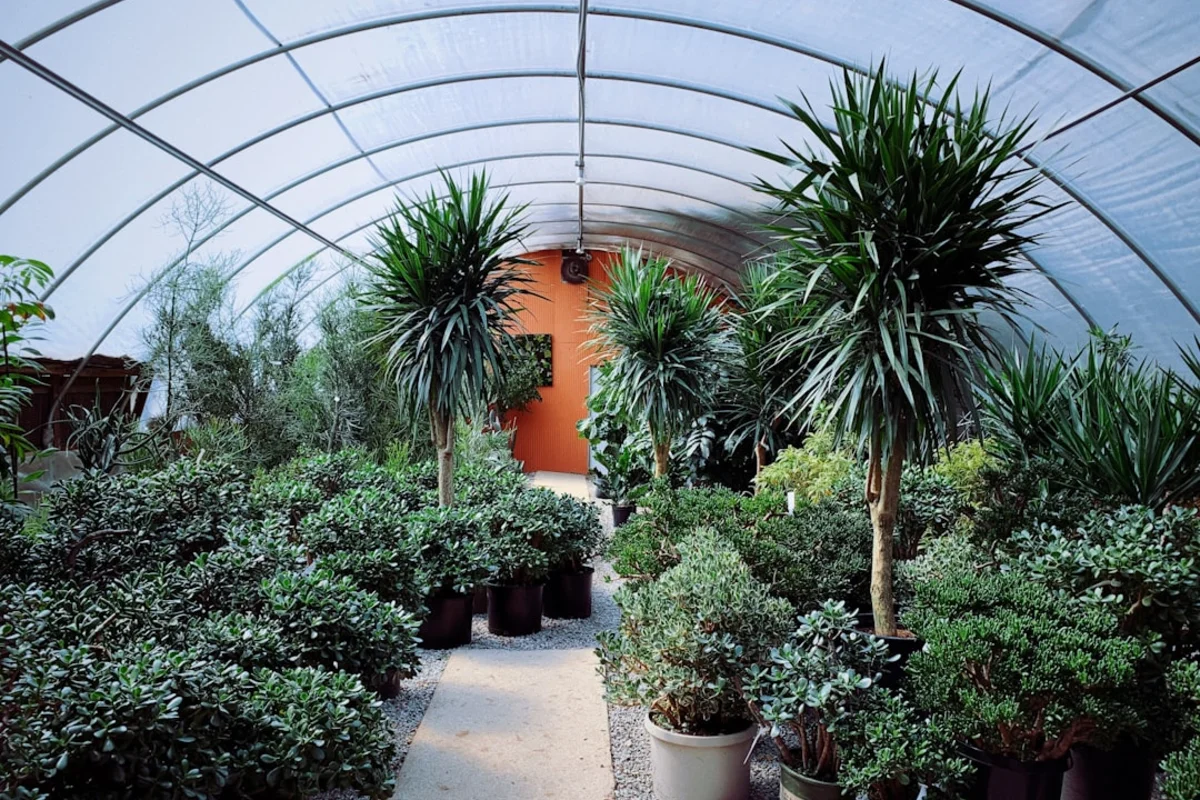
Cut grocery bills $150–$300/month and enjoy pesticide-free produce 365 days a year. Expert guides help you choose, set up, and maintain the perfect greenhouse for your climate and budget.
The National Gardening Association reports that 35% of U.S. households grow vegetables at home — and greenhouse growers harvest 2–3× more per square foot than outdoor gardeners
Families growing tomatoes, peppers, lettuce, and herbs in an 8×12 greenhouse commonly save $150–$300/month on groceries versus store prices. The NGA puts the average vegetable garden ROI at 2.8×.*
University of Minnesota Extension research shows passive greenhouse growing extends an outdoor 6-month season to 10 months — a 67% increase — without supplemental heating. Harvest salads in January.
Controlled growing environments eliminate the majority of outdoor pest problems. With proper ventilation and IPM (Integrated Pest Management), greenhouse growers rarely need any pesticides or herbicides.
Data sources
Choose the right size for your goals and budget — from weekend starter kits to serious family-production setups
| Size | Best For | DIY Kit Cost | Plant Capacity | Typical ROI |
|---|---|---|---|---|
| 4×6 ft (24 sq ft) | Balcony / patio / seed-starting | $150–$350 | 10–15 plants | 1–2 seasons |
| 8×10 ft (80 sq ft) | Beginners — most popular starter | $800–$1,500 | 40–55 plants | 2–3 years |
| 10×12 ft (120 sq ft) | Family production | $2,500–$5,500 | 60–80 plants | 2–4 years |
| 12×16 ft (192 sq ft) | Serious growers / market sales | $4,000–$8,000 | 100–130 plants | 2–3 years |
| 16×24 ft+ (384+ sq ft) | Small commercial / CSA | $8,000–$20,000+ | 200+ plants | 1–3 years |
Not sure which size is right? Use our free Sizing Calculator →
Match your crops to your greenhouse conditions — from unheated cold frames to fully-heated year-round structures
| Crop | Min Night Temp | Ideal Day Temp | Yield / Plant | Grocery Value |
|---|---|---|---|---|
| Tomatoes (indeterminate) | 55°F (13°C) | 65–80°F | 20–50 lbs | $60–$150/plant |
| Lettuce / Leafy Greens | 35°F (2°C) | 45–65°F | 0.5–1 lb | $3–$8/head |
| Peppers | 60°F (16°C) | 70–85°F | 4–8 lbs | $20–$40/plant |
| Cucumbers (vining) | 60°F (16°C) | 65–80°F | 10–20 lbs | $15–$30/plant |
| Kale / Spinach | 28°F (−2°C) | 45–65°F | 1–3 lbs | $5–$12/plant |
| Fresh Herbs (basil, cilantro) | 50°F (10°C) | 60–75°F | Continuous cut | $5–$10/bundle equiv. |
Grocery values based on U.S. average organic retail prices, 2026.
From $300 starter kits to $3,000 professional setups — find the perfect greenhouse based on 500+ hours of testing and real-world growing results
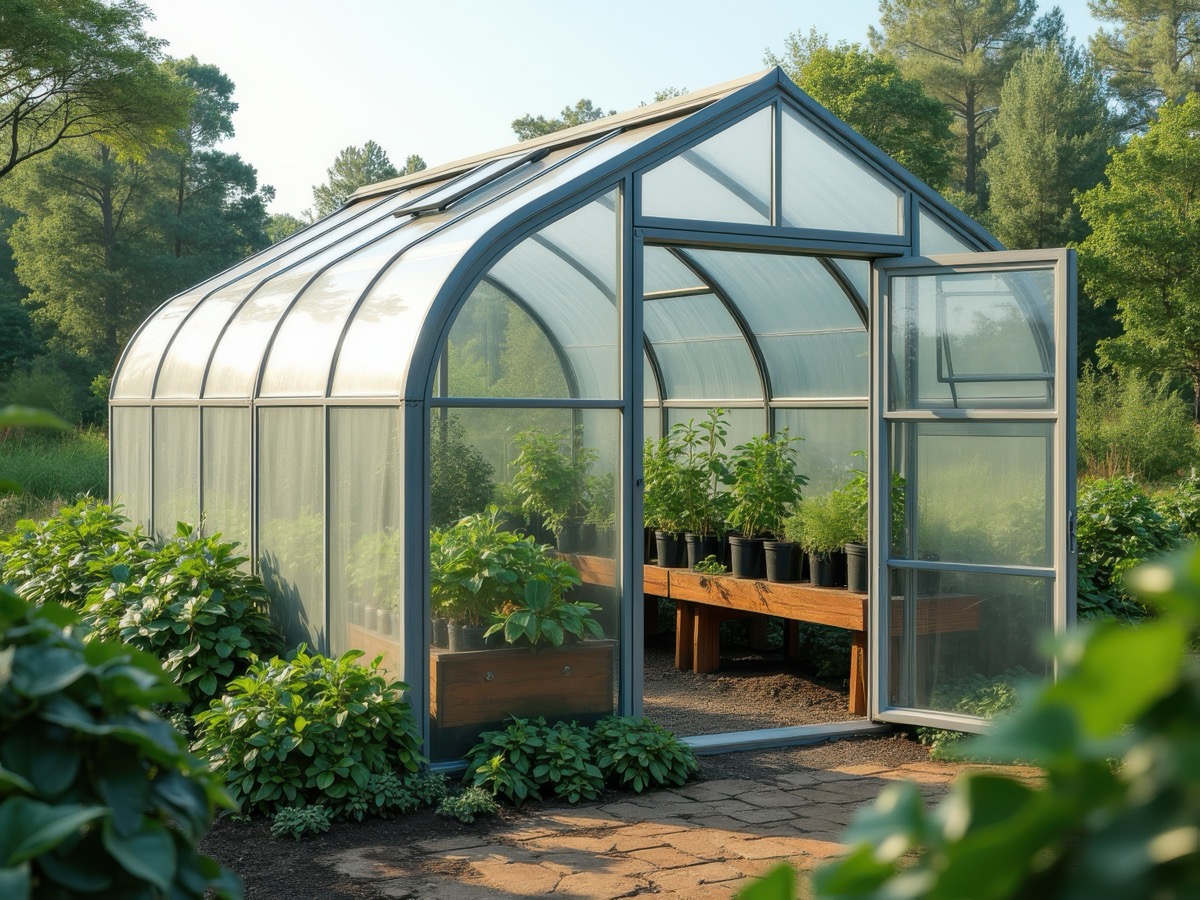
Top 10 models tested: Palram, Outsunny & more. Prices from $899-$2,499 with detailed pros/cons.
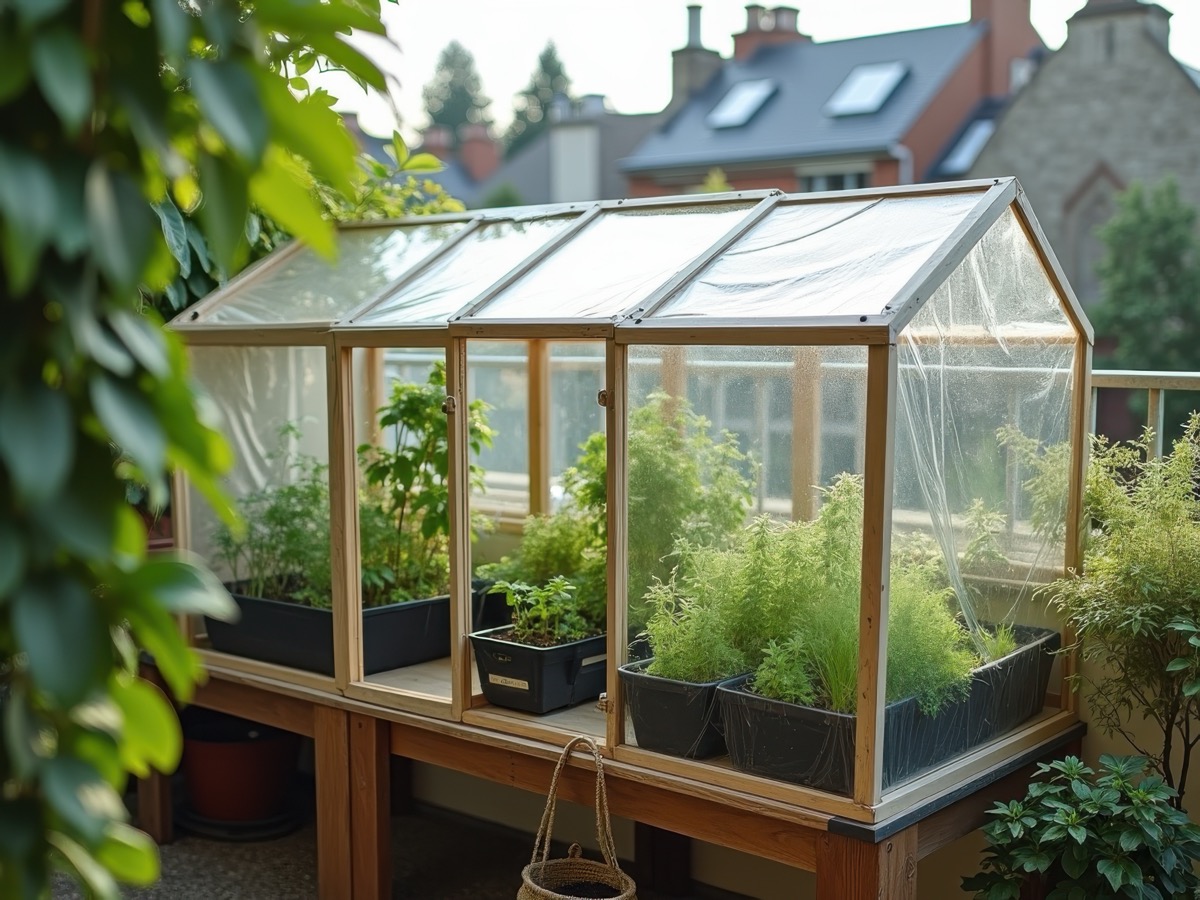
Perfect for beginners: 15 compact models reviewed. Start growing in just 2 hours of setup.

Size charts, cost breakdowns, and setup tips. Save $500+ by avoiding common mistakes.
Our certified horticulturists share proven techniques that help beginners avoid costly mistakes and experienced growers maximize yields
21-point setup guide prevents 90% of first-year failures. Includes shopping lists, timeline, and links to our size calculator and cost estimator.
Read Beginner's Guide →7 proven methods to reduce winter heating bills. Includes our heating cost calculator and real data from 200+ greenhouse owners.
Read Heating Guide →Vent area must equal 15–20% of floor area to prevent overheating. Includes DIY automatic vent plans and our ventilation calculator.
Read Ventilation Guide →10 professional tools: size, cost, heating BTUs, plant spacing, watering schedules, and grow-light DLI. Get exact numbers for your setup.
Use Free Calculators →Professional calculators used by 50,000+ gardeners to plan perfect greenhouses, avoid expensive mistakes, and maximize growing success
Accurate pricing for structure, foundation, labor, permits, and equipment. Includes regional cost adjustments updated monthly.
Calculate Costs →Find the perfect greenhouse size based on your available space, crop selection, and budget. Prevents costly over- or under-sizing.
Find Your Size →Calculate exact BTU requirements and monthly heating costs. Compare natural gas, electric, and propane options for your climate zone.
Estimate Costs →Every greenhouse model reviewed with real-world growing trials
Trusted by gardeners across North America — from USDA zones 3 to 11
Certified horticulturists and professional engineers on our team
Join 12,000+ gardeners who get our weekly tips for maximizing greenhouse yields and minimizing costs. Unsubscribe anytime.
Most hobby greenhouse kits land in a broad low-four-figure range, with mini units at the low end and larger walk-ins costing more as frame strength and glazing quality increase. We refresh our retail pricing survey quarterly.
Yes. Passive greenhouses can retain meaningful heat and extend the season substantially, especially for cool-season crops. University extension guidance highlights deep-winter production strategies that work without constant supplemental heating.
Sources: University of Minnesota Extension
Many first-time growers start with a small-to-mid walk-in footprint because it balances cost, airflow, and workable crop volume. The best size depends on your crop goals, climate, and whether you want year-round use.
Sources: Sierra Greenhouse editorial market survey, Rutgers NJAES Cooperative Extension
They can be, especially for households that consistently replace store produce with home harvests. National garden ROI benchmarks and current food-price trends both support a practical payback case for committed growers.
Sources: National Gardening Association, USDA Economic Research Service
Productive greenhouse staples include tomatoes, cucumbers, peppers, leafy greens, and herbs. Exact performance depends on light, temperature stability, spacing, and pest management discipline.
Sources: Rutgers NJAES Cooperative Extension
Start with heat-retention basics: improve insulation, reduce air leaks, and add thermal mass before sizing active heaters. This lowers runtime costs and stabilizes nighttime temperatures.
Sources: U.S. Department of Energy, Energy Saver, University of Minnesota Extension
Glass offers high clarity, while multiwall polycarbonate typically improves impact resistance and insulation. For many backyard growers, durability and thermal performance make polycarbonate the practical choice.
Plant spacing is crop-specific: fruiting plants need more room than leafy greens and herbs. Use extension spacing guides and your greenhouse bench layout to estimate realistic capacity.
Sources: Rutgers NJAES Cooperative Extension
* Savings estimates based on self-reported data from greenhouse owners and may vary significantly based on local food costs, growing skills, greenhouse size, climate zone, and dedication to year-round growing. NGA statistics from the National Gardening Association 2024 report. UMN Extension season-extension data from University of Minnesota deep-winter greenhouse research.
Professional advice: Always consider initial costs, ongoing maintenance, and learning curve when planning your greenhouse investment.