
Evidence-based equipment playbook
Engineer a greenhouse that behaves like a living system
The right equipment turns a romantic glass room into a reliable ecosystem. Every recommendation below is pulled from 2020–2025 ASHRAE handbooks, university extension tests, and manufacturer spec sheets so you can defend every line item in your budget.
Make decisions as a systems engineer
Every equipment choice influences the others. A heavier glazing option demands a stronger frame. Foggers add humidity that your ventilation must purge. Treat the greenhouse as a linked system so you can balance aesthetics, resilience, and operating costs.
Build the structure: compare engineered frame packages
Start with the skeleton. Frame choice locks in how much snow load you can certify, how often you will be on a ladder with a paint brush, and how much glazing weight the structure can safely carry. Use the ASHRAE-validated benchmarks below to match materials to your site conditions.
| Material | Installed cost (shell) | Engineered loads | Maintenance cycle | Lifecycle & best fit |
|---|---|---|---|---|
| Galvanized steel | $5–$20 per ft² for hoop or gothic shells; $20–$50 per ft² when fully built with systems | Engineered to ≥74 psf snow and ≥63 mph winds (commercial specs) | Inspect zinc coating annually and spot-treat scratches with cold-galv compound | 30+ yearsWide-span commercial houses in heavy snow or wind zones |
| Aluminum (6063-T alloys) | $25–$35 per ft² for architectural A-frame or conservatory kits | Standard kits: 32 psf snow / 85 mph wind; engineered packages exceed 100 psf & 140 mph | Rinse corrosion sites and tighten hardware; otherwise zero routine sealing | 30+ yearsInstitutional and premium residential builds that need clean aesthetics and low upkeep |
| Decay-resistant wood (cedar/redwood) | $20–$40+ per ft² depending on custom detailing | Design-dependent; mass timber handles moderate wind when properly anchored | Seal or stain every 1–2 years and inspect for rot, mildew, and insect pressure | 15–20 years with rigorous maintenanceBoutique garden installs prioritizing aesthetics and thermal buffering |
Data sources: 2024 ASHRAE Handbook of Fundamentals, NGMA design bulletins, manufacturer specification sheets (2023–2025).
Foundation & anchoring mandates
- Set frost-depth footings (below local frost line) or a monolithic slab for any heavy glass or steel structure.
- Anchor lightweight hoop houses with auger-style earth anchors or driven posts plus galvanized wire tie-downs.
- Isolate pressure-treated sill plates from aluminum bases with 10-mil poly or joist tape to prevent galvanic corrosion.
- Wrap concrete perimeter walls with 1–2 inches of rigid foam down to 24 inches to block conductive heat loss through the slab.
Paying for insulation at the foundation saves more BTUs over ten years than upsizing a heater today. Think total cost of ownership, not just the invoice for rebar and concrete.
Wrap the shell: glazing performance benchmarks
Glazing is the skin of your controlled environment. Match light diffusion, R-value, and replacement cycles to your climate to keep plants photosynthesizing while protecting your energy budget.
| Glazing | Thickness | R-value / U-factor | PAR transmission | Lifespan | Cost | Notes |
|---|---|---|---|---|---|---|
| Single-pane tempered glass | 3 mm | 0.95 (U=1.05) | ~90% direct | 40+ years | $2.50–$3.50 /ft² | Highest clarity but poorest insulation; demands heavy framing and raises heating loads. |
| Double-pane insulated glass | 16 mm unit | 1.43–2.1 (U=0.5–0.7) | 78–82% direct | 40+ years | $6.00+ /ft² | Excellent clarity with improved insulation; Low-E coatings trade light for higher R-values. |
| 8 mm twin-wall polycarbonate | 8 mm | 1.64–1.79 (U=0.56–0.63) | 80–83% diffused | 15–20 years | $1.60–$2.50 /ft² | Impact-proof and diffused light; strong balance of insulation and clarity for most growers. |
| 16 mm five-wall polycarbonate | 16 mm | ≈3.0 (U≈0.33) | ~62% diffused | 15–20 years | $4.00+ /ft² | Premium insulation that slashes BTU demand; ideal for cold-climate winter production. |
| Double-inflated polyethylene film | 2 × 6 mil layers | 1.25–1.5 (U=0.7–0.8) | 77–80% diffused (new film) | 1–4 years | $0.15–$0.25 /ft² | Lowest upfront cost; plan for re-glazing cycles and rising heat bills as film ages. |
Diffuse polycarbonate often delivers more uniform canopy PAR than clear glass—despite a slightly lower transmission percentage—because it eliminates hotspots and shadow bands. Use the table above with the heating cost calculator to model long-term energy spend before you purchase a set of panels.
Quantify heat loss before you size heaters
ASHRAE's conductive heat loss formula (BTU/hr = U × Area × ΔT) exposes how dramatically glazing choice affects fuel bills. The scenario below models a 30 × 96 ft gothic greenhouse (3,800 ft² surface area) holding 60 °F against a 20 °F winter night (ΔT = 40 °F).
| Glazing option | U-factor | R-value | Hourly heat loss (BTU/hr) |
|---|---|---|---|
| Single-pane glass | 1.05 | 0.95 | 159,600 BTU/hr |
| Double-inflated polyethylene | 0.70 | 1.4 | 106,400 BTU/hr |
| 8 mm twin-wall polycarbonate | 0.63 | 1.6 | 95,760 BTU/hr |
| 16 mm five-wall polycarbonate | 0.33 | 3.0 | 50,160 BTU/hr |
Jumping from single glass to five-wall polycarbonate slashes heater size requirements by ~110,000 BTU/hr in this scenario—often the difference between a single vented furnace and a redundant bank of units. Pair this data with thermal curtains to further drop nighttime loads.
Master climate control: heating, cooling, and airflow
Climate systems transform the static shell into a productive environment. Combine heating, cooling, and circulation so each subsystem reinforces the others.
Primary heating options
Power-vented natural gas or propane
Best for: Large or all-season houses that need the lowest cost per BTU.
Watch for: Install sealed combustion models to keep ethylene and moisture outside. Size exhaust vents to prevent heat loss.
Electric unit heaters and radiant mats
Best for: Compact hobby structures or zones where electric rates are competitive.
Watch for: Ensure dedicated 240 V circuits. Electricity converts to heat efficiently but often costs more per hour of runtime.
Passive solar storage (water barrels, masonry mass)
Best for: Supplementing active systems and dampening overnight temperature swings.
Watch for: Place thermal mass along the north wall to avoid shading crops. Combine with reflective insulation in winter.
Air movement checklist
- Pair ventilation (air exchange) with circulation (air movement inside the space) to prevent hot and cold stratification.
- Install horizontal air flow (HAF) fans on opposing corners to create a gentle racetrack pattern over benches.
- Automate ridge vents or exhaust fans with thermostats to add incremental runtime that human operators often forget.
- Layer shade cloth, evaporative cooling, and ventilation so each system reduces the load on the next.
Pro tip
Automate vents, fans, and heaters with a single environmental controller. Micro-adjustments during the night often add one to two extra hours of optimal growing conditions compared to manual adjustments.
Automation ROI: invest where payback is fastest
Not all automation is equal. Low-cost controllers that run every hour of the day pay for themselves quickly, while capital-intensive retrofits can take years. Use the case studies below to prioritize your next upgrade.
Adaptive lighting controller (NYSERDA Wheatfield Gardens)
- Install cost
- Controller + PAR sensors retrofitted to an existing LED array (~$0.75 per ft²)
- Measured savings
- Cuts lighting energy by an average of 8.1 kWh per ft² annually (4.4–52.2% by month)
- Payback horizon
- 2.5–3.6 months depending on electricity rates
Target high-frequency waste. Automating dimming beats static timers within a single quarter.
Automated biomass boiler (33,000 ft² greenhouse case)
- Install cost
- $211k–$286k for pellet boilers; $520k for wood-chip system (incl. augers and storage)
- Measured savings
- $66k–$112k annual fuel savings when displacing $2/gal propane
- Payback horizon
- 3.2–4.7 years at commercial scale; 7–11 years for hobby-sized houses
Pursue load-reduction upgrades (double glazing, thermal curtains) before investing in biomass to shrink required boiler size.
Source: NYSERDA adaptive lighting trial (2019) and multi-scale biomass boiler feasibility studies published by UVM Extension and USDA high-tunnel grants (2022–2024).
Design the interior landscape
Interior infrastructure dictates workflow and crop health. Combine fixed features with modular tools so you can reconfigure production as your goals evolve.
Modular benches and rolling tables
Mesh-topped benches maintain airflow around the root zone. Rolling assemblies remove fixed aisles and can reclaim 20–25% more growing surface.
Raised beds and fabric grow bags
Use framed beds for permanent crops and heavy trellising. Deploy breathable grow bags when you need clean media each season or want to “air prune” roots for bushier growth.
Hydroponic platforms
Deep water culture excels with leafy greens, nutrient film technique pushes fast turnover, and flood-and-drain tables support fruiting crops with excellent aeration.
Add drip irrigation for water efficiency and use integrated pest management tools like insect screens and sticky traps to guard the ecosystem.
Lighting and monitoring upgrades
LED lighting vs HPS
Modern horticultural LEDs deliver tailored spectra with 40–60% less energy than comparable high-pressure sodium fixtures. They run cooler, easing the load on cooling systems. In frigid climates, you can still use HPS fixtures strategically when the waste heat offsets furnace runtime.
Pair LEDs with adaptive lighting controllers to dim automatically in sunny weather—a NYSERDA trial cut 8.1 kWh per ft² annually compared with timer-only control.
Monitoring and automation
Combine temperature, humidity, CO₂, and VPD sensors with Wi-Fi dashboards that push alerts to your phone. Pair sensors with actuators—vent motors, foggers, irrigation valves—to move from reactive fixes to proactive control.
Document baseline readings for each crop so you can diagnose issues quickly and prove the ROI of future upgrades to investors or grant officers.
Field-tested gear we trust (affiliate recommendations)
These picks align with the specs above and generate affiliate revenue that keeps our calculators free. Pricing feeds update through Amazon's Product Advertising API, but confirm availability before you buy.
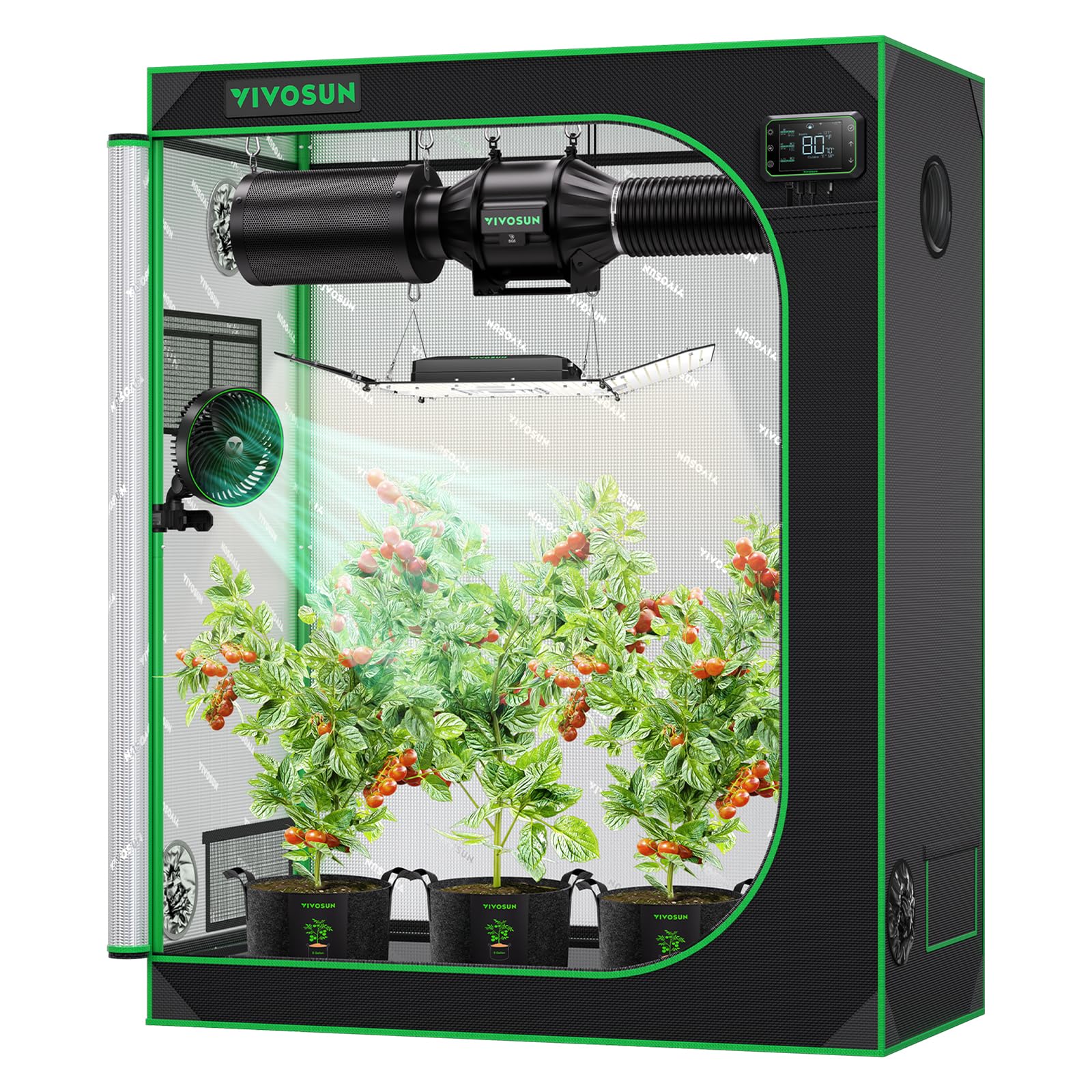 Best seller
Entry grow tent for propagation & quarantine
VIVOSUN S425 4x2 Grow Tent, 48"x24"x60" High Reflective Mylar with Observation Window and Floor Tray for Hydroponics Indoor Plant for VS2000
600D canvas walls, Mylar reflective lining, and twin ventilation socks make it ideal for staging starts before they move to the main house.
- Price
- $99.99
- Best for
- Operate as a propagation annex or pest quarantine chamber alongside the main greenhouse.
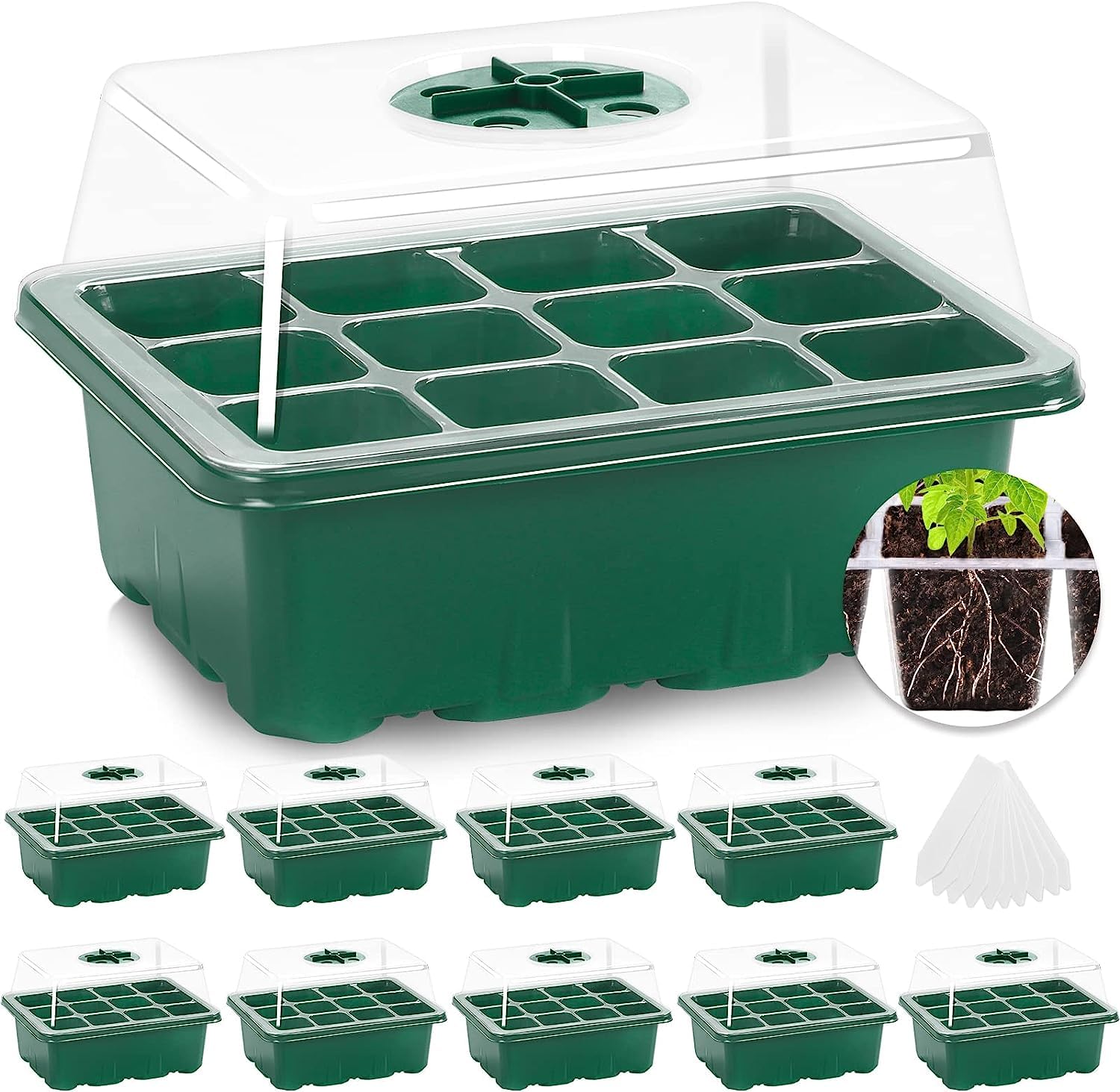
Domed propagation trays with adjustable vents
MIXC 10 Packs Seed Starter Tray Seed Starter Kit with Humidity Dome (120 Cells Total Tray) Seed Starting Trays Plant Starter Kit and Base Mini Greenhouse Germination Kit for Seeds Growing Starting
Ten reusable ABS trays (120 cells) include clear domes and bottom-watering channels to eliminate damping off.
- Price
- $16.99
- Best for
- Dial in germination without dedicating permanent flood tables.
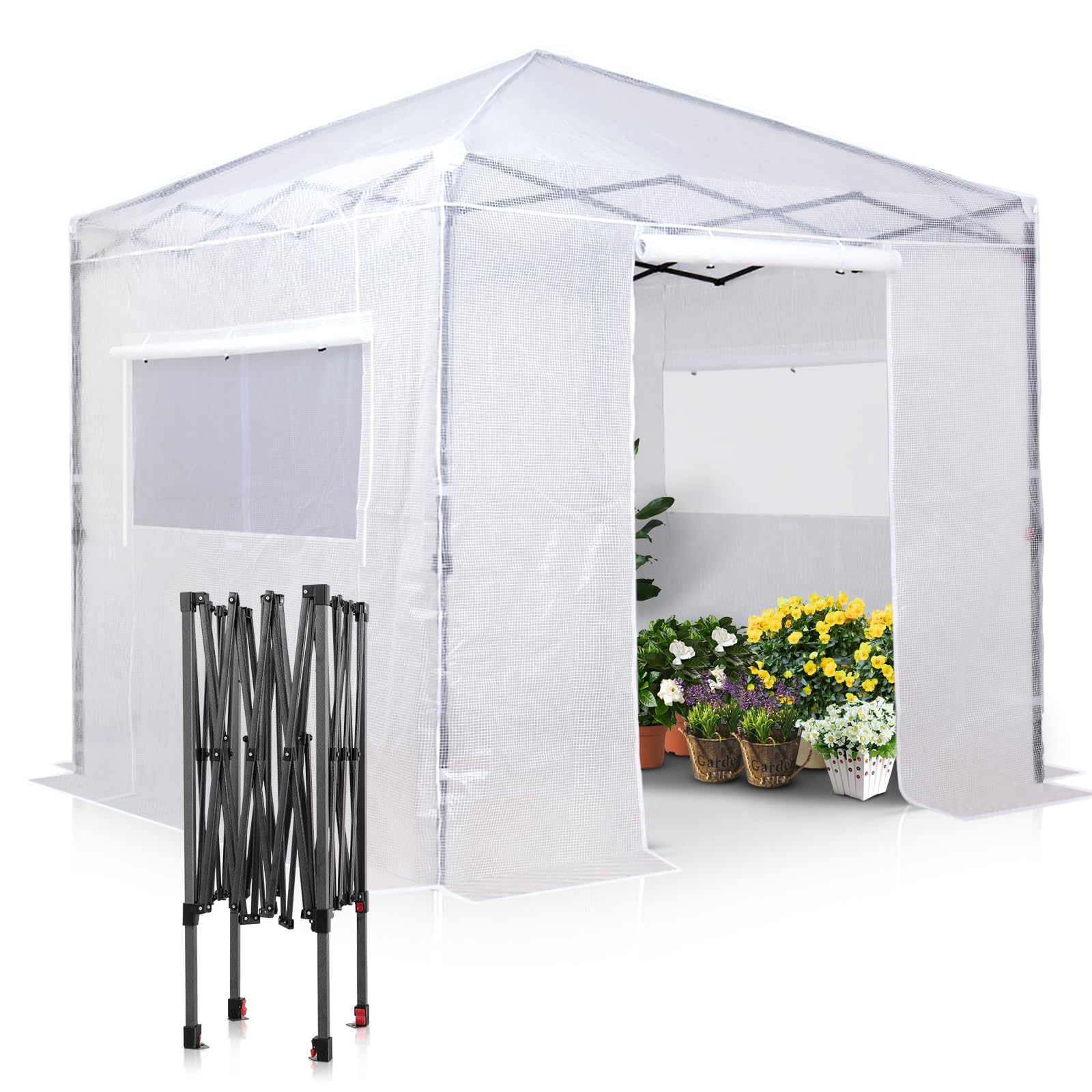 Best seller
Pop-up shelter for shoulder-season overflow
EAGLE PEAK 8x8 Portable Walk-in Greenhouse, Pop-up Indoor Outdoor Garden Green House, Zippered Doors and Windows, PE Cover, White
Telescoping steel frame deploys in minutes and screened vents control overheating on sunny spring days.
- Price
- $179.99
- Best for
- Hardening-off bench or rapid-deploy tunnel for leafy greens.
- Fulfillment
- Prime-eligible shipping
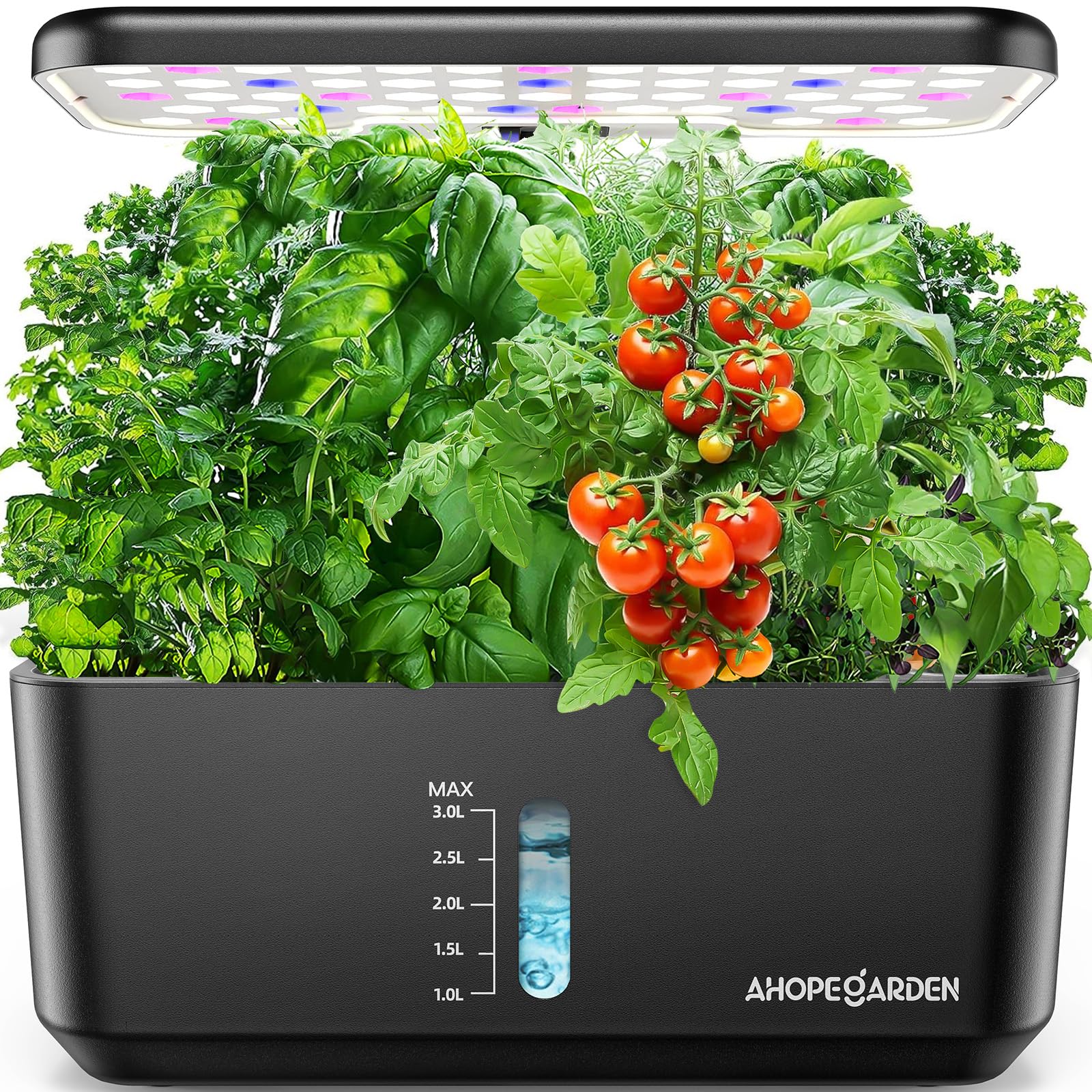
Countertop hydro kit for herb cuttings
Indoor Garden Hydroponics Growing System: 10 Pods Plant Germination Kit Aeroponic Vegetable Growth Lamp Countertop with LED Grow Light - Hydrophonic Planter Grower Harvest Veggie Lettuce, Black
10-pod LED-lit hydroponic garden keeps a 16-hour photoperiod and circulates nutrient solution automatically.
- Price
- $73.99
- Best for
- Maintain culinary herbs year-round without tying up precious bench space.
As an Amazon Associate we earn from qualifying purchases. You pay the same price while helping fund new calculators and research updates.
Checklist: finalize your equipment plan
- Size the structure with our greenhouse sizing calculator.
- Model heating loads and fuel choices using the heating cost calculator.
- Sketch airflow: intake vents, exhaust fans, and HAF fans in a continuous loop.
- Document interior zones (propagation, production, storage) and match them with benches, beds, or hydroponic systems.
- Plan sensor placement and controller automation to maintain steady growing conditions.
Source deck
Key references backing the cost, load, and ROI claims on this page:
- 2024 ASHRAE Handbook of Fundamentals & ASABE EP406: thermal properties for glazing, U-factors, and heat-loss methodology.
- National Greenhouse Manufacturers Association (NGMA) design bulletins and manufacturer spec sheets (Prospiant, Rimol, 2023–2025) for structural load ratings and installed cost ranges.
- USDA NRCS High Tunnel System Code 325 & University of Vermont Extension biomass heating feasibility studies (2022–2024) for foundation, anchoring, and automation ROI data.
- NYSERDA Adaptive Lighting Controls for Greenhouse Production (Wheatfield Gardens, 2019) for lighting controller savings and payback period.
Next steps
Ready to spec individual components? Continue with these guides:
- Browse greenhouse guides for ventilation, irrigation, and seasonal strategies.
- Compare greenhouse kits and materials to match this equipment blueprint with real-world products.
- Winter growing tactics will help you apply these equipment decisions when temperatures plummet.