
Sierra Greenhouse Insights
Grow All Year: Proven Schedules and Soil Hacks for Thriving Greenhouse Crops
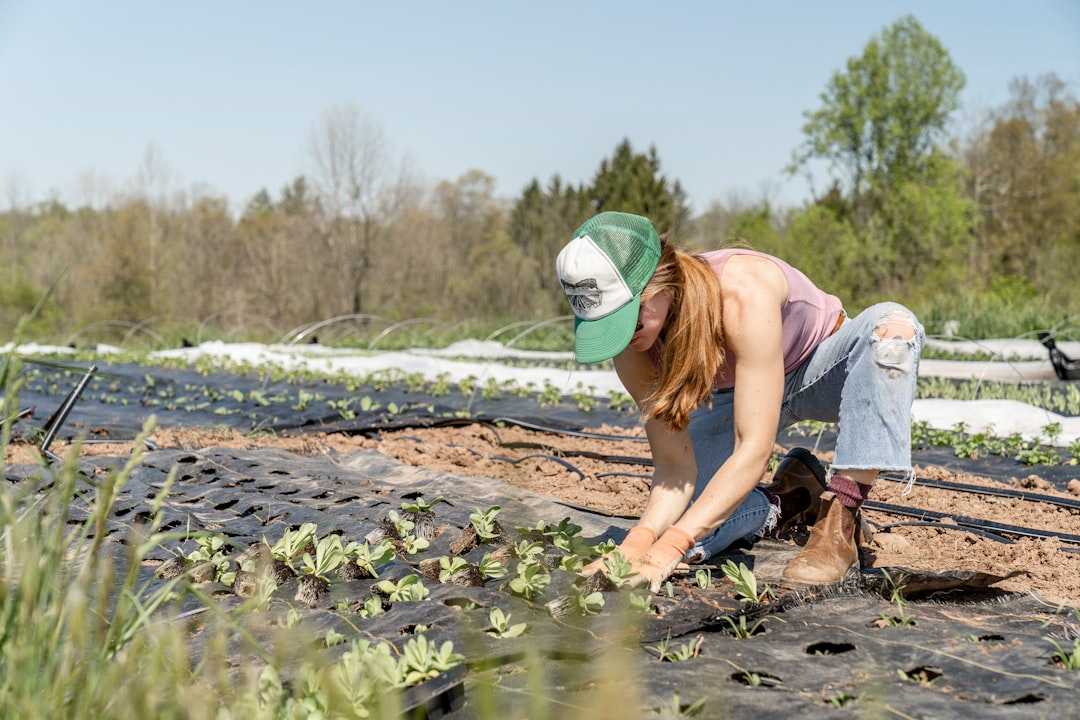
Imagine harvesting fresh salads every single week of the year, picking ripe tomatoes in January, and never buying another wilted grocery store herb. This isn't greenhouse fantasy—it's the reality for growers who master succession planting and seasonal timing. By following proven schedules developed by extension services and refined by decades of greenhouse experience, you'll transform your covered growing space into a four-season production powerhouse that delivers fresh food daily while reducing your grocery bill by 60-80%.
Table of Contents
- Understanding Year-Round Production
- Master Planting Schedules
- Succession Planting Strategies
- Seasonal Crop Selection
- Soil Mix Formulations
- Watering Schedules by Season
- Temperature Management
- Companion Planting Under Cover
- Daily Task Checklists
- Monthly Planning Guides
- Troubleshooting Common Issues
- FAQs
Understanding Year-Round Production
Successful year-round greenhouse growing requires understanding two critical factors: day length and temperature. Master these variables, and your greenhouse transforms from seasonal hobby to continuous food factory.
The 10-Hour Rule
Plants need minimum daylight to grow actively:
- Below 10 hours: Growth essentially stops (mid-November to early February in Zone 5)
- 10-12 hours: Slow but steady growth
- 12+ hours: Active growth period
- 14+ hours: Maximum production potential
Geographic Reality Check:
- Zone 3-4: Supplemental lighting needed December-February
- Zone 5-6: Can grow without lights, expect slow winter growth
- Zone 7-8: Year-round production without supplemental lighting
- Zone 9-10: Focus shifts to summer cooling
Temperature Zones Within Your Greenhouse
Every greenhouse has microclimates to exploit:
- Coldest areas: Near vents and glazing (perfect for winter greens)
- Warmest spots: North wall reflection zone (ideal for heat lovers)
- Moderate zones: Center benches (versatile growing space)
- Ground level: 5-10°F cooler than bench height
Master Planting Schedules
These schedules maximize production through strategic timing and variety selection.
Quick Reference Planting Calendar
| Crop | Jan | Feb | Mar | Apr | May | Jun | Jul | Aug | Sep | Oct | Nov | Dec | | --------- | --- | --- | --- | --- | --- | --- | --- | --- | --- | --- | --- | --- | | Lettuce | S/T | S/T | S/T | S/T | T | - | - | S | S/T | S/T | S/T | S/T | | Spinach | S/T | S/T | S/T | T | - | - | - | S | S/T | S/T | S/T | S/T | | Tomatoes | S | S | T | G | H | H | H | H | H | - | - | - | | Peppers | S | S | T | G | H | H | H | H | H | - | - | - | | Cucumbers | - | S | S/T | G | H | H | H | - | - | - | - | - | | Herbs | S/T | S/T | S/T | G | H | H | H | H | G | T | T | T |
Key: S=Seed, T=Transplant, G=Growing, H=Harvest
Detailed Crop Timing
Cool Season Champions (45-65°F optimal)
- Lettuce: 45-60 days, plant every 2 weeks
- Spinach: 40-50 days, plant every 3 weeks
- Kale: 55-75 days, plant monthly
- Swiss Chard: 50-60 days, cut-and-come-again
- Asian Greens: 30-45 days, plant every 2 weeks
Warm Season Stars (65-85°F optimal)
- Tomatoes: Start January, harvest May-October
- Peppers: Start January, harvest June-November
- Cucumbers: Start February, 60-day cycles
- Basil: Continuous harvest with succession planting
- Beans: 50-60 days, plant monthly March-August
Year-Round Performers
- Radishes: 25-30 days, plant every 10 days
- Green Onions: 60 days, plant every 3 weeks
- Herbs: Most varieties grow continuously
- Microgreens: 7-14 days, weekly plantings
Succession Planting Strategies
The secret to continuous harvests lies in strategic succession planting—never leave soil empty.
The 2-3 Week Rule
Quick-Growing Crops (Plant every 2 weeks):
- Lettuce varieties
- Arugula
- Radishes
- Spinach
- Asian greens
- Cilantro
Medium-Duration Crops (Plant every 3-4 weeks):
- Beets
- Carrots
- Turnips
- Kohlrabi
- Bush beans
Long-Season Crops (Plant once, harvest continuously):
- Tomatoes
- Peppers
- Eggplant
- Cucumbers (with multiple plantings)
Succession Planning Worksheet
Week 1: Plant lettuce row 1, radish row 1
Week 3: Plant lettuce row 2, spinach row 1
Week 5: Plant lettuce row 3, radish row 2, harvest radish row 1
Week 7: Plant lettuce row 4, replant radish row 1, harvest lettuce row 1
(Continue pattern throughout season)
Space-Efficient Succession Techniques
Interplanting Method:
- Plant quick-maturing crops between slow growers
- Harvest fast crops before slow crops need space
- Immediately replant harvested areas
- Example: Radishes between tomato transplants
Relay Planting:
- Start next crop in trays while current crop matures
- Transplant immediately after harvest
- Zero downtime between crops
- Saves 2-3 weeks per succession
Vertical Succession:
- Use trellises for vining crops
- Plant shade-tolerant crops below
- Rotate vertical and ground crops
- Doubles production per square foot
Seasonal Crop Selection
Choosing the right varieties for each season ensures continuous production despite temperature extremes.
Winter Warriors (December-February)
Ultra-Cold Hardy (-10°F survival):
- Mâche (corn salad): Sweetest after frost
- Claytonia (miner's lettuce): Self-sows readily
- Winter density lettuce: Romaine type, very hardy
- Winterbor kale: Improves with cold
Cold Tolerant (20°F survival):
- Spinach 'Space' or 'Bloomsdale'
- Arugula 'Sylvetta' (wild type)
- Mizuna and mibuna
- Tatsoi rosettes
Growth Tips:
- Water sparingly (once weekly maximum)
- Harvest outer leaves only
- Maintain 35-50°F nighttime minimum
- Use row cover for extra protection
Spring Surge (March-May)
Early Starters:
- Peas (snap and snow types)
- Fava beans
- Carrots 'Paris Market'
- Beets 'Early Wonder'
- Onion sets
Transition Crops:
- Start warm-season seedlings
- Continue cool-season harvests
- Phase out winter varieties gradually
- Begin hardening off for outdoor planting
Summer Strategies (June-August)
Heat Management Crops:
- Cherry tomatoes (more heat tolerant)
- Armenian cucumbers
- Heat-tolerant lettuce ('Jericho', 'Nevada')
- New Zealand spinach (heat-loving substitute)
- Basil varieties
Cooling Techniques:
- 40% shade cloth installation
- Increase ventilation to 30% of floor area
- Morning watering only
- Mulch soil surfaces
Fall Transition (September-November)
Succession Timing Critical:
- August 1: Start fall brassicas
- August 15: Lettuce and spinach
- September 1: Asian greens and radishes
- September 15: Mâche and claytonia
- October 1: Final winter plantings
Day-Length Considerations:
- Growth slows dramatically after October 15
- Size plants appropriately before short days
- Focus on cold-hardy varieties
- Prepare for winter semi-dormancy
Soil Mix Formulations
The right growing medium makes the difference between struggling plants and spectacular harvests.
Universal Greenhouse Mix
Base Recipe (Makes 2 cubic feet):
- 1 part quality compost
- 1 part peat moss or coco coir
- 1 part perlite or vermiculite
- 2 tablespoons lime (unless using coco)
- 1 cup balanced organic fertilizer
Customizations by Crop:
Tomato Power Mix:
- Add 1/4 cup bone meal per cubic foot
- Extra 1/2 part compost for nutrition
- 1 tablespoon Epsom salts for magnesium
- pH target: 6.2-6.8
Lettuce Light Mix:
- Reduce compost to 3/4 part
- Increase perlite for drainage
- Half-strength fertilizer
- pH target: 6.0-7.0
Root Crop Special:
- Add 1/2 part sand for structure
- Reduce fertilizer by half
- Extra perlite for drainage
- pH target: 6.0-6.8
Container Size Guidelines
| Crop | Minimum Container | Optimal Size | Plants per Container | | -------- | ----------------- | ------------ | -------------------- | | Lettuce | 6" pot | 8" pot | 1 | | Tomatoes | 5 gallon | 10 gallon | 1 | | Peppers | 3 gallon | 5 gallon | 1 | | Herbs | 6" pot | 8" pot | 1-3 | | Radishes | 6" deep box | 8" deep | 6-8 per sq ft | | Beans | 8" pot | 12" pot | 2-3 |
Soil Recycling Protocol
End-of-Season Renovation:
- Remove all plant debris
- Screen out roots
- Add 25% fresh compost
- Re-amend with fertilizer
- Test pH and adjust
- Let rest 2 weeks before replanting
Disease Prevention:
- Never reuse soil from diseased plants
- Solarize questionable soil in black bags
- Add beneficial microbes when refreshing
- Rotate crop families in containers
Watering Schedules by Season
Proper watering changes dramatically with seasons, plant size, and weather conditions.
Winter Watering (December-February)
Frequency Guidelines:
- Mature plants: Every 5-7 days
- Seedlings: Every 3-4 days
- Succulents/herbs: Every 10-14 days
Best Practices:
- Water morning only (by 10 AM)
- Use tepid water (not cold)
- Water at soil level
- Reduce frequency in cloudy weather
- Check soil 2" deep before watering
Spring Surge (March-May)
Increased Demands:
- Mature plants: Every 2-3 days
- Actively growing: Daily check
- New transplants: Twice daily first week
Transition Management:
- Gradually increase frequency
- Monitor for overwatering signs
- Adjust for longer days
- Begin foliar feeding weekly
Summer Intensity (June-August)
Peak Water Needs:
- Large tomatoes: 1-2 gallons daily
- Lettuce: Daily light watering
- Containers: Twice daily possible
- Watch for midday wilt
Efficiency Strategies:
- Drip irrigation installation
- Mulch all soil surfaces
- Group plants by water needs
- Morning deep watering preferred
Fall Moderation (September-November)
Decreasing Schedule:
- Gradually reduce frequency
- Watch for overwatering
- Adjust for shorter days
- Prepare for winter schedule
Water Quality Considerations
Testing Parameters:
- pH: 6.0-7.0 ideal
- EC/TDS: Below 1.0 for seedlings
- Temperature: 65-75°F optimal
- Chlorine: Let tap water sit 24 hours
Temperature Management
Maintaining optimal temperatures year-round requires both passive and active strategies.
Heating Efficiency Zones
Zone 1 - Tropical (70-85°F):
- Tomatoes, peppers, eggplant
- Basil, cucumbers
- Location: North wall, upper benches
Zone 2 - Moderate (60-75°F):
- Lettuce, herbs, beans
- Broccoli seedlings
- Location: Center benches
Zone 3 - Cool (45-65°F):
- Spinach, kale, mâche
- Overwintering crops
- Location: Near vents, edges
Passive Temperature Control
Winter Heat Retention:
- Water barrels painted black (thermal mass)
- Bubble wrap on north wall
- Row covers for extra 5-8°F
- Compost bins generate heat
- Close vents by 3 PM
Summer Cooling:
- Shade cloth (30-50% density)
- Increase ventilation area
- Evaporative cooling (misting)
- White shade paint (removable)
- Open vents at sunrise
Active Climate Control
Heating Options Compared: | Type | Cost/Month | Pros | Cons | |------|------------|------|------| | Electric | $80-150 | Clean, thermostat control | Expensive operation | | Propane | $40-80 | Efficient, provides CO2 | Needs ventilation | | Radiant Floor | $30-60 | Most efficient, even heat | High install cost | | Wood Stove | $20-40 | Cheapest operation | Labor intensive |
Companion Planting Under Cover
Greenhouse companion planting maximizes space while providing pest control and growth benefits.
Proven Companion Groups
The Salad Bowl Guild:
- Lettuce (main crop)
- Radishes (pest deterrent)
- Carrots (deep roots)
- Herbs (beneficial insects)
- Benefits: Full space utilization, varied harvest times
The Italian Garden:
- Tomatoes (vertical)
- Basil (pest deterrent)
- Parsley (beneficial insects)
- Oregano (ground cover)
- Benefits: Classic flavors, pest reduction
The Nitrogen Network:
- Beans (nitrogen fixer)
- Cucumbers (climber)
- Nasturtiums (trap crop)
- Lettuce (shade benefit)
- Benefits: Soil improvement, space efficiency
Space-Saving Combinations
Vertical Partnerships:
- Pole beans + lettuce below
- Cucumbers + radishes below
- Tomatoes + winter greens below
- Peas + spinach below
Succession Partnerships:
- Quick radishes mark slow carrot rows
- Lettuce between young tomatoes
- Beans follow spring greens
- Fall brassicas replace summer crops
Incompatible Combinations
Avoid These Pairings:
- Tomatoes + brassicas (growth inhibition)
- Beans + onion family (stunted growth)
- Cucumber + aromatic herbs (flavor impact)
- Fennel + most vegetables (allelopathic)
Daily Task Checklists
Consistent daily care keeps problems small and harvests large.
Morning Routine (7-9 AM)
5-Minute Check:
- [ ] Temperature reading
- [ ] Quick pest scan
- [ ] Ventilation adjustment
- [ ] Note any issues
- [ ] Check automatic systems
Watering Tasks:
- [ ] Check soil moisture
- [ ] Water as needed
- [ ] Mist propagation area
- [ ] Fill reservoirs
- [ ] Check drip systems
Quick Harvest:
- [ ] Pick ripe produce
- [ ] Harvest herbs before heat
- [ ] Remove spent blooms
- [ ] Collect seeds if ready
Afternoon Tasks (3-5 PM)
Climate Adjustment:
- [ ] Adjust shade cloth
- [ ] Close vents for winter
- [ ] Check temperatures
- [ ] Prepare for overnight
Plant Care:
- [ ] Stake/tie as needed
- [ ] Remove dead leaves
- [ ] Check for pests/disease
- [ ] Light cultivation
Weekly Deep Care
Monday - Seeding Day:
- Start weekly successions
- Check germination rates
- Update planting calendar
Wednesday - Feeding Day:
- Apply liquid fertilizers
- Foliar feed if needed
- Check pH levels
Friday - Maintenance Day:
- Deep watering
- Major pruning/training
- Clean and organize
- Plan next week
Sunday - Harvest/Planning:
- Major harvest for week
- Update records
- Plan succession plantings
- Check supplies
Monthly Planning Guides
Strategic monthly planning ensures continuous production and prevents gaps.
January: New Year Planning
- Week 1: Order seeds, check supplies
- Week 2: Start tomatoes, peppers indoors
- Week 3: Seed cool-season crops
- Week 4: Prepare spring growing areas
- Focus: Planning and preparation
February: Spring Awakening
- Week 1: Continue warm-season seeding
- Week 2: Begin succession lettuce
- Week 3: Start herbs and flowers
- Week 4: First pea planting
- Focus: Ramping up production
March: Full Production
- Week 1: Major transplanting begins
- Week 2: Start cucumbers and squash
- Week 3: Continue successions
- Week 4: Begin hardening off
- Focus: Space management
April: Transition Time
- Week 1: Move hardy plants outside
- Week 2: Plant heat-lovers inside
- Week 3: Major succession push
- Week 4: Install shade systems
- Focus: Indoor/outdoor balance
May: Peak Spring
- Week 1: Cucumber and bean successions
- Week 2: Transition to summer crops
- Week 3: Increase watering frequency
- Week 4: Monitor for pests
- Focus: Pest management
June: Summer Systems
- Week 1: Full shade deployment
- Week 2: Switch to heat-tolerant varieties
- Week 3: Increase ventilation
- Week 4: Plan fall crops
- Focus: Heat management
July: Midsummer Maintenance
- Week 1: Start fall transplants
- Week 2: Continue summer care
- Week 3: Deep clean growing areas
- Week 4: Order fall seeds
- Focus: Fall preparation
August: Fall Prep
- Week 1: Major fall seeding
- Week 2: Begin crop transitions
- Week 3: Reduce summer crops
- Week 4: Prepare winter systems
- Focus: Season transition
September: Autumn Shift
- Week 1: Full fall planting
- Week 2: Remove summer crops
- Week 3: Reduce watering
- Week 4: Check heating systems
- Focus: Winter preparation
October: Winter Ready
- Week 1: Final winter plantings
- Week 2: Insulation installation
- Week 3: Deep mulching
- Week 4: System maintenance
- Focus: Cold preparation
November: Settling In
- Week 1: Monitor temperatures
- Week 2: Adjust to winter schedule
- Week 3: Begin minimal watering
- Week 4: Plan holiday harvests
- Focus: Winter rhythms
December: Winter Solstice
- Week 1: Maintain temperatures
- Week 2: Monitor for diseases
- Week 3: Holiday harvest
- Week 4: Plan next year
- Focus: Planning and reflection
Troubleshooting Common Issues
Quick identification and response prevents minor issues from becoming major problems.
Growth Problems
Symptom: Pale, elongated growth
- Cause: Insufficient light
- Solution: Supplemental lighting or relocation
- Prevention: Proper variety selection
Symptom: Stunted growth, yellow leaves
- Cause: Nutrient deficiency
- Solution: Balanced liquid fertilizer
- Prevention: Regular feeding schedule
Symptom: Wilting despite moist soil
- Cause: Root rot from overwatering
- Solution: Reduce watering, improve drainage
- Prevention: Water by weight, not schedule
Pest Issues
- Signs: Sticky leaves, curled growth
- Solution: Insecticidal soap spray
- Prevention: Yellow sticky traps, companion plants
- Signs: White flying insects, yellowing
- Solution: Vacuum adults, spray larvae
- Prevention: Reflective mulches, screening
- Signs: Fine webbing, stippled leaves
- Solution: Strong water spray, miticides
- Prevention: Maintain humidity above 50%
Disease Management
- Conditions: Poor air circulation
- Treatment: Baking soda spray
- Prevention: Proper spacing, ventilation
Damping Off:
- Conditions: Cool, wet soil
- Treatment: Remove affected plants
- Prevention: Sterile starting mix, air flow
Botrytis (Gray Mold):
- Conditions: High humidity, poor air flow
- Treatment: Remove affected parts
- Prevention: Morning watering only
Frequently Asked Questions
How many plants can I grow in a 10x12 greenhouse year-round?
With proper succession planting and vertical growing, a 10x12 greenhouse can support 40-60 plants simultaneously. This includes 20-30 small crops (lettuce, herbs), 8-10 medium plants (peppers, compact tomatoes), and 4-6 large plants (indeterminate tomatoes, cucumbers). Using vertical space and succession planting, you could harvest from 200-300 plants annually.
What's the secret to preventing pest problems in year-round production?
Prevention through diversity is key. Maintain at least 10-15 different plant varieties to prevent pest population explosions. Use physical barriers (screening, row covers), biological controls (beneficial insects), and companion planting. Most importantly, daily observation catches problems early when they're easily managed.
How do I maintain soil fertility with continuous cropping?
Rotate plant families even in containers, never following heavy feeders with heavy feeders. Add 2 inches of compost between each crop rotation. Use cover crops like buckwheat or crimson clover during transition periods. Test soil every 6 months and amend based on results. Consider vermiculture bins for continuous compost production.
What's the minimum temperature I need to maintain for winter growing?
Most cool-season crops survive at 35°F nighttime minimums, though growth is minimal below 45°F. Maintain 45-50°F for active growth. Use thermal mass, double-layer covers, and zone heating to achieve this efficiently. Remember, soil temperature matters more than air temperature for root growth.
How much time does year-round greenhouse growing require daily?
Budget 15-30 minutes for daily tasks (watering, harvesting, monitoring) and 2-3 hours weekly for major maintenance (seeding, transplanting, cleaning). Peak seasons (spring/fall transitions) require more time. Automated watering systems can reduce daily time to 10 minutes.
When should I start seeds for continuous lettuce production?
Start new lettuce seeds every 2 weeks year-round. In winter, allow 8-10 weeks from seed to harvest; in summer, 5-6 weeks. Always have 4 successions growing: newly seeded, young seedlings, maturing plants, and harvest-ready. This ensures 2-3 harvests weekly.
How do I transition between seasons without production gaps?
Start transition crops 4-6 weeks before the season change. Overlap warm and cool-season crops during transition months. Use quick-maturing varieties as bridge crops. Maintain detailed records to refine timing each year. Always have transplants ready to fill gaps immediately after harvest.
Conclusion: Your Year-Round Food System
Mastering year-round greenhouse production transforms you from seasonal gardener to full-time food producer. The schedules, techniques, and systems outlined here provide the framework—your experience fine-tunes them to your specific conditions and preferences.
Remember these key principles:
- Succession planting eliminates feast-or-famine cycles
- Proper variety selection works with seasons, not against them
- Daily observation prevents major problems
- Detailed records improve results each year
- Start small and expand as skills develop
Your greenhouse can produce $2,000-4,000 worth of organic produce annually in just 120 square feet. More importantly, it provides unmatched freshness, variety, and food security while reducing your environmental footprint.
The journey from empty greenhouse to year-round abundance begins with a single seed. Plant it today, and begin your transformation into a four-season grower.
Additional Resources
Related Articles
Helpful Tools
- Succession Planting Calculator
- Greenhouse Planning Calendar
- Watering Schedule Generator
- Variety Selection Guide
Downloads
Ready to start your year-round growing journey? Contact our greenhouse specialists for personalized scheduling advice based on your climate zone and greenhouse setup.