
Sierra Greenhouse Insights
Wireless Data Loggers Keep Greenhouse Records Easy
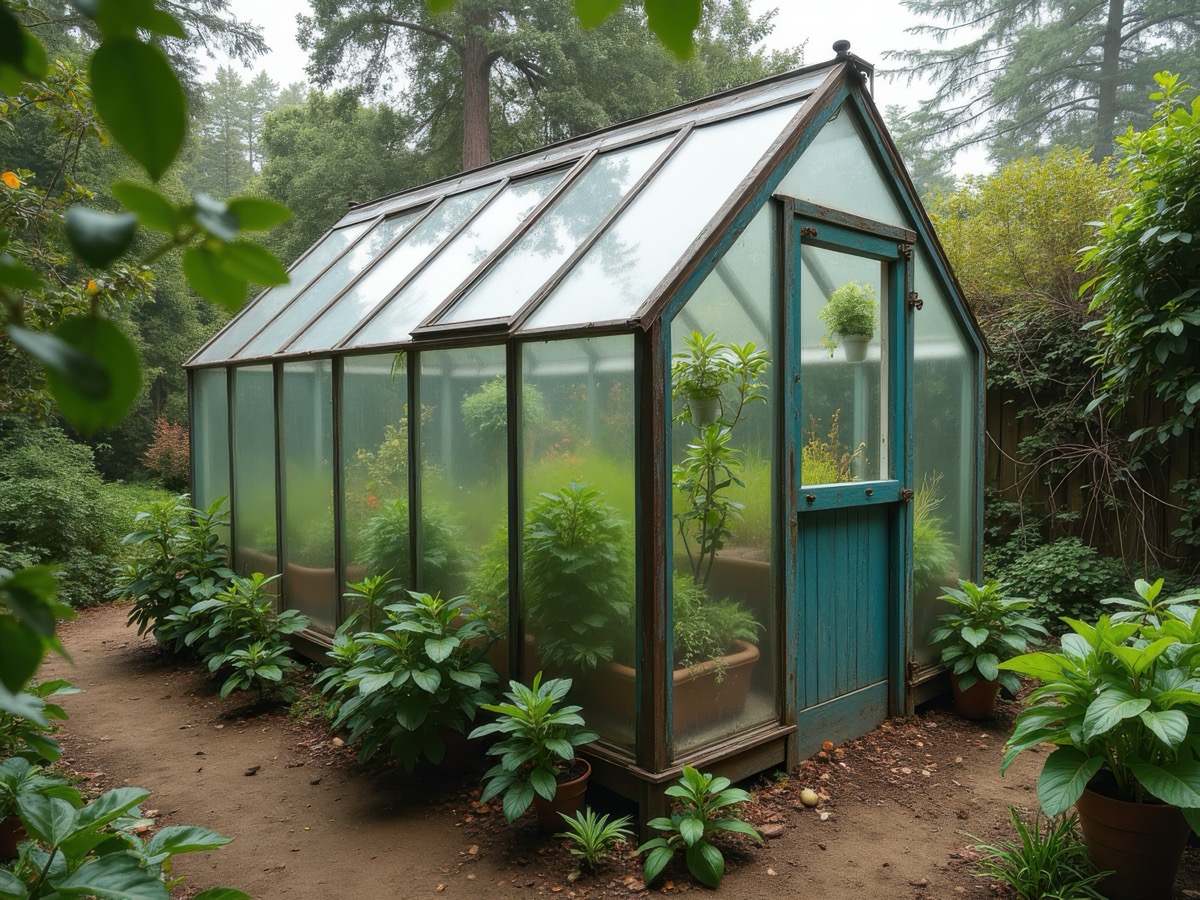
Wireless data loggers revolutionize greenhouse record-keeping by automatically collecting and storing environmental data without manual intervention. This comprehensive guide examines logger capabilities, selection criteria, and analysis methods that transform raw data into actionable growing insights.
Data logger technology fundamentals
How wireless loggers operate
Modern data loggers combine precision sensors with onboard memory and wireless communication to create autonomous monitoring stations. Internal processors collect measurements at programmed intervals while storing data locally and transmitting to central systems.
Battery-powered operation enables placement anywhere without electrical connections, while weatherproof enclosures protect electronics from greenhouse humidity and temperature extremes. Quality units operate reliably for years with minimal maintenance. For targeted monitoring, see our smart temperature sensor setup guide.
Key specifications explained
Memory capacity determines how long loggers can store data before requiring download or overwriting old records. Calculate requirements using: Capacity needed = Parameters × Sampling rate × Storage period.
Sampling rates from once per minute to once per hour balance detail with battery life and storage capacity. Faster sampling captures rapid changes but reduces operational duration.
Wireless range varies from 100 feet for Bluetooth to several miles for LoRaWAN protocols. Choose communication methods matching facility size and infrastructure.
Popular wireless data logger comparison
HOBO MX2301A temperature/humidity logger
Specifications:
- Memory: 128KB storing 84,000 measurements
- Battery life: 2 years with 5-minute logging
- Wireless: Bluetooth Low Energy with 100-foot range
- Accuracy: ±0.2°C temperature, ±2.5% RH
Strengths: Excellent accuracy with user-friendly mobile app for configuration and data download. Waterproof design handles greenhouse conditions reliably.
Limitations: Limited wireless range requires periodic manual data collection unless gateway systems are implemented. Premium pricing compared to basic units.
Best applications: Small to medium greenhouses where staff regularly access all areas. Ideal for research applications requiring high accuracy.
SensorPush G1 WiFi gateway system
Specifications:
- Unlimited cloud storage with gateway
- Battery life: 2+ years on sensors
- Wireless: Bluetooth to gateway, WiFi to cloud
- Accuracy: ±0.3°C, ±3% RH
Strengths: Seamless cloud integration provides real-time remote monitoring from anywhere. Unlimited data storage eliminates capacity concerns.
Limitations: Requires reliable WiFi infrastructure and ongoing cloud subscription for full functionality. Initial system cost higher than standalone loggers.
Best applications: Multi-house operations requiring centralized monitoring and long-term data archival. Excellent for operations with remote management needs.
Onset InTemp CX402 cellular logger
Specifications:
- Memory: 32,000 measurements local backup
- Battery life: 6 months with hourly uploads
- Wireless: Integrated cellular modem
- Accuracy: ±0.5°C, ±3.5% RH
Strengths: Cellular connectivity works anywhere without local network infrastructure. Cloud platform provides professional analytics and reporting tools.
Limitations: Requires cellular coverage and monthly service fees. Higher power consumption reduces battery life compared to simpler loggers.
Best applications: Remote greenhouse locations lacking internet infrastructure. Critical monitoring applications requiring guaranteed data transmission.
EasyLog EL-MOTE-TP temperature probe logger
Specifications:
- Memory: 32,510 readings
- Battery life: 3+ years typical
- Wireless: 433MHz radio to base station
- Accuracy: ±0.2°C with external probe
Strengths: External probe options enable soil, water, or specific location monitoring. Long battery life reduces maintenance requirements.
Limitations: Proprietary base station required for data collection. Limited environmental sensors compared to multi-parameter units.
Best applications: Specialized temperature monitoring in root zones, irrigation systems, or thermal mass components.
Selection criteria for greenhouse applications
Environmental parameter requirements
Determine essential measurements: temperature and humidity suffice for basic monitoring while advanced operations may require CO₂, light levels, and soil moisture. Multi-parameter loggers reduce equipment needs but increase costs.
Consider measurement ranges ensuring loggers accommodate greenhouse extremes plus safety margins. Specifications should exceed expected conditions by 20% minimum.
Data resolution and accuracy needs
Research applications demand ±0.5°C or better accuracy while general production monitoring accepts ±1°C variations. Higher accuracy increases costs significantly.
Resolution of 0.1°C enables detecting subtle environmental changes that 1°C resolution misses. Fine resolution proves valuable for optimization efforts.
Integration capabilities
Evaluate compatibility with existing greenhouse control systems and software platforms. Open data formats like CSV enable flexible analysis while proprietary formats may limit options.
Cloud platforms offering API access enable custom integrations and automated data workflows. Advanced integration capabilities support operational efficiency. Explore cloud-connected greenhouse monitoring for comprehensive systems.
Installation strategies for comprehensive monitoring
Spatial coverage planning
Map greenhouse microclimates requiring individual monitoring based on crop value, known problem areas, and structural variations. Dense monitoring reveals optimization opportunities.
Install loggers at multiple heights capturing stratification effects: soil level, plant canopy, and peak positions provide complete environmental profiles.
Logger placement optimization
Mount loggers on stable structures avoiding direct sun exposure or proximity to heating/cooling equipment that skews readings. Representative placement ensures meaningful data.
Use radiation shields for loggers in high-light areas while maintaining adequate ventilation around sensors. Proper shielding improves measurement accuracy significantly.
Network infrastructure setup
Position base stations or gateways centrally with clear sight lines to all loggers for reliable communication. Elevation improves wireless range and reliability.
Install WiFi access points or cellular boosters as needed to ensure complete coverage. Reliable connectivity prevents data gaps and enables real-time monitoring.
Data collection and management
Download scheduling strategies
Configure automatic downloads during off-peak hours to minimize network congestion and ensure reliable data transfer. Schedule redundancy prevents single-failure data loss.
Implement manual download procedures for backup when automatic systems fail. Document procedures ensuring any staff member can retrieve critical data.
Storage organization systems
Structure data folders by date and greenhouse zone enabling quick access to historical records. Consistent organization simplifies analysis and troubleshooting.
Maintain raw data files separately from processed analyses preserving original records for validation. Archive completed seasons while keeping current data readily accessible.
Backup and redundancy protocols
Configure cloud storage synchronization providing off-site backup protection against local disasters. Automated backup eliminates manual processes prone to neglect.
Test data recovery procedures quarterly ensuring backup systems function correctly when needed. Verified backups provide confidence during emergencies.
Analysis techniques for actionable insights
Trend identification methods
Plot multi-day temperature and humidity trends revealing patterns not apparent in spot readings. Visual analysis quickly identifies developing problems or optimization opportunities.
Calculate daily temperature differentials and accumulations for crop development tracking. Degree-day monitoring improves harvest predictions and scheduling. Combine with CO2 sensors for complete environmental profiles.
Correlation analysis applications
Compare environmental parameters with crop performance metrics identifying optimal growing conditions. Data-driven optimization improves yields and quality.
Correlate energy consumption with temperature records revealing efficiency improvement opportunities. Analysis often identifies significant cost-saving modifications.
Alarm threshold optimization
Analyze historical data determining appropriate alarm settings that balance sensitivity with false alarm prevention. Data-driven thresholds improve response effectiveness.
Review alarm history identifying recurring issues requiring systematic solutions rather than repeated responses. Pattern recognition guides permanent improvements.
Troubleshooting data logger issues
Communication problems
Diagnose wireless failures starting with signal strength verification and interference identification. Most issues stem from infrastructure rather than logger hardware.
Relocate loggers or add repeaters improving signal propagation through greenhouse structures. Small position changes often dramatically improve reliability.
Sensor drift and calibration
Compare logger readings with certified reference instruments identifying calibration drift requiring correction. Annual verification maintains measurement integrity.
Replace loggers showing persistent inaccuracy or erratic behavior that calibration cannot correct. Unreliable data undermines monitoring value completely.
Battery life optimization
Reduce sampling frequency in stable conditions extending battery life without sacrificing essential data. Adaptive sampling balances detail with longevity.
Use lithium batteries in cold greenhouses where alkaline performance degrades significantly. Proper battery selection prevents winter monitoring failures.
Advanced applications
Predictive modeling integration
Export logger data to machine learning platforms developing predictive models for climate control optimization. Historical data enables artificial intelligence applications. Consider AI-based climate control dashboards for automated optimization.
Combine multiple environmental parameters creating comprehensive growing condition indices. Composite metrics often provide better insights than individual measurements.
Compliance documentation
Use logged data demonstrating regulatory compliance for organic certification or food safety programs. Automated records provide superior audit trails versus manual logs.
Generate reports documenting environmental conditions during critical growth phases or problem events. Detailed records support insurance claims and quality investigations.
Research applications
Design experiments using multiple loggers to quantify environmental treatment effects on crop performance. Precise monitoring enables publication-quality research.
Share anonymized data with university extension programs contributing to regional growing recommendations. Collaborative data advances industry knowledge.
Wireless data loggers transform greenhouse management from reactive to proactive by providing continuous environmental insights. Success requires selecting appropriate equipment, implementing comprehensive monitoring strategies, and developing analysis capabilities that convert data into improved growing decisions.
Related Articles
- Smart Greenhouse Temperature Sensor Setup - Specific temperature monitoring
- Cloud-Connected Greenhouse Monitoring 2025 - Advanced remote systems
- Best Greenhouse CO2 Sensors Review - Environmental monitoring expansion
- Greenhouse Automation Systems - Integrate monitoring with control