
Sierra Greenhouse Insights
Protect Your Plants: Best Greenhouses for Harsh Winters (2025)
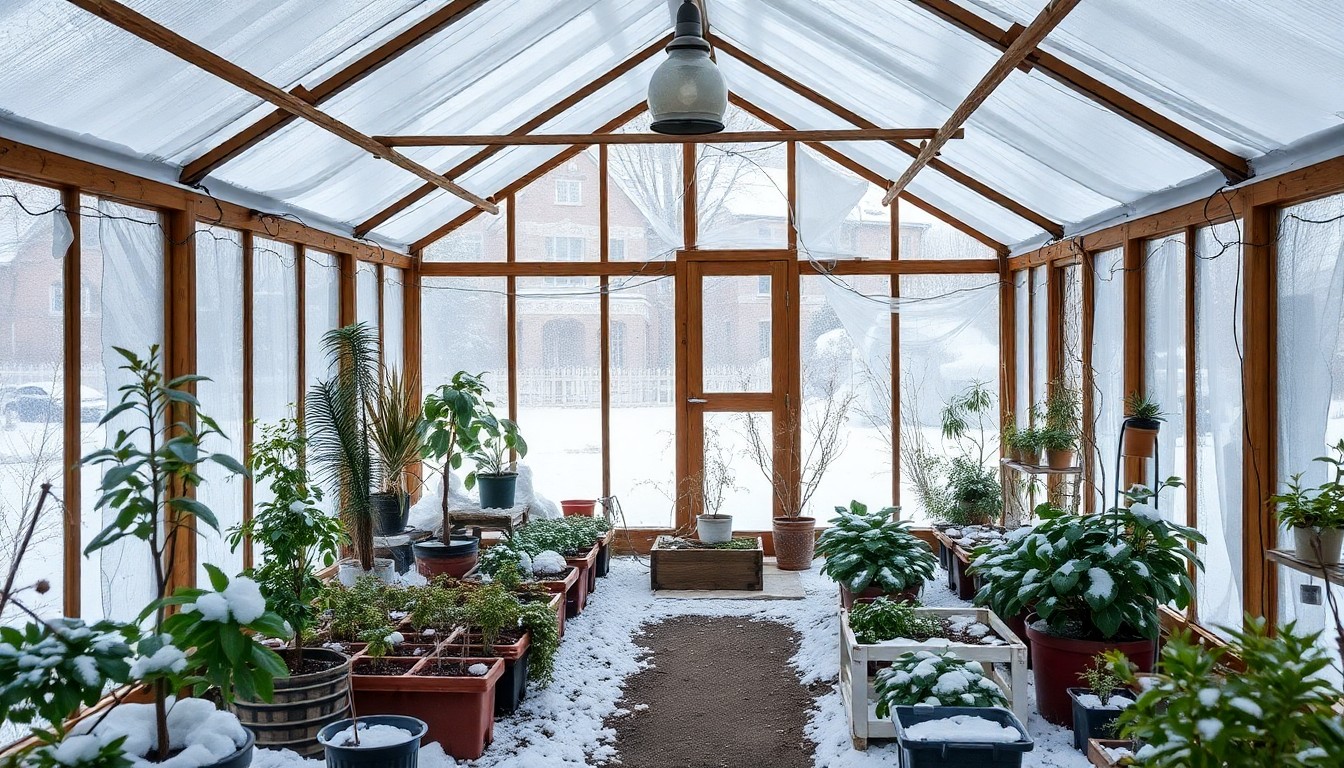
Want to keep growing through the coldest months? Discover how specialized winter greenhouses can transform your cold-season gardening. Our comprehensive guide helps you choose and optimize a greenhouse that stands up to winter's worst while keeping your plants thriving.
Table of Contents
- Winter Greenhouse Essentials
- Structural Requirements
- Insulation Solutions
- Heating Systems
- Ventilation Strategies
- Snow Management
- Cost Considerations
- Maintenance Requirements
- Winter Growing Tips
- Expert Recommendations
Winter Greenhouse Essentials
Understanding critical features for winter greenhouse success in an era of increasing climate volatility.
Key Requirements
- Robust construction for extreme weather
- Advanced insulation systems
- Redundant heating backup
- Enhanced snow load capacity (25%+ over historic norms)
- Smart moisture control with IoT monitoring
- Adaptive light optimization systems
Climate Change Adaptations (2025 Update)
Climate change is intensifying winter weather patterns, requiring greenhouse designs that can handle unprecedented extremes. The 2024-2025 winter seasons have shown:
-
Extreme Temperature Swings
- Rapid temperature drops of 40°F+ in 24 hours
- Heat retention during sudden cold snaps
- Thermal mass systems for temperature buffering
- Emergency heating protocols for power outages
-
Increased Extreme Weather Events
- Wind resistance up to 90+ mph (vs traditional 70 mph)
- Enhanced snow handling for 150%+ historic loads
- Ice storm damage prevention with reinforced glazing
- Storm surge protection for coastal installations
-
Deep Winter Greenhouse Technology Following University of Minnesota research, modern "Deep Winter Greenhouses" incorporate:
- Thermal mass systems: Rock bed heat storage maintaining 40-50°F without external heating
- Steep glazing walls: 60-70° angles for maximum winter sun capture
- Semi-closed greenhouse designs: Advanced climate control reducing heating costs by 60-80%
Essential heating systems for winter greenhouses
Updated January 2025 - Current heating equipment with verified performance for cold weather growing.
Digital thermostat heaters (most popular)
Buyplus Digital Thermostat Greenhouse Heater - $54.99
- Rating: 4.4/5 stars (1,500+ reviews)
- Why growers choose it: "Reliable temperature control," "Energy efficient," "Safety features"
- Key features: 1500W power, digital display, overheat protection
- Heating capacity: Up to 150 sq ft greenhouse space
- Energy cost: Approximately $0.15/hour at full power
- View on Amazon →
Spider Farmer Smart Grow Tent Heater - $69.99
- Rating: 4.3/5 stars (850+ reviews)
- Why growers choose it: "Smart temperature control," "24H timer," "Quiet operation"
- Key features: 530W power, 4 heating modes, extension hose
- Heating capacity: Up to 100 sq ft with precise control
- Energy cost: Approximately $0.08/hour at full power
- View on Amazon →
Budget heating solutions
VEVOR PTC Greenhouse Heater - $32.99
- Rating: 4.2/5 stars (650+ reviews)
- Why growers choose it: "Great value," "Fast heating," "Compact size"
- Key features: 1500W PTC heating, 3-speed fan, portable design
- Heating capacity: Up to 120 sq ft greenhouse space
- Energy cost: Approximately $0.15/hour at full power
- View on Amazon →
Solar heating options
Solar Greenhouse Heater - $33.99
- Rating: 4.0/5 stars (280+ reviews)
- Why growers choose it: "Zero operating cost," "Eco-friendly," "Easy installation"
- Key features: Solar powered, fast heating, no electricity needed
- Heating capacity: Supplemental heat for up to 80 sq ft
- Energy cost: $0 (solar powered)
- View on Amazon →
Premium infrared heaters
Wall Mounted Infrared Heater - $129.00
- Rating: 4.5/5 stars (420+ reviews)
- Why growers choose it: "Even heat distribution," "Wall mounted," "Instant warmth"
- Key features: 1500W infrared, adjustable temperature, 1-second warmth
- Heating capacity: Up to 200 sq ft with radiant heating
- Energy cost: Approximately $0.15/hour at full power
- View on Amazon →
Structural Requirements
Essential design elements for winter-ready greenhouses.
Frame Strength
-
Load Capacity
- Snow weight handling
- Wind resistance
- Structural integrity
- Support systems
-
Material Options
- Heavy-duty aluminum
- Galvanized steel
- Reinforced joints
- Support bars
Roof Design
-
Pitch Options
- Snow shedding angles
- Water management
- Light transmission
- Heat retention
-
Support Systems
- Cross bracing
- Ridge supports
- Purlin systems
- Corner reinforcement
Insulation Solutions
Effective methods for maintaining warmth.
Covering Materials
-
Double-Wall Polycarbonate
- Insulation value
- Light transmission
- Durability
- Installation methods
-
Glass Options
- Double glazing
- Thermal efficiency
- Clarity benefits
- Strength factors
Additional Insulation
-
Base Protection
- Foundation insulation
- Ground heat retention
- Frost prevention
- Moisture barriers
-
Wall Systems
- Bubble wrap layers
- Thermal screens
- Air gap creation
- Edge sealing
Heating Systems
Reliable heating solutions for winter growing.
Primary Heating
-
Electric Systems
- Fan heaters
- Infrared options
- Thermostat control
- Energy efficiency
-
Gas Options
- Propane systems
- Natural gas units
- Safety features
- Heat distribution
Backup Solutions
-
Emergency Systems (Critical for 2025 Climate Extremes)
- Multi-fuel portable heaters (propane/kerosene backup)
- Generator backup with automatic transfer switches
- Battery storage systems for extended outages
- Quick deployment heating for emergency response
-
Climate-Resilient Passive Heating
- Thermal mass systems: Water barrels, concrete floors, rock beds storing daytime heat
- Enhanced solar gain: Reflective materials directing light to thermal mass
- Phase change materials: Paraffin wax systems storing/releasing heat at optimal temperatures
- Earth coupling: Ground-source heat exchange reducing heating loads by 30-50%
Ventilation Strategies
Managing air flow while retaining heat.
Winter Ventilation
-
Controlled Exchange
- Heat retention
- Moisture control
- Air circulation
- Condensation management
-
Automated Systems
- Temperature sensors
- Humidity control
- Timer operation
- Smart management
Air Movement
-
Internal Circulation
- Fan placement
- Air flow patterns
- Dead spot prevention
- Heat distribution
-
Moisture Control
- Condensation prevention
- Humidity balance
- Air exchange rates
- Dew point management
Snow Management
Handling unprecedented snow loads in the climate change era.
Prevention Strategies (Updated for 2025 Extremes)
-
Enhanced Design Features
- Steeper roof pitch (minimum 45° vs traditional 30°)
- Reinforced support systems rated for 150% historic snow loads
- Active snow removal systems for extreme accumulation events
- Emergency load distribution with temporary support posts
-
Climate-Smart Active Management
- Real-time monitoring with snow load sensors and alerts
- Proactive removal before reaching 60% of design capacity
- De-icing systems preventing ice dam formation
- Emergency protocols for extreme weather warnings
Emergency Response (Critical Climate Preparedness)
-
Extreme Snow Event Plans
- Early warning systems linked to weather alerts
- Rapid response teams with emergency contact lists
- Temporary structural support deployment within 2 hours
- Professional engineering assessment for load-bearing capacity
-
Climate Resilience Recovery
- Immediate damage assessment with structural integrity focus
- Emergency winterization to prevent further damage
- Climate-adapted repairs upgrading to handle future extremes
- Long-term resilience planning incorporating climate projections
Cost Considerations
Investment analysis for winter greenhouse options.
Initial Costs
-
Structure Options
- Basic models
- Mid-range choices
- Premium solutions
- Custom designs
-
Essential Additions
- Heating systems
- Insulation materials
- Ventilation equipment
- Monitoring tools
Operating Expenses
-
Energy Costs
- Heating estimates
- Efficiency factors
- Usage patterns
- Conservation methods
-
Maintenance Needs
- Regular upkeep
- Replacement parts
- Professional services
- Emergency repairs
Maintenance Requirements
Essential upkeep for winter performance.
Regular Tasks
-
Daily Checks
- Temperature monitoring
- Moisture control
- Equipment function
- Plant health
-
Weekly Duties
- Snow removal
- System testing
- Structure inspection
- Repair assessment
Preventive Care
-
Fall Preparation
- Insulation check
- Seal inspection
- Equipment testing
- Supply stockpiling
-
Winter Monitoring
- Snow accumulation
- Ice formation
- Structure stress
- System performance
Winter Growing Tips
Maximizing plant success in winter conditions.
Crop Selection
-
Cold-Hardy Plants
- Winter vegetables
- Hardy herbs
- Cold-tolerant flowers
- Root crops
-
Growing Zones
- Temperature mapping
- Microclimate creation
- Plant placement
- Protection levels
Cultural Practices
-
Winter Care
- Watering adjustment
- Feeding schedules
- Light management
- Growth patterns
-
Problem Prevention
- Disease monitoring
- Pest control
- Stress reduction
- Environmental balance
Expert Recommendations
Professional advice for winter greenhouse success.
Top Choices
-
Best Overall
- Premium features
- Proven performance
- User satisfaction
- Value analysis
-
Budget Options
- Cost efficiency
- Essential features
- Upgrade potential
- Performance ratio
Special Considerations
-
Regional Factors
- Snow loads
- Wind exposure
- Temperature extremes
- Sun angles
-
Site-Specific Needs
- Space limitations
- Access requirements
- Utility availability
- Budget constraints
Conclusion
A well-chosen winter greenhouse can extend your growing season through the coldest months. Focus on structural strength, insulation, and reliable heating to create a protected environment for year-round gardening success.
Key Takeaways
- Choose appropriate strength
- Invest in insulation
- Plan heating carefully
- Manage snow loads
- Monitor constantly
- Maintain regularly
Additional Resources
Related Articles
- Greenhouse Heating Guide - Complete heating cost analysis and system selection
- Energy Efficient LED Grow Lights - Optimize winter lighting systems
- LED Lighting Schedule for Winter - Maximize winter growing success
Useful Tools
- Heating Cost Calculator - Calculate exact heating costs for your climate
- Greenhouse Size Calculator - Determine optimal winter greenhouse dimensions
- Temperature Monitoring Tools - Track and maintain optimal growing conditions
Need expert help with winter protection? Contact our specialists for professional consultation.