
Sierra Greenhouse Insights
Stacking Hydroponic Racks to Double Greenhouse Output
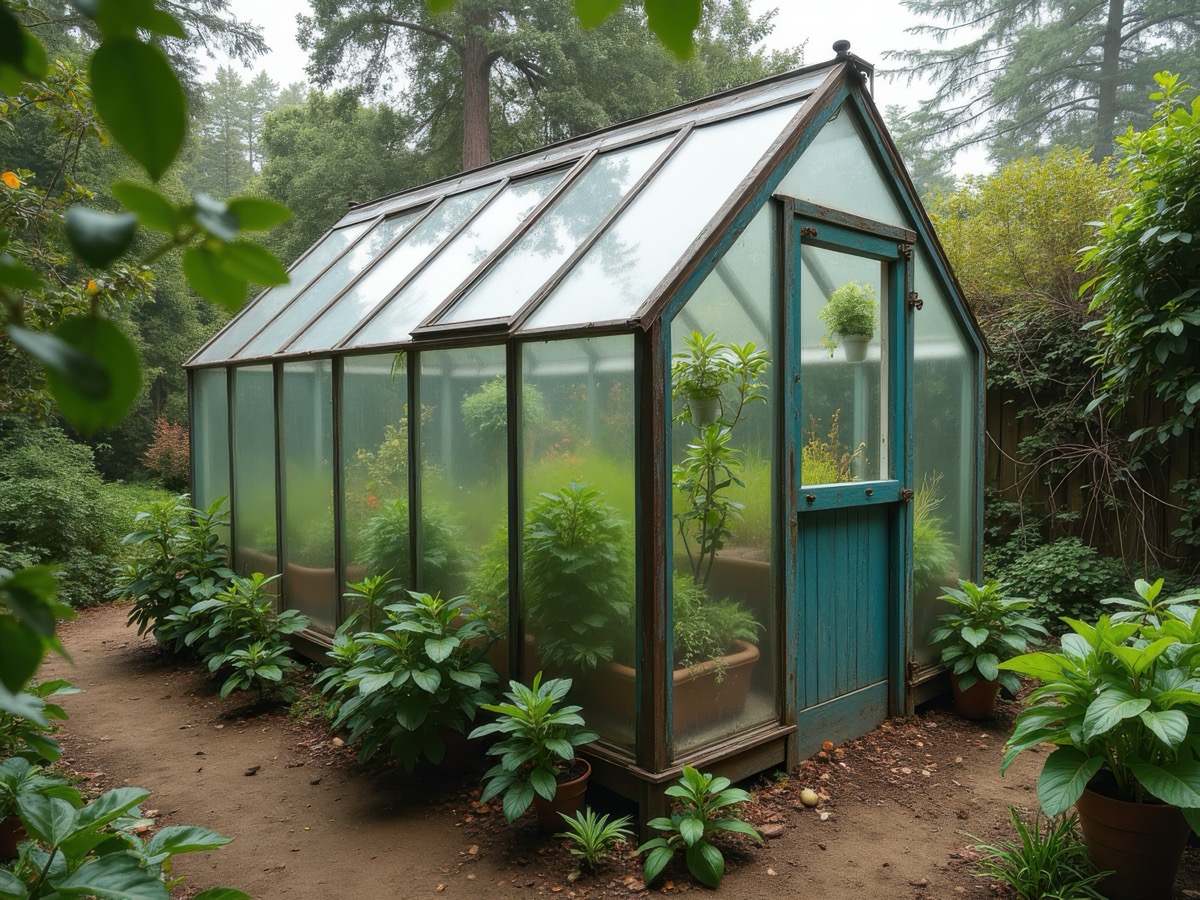
Maximizing greenhouse productivity without expanding your footprint becomes achievable through strategic vertical farming using multi-tier hydroponic rack systems. This comprehensive guide explores proven methods for implementing stacked growing systems that effectively double or even triple your harvest capacity while maintaining optimal growing conditions throughout all levels. For complete space optimization, see our greenhouse space optimization guide.
Understanding vertical space utilization
Calculating your greenhouse cubic potential
Most greenhouse structures utilize only 30-40% of available vertical space, leaving significant growing area untapped above traditional bench height. Standard greenhouses with 12-16 foot peaks can accommodate 3-5 growing tiers while maintaining adequate clearance for equipment and worker access.
Calculate your expansion potential by measuring from floor to lowest structural obstruction, subtracting 24 inches for top clearance and lighting fixtures. Divide remaining height by planned tier spacing (typically 18-24 inches) determining maximum rack levels feasible.
Consider load-bearing capacity when planning vertical systems. Most greenhouse frames support 15-25 pounds per square foot of additional dead load, though engineering consultation ensures structural safety with fully loaded racks.
Tier spacing optimization strategies
Optimal spacing between growing levels balances plant height requirements with light penetration and air circulation needs. Leafy greens and herbs thrive with 18-20 inch spacing, while fruiting crops like dwarf tomatoes require 24-30 inches.
Adjustable rack systems provide flexibility for crop rotation, allowing height modifications as plants mature or when switching between crop types. Initial investment in adjustable systems pays dividends through improved space utilization over fixed-height alternatives.
Account for worker ergonomics when determining tier heights. Bottom racks should sit 12-18 inches above floor level preventing back strain, while top tiers shouldn't exceed comfortable reaching height of 6-7 feet without platforms.
Rack system design considerations
Mobile versus stationary configurations
Mobile rack systems on wheels or tracks maximize flexibility, allowing aisle creation where needed while compacting unused sections. These systems increase usable growing space by 25-40% compared to fixed aisles but require smooth, level flooring.
Stationary racks cost less initially and handle heavier loads but lock you into permanent aisle configurations. Choose stationary systems for dedicated crop areas where layout changes remain unlikely.
Hybrid approaches combining mobile lower tiers with fixed upper levels balance flexibility and stability. This configuration allows ground-level access adjustments while maintaining secure upper growing areas for lighter crops.
Material selection for longevity
Aluminum rack frames resist corrosion in humid greenhouse environments while remaining lightweight for mobile applications. Though initially expensive, aluminum's 20+ year lifespan justifies investment through reduced replacement costs.
Galvanized steel provides exceptional strength for heavy crop loads at moderate cost but requires vigilant rust monitoring in high-humidity conditions. Apply protective coatings annually extending service life significantly.
Food-grade plastic components eliminate corrosion concerns while meeting organic certification requirements. HDPE or polypropylene rack surfaces withstand daily cleaning without degrading, though UV exposure limits outdoor durability.
Integration with irrigation systems
Design rack systems accommodating irrigation infrastructure from inception rather than retrofitting later. Central supply lines running along rack spines simplify distribution while minimizing visible plumbing.
Incorporate drip irrigation manifolds at each tier level ensuring uniform water distribution. Quick-disconnect fittings enable rapid system modifications when changing crop layouts or performing maintenance.
Plan drainage carefully preventing upper tier runoff from damaging lower plants. Guttered growing trays channel excess water to collection systems enabling recirculation in closed-loop operations.
Lighting strategies for multi-tier success
Supplemental LED placement
Each rack tier requires dedicated lighting compensating for shading from upper levels. Modern LED fixtures provide targeted photosynthetic photon flux density (PPFD) while minimizing heat generation that stresses plants in confined spaces.
Mount LED bars 12-16 inches above crop canopy adjusting height as plants grow. Achieve 200-400 μmol/m²/s for leafy greens, increasing to 400-600 μmol/m²/s for fruiting crops. Learn more about LED interlighting strategies.
Stagger lighting schedules between tiers reducing peak electrical demand. Sequential photoperiods maintain consistent daily light integral (DLI) while spreading power consumption across extended timeframes.
Inter-canopy lighting techniques
Vertical LED strips between plant rows supplement overhead fixtures, improving light penetration to lower leaves. This technique particularly benefits vine crops and tall herbs maximizing photosynthesis throughout entire plants.
Position inter-canopy lights to avoid direct contact with foliage preventing heat damage. Waterproof fixtures rated IP65 or higher withstand irrigation spray and high humidity conditions.
Program separate controls for overhead and inter-canopy lighting optimizing spectrum and intensity for different growth stages. Blue-enhanced spectrum during vegetative growth transitions to red-enhanced flowering spectrum automatically.
Environmental control challenges
Air circulation between tiers
Stacked growing systems create microclimates requiring active air movement preventing disease-promoting stagnation. Install horizontal airflow (HAF) fans at each tier level ensuring consistent temperature and humidity throughout. For automated climate control, explore our greenhouse automation guide.
Position fans to create circular airflow patterns avoiding direct wind on plants. Gentle continuous movement strengthens stems while preventing fungal establishment in still air pockets.
Variable speed controllers adjust airflow based on crop stage and environmental conditions. Young seedlings need minimal air movement while mature plants benefit from stronger circulation enhancing transpiration.
Temperature stratification management
Heat naturally rises creating temperature differentials between rack levels potentially stressing plants. Monitor temperatures at each tier adjusting heating/cooling to maintain uniformity within 2-3°F throughout vertical profile.
Install destratification fans near greenhouse peaks pushing warm air downward during heating seasons. Reverse airflow during cooling periods evacuating heat accumulation from upper growing areas.
Shade cloth deployed above top tiers reduces solar heat gain during summer months. Automated systems adjust shading based on light sensors maintaining optimal conditions without manual intervention.
Humidity control complexities
Multiple plant tiers increase transpiration rates challenging dehumidification systems. Size equipment for maximum crop load rather than floor area ensuring adequate moisture removal capacity.
Maintain 50-70% relative humidity through strategic ventilation and mechanical dehumidification. Excessive humidity promotes disease while insufficient moisture stresses plants reducing yields.
Install humidity sensors at multiple heights identifying problem areas requiring targeted intervention. Data logging reveals patterns enabling proactive adjustments before issues develop.
Crop selection for vertical systems
High-value leafy greens
Lettuce, spinach, and Asian greens generate premium returns in vertical systems through rapid turnover and minimal height requirements. These crops complete harvest cycles in 30-45 days enabling 8-12 crops annually per tier.
Select compact varieties bred for controlled environment agriculture maximizing plants per square foot. Mini-head lettuces yield individual serving sizes commanding restaurant premiums.
Implement succession planting schedules maintaining continuous harvest availability. Stagger seeding dates weekly ensuring consistent supply meeting market demands year-round.
Herb production optimization
Culinary herbs like basil, cilantro, and parsley thrive in vertical systems generating high revenue per square foot. These aromatic crops benefit from controlled environments producing superior flavor profiles.
Maintain slightly warmer temperatures (70-75°F) on herb tiers enhancing essential oil production. Increased terpene content translates to premium pricing from discerning chefs.
Harvest herbs frequently promoting bushy growth maximizing yield per plant. Pinching growing tips encourages lateral branching creating fuller plants with extended harvest windows.
Specialty crop opportunities
Microgreens represent ideal vertical farming crops requiring minimal space while generating exceptional returns. These nutrient-dense seedlings harvest in 7-14 days enabling rapid tier turnover.
Strawberries in gutter systems along rack edges utilize vertical space efficiently. Day-neutral varieties produce continuously in controlled environments justifying infrastructure investment.
Dwarf tomato varieties developed for container production adapt well to rack systems. Compact determinate plants stay under 24 inches while producing full-sized fruit.
Automation and labor efficiency
Conveyor integration systems
Automated conveyor systems transport planted trays between tiers reducing manual handling. These systems particularly benefit large operations where labor costs justify automation investment.
Design conveyors with gentle inclines preventing substrate shifting during transport. Variable speed controls accommodate different crop handling requirements from delicate seedlings to mature plants.
Incorporate barcode scanning tracking individual trays through production cycles. Data collection enables precise harvest scheduling and quality control documentation.
Seeding and harvesting equipment
Automated seeders designed for rack systems place seeds precisely in growing media reducing labor while improving germination uniformity. Vacuum seeders handle diverse seed sizes from tiny herbs to larger vegetable varieties.
Harvesting equipment adapted for vertical operations includes scissor lifts and specialized platforms accessing upper tiers safely. Ergonomic tools reduce worker fatigue during extended harvest sessions.
Consider semi-automated washing and packaging lines processing increased volumes from vertical production. Efficient post-harvest handling maintains quality while managing larger crop quantities.
Economic analysis and ROI
Installation cost considerations
Basic stationary rack systems cost $15-25 per square foot of growing area including structure and irrigation. Mobile systems increase costs to $30-45 per square foot but improve space utilization significantly.
LED lighting represents major expense at $0.50-1.00 per square foot per tier for quality fixtures. However, 50,000+ hour lifespans and declining prices improve investment economics annually.
Professional installation ensures proper assembly and code compliance adding 20-30% to equipment costs. DIY installation saves money but risks safety issues and suboptimal performance.
Productivity gains calculation
Conservative estimates show properly managed vertical systems doubling output per greenhouse square foot. Optimized operations achieve 3-5x productivity increases through careful crop selection and management.
Calculate revenue potential multiplying expected yield increases by crop values. Premium products like herbs and microgreens in vertical systems often generate $200-400 per square foot annually. Understand the economics of vertical expansion.
Factor reduced heating costs per unit of production as fixed overhead spreads across increased output. Energy efficiency improves 40-60% when calculated per pound of produce.
Payback period expectations
Well-designed vertical systems typically achieve full payback within 2-3 years through increased revenue and operational efficiencies. Premium market access accelerates returns for high-quality produce.
Government grants and utility rebates for energy-efficient agriculture reduce initial investment burden. Research available programs potentially covering 25-40% of project costs.
Consider phased implementation spreading costs while proving concept viability. Start with single crop type on partial greenhouse footprint expanding as experience and profits accumulate.
Vertical hydroponic rack systems transform greenhouse operations from horizontal ground-level production to three-dimensional growing environments. Success requires careful planning balancing infrastructure investment with crop selection and market opportunities. The dramatic productivity gains achievable through vertical farming justify the complexity for growers seeking to maximize returns from existing greenhouse facilities without costly expansions.