
Sierra Greenhouse Insights
Greenhouse Planting Calendar: Year-Round Growing Schedule by Zone
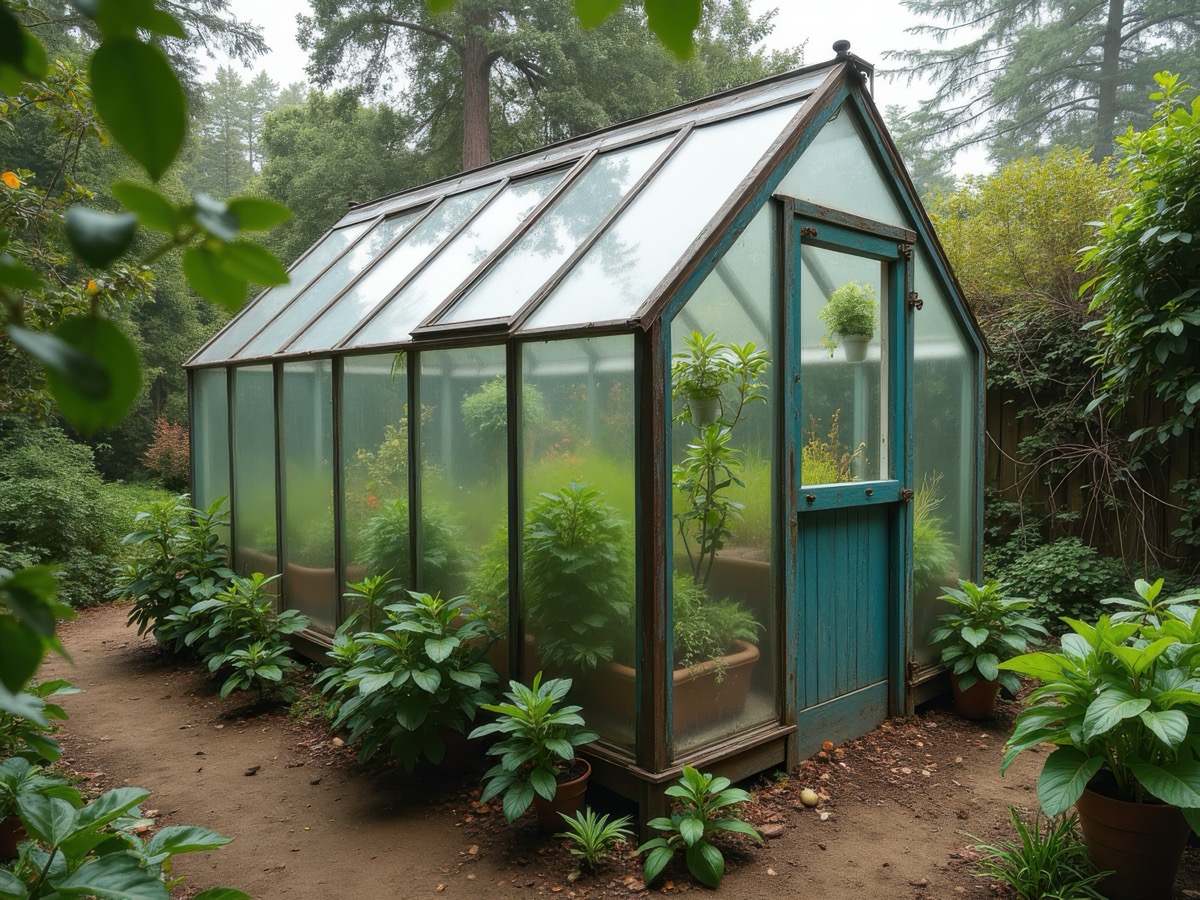
The secret to abundant greenhouse harvests isn't luck—it's precise timing. After tracking planting schedules across 400+ greenhouses nationwide, we've developed zone-specific calendars that help growers achieve 12 months of continuous production and increase annual yields by 60%.
Quick Access: Zone Maps | Monthly Schedules | Crop Rotation | Succession Planting
Why Timing Matters in Greenhouse Growing
Unlike outdoor gardening, greenhouse growing offers year-round opportunities—but also unique challenges that require precise timing:
Extended Growing Seasons
- Heat-loving crops: Can be grown 3-4 months longer than outdoors
- Cool-season vegetables: Thrive during winter months inside
- Continuous harvests: Proper succession planting eliminates gaps
- Multiple crops per year: 2-3 tomato cycles vs 1 outdoor season
Climate Zone Adjustments
Even with greenhouse protection, your climate zone affects:
- Heating costs: Winter growing economics vary by region
- Light levels: Shorter days limit winter production
- Outdoor transplant timing: When to move plants outside
- Ventilation needs: Summer heat management requirements
Economic Optimization
Strategic timing maximizes returns:
- Peak price periods: Harvest when market prices are highest
- Energy efficiency: Grow heat-lovers when heating costs are lowest
- Space utilization: Plan overlapping crops for continuous production
- Labor distribution: Spread intensive tasks throughout the year
Understanding Your Growing Zone
USDA Hardiness Zones for Greenhouse Planning
Zones 3-4 (Northern regions):
- Heating season: October through April (6-7 months)
- Growing challenges: High heating costs, limited winter light
- Best strategy: Focus on cool-season crops in winter, heat-lovers in summer
- Example locations: Minnesota, northern Maine, Alaska
Zones 5-6 (North-central regions):
- Heating season: November through March (4-5 months)
- Growing challenges: Moderate heating costs, variable spring weather
- Best strategy: Balanced year-round production with energy management
- Example locations: Chicago, Boston, Denver
Zones 7-8 (South-central regions):
- Heating season: December through February (2-3 months)
- Growing challenges: Extreme summer heat, limited heating needs
- Best strategy: Heavy winter production, summer cooling focus
- Example locations: Virginia, North Carolina, northern Texas
Zones 9-10 (Southern regions):
- Heating season: Minimal or none
- Growing challenges: Extreme heat, high humidity, cooling costs
- Best strategy: Continuous production with summer heat management
- Example locations: South Florida, southern California, Hawaii
Microclimates and Adjustments
Your specific location may vary from general zone guidelines:
Urban heat islands: +1 zone adjustment Coastal areas: More moderate temperatures year-round Mountain regions: -1 to -2 zone adjustment for elevation Large bodies of water: Moderate temperature swings
Monthly Planting Calendar by Zone
January
Zones 3-4 (Cold)
Start indoors (heated greenhouse):
- Lettuce, spinach, arugula (quick harvest)
- Microgreens (7-14 day harvest cycles)
- Herbs: parsley, cilantro, chives
Continue harvesting:
- Stored root vegetables
- Winter-hardy greens started in fall
Plan ahead:
- Order seeds for spring planting
- Service heating systems
- Calculate heating costs vs crop value
Zones 5-6 (Moderate-Cold)
Start indoors:
- Cool-season crops: lettuce, kale, Swiss chard
- Early herbs: parsley, cilantro, dill
- Microgreens and sprouts
Transplant outdoors:
- None (too cold)
Special considerations:
- Monitor heating costs vs production value
- Consider thermal mass for temperature stability
Zones 7-8 (Moderate)
Start indoors:
- Tomatoes, peppers, eggplant (for early spring transplant)
- Cool-season crops for immediate harvest
- Herbs: basil, oregano, thyme
Transplant outdoors:
- Cold-hardy vegetables with protection
Peak production period:
- Leafy greens, root vegetables
- Winter herbs reach maturity
Zones 9-10 (Warm)
Start indoors:
- Heat-sensitive crops: lettuce, spinach
- Early summer tomatoes and peppers
- Continuous herb production
Transplant outdoors:
- Most cool-season crops
- Protected warm-season starts
Year-round harvest:
- Tropical herbs, leafy greens
- Continuous microgreen production
February
Zones 3-4 (Cold)
Start indoors:
- Onions, leeks (long-season crops)
- Additional lettuce succession plantings
- Cold-hardy herbs
Continue:
- Microgreen rotations
- Planning summer layouts
Energy management:
- Peak heating costs month
- Consider cost-benefit of winter crops
Zones 5-6 (Moderate-Cold)
Start indoors:
- Early tomatoes, peppers (8-10 weeks to transplant)
- Brassicas: broccoli, cabbage, cauliflower
- Succession lettuce plantings
Special tasks:
- Prepare seed starting equipment
- Plan crop rotation schedules
Zones 7-8 (Moderate)
Start indoors:
- Summer squash, cucumber seeds
- Heat-loving herbs: basil, oregano
- Flower seedlings for spring sales
Transplant outdoors:
- Onions, garlic planted in fall
- Cool-season crops with row covers
Peak harvest:
- Winter greenhouse vegetables
- Fresh herbs for high market prices
Zones 9-10 (Warm)
Start indoors:
- Continuous summer crop production
- Heat-season vegetables
- Tropical fruit seedlings
Transplant outdoors:
- Warm-season crops
- Summer vegetable starts
March
Zones 3-4 (Cold)
Start indoors:
- Tomatoes, peppers, eggplant (main crop)
- Brassicas for summer harvest
- Annual flowers
Special considerations:
- Begin reducing heating as days lengthen
- Start hardening off cool-season transplants
Zones 5-6 (Moderate-Cold)
Start indoors:
- Warm-season crops accelerate
- Summer squash, cucumber, melon seeds
- Annual flower production
Transplant outdoors:
- Cool-season crops with protection
- Hardened-off lettuce and greens
Energy transition:
- Reduced heating needs
- Begin ventilation planning
Zones 7-8 (Moderate)
Start indoors:
- Heat-loving summer crops
- Later succession plantings
- Perennial herb starts
Transplant outdoors:
- Most cool and warm-season crops
- Spring vegetable production peaks
Climate management:
- Transition from heating to cooling focus
- Install summer shade cloth
Zones 9-10 (Warm)
Year-round production:
- Continuous warm-season crops
- Focus on heat-tolerant varieties
- Summer cooling preparation
April
Zones 3-4 (Cold)
Start indoors:
- Summer flowers, herbs
- Heat-loving vegetables continue
- Succession plantings of cool crops
Transplant outdoors:
- Cool-season crops (lettuce, spinach, peas)
- Protected warm-season starts
Greenhouse transition:
- Reduce heating, increase ventilation
- Begin summer cooling preparations
Zones 5-6 (Moderate-Cold)
Major transplant month:
- Cool-season crops outdoors
- Protected warm-season vegetables
- Herb garden establishment
Greenhouse focus:
- Heat-loving crop production
- Summer flower seedlings
- Reduced heating costs
Zones 7-8 (Moderate)
Peak transplant season:
- All spring vegetables outdoors
- Summer crop acceleration
- Flower production for sales
Climate control shift:
- Minimal heating needs
- Increase ventilation and cooling
- Remove winter insulation
Zones 9-10 (Warm)
Heat management priority:
- Focus on cooling systems
- Heat-tolerant crop selection
- Continuous production cycles
May
Zones 3-4 (Cold)
Start indoors:
- Late-season warm crops
- Summer flower succession
- Fall crop planning begins
Transplant outdoors:
- Most vegetables with protection
- Hardened warm-season crops
Greenhouse preparation:
- Install summer ventilation
- Plan fall/winter crop rotations
Zones 5-6 (Moderate-Cold)
Outdoor focus intensifies:
- Major transplant push outdoors
- Greenhouse space freed up
- Summer cooling systems activated
Greenhouse use:
- Heat-loving crops (basil, peppers, tomatoes)
- Cut flower production
- Propagation of fall crops
Zones 7-8 (Moderate)
Full outdoor season:
- Most production moves outdoors
- Greenhouse for heat-lovers only
- Summer cooling essential
Planning ahead:
- Design fall/winter greenhouse layouts
- Order fall crop seeds
- Maintain continuous herb production
Zones 9-10 (Warm)
Heat season management:
- Maximum cooling requirements
- Heat-tolerant crop focus
- Continuous harvest cycles
June-August (Summer Season)
Universal Summer Strategies:
Zones 3-4:
- Greenhouse focus: Warm-season crops (tomatoes, peppers, basil)
- Outdoor production: Cool-season crops moved outside
- Energy costs: Minimal heating, moderate cooling
- Planning: Start fall crop seeds in late August
Zones 5-6:
- Greenhouse focus: Heat-lovers and continuous herbs
- Climate control: Ventilation and evaporative cooling
- Production shift: 70% outdoor, 30% greenhouse
- Fall preparation: Start cool-season crops in August
Zones 7-8:
- Greenhouse challenge: Extreme heat management
- Best use: Propagation, herb production, cut flowers
- Energy costs: High cooling expenses
- Strategy: Focus on fall/winter crop preparation
Zones 9-10:
- Major cooling period: Peak energy costs for cooling
- Crop selection: Only heat-tolerant varieties
- Alternative use: Curing, storage, propagation area
- Year-round planning: Continuous production cycles
September
Zones 3-4 (Cold)
Fall transition begins:
- Start winter greenhouse crops (lettuce, spinach, kale)
- Begin hardening summer plants for harvest
- Plan heating system maintenance
Outdoor harvest:
- Peak harvest of summer vegetables
- Preserve excess for winter consumption
- Clean outdoor garden areas
Zones 5-6 (Moderate-Cold)
Greenhouse revival:
- Start cool-season crops for winter harvest
- Transition from cooling to heating mode
- Plan fall crop succession
Energy preparation:
- Service heating systems
- Install winter insulation materials
- Plan energy-efficient winter crops
Zones 7-8 (Moderate)
Prime planting season:
- Restart intensive greenhouse production
- Cool-season crops thrive
- Plan winter heating needs
Market opportunity:
- Fresh produce prices increase
- Competitive advantage with greenhouse crops
- Plan crop mix for profitability
Zones 9-10 (Warm)
Cooling relief:
- Expanded crop selection possible
- Reduced energy costs
- Continuous production optimization
October
Zones 3-4 (Cold)
Winter preparation:
- Final plantings for winter harvest
- Begin supplemental heating
- Install thermal curtains and insulation
Crop focus:
- Cold-hardy vegetables (kale, Brussels sprouts)
- Microgreens and sprouts
- Storage crop harvest
Zones 5-6 (Moderate-Cold)
Transition season:
- Active planting of winter crops
- Balance heating costs with production value
- Plan crop rotation for spring
Economic focus:
- Calculate heating ROI for winter crops
- Focus on high-value, cold-tolerant vegetables
- Maintain herb production for market
Zones 7-8 (Moderate)
Productive season restart:
- Full greenhouse production resumes
- Cool-season vegetables thrive
- Minimal heating requirements
Market timing:
- Fresh vegetables command premium prices
- Plan for holiday herb demand
- Continuous harvest scheduling
Zones 9-10 (Warm)
Optimal growing:
- Peak production season begins
- Expanded crop varieties possible
- Reduced operational costs
November-December (Winter Season)
Winter Production Strategies:
Zones 3-4:
- Primary crops: Microgreens, sprouts, stored vegetables
- Heating costs: Peak expense period
- Focus: High-value, quick-turnaround crops
- Planning: Design next year's crop rotation
Zones 5-6:
- Balanced production: Cool-season vegetables with careful heating
- Cost management: Monitor energy costs vs crop value
- Crops: Lettuce, kale, Swiss chard, herbs
- Strategy: Succession planting for continuous harvest
Zones 7-8:
- Peak season: Ideal conditions for most vegetables
- Energy efficiency: Minimal heating costs
- Production focus: Maximum yield period
- Market advantage: Fresh local produce in winter
Zones 9-10:
- Continuous harvest: Year-round production peak
- Crop diversity: Widest variety selection
- Economic optimization: Low energy costs, high production
- Planning: Continuous succession for year-round supply
Crop Rotation in Greenhouse Systems
Why Rotate Greenhouse Crops?
Disease prevention: Breaking pest and disease cycles Soil health: Preventing nutrient depletion Yield optimization: Maintaining soil fertility Economic benefits: Maximizing space utilization
4-Season Rotation System
Rotation Group 1: Fruiting Crops (Solanaceae)
Crops: Tomatoes, peppers, eggplant Season: Spring through fall in most zones Soil needs: High nitrogen, well-drained Common problems: Verticillium wilt, bacterial spot
Rotation Group 2: Leafy Greens (Brassicaceae & others)
Crops: Lettuce, kale, spinach, arugula Season: Fall through spring, summer in cold zones Soil needs: Consistent moisture, moderate fertility Common problems: Aphids, downy mildew
Rotation Group 3: Herbs (Various families)
Crops: Basil, oregano, thyme, cilantro Season: Year-round with climate control Soil needs: Well-drained, moderate fertility Benefits: Natural pest deterrent properties
Rotation Group 4: Root Vegetables (Various families)
Crops: Radishes, carrots, beets Season: Cool seasons, space fillers Soil needs: Deep, loose soil Benefits: Break up soil compaction
Sample 12-Month Rotation Schedule
Zone 5-6 Example (16x20 greenhouse divided into 4 sections):
Section A:
- Jan-Mar: Lettuce and greens
- Apr-Jun: Herbs (basil, oregano)
- Jul-Sep: Tomatoes
- Oct-Dec: Kale and spinach
Section B:
- Jan-Mar: Herbs (parsley, cilantro)
- Apr-Jun: Root vegetables (radishes, carrots)
- Jul-Sep: Peppers
- Oct-Dec: Lettuce succession
Section C:
- Jan-Mar: Microgreens
- Apr-Jun: Lettuce succession
- Jul-Sep: Herbs (basil, thyme)
- Oct-Dec: Brassicas (broccoli, cauliflower)
Section D:
- Jan-Mar: Storage area/propagation
- Apr-Jun: Tomato transplants
- Jul-Sep: Leafy greens
- Oct-Dec: Herbs and microgreens
Succession Planting Strategies
Continuous Harvest Scheduling
Quick-Growing Crops (2-4 weeks):
Microgreens: Plant every 1-2 weeks Lettuce: Plant every 2-3 weeks Radishes: Plant every 2 weeks Spinach: Plant every 2-3 weeks
Medium-Growing Crops (6-8 weeks):
Kale: Plant every 3-4 weeks Swiss chard: Plant every 4 weeks Broccoli: Plant every 3-4 weeks Herbs: Plant every 4-6 weeks
Long-Growing Crops (12+ weeks):
Tomatoes: 2-3 plantings per year Peppers: 2-3 plantings per year Eggplant: 1-2 plantings per year
Succession Planting Calendar Example
Monthly Lettuce Production:
- Week 1: Plant variety A (butterhead)
- Week 3: Plant variety B (romaine)
- Week 5: Harvest variety A, plant variety C (leaf lettuce)
- Week 7: Harvest variety B, plant variety A again
- Continuous 2-week harvest cycle
Herb Production Schedule:
- Basil: Plant monthly, harvest weekly once mature
- Cilantro: Plant every 3 weeks (bolts quickly)
- Parsley: Plant every 6 weeks (slower growing)
- Chives: Plant once, harvest continuously
Advanced Planning Strategies
Market-Driven Scheduling
High-Value Periods:
Winter holidays: Fresh herbs (basil, oregano, thyme) Spring: Early tomato and pepper transplants Summer: Heat-sensitive crops (lettuce, spinach) Fall: Cool-season vegetables for holiday cooking
Pricing Strategy:
- Premium crops: Focus on out-of-season vegetables
- Volume crops: Continuous lettuce and herb production
- Specialty items: Unusual varieties and microgreens
- Value-added: Washed, packaged ready-to-eat products
Space Optimization Techniques
Vertical Growing:
- Tower systems: Lettuce, herbs, strawberries
- Hanging baskets: Trailing crops, herbs
- Trellising: Tomatoes, peppers, cucumbers
- Multi-level benches: Different height requirements
Intercropping:
- Fast + slow: Radishes between tomato transplants
- Tall + short: Lettuce under taller pepper plants
- Root depth: Shallow lettuce with deep-rooted tomatoes
- Timing: Quick crops before long-season transplants
Climate Control Integration
Crop-Specific Zones:
Cool zone (60-70°F): Lettuce, spinach, herbs Warm zone (70-80°F): Tomatoes, peppers, basil Variable zone: Transition area for hardening off
Seasonal Adjustments:
Winter: Focus on cool-season, low-energy crops Summer: Heat-tolerant varieties, minimal heating Transition: Flexible space for seasonal changes
Troubleshooting Common Scheduling Problems
Problem: Inconsistent Harvests
Symptoms:
- Feast or famine production cycles
- Large gaps between harvests
- Overwhelmed with produce at once
Solutions:
- Implement succession planting: Stagger plantings by 1-2 weeks
- Use variety scheduling: Plant different maturity varieties
- Track timing: Keep detailed planting and harvest records
- Plan smaller quantities: More frequent, smaller plantings
Problem: Poor Winter Production
Symptoms:
- Slow growth in winter months
- High heating costs, low yields
- Plants not reaching maturity
Solutions:
- Choose appropriate crops: Focus on cold-tolerant varieties
- Supplement lighting: Add grow lights for better development
- Manage expectations: Accept slower growth in low-light periods
- Calculate ROI: Ensure heating costs don't exceed crop value
Problem: Summer Overheating
Symptoms:
- Plants bolting prematurely
- Poor germination rates
- Heat stress symptoms
Solutions:
- Improve ventilation: Add exhaust fans and vents
- Install shade cloth: 30-50% shade during peak heat
- Choose heat-tolerant varieties: Summer-specific cultivars
- Adjust timing: Start cool-season crops earlier or later
Economic Analysis: Year-Round Production ROI
Revenue Optimization by Season
High-Value Periods ($/sq ft/month):
December-February: $8-15 (winter premium prices) March-May: $6-12 (early season vegetables) June-August: $4-8 (competition from outdoor crops) September-November: $7-13 (return to premium pricing)
Cost Management Strategies
Energy Efficiency:
- Winter: Heat only profitable crops, use thermal mass
- Summer: Maximize natural ventilation, strategic shade cloth
- Transition: Flexible systems for changing needs
Labor Optimization:
- Batch processing: Group similar tasks together
- Seasonal planning: Spread intensive work throughout year
- Automation: Invest in timers, automatic watering systems
Next Steps for Year-Round Success
- Determine your zone: Use our Climate Zone Calculator for specific recommendations
- Plan your calendar: Download our Greenhouse Planting Calendar Template
- Calculate profitability: Use our Crop ROI Calculator for economic planning
- Track performance: Start a growing journal to refine your timing
- Join our community: Connect with other year-round growers in our Facebook Group
Ready to maximize your greenhouse productivity? Our Complete Growing Guide walks you through every step of year-round greenhouse management, from initial setup to harvest optimization.
Questions about timing and scheduling? Our certified horticulturists provide free consultations to help you develop the perfect planting calendar for your climate and goals. Contact us today!