
Sierra Greenhouse Insights
Retrofit Greenhouses with Rotating Growing Towers
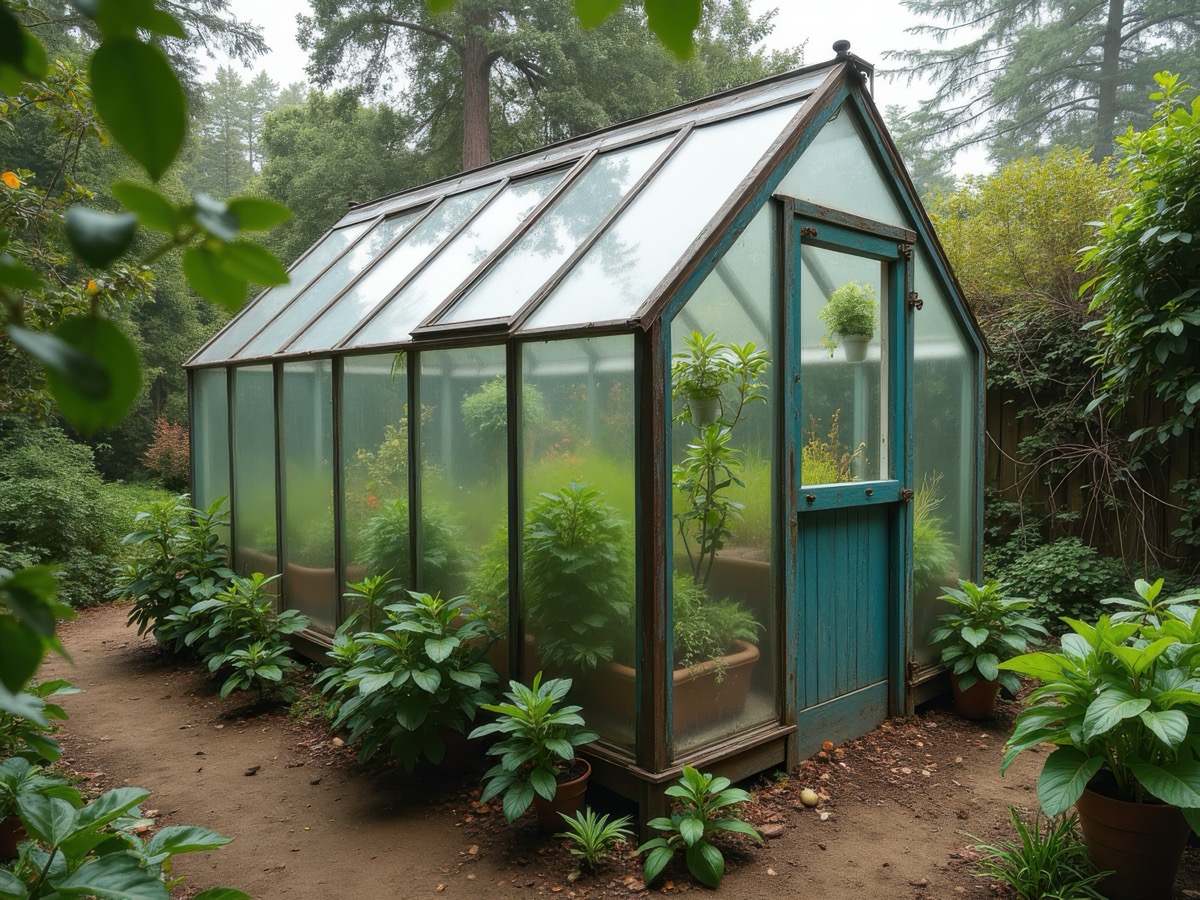
Transforming existing greenhouse space through rotating tower installations represents one of the most efficient methods for dramatically increasing production capacity without costly structural expansions. This comprehensive guide details the planning, installation, and management of motorized rotating tower systems that can boost your growing capacity by 300% or more while ensuring optimal light exposure for all plants. For other vertical solutions, explore stacking hydroponic racks.
Understanding rotating tower technology
How rotation enhances growth
Rotating tower systems solve the fundamental challenge of vertical farming: uneven light distribution. By slowly rotating plants through 360 degrees, every growing position receives equal light exposure throughout the day, eliminating weak spots common in stationary vertical systems.
The gentle rotation movement, typically 1-2 revolutions per hour, stimulates plant stems developing stronger structures capable of supporting heavier fruit loads. This mechanical stress mimics natural wind movement promoting robust growth characteristics.
Continuous repositioning prevents phototropism where plants lean toward light sources, maintaining uniform canopy development. Symmetrical growth patterns improve both aesthetic quality and harvestable yields across all tower positions.
Mechanical systems overview
Modern rotating towers utilize low-voltage DC motors drawing minimal power while providing reliable operation. Gear reduction systems deliver appropriate rotation speeds while handling substantial plant loads up to 200 pounds per tower.
Slip ring connections enable continuous rotation without tangling irrigation lines or electrical connections. These specialized connectors maintain water flow and power transmission through unlimited revolutions.
Safety features include obstruction sensors stopping rotation if resistance exceeds normal parameters. This prevents damage from tangled vines or maintenance tools accidentally left in rotation paths.
Retrofit planning and assessment
Structural evaluation requirements
Begin by assessing existing greenhouse frame capacity for additional suspended loads. Each rotating tower system typically weighs 50-100 pounds empty, increasing to 200-300 pounds when fully planted and irrigated.
Examine roof members identifying optimal mounting points distributing weight across multiple structural elements. Most greenhouse frames accommodate 15-25 pounds per square foot of additional loading when properly distributed.
Consider wind loads on tall rotating structures, particularly in older greenhouses not designed for vertical growing systems. Engineering consultation ensures safe installation without compromising structural integrity.
Space utilization analysis
Map existing greenhouse layout identifying underutilized vertical space suitable for tower placement. Areas with 10+ foot clearance to roof structure provide ideal locations maximizing tower height.
Calculate spacing requirements allowing 4-6 foot diameter circles for tower rotation without interference. This includes clearance for plant growth extending beyond tower structures.
Plan access paths for maintenance and harvesting considering tower placement won't impede normal greenhouse operations. Strategic positioning maintains workflow efficiency while maximizing growing area.
Infrastructure compatibility
Evaluate existing electrical systems determining capacity for motor loads and supplemental lighting. Rotating towers typically require 20-50 watts per motor plus additional circuits for integrated LED lighting.
Assess irrigation system pressure and flow rates ensuring adequate supply for tower-mounted drip or aeroponic systems. Most towers require 0.5-2 gallons per minute depending on plant load and environmental conditions.
Review environmental control systems verifying capacity for increased plant transpiration loads. Additional biomass from vertical growing may require ventilation or dehumidification upgrades.
Tower system selection
Aeroponic versus hydroponic options
Aeroponic towers deliver nutrient mist directly to exposed roots maximizing oxygen availability and growth rates. These systems excel with leafy greens and herbs achieving 30-40% faster growth than traditional hydroponics.
Hydroponic media-based towers provide more forgiving moisture management suitable for beginning vertical growers. Coconut coir or rockwool-filled systems buffer against pump failures protecting crops.
Hybrid systems combining periodic flooding with aeroponic misting intervals offer advantages of both approaches. Versatility accommodates diverse crop types within single tower structures.
Size and capacity considerations
Standard 6-foot towers accommodate 20-40 plants depending on spacing and crop type. Lettuce and herbs thrive at higher densities while fruiting crops require wider spacing.
Taller 8-10 foot towers maximize vertical space but complicate harvesting access for upper levels. Consider mechanized platforms or ladder systems for efficient crop management.
Modular tower designs enable height adjustments as crops mature or when switching between crop types. Flexibility extends system usefulness across diverse production scenarios.
Motor and control specifications
Select motors rated for continuous duty operation in humid greenhouse environments. Sealed bearings and corrosion-resistant housings ensure longevity despite challenging conditions.
Variable speed controls allow rotation rate adjustments optimizing growth for different crops. Slower speeds suit vine crops while faster rotation benefits compact leafy greens. Integrate with greenhouse automation systems for optimal control.
Programmable controllers enable scheduled rotation patterns including periodic reversals preventing irrigation line tangling. Advanced systems integrate with environmental controls coordinating rotation with lighting cycles.
Installation procedures
Mounting system construction
Install primary support beams spanning greenhouse bays using 2-inch galvanized steel or aluminum channels. Position beams perpendicular to existing rafters distributing loads across multiple structural members.
Mount bearing assemblies at 6-8 foot intervals along support beams using adjustable brackets accommodating structural irregularities. Precise alignment ensures smooth rotation without binding.
Include safety cables as secondary support preventing catastrophic failure if primary mountings loosen. Redundant systems protect valuable crops and worker safety during operation.
Tower assembly and balancing
Assemble tower frames following manufacturer specifications ensuring all connections remain secure under rotational forces. Use thread-locking compounds on critical fasteners preventing loosening during operation.
Balance towers before adding plants by adjusting component positions minimizing eccentric loads. Proper balance reduces motor strain and extends equipment life significantly.
Install plant holders or growing ports maintaining symmetrical patterns around tower circumference. Even distribution prevents wobbling during rotation that stresses mounting systems.
Irrigation integration
Route supply lines through tower center using specialized rotating unions maintaining flow during operation. Quality unions rated for agricultural use prevent leaks common with industrial alternatives.
Install drip emitters or spray nozzles at each growing position ensuring uniform water distribution. Pressure-compensating emitters maintain consistent flow regardless of elevation differences.
Include filtration systems preventing emitter clogging from mineral deposits or biological growth. Automated flushing cycles maintain system performance between thorough cleanings.
Crop selection strategies
High-value leafy greens
Lettuce varieties perform exceptionally in rotating towers with 25-30 day crop cycles enabling 12+ harvests annually. Select compact butterhead and romaine cultivars maximizing plants per tower.
Specialty greens like arugula, mizuna, and tatsoi command premium prices justifying vertical production investments. These fast-growing crops establish quickly in tower systems.
Baby leaf production harvesting at 3-4 inches provides highest revenue per square foot. Multiple cuts from single plantings extend harvest windows improving profitability.
Herb production optimization
Basil thrives in rotating towers with increased essential oil production from optimal light exposure. Genovese and compact Greek varieties suit vertical spacing requirements.
Cilantro succeeds with succession plantings every two weeks ensuring continuous harvest availability. Slow-bolt varieties extend harvest periods in controlled environments.
Mint species contained in tower systems prevent aggressive spreading while providing year-round harvest potential. Chocolate, orange, and apple mint varieties offer unique market opportunities.
Strawberry cultivation
Day-neutral strawberry varieties produce continuously in controlled environment towers. Albion and Seascape cultivars adapt well to vertical hydroponic production.
Position strawberry plants allowing fruit to hang freely preventing moisture-related diseases. Rotating exposure ensures even ripening and color development.
Expect 1-2 pounds per plant annually in optimized tower systems with premium quality commanding $8-12 per pound in local markets.
Environmental optimization
Supplemental lighting strategies
Install LED strips vertically along tower supports providing inter-canopy lighting as plants rotate past. This supplements overhead lighting ensuring complete coverage.
Program lighting to coordinate with rotation patterns maximizing photosynthetic efficiency. Plants receive varied light angles simulating natural conditions.
Use full-spectrum LEDs providing 100-200 μmol/m²/s supplemental lighting for leafy crops. Increase to 200-300 μmol/m²/s for fruiting crops requiring higher light levels. Learn about advanced LED interlighting techniques for towers.
Climate control adaptations
Position horizontal airflow fans creating circular patterns around rotating towers. Air movement prevents stagnant pockets while strengthening plant stems through mechanical stress.
Monitor temperatures at multiple tower heights adjusting heating/cooling to maintain uniformity. Vertical temperature gradients affect growth rates requiring targeted management.
Install misting systems on timers providing evaporative cooling during peak heat periods. Fine mist doesn't interfere with rotation while effectively reducing temperatures.
Nutrient management systems
Size reservoirs calculating 1-2 gallons per plant ensuring stable nutrient concentrations. Larger volumes buffer against rapid changes during heavy feeding periods.
Implement automated dosing maintaining optimal EC and pH levels as tower plants consume nutrients. Precision control maximizes growth while minimizing waste.
Position sensors at multiple tower levels monitoring solution characteristics throughout vertical profile. Adjustment ensures uniform nutrition despite elevation differences.
Maintenance and troubleshooting
Routine service requirements
Lubricate motor bearings and drive components monthly using food-grade lubricants suitable for greenhouse environments. Regular maintenance prevents premature wear and unexpected failures.
Inspect mounting hardware quarterly tightening connections loosened by continuous vibration. Document torque values ensuring consistent maintenance standards.
Clean irrigation emitters between crops removing mineral deposits and biological buildup. Soaking in citric acid solution dissolves accumulations restoring proper flow rates.
Common operational issues
Address unusual noises immediately as they often indicate developing problems. Grinding sounds suggest bearing wear while clicking indicates loose components requiring attention.
Monitor rotation speed variations that signal motor problems or excessive loading. Gradual speed reductions often precede motor failures allowing preventive replacement.
Check for plant material interfering with rotation mechanisms. Vigorous growth can entangle in drive systems requiring regular pruning maintenance.
System optimization techniques
Adjust rotation speeds seasonally accounting for changing day lengths and light intensities. Slower winter rotation compensates for reduced natural lighting.
Balance plant loads maintaining even weight distribution as crops mature. Selective harvesting prevents overloading individual tower sections.
Document successful crop combinations and spacing patterns optimizing future plantings. Experience-based refinements improve system productivity over time.
Economic analysis
Installation cost breakdown
Basic rotating tower kits range $500-1,500 per unit depending on height and features. Commercial-grade systems with advanced controls reach $2,000-3,000 per tower.
Professional installation adds 30-50% to equipment costs but ensures proper mounting and integration. DIY installation saves money but risks suboptimal performance.
Infrastructure upgrades including electrical and irrigation modifications typically add $50-100 per tower to project costs.
Production capacity gains
Each 6-foot rotating tower produces equivalent yields to 20-30 square feet of traditional bench space. This translates to 200-300% capacity increases in retrofitted areas.
Premium crop selection and year-round production in towers generate $1,000-2,000 annual revenue per tower. Payback periods typically span 12-18 months with efficient operations. Understand the complete economics of vertical expansion.
Labor savings from centralized harvesting and automated irrigation reduce operating costs 20-30% compared to traditional layouts.
ROI optimization strategies
Phase installations starting with high-value crops proving system profitability before major expansion. Success with premium markets justifies additional tower investments.
Negotiate volume discounts when purchasing multiple tower systems. Manufacturers often provide 15-25% savings on orders exceeding 10 units.
Research available grants for sustainable agriculture technology adoption. Many programs support vertical farming innovations reducing initial investment burdens.
Retrofitting existing greenhouses with rotating tower systems transforms underutilized vertical space into highly productive growing areas. Success requires careful planning balancing structural capabilities with production goals while selecting appropriate crops for vertical cultivation. The dramatic capacity increases achievable through rotating towers justify installation complexities for operations seeking expansion without new greenhouse construction.