
Sierra Greenhouse Insights
Polycarbonate vs Glass Greenhouse: 7 Key Differences Every Gardener Should Know in 2025
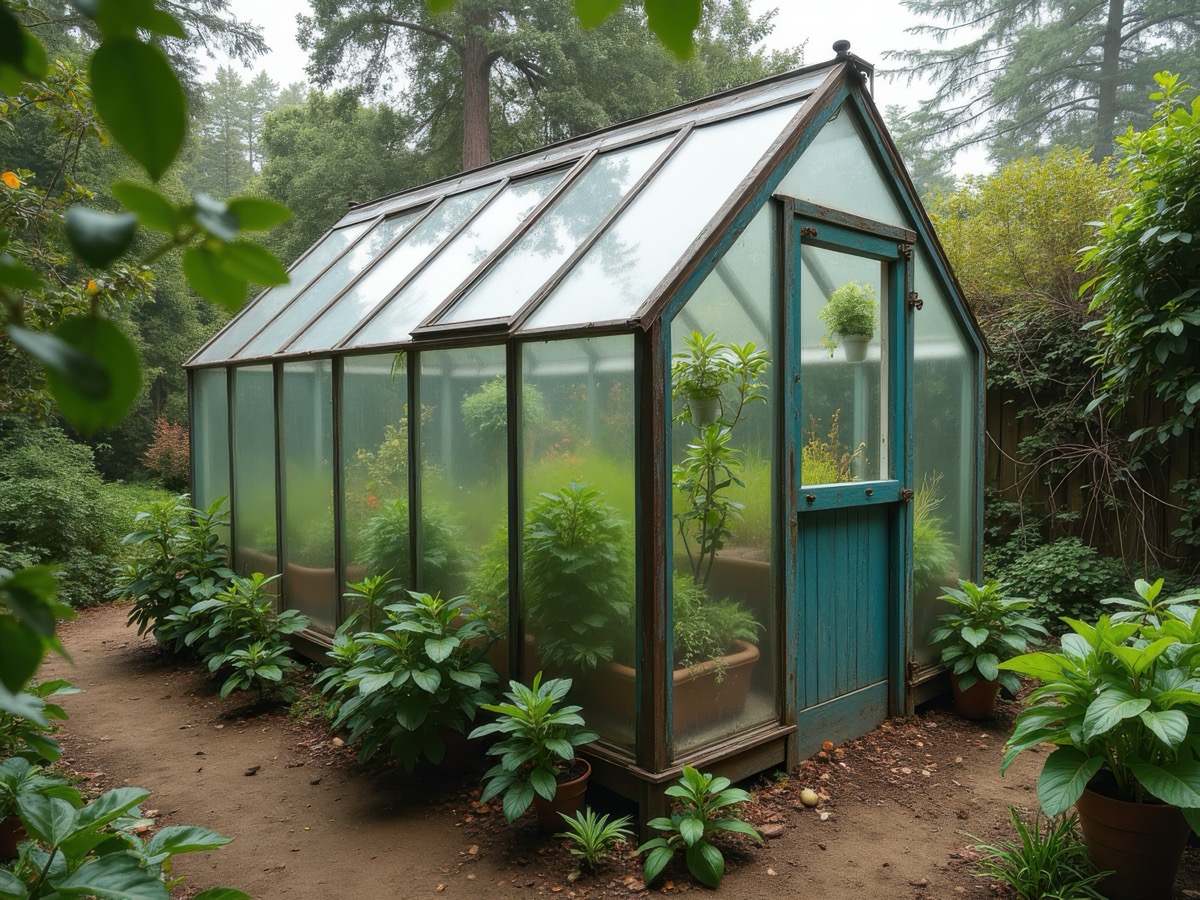
Choosing between polycarbonate and glass for your greenhouse is a huge decision for any gardener. Each material brings its own perks to the table, and honestly, your pick will shape everything from plant growth to your energy bills.
Polycarbonate greenhouses give you better insulation and hold up to abuse, while glass greenhouses shine when it comes to letting in light and looking downright gorgeous.
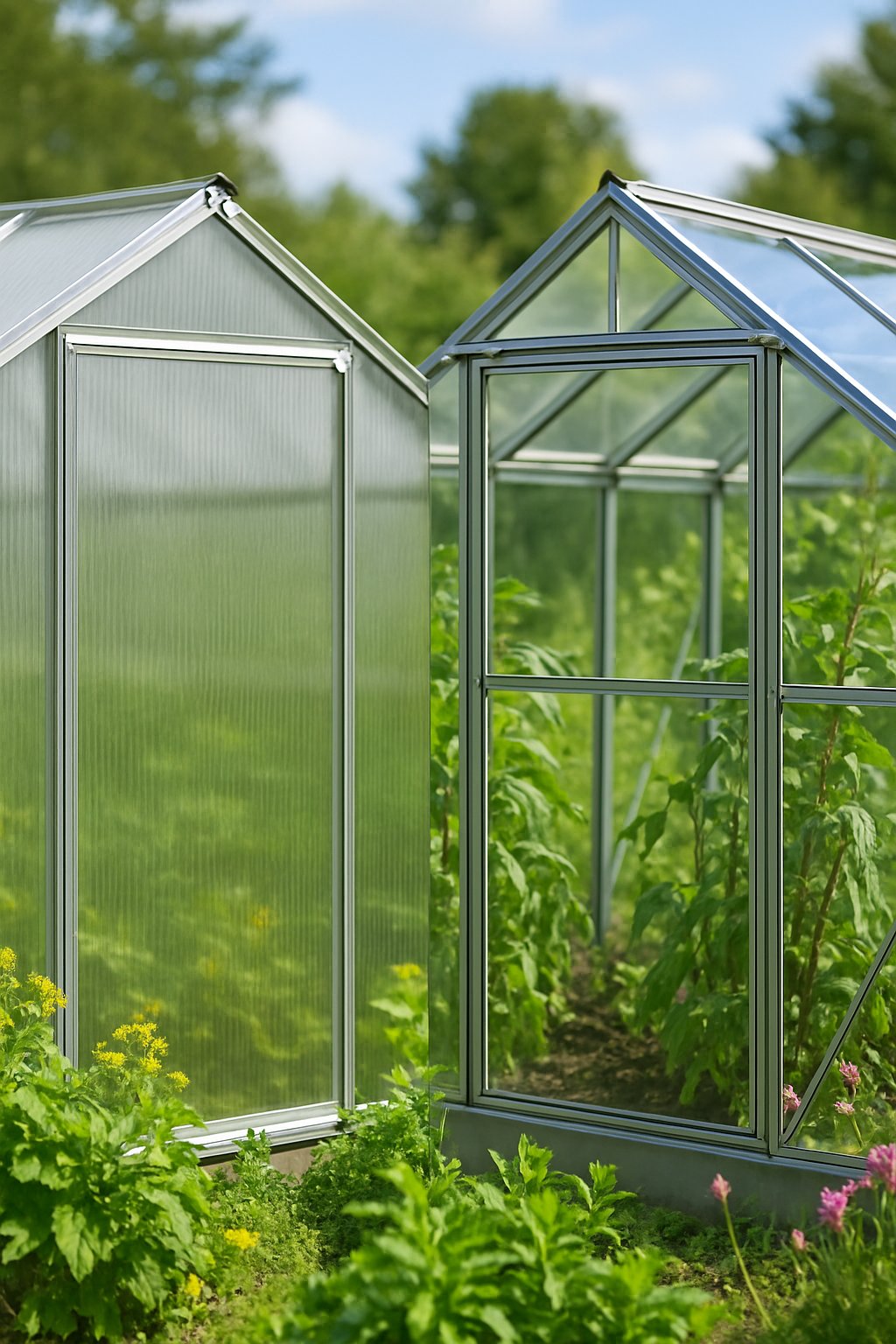
When I built my first greenhouse, I wrestled with this choice too. Glass has that timeless, elegant vibe—a lot of us just love how it looks.
The crystal-clear panels let in a ton of light. But polycarbonate? It's basically indestructible, traps heat with those air pockets, and usually costs less.
Think about your climate and what you want from your greenhouse. If you get wild weather or have rambunctious kids or pets, polycarbonate’s toughness might tip the scales.
If you’re all about perfect light and that classic look, glass might be worth the extra cash and maintenance headaches.
Key Takeaways
- Polycarbonate greenhouses keep heat in and shrug off damage, while glass gives you that unbeatable light and charm.
- Your climate, budget, and how much maintenance you’re willing to tackle should steer your glazing decision.
- Both can make for great growing spaces, but they need different support and care over time.
Overview Of Greenhouse Glazing Materials
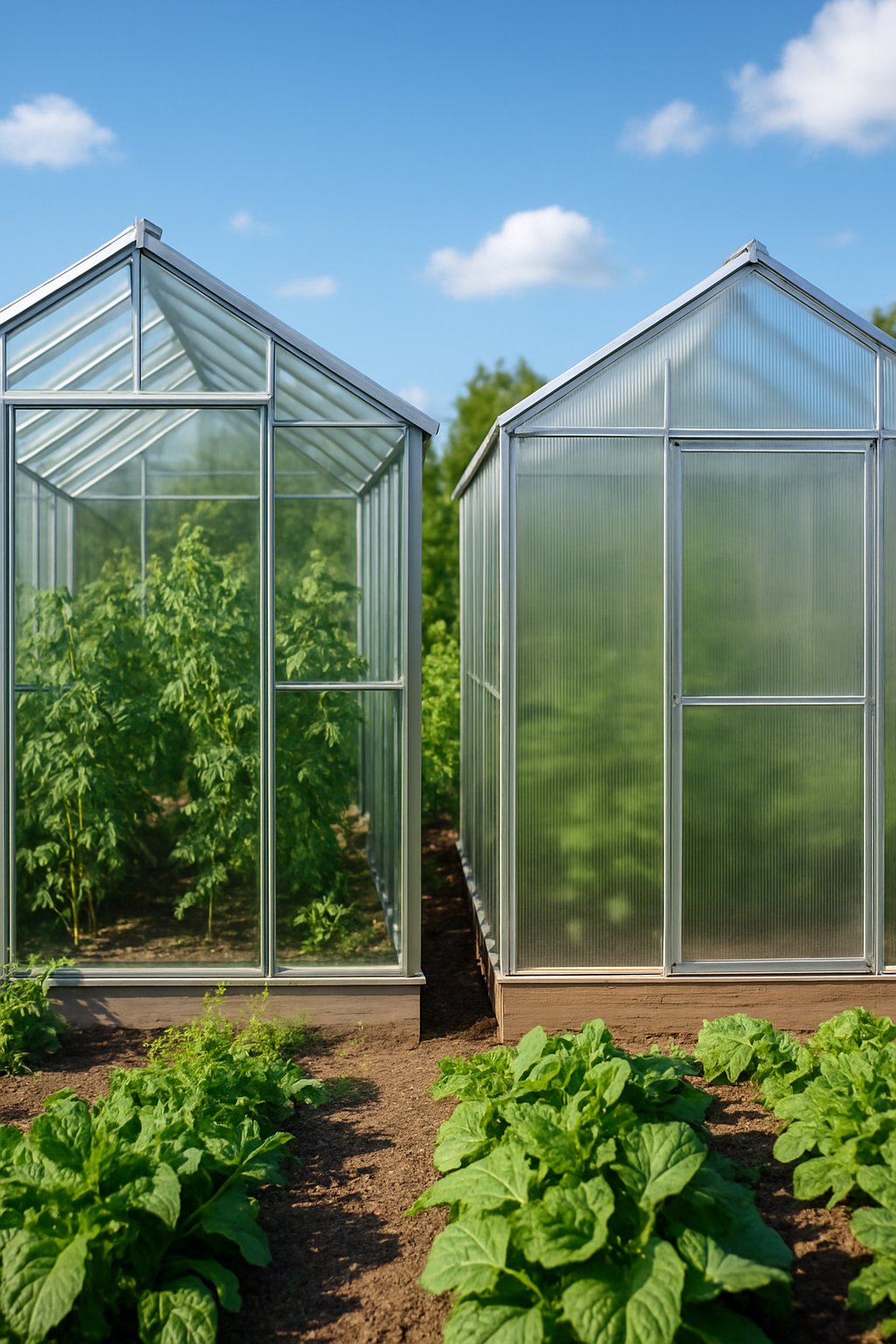
Glazing materials decide how much light gets to your plants and play a big role in energy efficiency. Most home gardeners end up choosing between glass and polycarbonate, and both have their quirks.
What Is Glass Greenhouse Glazing?
People have used glass for greenhouses for centuries. You’ll usually see single pane or double pane options.
Single pane glass is super clear—about 92% light transmission—and gives that beautiful, classic greenhouse look. It really does add a certain elegance to your garden.
Modern glass greenhouses use big, sealed panels, which is a step up from the old days of leaky overlaps. The downside? Glass, especially single pane, doesn’t insulate well, so if you’re somewhere cold, get ready for higher heating bills.
Double pane glass helps a lot with insulation and can cut those bills in half. Some even have fancy low-e coatings to bounce heat back inside and boost efficiency.
But let’s be honest—glass greenhouses cost more when you’re just getting started.
What Is Polycarbonate Greenhouse Glazing?
Polycarbonate is a newer kid on the block, but gardeners are catching on fast. You’ll find panels in all sorts of multi-wall setups (think 8mm triple-wall or 16mm 5-wall), and those layers trap air to keep heat in.
This setup makes polycarbonate almost as energy efficient as double-pane glass. And there’s something else—polycarbonate naturally diffuses sunlight, so you don’t get those brutal hot spots that can fry your plants.
It spreads light more evenly, which is a big deal for consistent growing conditions. Some panels even have a slight tint, which can save you the hassle of putting up shade cloth in sunny spots.
Polycarbonate is tough—like, 200 times tougher than glass. It’s basically unbreakable and usually cheaper, too.
Sure, it’s not as clear as glass, but it delivers great value and you can even use it to upgrade an older greenhouse if you want better performance.
Durability And Longevity
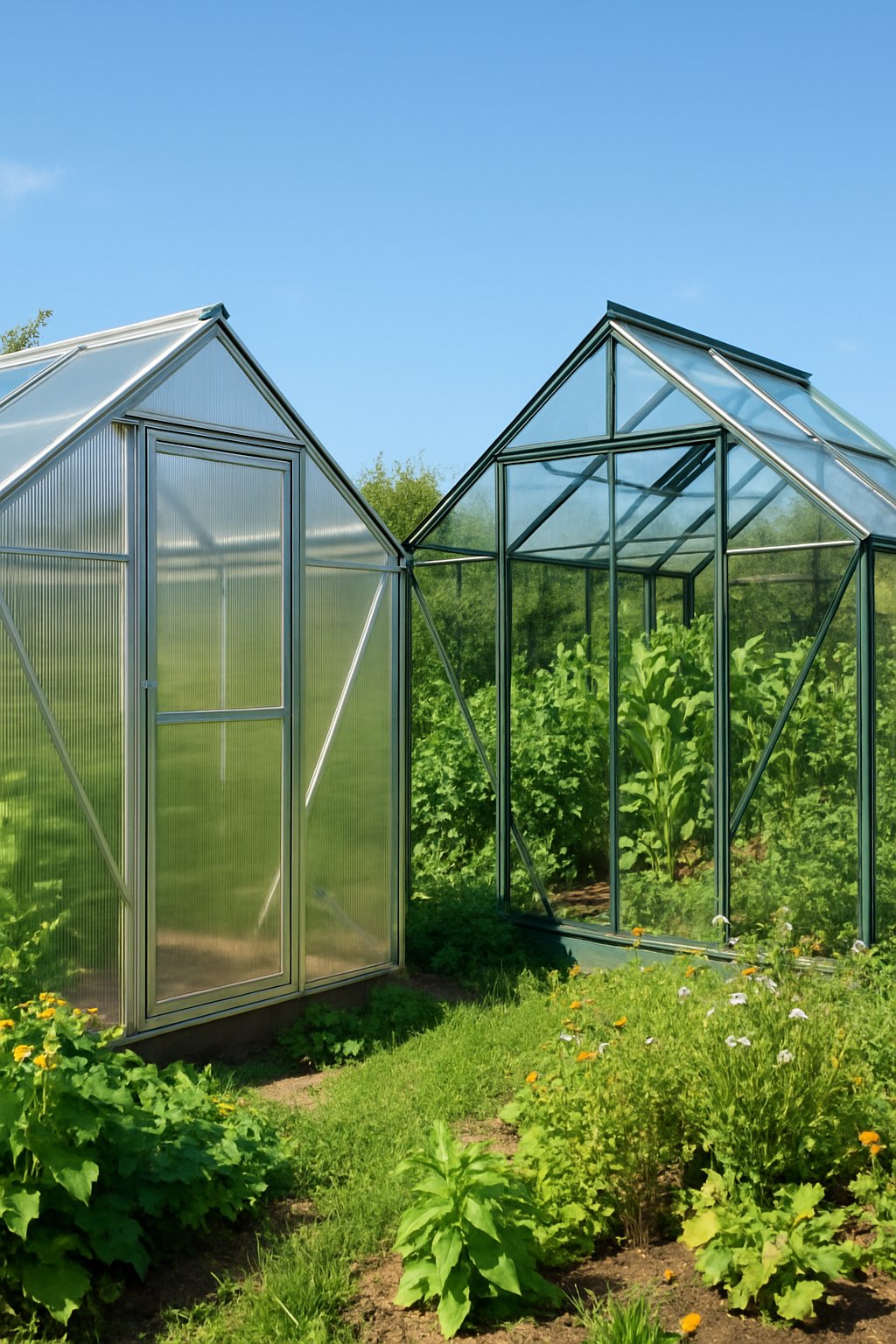
Durability really does matter when you’re picking greenhouse materials. Polycarbonate and glass each have their own way of handling the years, and the differences show up fast depending on your climate and what life throws at your greenhouse.
Impact Resistance Comparison
Polycarbonate is the clear champ for impact resistance. These panels just don’t break the way glass does.
If you get hail, falling branches, or have kids with baseballs, polycarbonate gives you peace of mind. I’ve seen polycarbonate panels take a beating from baseball-sized hail that would’ve shattered glass in a heartbeat.
Most polycarbonate can handle impacts 200 times stronger than glass of the same thickness. That’s hard to beat.
It’s also safer—no dangerous shards if something does crash into your greenhouse. Repairs and maintenance get a lot less stressful and usually cheaper, too.
Long-Term Durability In Various Climates
Glass greenhouses, if you treat them right, can last 30 years or more. Polycarbonate panels usually go 5-15 years, depending on how good they are and what kind of weather they face.
Polycarbonate’s biggest enemy? UV rays. Over time, sunlight will yellow and weaken it. Higher-quality panels have UV coatings that slow this down, but glass still wins for overall lifespan.
Polycarbonate expands and contracts more than glass in wild temps, which can mean more maintenance. Still, it flexes under snow loads, so it’s not all bad news.
Glass stays clear for decades if you keep it clean. It resists scratches and doesn’t yellow with age. In salty coastal air or polluted areas, glass shrugs off chemical damage better than polycarbonate, too.
Insulation And Energy Efficiency
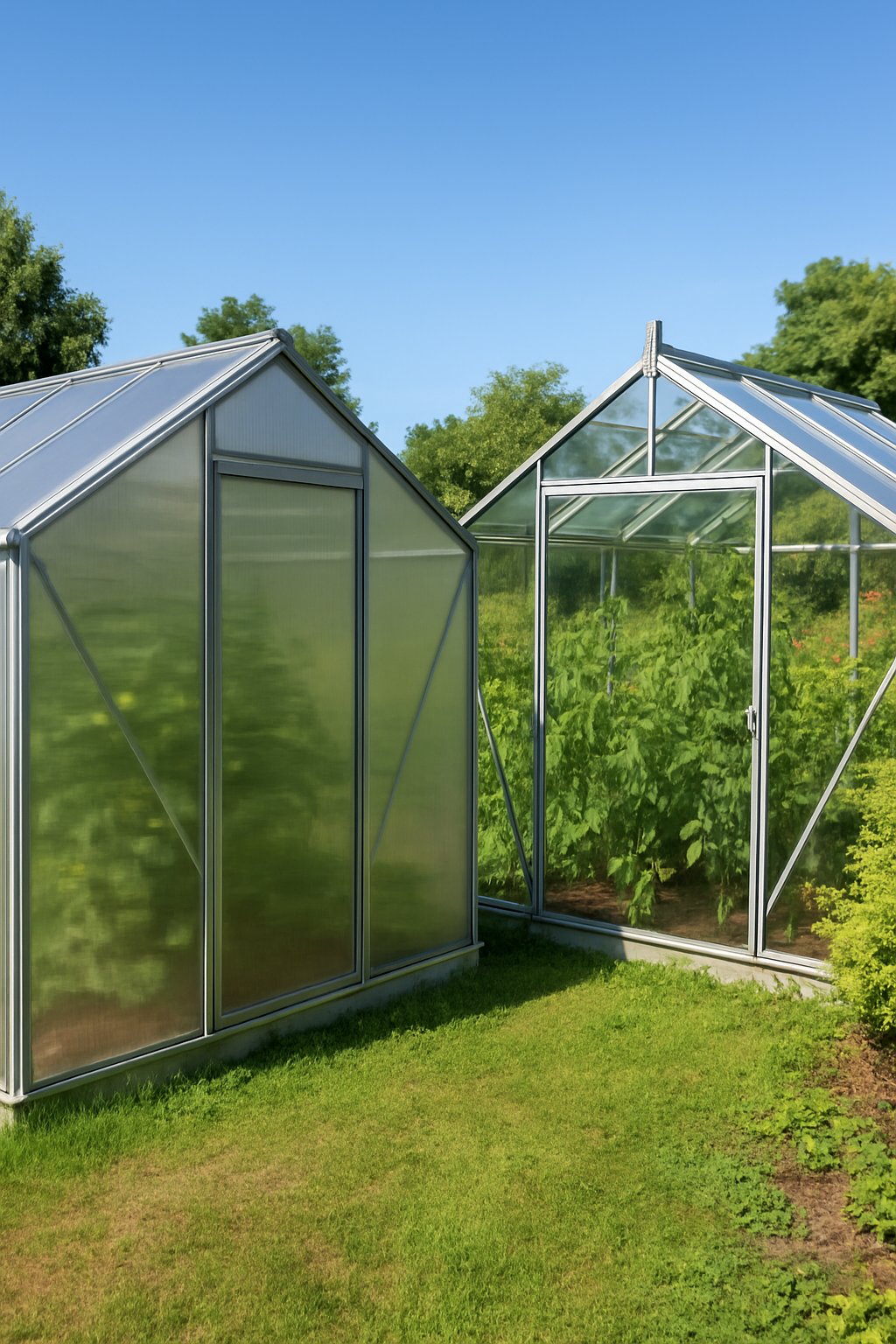
Insulation matters a ton for plant health and your wallet. Polycarbonate and glass don’t perform the same when it comes to holding in heat and keeping temps steady.
Thermal Insulation Properties
Polycarbonate wins for insulation, especially in multi-wall panels. Those layers trap air and keep heat inside where you want it.
The R-value (that’s insulation lingo) for polycarbonate is much higher than for glass. For instance, 8mm twin-wall polycarbonate can hit an R-value of 1.72, while plain glass barely comes close.
That means less heat escapes on cold nights. Glass, unless you shell out for double-glazed, just can’t compete here.
Single-pane glass lets heat out fast, which can mean wild temperature swings and higher heating costs.
Energy Efficiency And Temperature Regulation
Polycarbonate’s insulation chops translate straight into energy savings. Your heater doesn’t have to work as hard, and you might see up to 35% lower energy use compared to a single-pane glass greenhouse.
It also keeps temps steadier day and night, which is huge for delicate plants that hate big swings.
Glass heats up fast in the sun but loses it just as quickly when night falls. You’ll probably need extra heating in winter to keep your plants safe.
If you’re gardening up north, polycarbonate could save you hundreds on heating every year. The upfront cost might pay for itself in just a few seasons.
For hot summers, polycarbonate also helps by keeping out excess heat—especially if you’ve got decent ventilation. It works both ways, which is honestly pretty handy.
Light Transmission And Diffusion
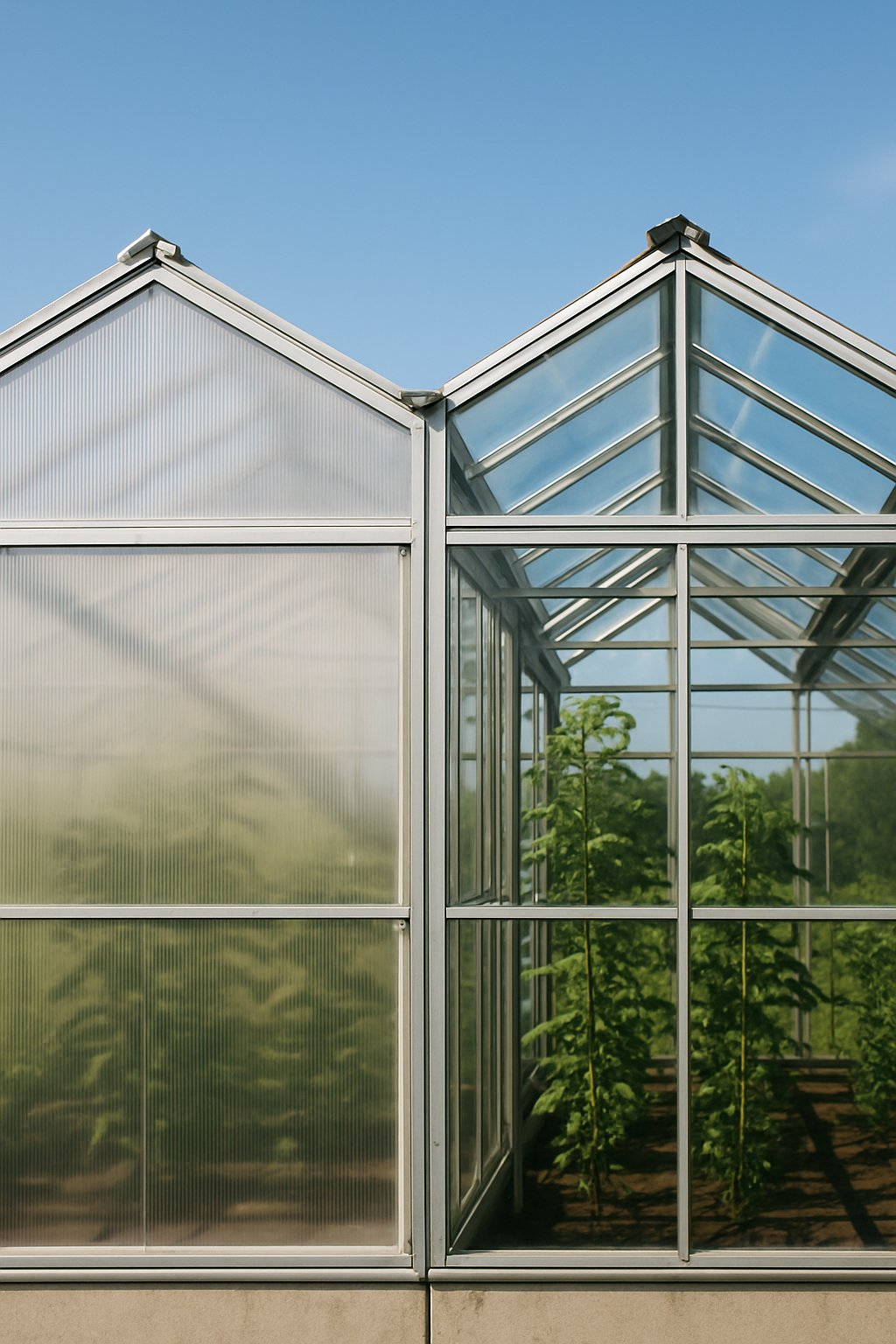
Light isn’t just about intensity—it’s about quality, too. The way your greenhouse material handles sunlight changes everything for plant health and temperature.
Maximizing Light For Photosynthesis
Glass greenhouses let through 90-92% of light, which is fantastic if you’re in a spot with gloomy winters or lots of clouds. That crystal-clear look is hard to beat, and it floods your plants with direct sunlight.
Polycarbonate panels usually let in 80-85% of light, depending on thickness. It’s a little less, sure, but for most home gardeners, you’ll barely notice the difference and your plants will still thrive.
If you garden somewhere with short winter days, glass might be your best bet for squeezing out every last ray of sunshine. But too much light in summer can actually stress your plants, so it’s not always a win.
Light Diffusion And Its Effects On Plant Growth
Glass gives you more direct light, but polycarbonate really shines when it comes to light diffusion—it spreads light evenly throughout your greenhouse. This diffused light reaches deeper into plant canopies and cuts down on harsh shadows.
Lower leaves get a chance to photosynthesize better, which can make a noticeable difference.
You'll see a handful of benefits with diffused light:
- More uniform plant growth
- Reduced leaf scorching and hot spots
- Lower risk of fungal diseases
- Better light penetration to lower leaves
- Potentially 5% or more increase in vegetable yields
Diffused light matters a lot for tall plants like tomatoes and cucumbers. If you skip diffusion, top leaves can get way too hot while the lower ones barely get any light.
Polycarbonate just naturally diffuses light, so your plants end up with a more balanced growing environment.
If you live somewhere sunny, polycarbonate's diffusion usually wins out over its slightly lower light transmission. In cloudy climates, though, clouds already do a lot of the diffusing, so glass might actually let in more usable light.
Cost And Investment
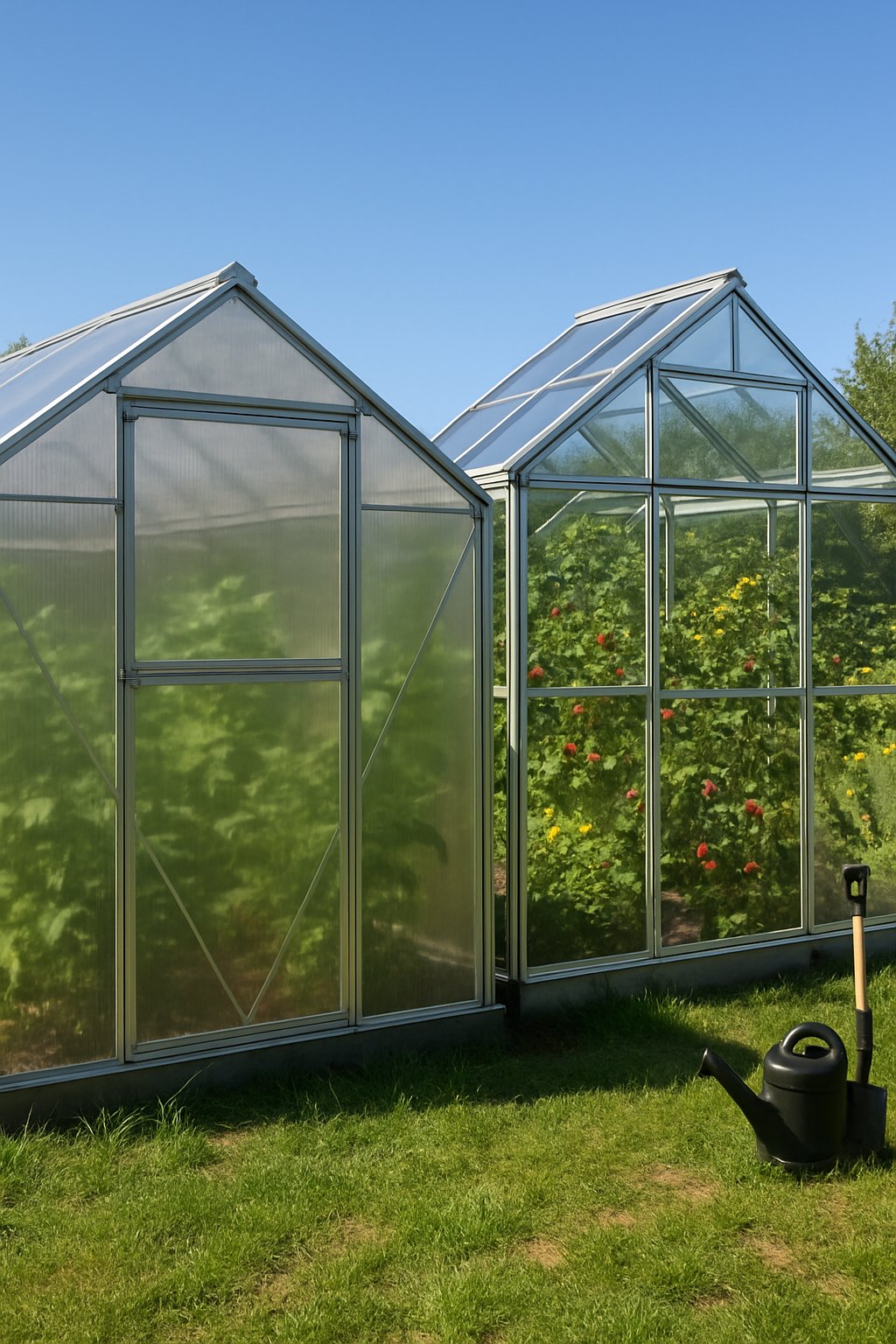
Cost is a huge factor when you're picking between glass and polycarbonate for your greenhouse. Each one sits at a different price point, and that impacts both your upfront spend and what you'll shell out down the road.
Upfront Material And Installation Costs
Glass greenhouses almost always cost more right from the start. Glass panels usually run about $2 to $2.50 per square foot, but polycarbonate sheets are way cheaper—sometimes around $0.12 per square foot.
That's a major difference if you have a big space to cover!
The frame for a glass greenhouse needs to be stronger to hold up the extra weight, which bumps up your initial investment. Aluminum frames do the trick for both, but glass just demands more support.
You'll probably pay more to install glass, too. You might need specialized help, since glass is heavy and fragile—definitely not a solo DIY project for most folks.
Polycarbonate greenhouse kits are much more DIY-friendly. You can often get them up in a weekend, which saves you a chunk on labor costs.
Long-Term Maintenance Costs
Glass costs more upfront, but it sticks around for decades—sometimes 30+ years if you take care of it. Polycarbonate usually needs replacing after 10-25 years, since it can yellow and get brittle from sun exposure.
You'll want to factor replacement costs into your long-term plans. Glass panels are pricey to swap out if you break one, but you can usually just replace a single panel. With polycarbonate, you might have to change out whole sections at once.
Energy efficiency can shift your ongoing costs, too. Double or triple-wall polycarbonate insulates better than single-pane glass, so you might save some money on heating in winter. That adds up, especially if your winters are long and cold.
Cleaning is another thing to keep in mind. Glass needs regular scrubbing, but you can go at it without worrying about scratches. Polycarbonate is a bit fussier—gentle cleaning only—but you won't have to clean it quite as often.
Maintenance And Upkeep
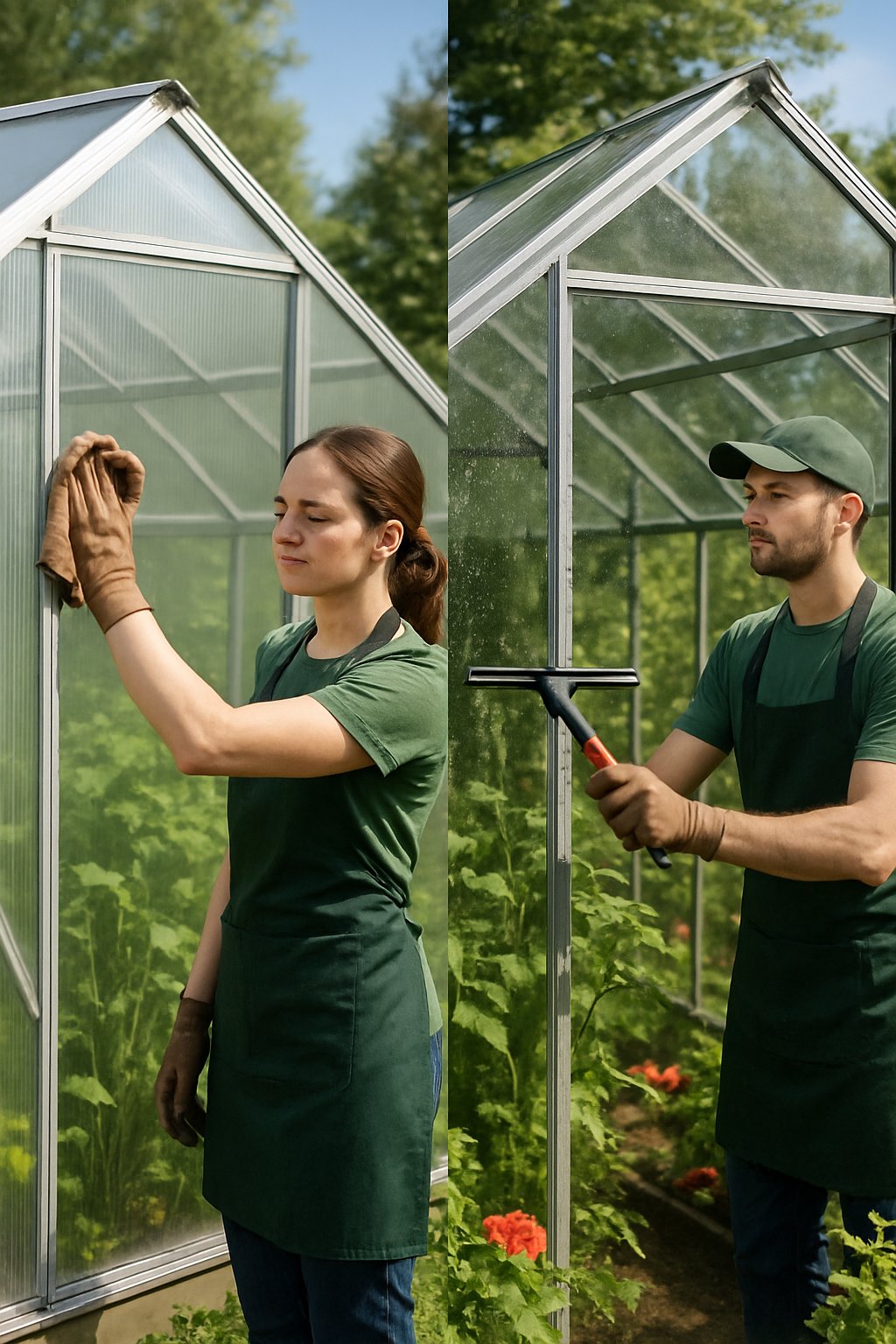
Taking care of your greenhouse feels pretty different depending on whether you pick glass or polycarbonate. Each material brings its own quirks when it comes to maintenance and how much time you'll spend on upkeep.
Routine Maintenance Requirements
Glass greenhouses need more regular attention to keep them looking sharp and working right. You'll find yourself wiping down glass panels a lot to get rid of smudges, streaks, and water spots—especially after a good rain.
With polycarbonate, you actually get a bit of a break. These panels just don't show fingerprints or water spots as much, so you can get away with skipping a cleaning session now and then.
No matter which you choose, it's smart to check structural components once a year. Look at the seals around the panels and make sure all the fasteners are still tight.
Doing these checks before winter and summer rolls around can save you some headaches.
Cleaning And Repair Considerations
Cleaning glass takes a little extra care. You'll want to use good glass cleaners that won't streak, and honestly, it can be a bit of a project. Press too hard and you might crack a panel, so you have to take it slow.
Polycarbonate is simpler. Most of the time, a gentle soap solution and a soft cloth will do. You don't have to worry about streaks, and since the panels are light, cleaning feels a lot less risky.
Some folks just hose off their polycarbonate panels and call it done.
Repairs are a different story for each. If you break a glass panel, you'll need exact measurements and maybe even a helper to swap it out—it's not cheap. Polycarbonate is easier to cut and replace on your own, though you might notice a little yellowing as years go by.
Environmental Impact And Sustainability
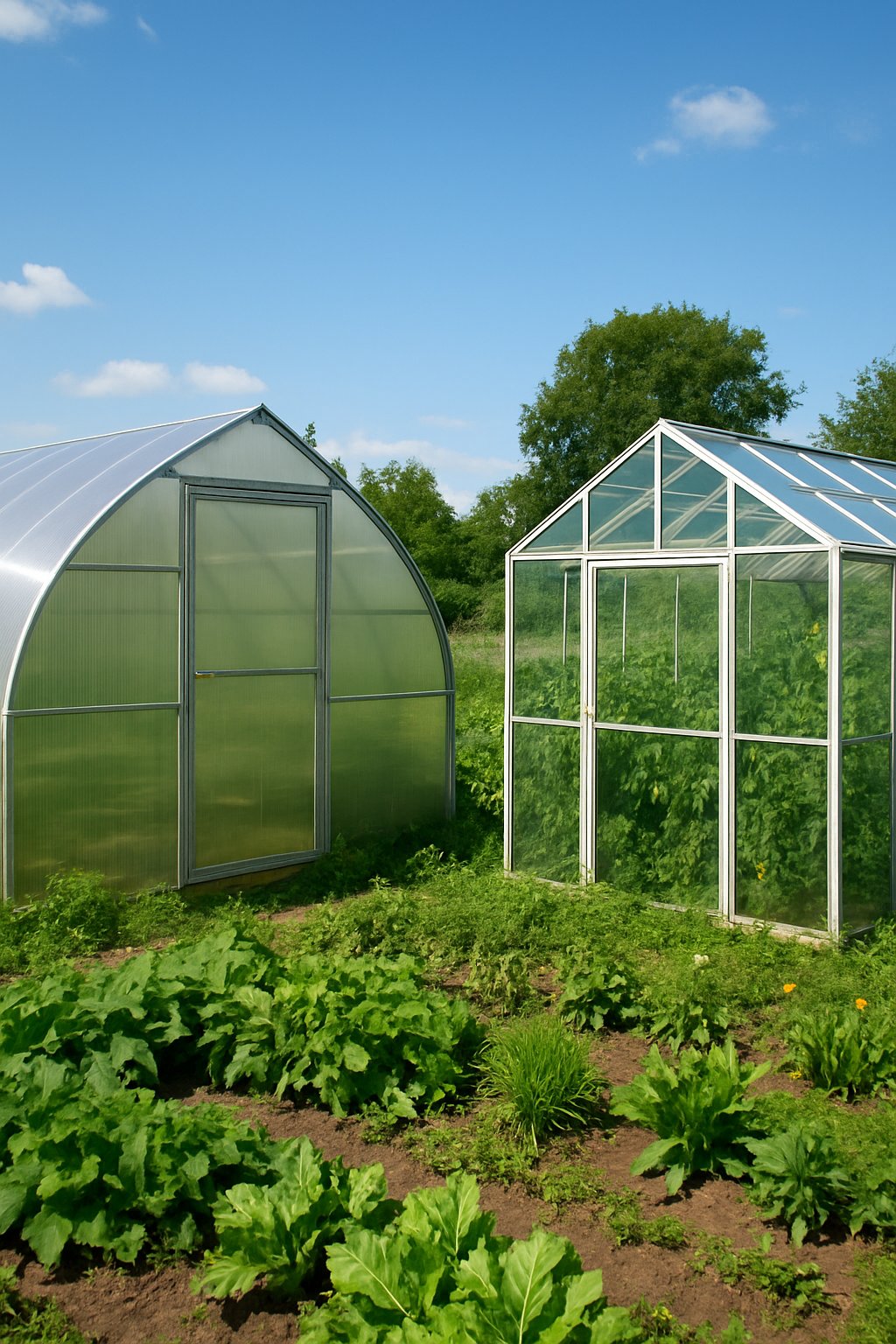
If you're weighing polycarbonate against glass for your greenhouse, environmental impact probably crosses your mind. Each material has a different ecological footprint and affects the planet in unique ways.
Recyclability And Carbon Footprint
Glass is a recycling superstar. You can recycle it almost endlessly without losing quality, which is great if you care about waste. But making glass isn't exactly eco-friendly—it takes a ton of heat (over 1500°C), which means more energy use and more greenhouse gas emissions.
Polycarbonate, on the flip side, has a lower carbon footprint during production. It uses less energy to make and pumps out fewer emissions. That might surprise you if you've always thought glass was automatically the greener choice.
But here's the catch: polycarbonate is technically recyclable, but most recycling centers won't take it. So a lot of old panels end up sitting in landfills for ages.
Sustainability Factors In Material Choice
Polycarbonate wins big on energy efficiency once it's in use. Those multi-wall panels insulate really well, so you burn less energy heating your greenhouse—especially in a chilly climate.
Glass greenhouses usually need more heating, which bumps up their overall environmental impact. But glass lasts longer—sometimes over 30 years, compared to polycarbonate's 10-15 years.
When you look at raw materials, the story gets complicated. Sand for glass is getting scarce in some places, while polycarbonate relies on petroleum. Neither is perfect, honestly.
If you want to go greener, check out recycled options for both materials. Some companies now offer panels that use partially recycled content, which is a step in the right direction.
UV Protection And Degradation
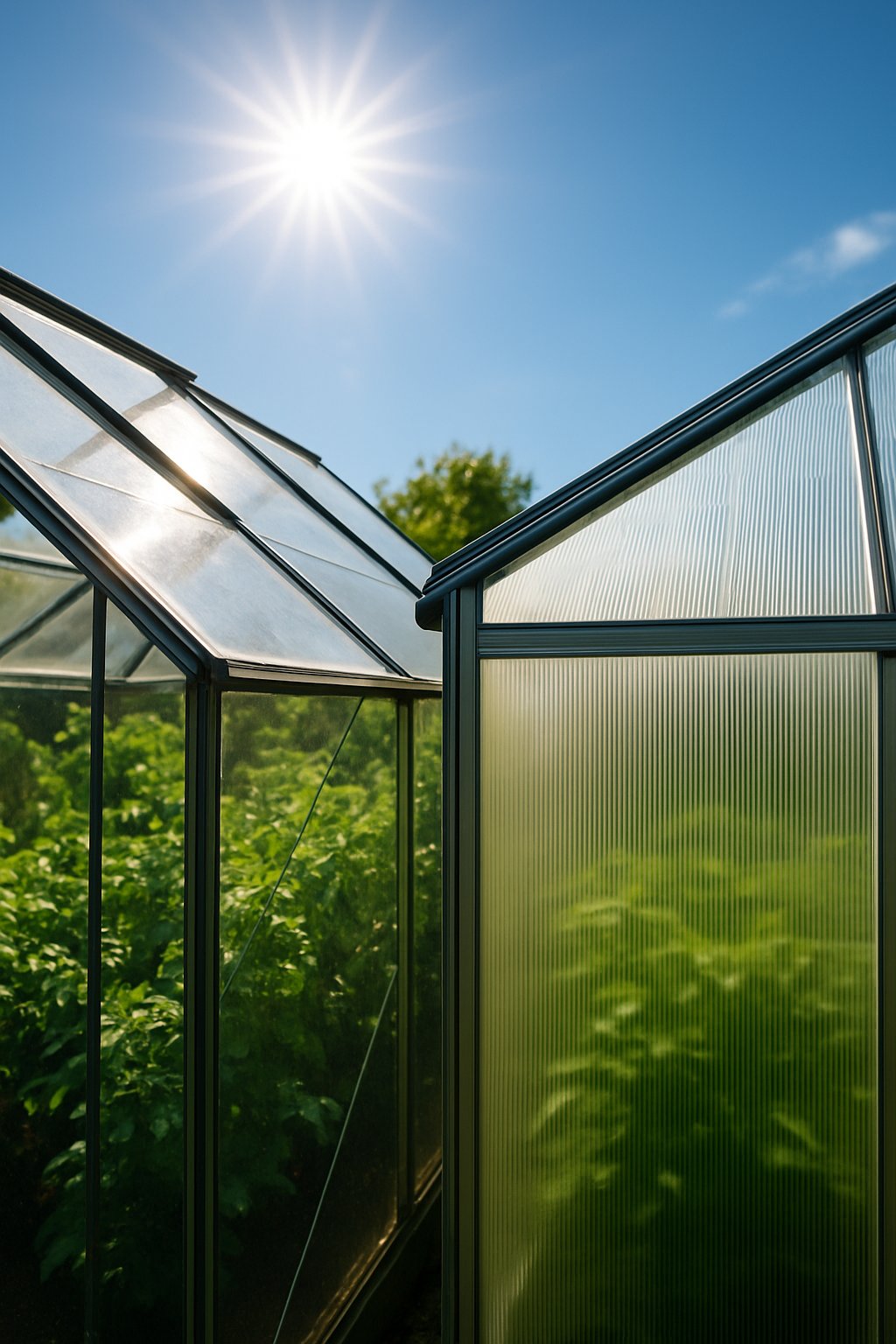
UV protection is a big deal when you're choosing between polycarbonate and glass for your greenhouse. Polycarbonate panels naturally block harmful UV rays, so your plants get built-in shielding. That's a huge leg up over glass, which lets most UV rays right through.
In my own greenhouse, I've noticed that plants under polycarbonate seem less stressed during blazing sunny days. They don't get that weird "sunburned" look you sometimes see under glass.
Good quality polycarbonate panels come with a UV-resistant coating that keeps the material from breaking down. Your panels will last longer before they turn brittle or discolored—usually at least 10 years if you treat them right.
Glass doesn't fall apart from UV exposure like some plastics, but it doesn't really protect your plants from UV, either. If you go with glass, you might have to add shade cloth in the summer to keep sensitive plants happy.
Polycarbonate also diffuses light, which creates a gentler growing environment. Plants get plenty of light, but without all the harsh direct sun—great for seedlings and shade lovers.
Not all polycarbonate is equal, though! Look for panels that say UV-resistant or UV-protected. The cheaper stuff might save you a few bucks now, but could yellow and crack before you know it.
One last thing—make sure you install polycarbonate panels with the UV-protected side facing out. It's easy to mix up, and it really matters for longevity.
Aesthetic Considerations
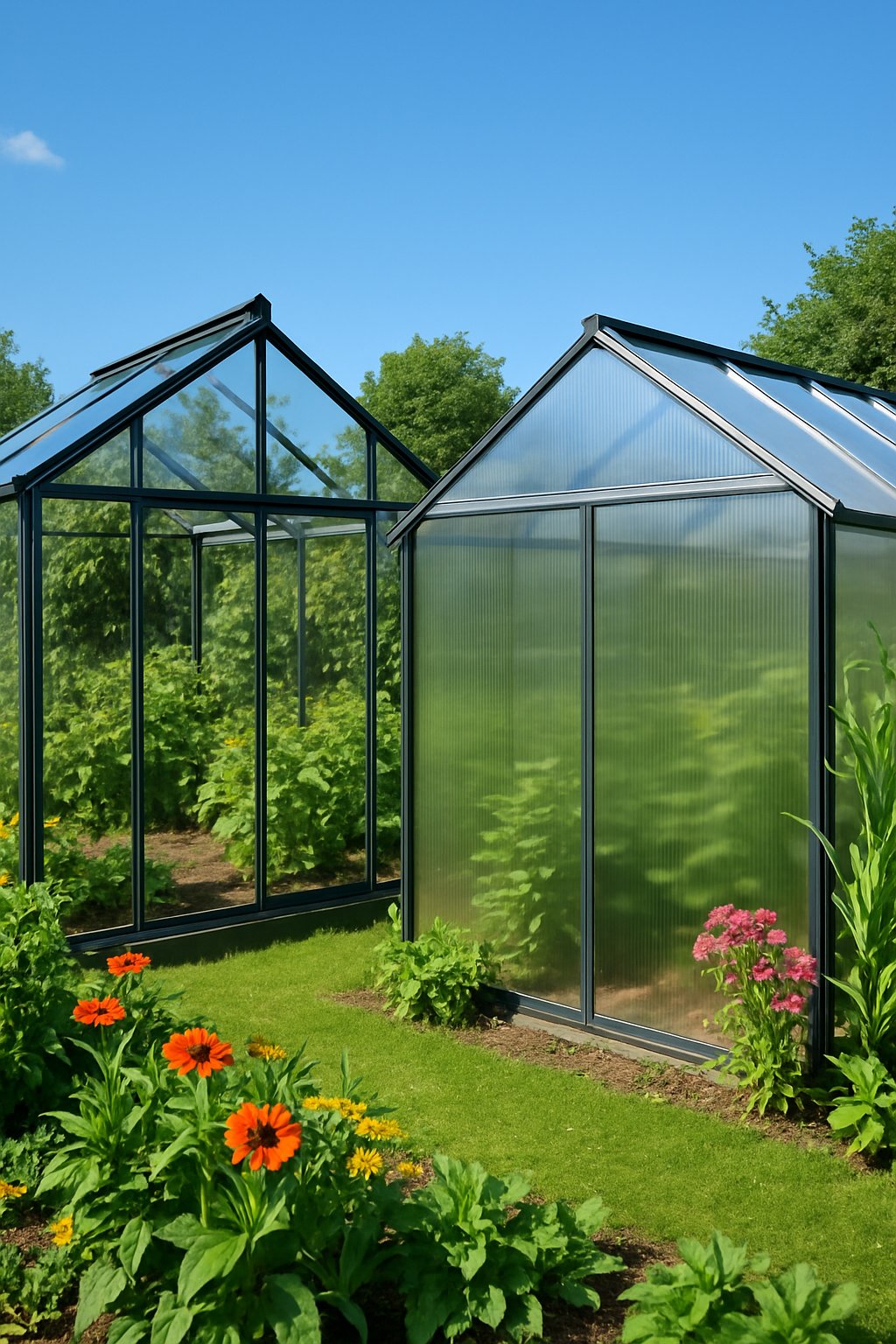
Let's be honest: looks count when you're picking between polycarbonate and glass! Glass greenhouses have that classic, elegant vibe that a lot of gardeners just love. It's what pops into most people's minds when they picture a greenhouse.
Glass gives you a crystal-clear view of your plants, inside and out. That transparency creates a bright, traditional look that's stuck around for generations.
Polycarbonate greenhouses? They're practical, but not quite as charming. Most have a modern, utilitarian look—some folks just don't find it as pretty.
Light quality shifts too. Glass lets in the most sunlight, so your space feels bright and open. Your plants look amazing bathed in all that natural light!
One downside with polycarbonate: over time, panels can develop a yellowish tint. If you're picky about appearances, this gradual change might bug you.
If your greenhouse is front and center where people will see it, aesthetics matter even more. A glass greenhouse can become a real showpiece—something visitors notice and ask about.
Your own style matters, too! Some gardeners dig the sleek, modern look of polycarbonate, while others can't resist the timeless charm of glass sparkling in the sun.
Suitability For Different Gardening Needs
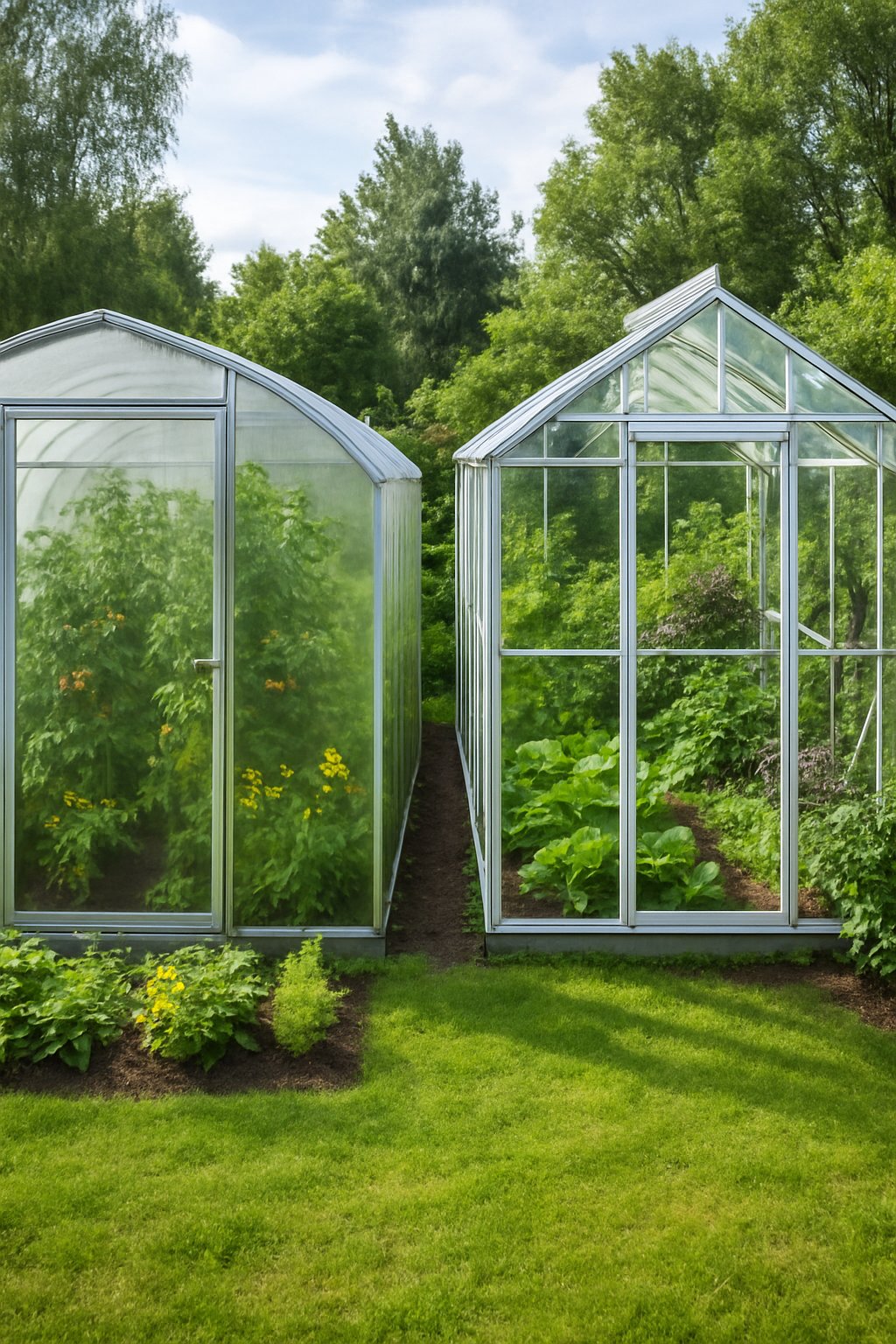
Polycarbonate and glass greenhouses both have their fans in the gardening world. Honestly, it comes down to what you're growing, your climate, and your own goals.
Polycarbonate greenhouses feel like a solid choice for beginners or anyone dealing with tough weather. If you have kids or pets, you'll probably breathe easier knowing polycarbonate doesn't shatter—it’s just way safer for busy households.
These greenhouses really shine in cold climates because they insulate so well. The air trapped between the polycarbonate layers holds warmth during winter.
That makes them great for:
- Extending your growing season in colder regions
- Starting seedlings early in spring
- Growing plants that need protection from extreme weather
- Budget-conscious gardeners wanting long-term durability
Leafy greens, herbs, and most veggies do great in polycarbonate. The diffused light helps avoid plant scorching and encourages even growth.
Maintenance is a breeze, too, since these panels can take a beating and don't shatter like glass.
Best Uses For Glass Greenhouses
If you’re after maximum sunlight, glass greenhouses take the cake. Light-hungry plants—think tomatoes, peppers, or anything tropical—really thrive under glass since it lets in the most sun.
These classic greenhouses offer:
- Superior clarity for maximum light penetration
- Timeless aesthetic appeal for ornamental gardens
- Excellent visibility to showcase prized plant collections
- Better growing conditions for sun-loving specimens
Glass greenhouses work especially well in mild climates or for growing sun-loving plants year-round. Serious orchid folks often swear by glass for its clarity and how long it lasts.
Glass is also fantastic for creating humid environments for tropicals. Since it doesn’t soak up moisture, it helps keep humidity steady for sensitive plants.
Just a heads up: glass needs more heating in winter to keep things warm inside.
Weight And Structural Considerations
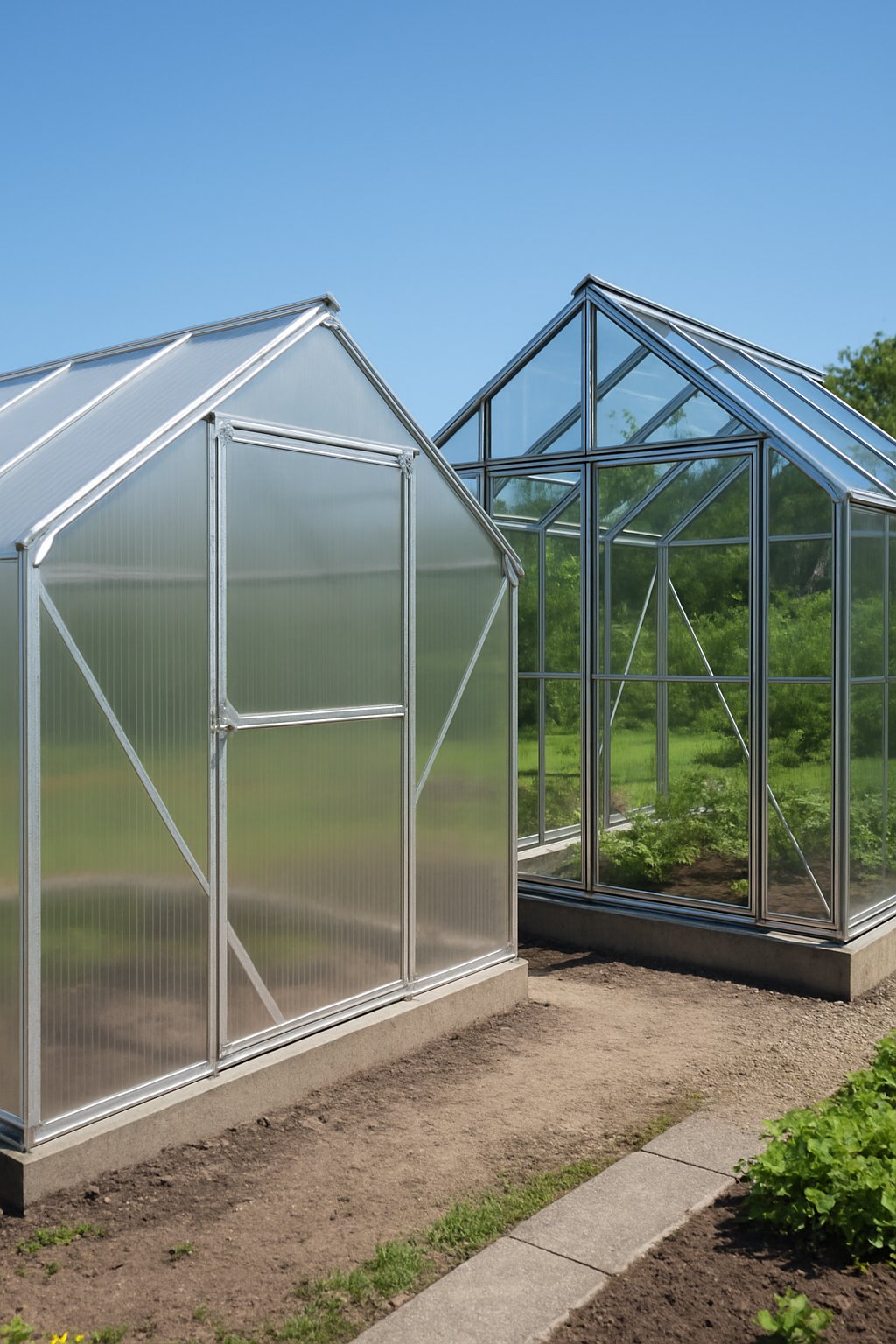
Weight really matters when you’re picking between polycarbonate and glass. Glass is much heavier than polycarbonate sheets, and that changes how you’ll build your greenhouse.
The weight difference means glass needs a beefier frame to support it. You’ll end up using sturdier materials and likely more supports throughout.
Polycarbonate is about 200 times stronger than glass but weighs way less. That lets you get creative with your design and maybe save some cash on materials.
If you’re going the DIY route, polycarbonate is a lot easier to handle. I remember wrestling with heavy glass panels on my first build—my back still holds a grudge.
Lighter panels mean you can build bigger sections without extra supports. That makes for a cleaner look, with fewer frame pieces blocking the sun.
If you've got an existing structure, swapping glass for polycarbonate could work without beefing up the frame. But if you want to put glass on a lightweight frame, you’ll probably need to reinforce it first.
Once installed, glass’s weight actually helps keep the structure stable in strong winds. Polycarbonate might need extra securing if you’re in a really windy area.
Frequently Asked Questions
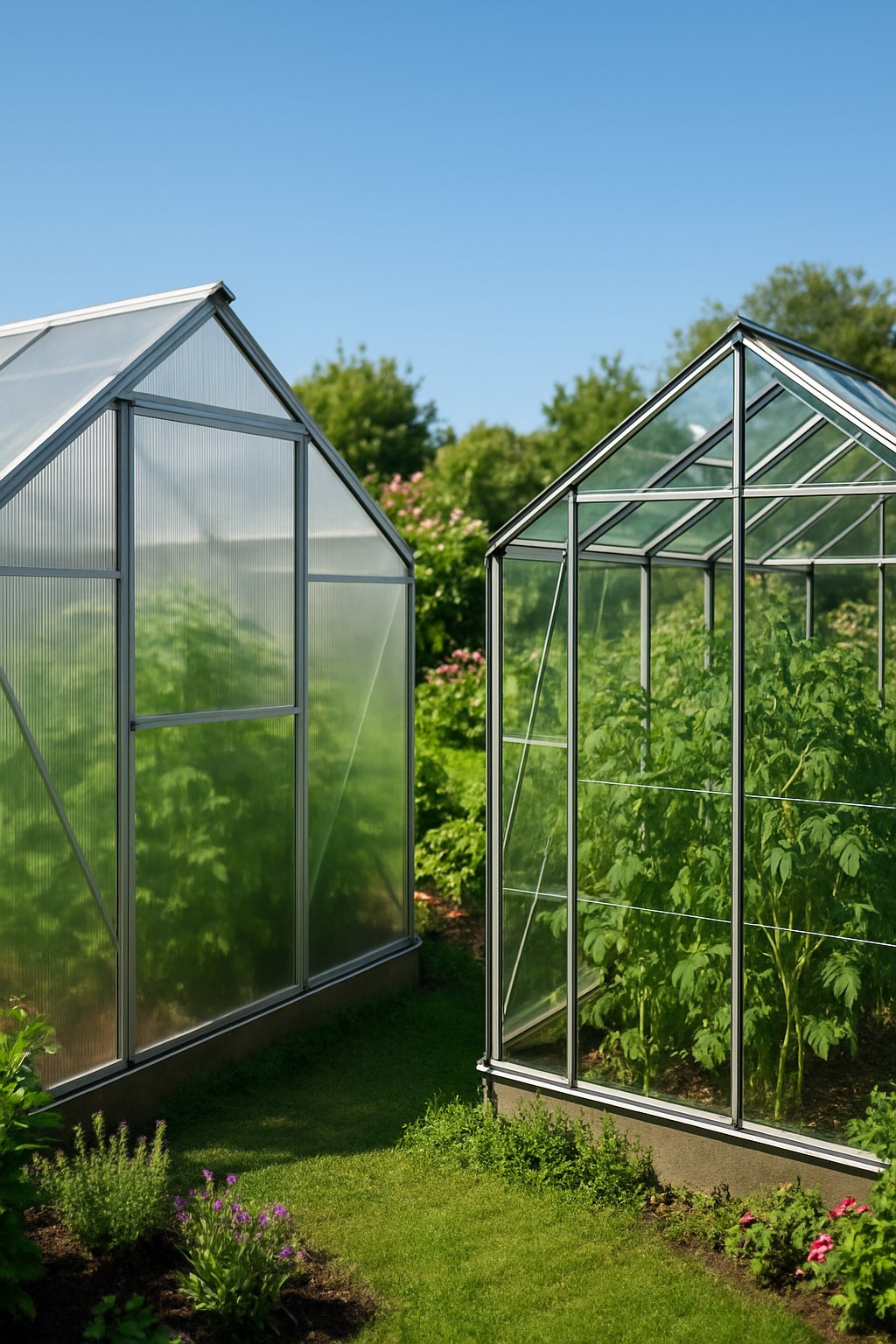
Let’s dig into some common questions about polycarbonate versus glass greenhouses. A lot of gardeners get stuck on this choice when planning their space.
What are the pros and cons of using polycarbonate compared to glass in greenhouses?
Polycarbonate greenhouses are super durable—almost unbreakable, really. If you've got kids, pets, or wild weather, that’s a huge plus.
They insulate better than glass, so temps stay steadier for your plants. But polycarbonate doesn’t let in quite as much light—around 80-90% compared to glass’s 90-95%.
Glass greenhouses have that classic, elegant vibe. They’re also incredibly long-lasting if you keep up with maintenance.
Downsides? Glass is heavy, breaks easily, and costs more to replace.
How does the cost of a polycarbonate greenhouse differ from a glass greenhouse?
Polycarbonate greenhouses are usually more budget-friendly upfront. You’ll probably spend 15-30% less versus a similar glass setup.
Installation’s easier, too, since polycarbonate is lighter. You might even skip the pros and put it up yourself.
Glass greenhouses cost more at the start. But if you look after them, quality glass can last for decades—so maybe it pays off in the long run.
Can you describe the longevity and durability differences between polycarbonate and glass greenhouses?
With good care, glass greenhouses can last 30 years or more. Glass doesn’t yellow or break down from sun exposure like polycarbonate can.
But glass is always at risk for breaking from hail, falling branches, or accidents. Polycarbonate panels last about 10-15 years before you’ll want to swap them out.
They’ll slowly yellow and lose transparency over time, thanks to UV rays. Thicker panels usually last longer.
Most polycarbonate these days comes with UV coatings to help it last. My 8mm twin-wall polycarbonate panels have been hanging in there for nearly 12 years, and honestly, they’re still looking pretty decent!
What are the thermal insulation differences between polycarbonate and glass when used in greenhouse construction?
Polycarbonate really outshines single-pane glass when it comes to insulation. Twin or triple-wall polycarbonate panels trap heat in their air pockets—kind of like the double-glazed windows you'd find in a cozy home.
With polycarbonate, I've noticed my greenhouse holds a steadier temperature. The need for extra heating in winter drops off, and honestly, my heating bills went down after I made the switch.
Glass greenhouses, especially the single-pane kind, just can't hold heat as well. Double-glazed glass does a much better job, but wow, it makes your greenhouse heavier and pricier.
Plenty of gardeners end up using bubble wrap or other hacks to help their glass greenhouses keep warmth during colder months.