
Sierra Greenhouse Insights
Heat for Free: Design a Passive Solar Greenhouse That Works in Any Climate
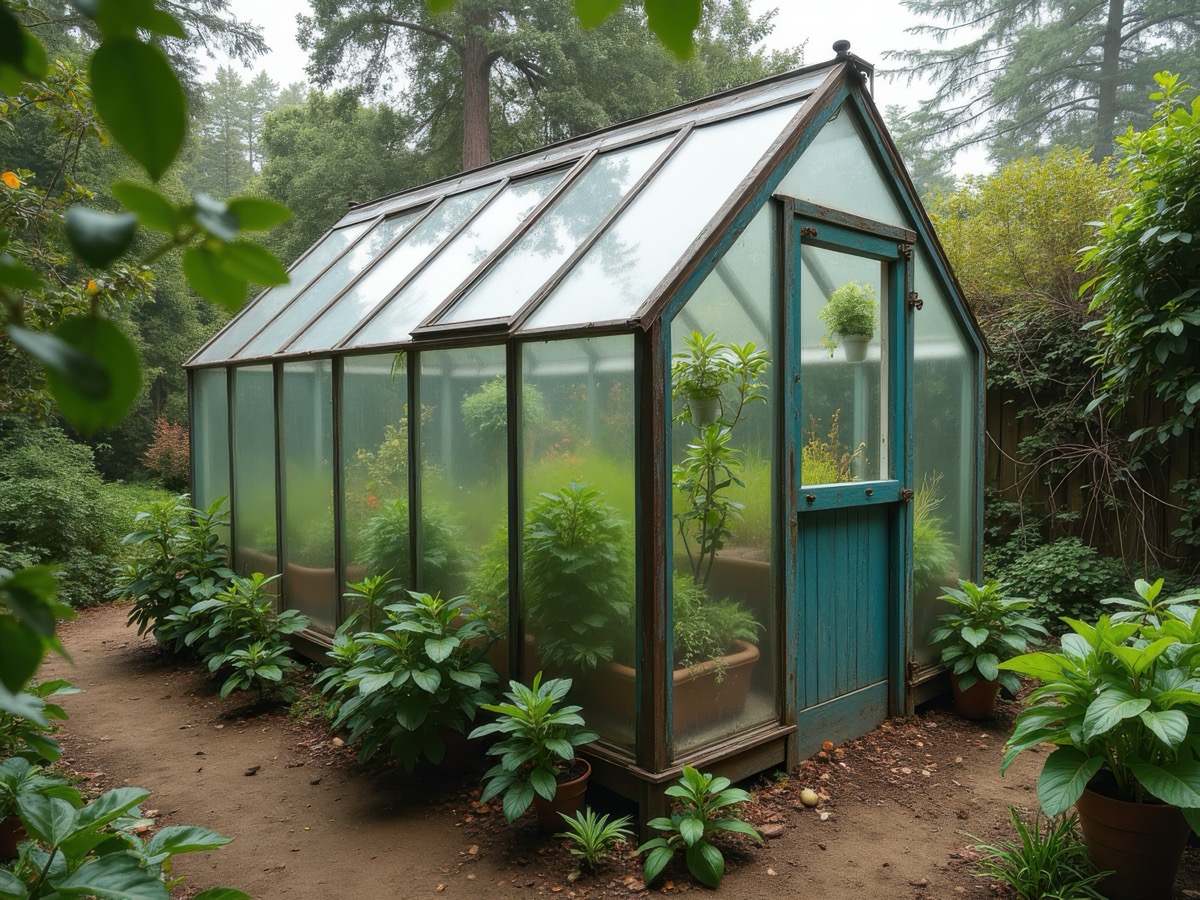
Imagine harvesting fresh greens on January nights when it's -10°F outside—without paying a penny for heat. Passive solar greenhouses make this reality possible through intelligent design that captures, stores, and releases the sun's energy exactly when plants need it most. By combining precise orientation, thermal mass storage, and strategic insulation, these structures maintain growing temperatures using only free solar energy. Whether you're planning a small backyard greenhouse or a commercial deep winter operation, mastering passive solar principles transforms your growing potential while eliminating heating bills forever.
Table of Contents
- Passive Solar Fundamentals
- Orientation & Glazing Angles
- Thermal Mass Design
- Insulation Strategies
- Earth Sheltering Benefits
- Ventilation Balance
- Climate Zone Adaptations
- Construction Details
- Performance Expectations
- Common Design Mistakes
- Cost-Benefit Analysis
- FAQs
Passive Solar Fundamentals
Understanding core principles enables designs that work with nature, not against it.
The 50/50 Balance Rule
Critical Design Ratio:
- 50% glazed surfaces (south-facing)
- 50% insulated surfaces (north, east, west)
- Creates temperature stability
- Prevents overheating/overcooling
- Optimizes light vs. heat retention
Why Balance Matters: "The greenhouses that are commercially available are generally all glazed, and the problem with that is it takes in more heat and light than you need and tends to overheat. Then, as soon as the sun goes down it loses all of its heat." - Penn Parmenter, solar greenhouse expert
Energy Flow Principles
Daily Cycle:
- Morning: Low-angle sun penetrates deeply
- Midday: Maximum solar gain into thermal mass
- Afternoon: Continued charging of storage
- Evening: Thermal mass begins heat release
- Night: Stored heat maintains temperatures
Seasonal Adaptations:
- Winter: Maximum glazing angle captures low sun
- Spring/Fall: Balanced heat gain and venting
- Summer: Overhang shading prevents overheating
Key Components Integration
Essential Elements:
    Insulated North Wall (reflects light)
              ↓
    ╱─────────────────╲
   ╱ Angled Glazing    ╲
  │  Thermal Mass →◉◉◉ │ ← Water Barrels
  │  Earth Floor ▓▓▓▓▓ │ ← Heat Storage
  └────────────────────┘
    Insulated Foundation
Orientation & Glazing Angles
Precise orientation maximizes solar gain when heat is needed most.
True South Orientation
Finding True South (Not Magnetic):
- Use solar noon shadow method
- Subtract magnetic declination
- GPS coordinate verification
- Allow ±15° deviation maximum
- Consider future shading
East-West Positioning:
- Long axis runs east-west
- South wall receives maximum sun
- Minimizes morning/evening losses
- Allows for linear workflow
- Simplifies construction
Glazing Angle Calculations
Common Formulas:
Basic Rule: Latitude + 20°
- Example: 40° latitude = 60° glazing angle
- Good for average winter sun
- Balances seasonal performance
Deep Winter Focus: Latitude + 35°
- Maximizes December 21 gain
- Very steep angle required
- Best for extreme cold climates
- Structural challenges increase
Practical Range: 45-75° from horizontal
- Minimal light reflection loss
- Easier construction
- Allows standard materials
- Proven performance range
Multi-Angle Design
Optimized Configuration:
         Roof Glazing (Latitude + 10°)
              ╱╲
             ╱  ╲
    Wall →  │    ╲ ← Different angles
    Glazing │     ╲   maximize gain
    (Lat+35°)      ╲
Benefits:
- Captures morning sun earlier
- Reduces summer overheating
- Distributes light better
- Allows graduated growing zones
Light Transmission Reality
Angle Impact on Transmission: | Deviation from Perpendicular | Light Loss | |------------------------------|------------| | 0-20° | <2% | | 20-45° | 2-8% | | 45-60° | 8-15% | | 60-75° | 15-30% | | >75° | >30% |
Practical Implications:
- Perfect angles often impractical
- 45° deviation acceptable
- Structure design trumps perfection
- Material costs consideration
Thermal Mass Design
Thermal mass transforms greenhouses from temperature roller coasters into stable growing environments.
Water: The Superior Choice
Why Water Excels:
- Heat capacity: 1 BTU/lb/°F
- 4× more efficient than earth
- 2× more efficient than concrete
- Easy installation/adjustment
- Self-leveling placement
Sizing Guidelines:
- Minimum: 2 gallons/sq ft glazing
- Optimal: 4-5 gallons/sq ft
- Maximum useful: 7 gallons/sq ft
- Example: 100 sq ft glazing = 400-500 gallons
Water Storage Options
55-Gallon Drum System:
- Standard black HDPE drums
- Stack 2 high safely
- 460 lbs per drum (full)
- Leave 2" expansion space
- $15-30 per drum used
Alternative Containers:
- IBC totes (275 gallons)
- Aquarium tanks (visual appeal)
- Custom-built tanks
- Tube systems between plants
- Underground cisterns
Placement Strategies
North Wall Configuration:
    Reflective White Wall
    ═══════════════════
    ◉ ◉ ◉ ◉ ◉ ← Black barrels
    ◉ ◉ ◉ ◉ ◉ ← Stacked 2 high
    ─────────────────
         Floor
Benefits of North Placement:
- Receives reflected south light
- Doesn't shade plants
- Creates thermal barrier
- Easy access for maintenance
- Maximum temperature stratification
Color Selection Science
Research-Based Options:
- Black: Maximum absorption (standard)
- Dark Blue: 95% efficiency, adds blue light
- Purple: NASA studies show plant benefits
- Dark Red: Good absorption, aesthetic appeal
Temperature Performance:
- Daily temperature rise: 15-25°F
- Night release duration: 8-12 hours
- Minimum air temp boost: 5-10°F
- Freeze protection: Down to 20°F outside
Advanced Thermal Mass
Phase Change Materials (PCM):
- 5× storage capacity of water
- Stable 65-75°F temperature
- Thin profile saves space
- Higher initial cost ($50/sq ft)
- 20+ year lifespan
Earth Battery Systems:
- Underground heat storage
- Climate battery design
- Fan-forced circulation
- 40-60°F soil temps year-round
- Major excavation required
Insulation Strategies
Strategic insulation prevents heat loss while maintaining adequate light levels.
North Wall Excellence
Insulation Requirements:
- Minimum R-20 recommended
- R-30 to R-40 for zones 3-5
- Continuous exterior best
- Thermal bridge prevention
- Moisture barrier essential
Construction Options:
-
Foam Board Exterior
- 2 layers 2" polyiso = R-24
- Weather resistant covering
- Minimal thermal bridging
-
Double Wall System
- Standard framing inside
- Fiberglass batts fill
- Foam board outside
- Achieves R-30+
Foundation Insulation
Critical but Often Missed:
- Insulate to frost line minimum
- 2-4" foam board typical
- Protects soil thermal mass
- Prevents frost penetration
- Dramatic performance improvement
Installation Method:
Grade Level →  ═══════════════
               ║ Foam Board ║
               ║ Insulation ║
               ║     ↓      ║
Frost Line →   ║____________║
               Foundation
East/West Wall Balance
Partial Insulation Strategy:
- Lower 4 feet: Fully insulated
- Upper portions: Glazed for light
- Morning sun: East partially glazed
- Afternoon protection: West insulated
- Maintains 50/50 ratio
Glazing Insulation
Night Curtain Systems:
- Reduces heat loss 25-35%
- Automated or manual
- Reflective interior surface
- Multiple layers possible
- ROI: 2-3 years
Permanent Options:
- Double-wall polycarbonate
- Triple-wall for extreme cold
- Low-E coatings
- Argon-filled units
- Balance cost vs. benefit
Earth Sheltering Benefits
Earth sheltering provides free insulation and temperature moderation.
Depth Considerations
Temperature by Depth:
- Surface: Matches air temp
- 2 feet: 10°F warmer winter
- 4 feet: 15-20°F warmer
- 6 feet: Approaches constant
- 8+ feet: Year-round stable
Practical Depths:
- Minimum: 2-3 feet north wall
- Optimal: 4-6 feet coverage
- Maximum useful: 8 feet
- Consider excavation costs
- Drainage critical
Design Configurations
Hillside Integration:
        Earth Berm
         ▓▓▓▓▓▓▓
    ▓▓▓▓╱─────╲▓▓▓
    ▓▓╱         ╲▓   South
    ▓│ Greenhouse │ → Facing
    ▓└───────────┘
     ▓▓▓▓▓▓▓▓▓▓▓
Pit Greenhouse Design:
- Excavate 4-6 feet deep
- Perimeter insulation crucial
- Excellent wind protection
- Drainage system required
- Access ramp needed
Earth Sheltering Benefits
Performance Advantages:
- Soil temperature ~50°F at depth
- Reduces heating needs 40-60%
- Natural cooling in summer
- Storm protection included
- Sound insulation bonus
Construction Considerations:
- Waterproofing essential
- Structural engineering required
- Permits more complex
- Higher initial cost
- Permanent installation
Ventilation Balance
Proper ventilation prevents overheating while maintaining passive solar benefits.
Ventilation Requirements
Minimum Standards:
- 20% of glazing area in vents
- 10% high (ridge) vents
- 10% low (base) vents
- Operable in winter
- Automated options available
Natural Convection Design:
     Hot Air Exits ↑
    ╱──[Ridge Vent]──╲
   ╱                  ╲
  │ Air Circulation ↻  │
  │                    │
→ └────[Base Vent]─────┘ ←
    Cool Air Enters
Seasonal Ventilation
Winter Strategy:
- Minimal venting (air exchange only)
- Morning venting if needed
- Close by 2 PM
- Crack vents on sunny days
- Monitor humidity levels
Summer Management:
- Maximum ventilation
- Shade cloth deployment
- Consider exhaust fans
- Night purge cooling
- Cross-ventilation essential
Humidity Control
Moisture Management:
- Target: 50-70% relative humidity
- Too high: Disease risk
- Too low: Plant stress
- Ventilation primary control
- Air circulation critical
Climate Zone Adaptations
Passive solar designs adapt to local climate conditions for optimal performance.
Zone 3-4 Adaptations
Extreme Cold Features:
- Glazing angle: Latitude + 30-35°
- R-40+ north wall insulation
- Triple-wall glazing considered
- Maximum thermal mass
- Minimal winter venting
Expected Performance:
- Outside: -20°F
- Inside minimum: 25-35°F
- With supplemental heat: 50°F+
- Growing season: 10-11 months
Zone 5-6 Modifications
Balanced Design:
- Glazing angle: Latitude + 20-25°
- R-30 insulation adequate
- Double-wall glazing standard
- Moderate thermal mass
- Automated venting helpful
Performance Metrics:
- 15-20°F above outside minimum
- Rare supplemental heat needs
- Year-round growing possible
- Excellent ROI
Zone 7-8 Considerations
Cooling Priority:
- Reduced glazing angle
- Increased ventilation (30%)
- Shade systems critical
- Less insulation needed
- Summer management focus
Zone 9-10 Designs
Hot Climate Adaptations:
- Minimal winter design needed
- Maximum ventilation systems
- Reflective surfaces
- Evaporative cooling
- Year-round challenges
Construction Details
Proper construction ensures decades of free heating performance.
Foundation Systems
Insulated Perimeter:
- Excavate to frost line
- Install drainage gravel
- Pour concrete footers
- Attach foam insulation
- Backfill carefully
- Install moisture barrier
Critical Details:
- Slope floor 1-2% to drain
- French drain recommended
- Vapor barrier under slab
- Thermal break at walls
- Anchor bolt placement
Framing Considerations
Structural Requirements:
- Snow load calculations
- Wind resistance design
- Thermal bridging minimal
- Standard lumber acceptable
- Metal options available
Joint Details:
- Weatherstrip all connections
- Caulk/seal penetrations
- Thermal break materials
- Allow for expansion
- Quality matters here
Glazing Installation
Best Practices:
- Order correct angles
- Allow expansion room
- Proper flashing critical
- Weep holes required
- Professional help considered
Performance Expectations
Realistic expectations prevent disappointment and guide design decisions.
Temperature Performance
Typical Results by Zone:
| Outside Temp | Zone 3-4 | Zone 5-6 | Zone 7-8 | | ------------ | -------- | -------- | -------- | | 0°F | 25-30°F | 30-35°F | 35-40°F | | 20°F | 35-40°F | 40-45°F | 45-50°F | | 32°F | 45-50°F | 50-55°F | 55-60°F |
Thermal Mass Impact
Performance Metrics:
- Air temperature boost: 10-42°F above outside
- Soil temperature: 45-55°F maintained
- Heat collection efficiency: 85-99%
- Night release rate: 20-25 W/m²
Real-World Examples
Minnesota Deep Winter Greenhouse:
- January average: 40°F inside, -5°F outside
- No supplemental heat used
- Grows greens all winter
- 300 sq ft produces for 20 families
Colorado Mountain Greenhouse:
- 8,000 ft elevation
- Maintains 50°F minimum
- -20°F outside temperatures
- Fresh tomatoes in January
Common Design Mistakes
Learning from others' errors saves time, money, and frustration.
Over-Glazing
The Problem:
- Too much glazing (>60%)
- Extreme temperature swings
- Summer overheating
- Winter heat loss
- Plant stress
The Solution:
- Maintain 50/50 ratio
- Insulate north wall fully
- Use thermal mass adequately
- Plan summer shading
Insufficient Thermal Mass
The Problem:
- Less than 2 gal/sq ft
- Night temperatures drop
- Day overheating
- Crop losses
- Heating bills
The Solution:
- 4-5 gallons/sq ft glazing
- Distribute throughout space
- Dark containers
- Proper placement
Poor Ventilation Planning
The Problem:
- Less than 15% vent area
- Disease problems
- Summer crop failure
- Humidity issues
- Structural damage
The Solution:
- 20%+ ventilation area
- High and low vents
- Automated systems
- Regular maintenance
Foundation Failures
The Problem:
- No perimeter insulation
- Frost penetration
- Heat loss to ground
- Structural movement
- Crop stress
The Solution:
- Insulate to frost line
- Proper drainage
- Vapor barriers
- Professional design
Cost-Benefit Analysis
Understanding economics justifies passive solar investment.
Initial Costs vs. Standard
Comparative Pricing (12×20 greenhouse):
| Feature | Standard | Passive Solar | Difference | | ------------ | ---------- | ------------- | ----------- | | Structure | $3,000 | $3,500 | +$500 | | Insulation | $200 | $1,200 | +$1,000 | | Thermal Mass | $0 | $500 | +$500 | | Foundation | $800 | $1,500 | +$700 | | Total | $4,000 | $6,700 | +$2,700 |
Operating Savings
Annual Heating Costs:
- Standard greenhouse: $800-1,500
- Passive solar: $0-200
- Annual savings: $600-1,300
- Simple payback: 2-4.5 years
Additional Benefits
Beyond Energy Savings:
- More stable temperatures
- Better plant growth
- Extended seasons
- Reduced maintenance
- Increased property value
20-Year Analysis
Total Cost Comparison:
- Standard: $4,000 + ($1,000 × 20) = $24,000
- Passive: $6,700 + ($100 × 20) = $8,700
- Lifetime savings: $15,300
Frequently Asked Questions
What's the minimum thermal mass needed for passive solar to work?
Absolute minimum is 2 gallons of water per square foot of south-facing glazing, but this provides only basic temperature moderation. For reliable performance, plan 4-5 gallons per square foot. A 12×20 greenhouse with 200 sq ft of glazing needs 800-1,000 gallons (about seventeen 55-gallon drums). Less than minimum means frequent temperature swings and potential crop loss during cold snaps.
Can I retrofit an existing greenhouse for passive solar?
Yes, with strategic modifications. Add water barrels along the north wall (paint them black), insulate the north wall exterior with 2-4 inches of foam board, and install foundation insulation if possible. Adding thermal mass alone can raise minimum temperatures 5-10°F. Full passive solar performance requires proper orientation and glazing angles, which are difficult to change in existing structures.
How steep does my glazing really need to be?
While formulas suggest very steep angles (latitude + 20-35°), practical construction often limits pitch. Any angle between 45-75° captures adequate winter sun—within 5-8% of optimal. A 60° angle works well for most locations, balancing winter gain, summer control, and construction simplicity. Don't let perfect calculations prevent good design.
Do passive solar greenhouses work in cloudy climates?
Yes, but with adjusted expectations. Passive solar greenhouses in cloudy regions like the Pacific Northwest maintain temperatures 10-15°F above outside minimums (vs. 20-30°F in sunny climates). The thermal mass still moderates temperature swings effectively. Success requires maximum insulation, proper sizing, and accepting slower winter growth. Many growers combine passive solar with minimal backup heat.
What crops grow best in winter passive solar greenhouses?
Cold-hardy greens thrive: spinach, kale, mâche, claytonia, Asian greens, and lettuce varieties. These crops tolerate 25-35°F nighttime temperatures and grow slowly but steadily. Herbs like parsley, cilantro, and chives also perform well. Avoid warm-season crops (tomatoes, peppers) without supplemental heat. Focus on crops that match your greenhouse's natural temperature range.
How much more does passive solar construction cost?
Expect 40-70% higher initial costs compared to standard greenhouses. A typical 12×20 passive solar greenhouse costs $6,000-8,000 versus $3,500-5,000 standard. The difference pays for insulation, thermal mass, proper glazing, and foundation work. However, eliminating heating costs provides 2-4 year payback in cold climates, plus superior growing conditions.
Can I use something other than water for thermal mass?
Yes, but water remains most efficient. Alternatives include concrete blocks (1/4 the efficiency of water), stone or gravel beds (1/3 efficiency), or phase change materials (5× efficiency but expensive). Earth banks work but require much more volume. Some growers combine materials—water barrels for primary storage with masonry for structural thermal mass. Always calculate equivalent heat capacity when substituting.
Conclusion: Your Path to Energy Independence
Passive solar greenhouse design represents the pinnacle of sustainable growing—harnessing free solar energy to create optimal conditions without ongoing costs. By understanding and applying fundamental principles of orientation, thermal mass, insulation, and balance, you create a growing environment that maintains itself through nature's cycles.
Success comes from respecting the science while adapting to your specific site and climate. The 50/50 glazing-to-insulation ratio, 4-5 gallons of water per square foot of glazing, and proper orientation form the non-negotiable foundation. From there, creativity in design and attention to detail in construction yield a greenhouse that performs for decades.
Remember these critical points:
- Balance prevents extremes—neither overglazing nor under-insulating
- Thermal mass quantity matters more than perfection in placement
- Foundation insulation delivers surprising performance gains
- Ventilation planning prevents summer failures
- Regional adaptations optimize local performance
Your investment in passive solar design pays dividends through eliminated heating bills, superior growing conditions, and the satisfaction of working with natural forces rather than against them. Start with solid principles, build with care, and enjoy harvests powered by sunshine alone.
Additional Resources
Related Articles
Planning Tools
Technical Guides
Ready to harness the sun's free energy for year-round growing? Download our passive solar design plans or consult with our solar greenhouse specialists for site-specific design assistance.