
Sierra Greenhouse Insights
LED vs HPS Greenhouse Yields Compared
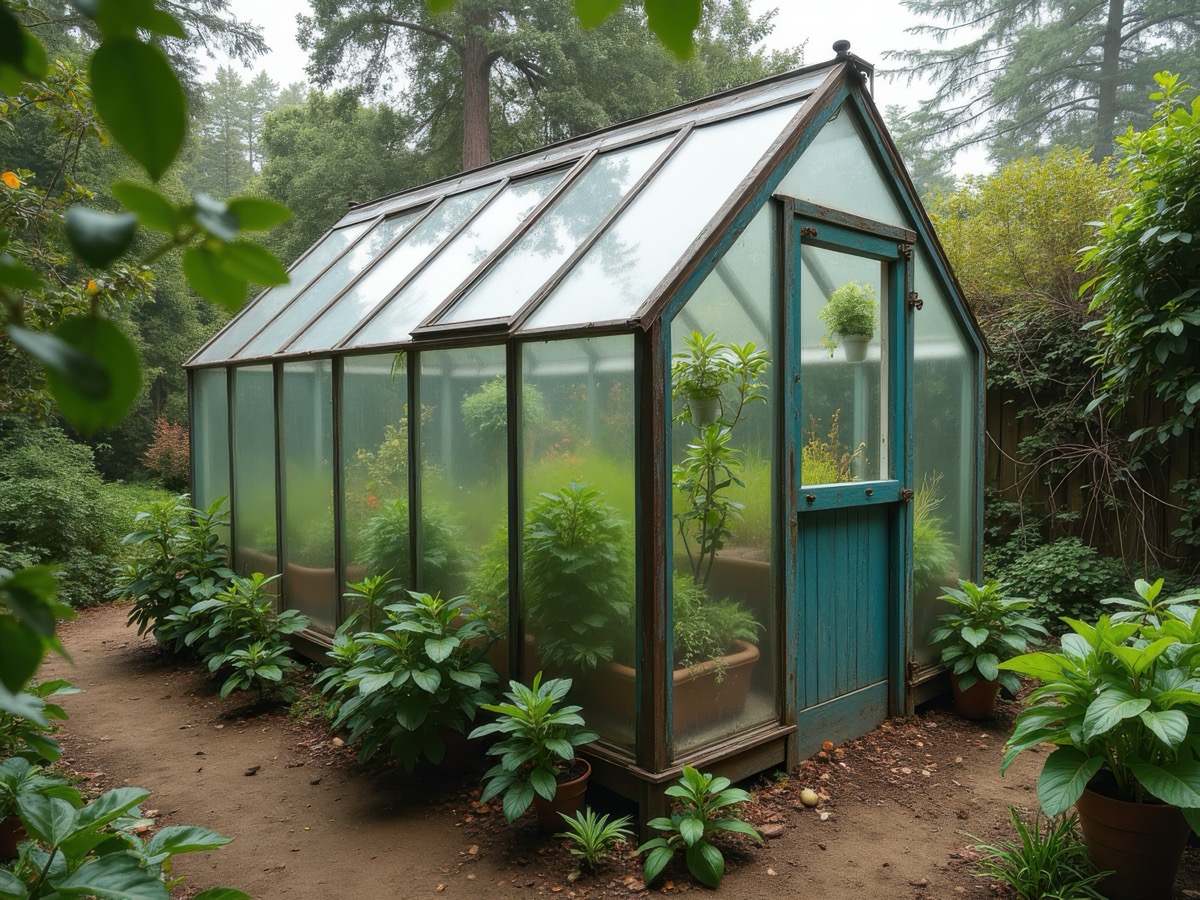
The transition from HPS to LED lighting represents one of the most significant advances in greenhouse technology, but yield impacts vary significantly by crop type and growing conditions. This comprehensive analysis examines real-world performance data to guide lighting decisions based on actual production results.
Fundamental technology differences
Light spectrum and plant response
HPS systems emit primarily yellow-orange wavelengths (550-650nm) with limited blue content, creating acceptable but suboptimal spectral distribution for most crops. The broad spectrum includes significant green wavelengths with limited photosynthetic efficiency.
LED systems provide precise spectral control with optimized red and blue wavelengths for maximum photosynthetic response. Full-spectrum LEDs include beneficial wavelengths often missing from HPS output, improving plant morphology and quality.
Energy conversion efficiency
Modern LED fixtures achieve 2.5-3.0 µmol/J compared to 1.5-1.7 µmol/J for HPS systems including ballast losses. This 60-80% efficiency advantage translates directly to reduced energy costs or increased light levels. Learn more about the most energy-efficient LED grow lights of 2025.
Heat output differences significantly impact greenhouse management, with LEDs producing 60% less waste heat than equivalent HPS systems. Reduced cooling requirements provide additional energy savings beyond direct lighting efficiency.
Crop-specific yield comparisons
Leafy greens performance analysis
Lettuce yield data:
- HPS baseline: 150-180 heads per m² annually
- LED optimized: 180-220 heads per m² annually
- Yield improvement: 20-25% increase with LED systems
Quality improvements: LED-grown lettuce shows improved color intensity, reduced tipburn, and extended shelf life compared to HPS production. Better spectrum control eliminates common quality issues.
Energy efficiency: LED systems achieve equivalent yields using 40% less energy, or increased yields using equivalent energy. Combined benefits justify conversion costs within 2-3 growing cycles.
Herb production comparisons
Basil production data:
- HPS baseline: 12-15 harvests annually per plant
- LED optimized: 15-18 harvests annually per plant
- Yield improvement: 25-30% increase with enhanced spectrum
Essential oil content: LED-grown herbs show 15-25% higher essential oil content due to optimized UV and blue wavelengths. Enhanced flavor compounds command premium pricing.
Production efficiency: Faster growth cycles under LED systems allow additional harvests per year while maintaining plant health and quality throughout extended production periods.
Fruiting vegetable results
Tomato greenhouse trials:
- HPS baseline: 45-55 kg/m² annually
- LED performance: 50-65 kg/m² annually
- Yield improvement: 10-20% increase depending on variety
Fruit quality metrics: LED production shows improved fruit firmness, higher Brix levels, and enhanced color development. Quality improvements justify premium positioning in markets.
Season extension: LED systems enable profitable production during low-light winter months when HPS systems become economically marginal due to energy costs. See our LED lighting schedule for winter greenhouse guide for optimization tips.
Real-world case studies
Commercial lettuce operation - Michigan
Facility specs: 50,000 sq ft controlled environment with side-by-side HPS and LED growing areas for direct comparison over 24-month period.
Results summary:
- LED area: 22% higher annual production
- Energy reduction: 45% lower electricity costs
- Labor efficiency: 15% reduction in harvest labor due to uniform ripening
- ROI achievement: 2.8-year payback period
Critical factors: Consistent environmental control and proper LED spectrum selection proved essential for achieving maximum benefits compared to HPS baseline.
Herb production facility - Netherlands
Operation details: 25,000 sq ft basil and cilantro production comparing 400W HPS vs 240W LED fixtures over identical growing areas.
Performance metrics:
- Harvest frequency: LED systems enabled 6 additional harvests annually
- Quality grades: 30% more premium-grade product under LED systems
- Energy costs: 55% reduction in lighting electricity consumption
- Maintenance: 80% reduction in bulb replacement labor and costs
Economic impact: Total operational savings exceeded $180,000 annually while improving product quality and market positioning.
Tomato greenhouse trial - Canada
Research parameters: University-controlled trial comparing identical tomato varieties under HPS and LED systems across full growing season.
Yield measurements:
- Total fruit weight: LED systems produced 18% higher yields
- Fruit count: 15% more marketable fruits per plant
- Grade distribution: 25% more extra-large fruits under LED systems
- Energy efficiency: 42% reduction in lighting energy per kg of fruit
Quality assessments: LED-grown tomatoes showed superior color development, firmness retention, and shelf life characteristics valued by premium markets.
Energy consumption analysis
Direct energy comparisons
1000W HPS system actual consumption:
- Lamp: 1000W
- Ballast losses: 100W
- Cooling requirements: 300-500W additional
- Total system: 1400-1600W
600W LED equivalent system:
- Fixture consumption: 600W
- Driver efficiency: 95%+ (minimal losses)
- Cooling reduction: 200-300W savings
- Net system improvement: 800-1000W reduction
Annual cost calculations
HPS operating costs (per 1000W):
- Annual electricity: 8,760 kWh × $0.12 = $1,051
- Cooling costs: Additional $400-600 annually
- Bulb replacements: $200-300 annually
- Total annual costs: $1,650-2,000
LED operating costs (equivalent output):
- Annual electricity: 5,256 kWh × $0.12 = $631
- Reduced cooling: $200-300 savings
- Maintenance: Minimal for 50,000+ hour life
- Total annual costs: $350-450
Annual savings: $1,200-1,500 per fixture replacement justifies LED investment within 2-3 years depending on fixture costs.
Environmental impact considerations
Heat load management
HPS systems require substantial cooling during warm weather, often necessitating oversized HVAC systems and increased operating costs. Summer cooling loads can exceed lighting energy consumption.
LED systems reduce peak cooling demands by 60-70%, allowing smaller HVAC systems and reduced peak electrical demand charges. Lower heat output improves environmental control precision.
Humidity and moisture effects
HPS heat drives excessive transpiration that creates humidity management challenges requiring increased ventilation and dehumidification. Excess moisture promotes disease pressure.
LED systems maintain more stable humidity levels with reduced transpiration stress. Better moisture control reduces fungicide requirements and improves crop health naturally.
Installation and operational factors
Infrastructure requirements
HPS installations require robust electrical systems for high current draws and substantial ventilation for heat removal. Legacy systems may require electrical upgrades for safe operation.
LED systems operate on standard electrical circuits with reduced infrastructure requirements. Lower power draws and heat output simplify installation and reduce support system costs.
Maintenance considerations
HPS systems require bulb replacement every 6-12 months with labor costs and disposal issues for spent bulbs containing hazardous materials. Maintenance scheduling disrupts production.
LED systems provide 50,000-100,000 hour operation with minimal maintenance requirements. Extended life reduces labor costs while eliminating hazardous waste disposal.
Economic decision framework
Break-even analysis calculations
Calculate payback periods using actual energy costs, expected yield improvements, and quality premiums achievable in local markets. Conservative projections ensure realistic expectations.
Factor in financing costs for LED upgrades and available utility rebates or tax incentives that reduce effective investment costs. Financial incentives often improve payback significantly.
Risk assessment factors
Consider technology evolution rates and potential obsolescence of current LED systems. Rapid advancement may favor leasing arrangements over outright purchase for some operations.
Evaluate supplier stability and warranty coverage for long-term LED investments. Quality manufacturers with strong warranties reduce technology adoption risks.
Future technology trends
Efficiency improvements
Emerging LED technologies promise 3.5+ µmol/J efficiency within 2-3 years, further widening the gap compared to HPS systems limited to current efficiency levels.
Spectral optimization research continues revealing specific wavelength combinations that enhance particular plant responses including yield, quality, and nutritional content.
Integration capabilities
Smart LED systems with environmental sensors and automatic controls optimize energy use while maintaining optimal growing conditions. Advanced controls improve efficiency beyond fixture improvements alone. Consider integrating wireless data loggers for comprehensive monitoring.
Connection with renewable energy systems becomes economically viable as LED efficiency reduces total power requirements. Solar and battery integration provide energy independence opportunities.
LED technology delivers superior yields, quality, and energy efficiency compared to HPS systems across most greenhouse crops and growing conditions. The transition requires proper system design and installation but provides substantial long-term benefits that justify investment costs for serious greenhouse operations.
Related Articles
- Full-Spectrum LED Greenhouse Fixtures Review - Compare top LED models
- Energy-Efficient LED Grow Lights 2025 - Latest efficiency leaders
- LED Lighting Schedule for Winter Greenhouse - Maximize winter yields
- Budget LED Light Strips for Seedling Shelves - Start small with LEDs