
Sierra Greenhouse Insights
Optimal LED Lighting Schedule for Winter Greenhouse Crops
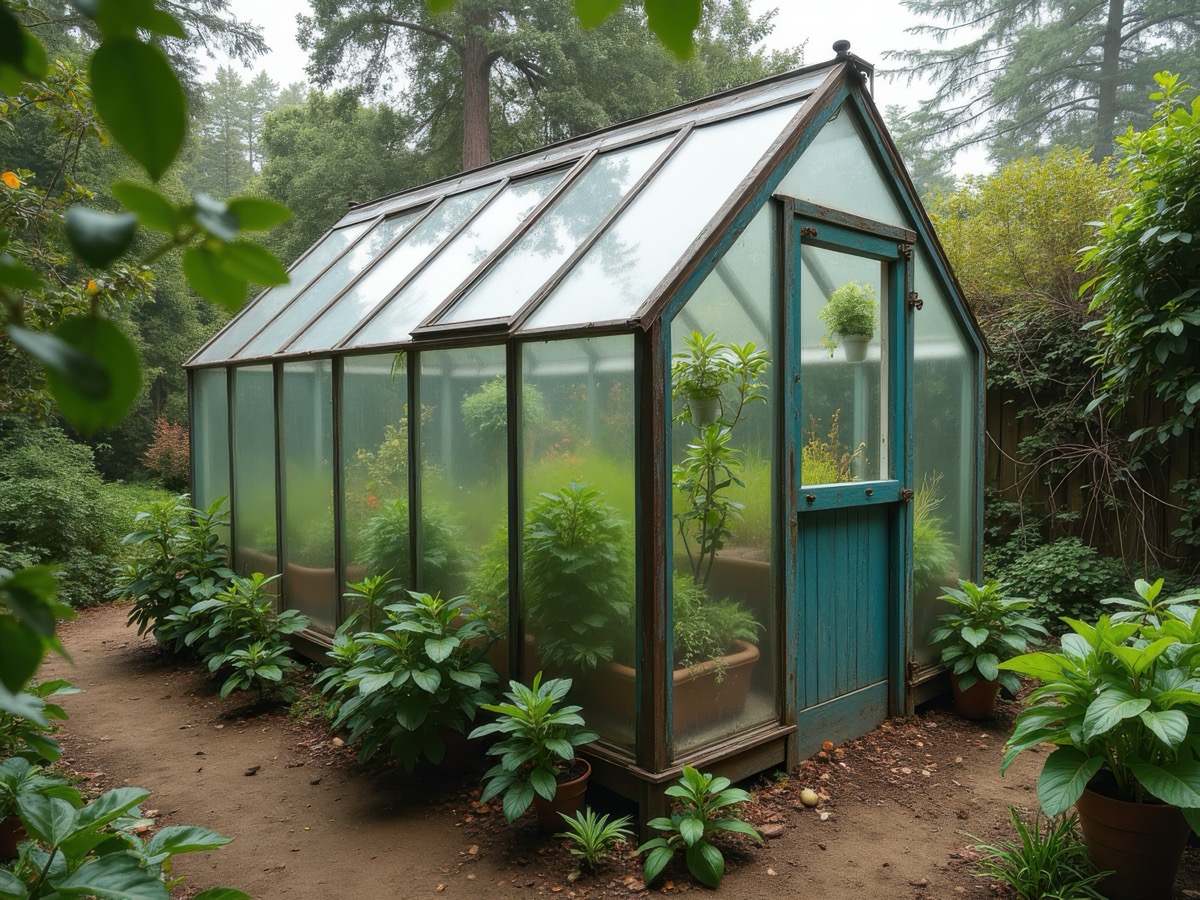
Winter greenhouse production relies on artificial lighting to compensate for reduced natural light levels and shortened day lengths. This comprehensive guide provides proven LED lighting schedules that maximize plant growth while optimizing energy efficiency during challenging winter conditions.
Winter light challenges in greenhouses
Natural light limitations
Winter solstice provides only 8-9 hours of daylight at northern latitudes, insufficient for most vegetable crops requiring 12-16 hours for optimal growth. Cloud cover further reduces available photons by 50-80% on overcast days.
Light intensity peaks at only 200-400 µmol/m²/s during winter compared to 2000+ µmol/m²/s in summer. This dramatic reduction necessitates supplemental lighting for productive winter growing.
Daily light integral requirements
Leafy greens require 12-17 mol/m²/day DLI for optimal growth, while fruiting vegetables need 20-30 mol/m²/day. Winter natural light provides only 2-6 mol/m²/day, creating substantial deficits requiring LED supplementation.
Calculate DLI gaps by measuring actual greenhouse light levels with quantum sensors. Real measurements guide LED scheduling better than theoretical calculations. Consider energy-efficient LED grow lights that maximize DLI delivery per watt.
Foundational lighting schedule principles
Photoperiod extension strategies
Extend natural daylight using LED arrays that operate during dawn and dusk hours when natural light intensity falls below 200 µmol/m²/s. This approach maximizes natural light utilization while minimizing energy costs.
Start LED operation 2-3 hours before sunrise and continue 2-3 hours after sunset to achieve 14-16 hour photoperiods for most crops. Adjust timing based on crop requirements and natural light availability.
Daily light integral planning
Target total DLI delivery through combined natural and artificial light sources. Monitor natural light contribution and adjust LED intensity to meet crop requirements without oversupplying.
Use dimming controls that automatically adjust LED output based on natural light sensors. Smart controls optimize energy use while maintaining consistent DLI delivery. Integrate with greenhouse automation systems for seamless operation.
Crop-specific lighting schedules
Leafy greens winter schedule
Lettuce and spinach optimal timing:
- 5:00 AM - LED start at 50% intensity
- 6:00 AM - Increase to 100% intensity
- 8:00 AM - Natural light integration begins
- 10:00 AM - Reduce LED to 25% intensity
- 4:00 PM - Return to 100% LED intensity
- 6:00 PM - Reduce to 50% intensity
- 8:00 PM - LED shutdown
Target parameters: 14-hour photoperiod delivering 15 mol/m²/day DLI with PPFD levels of 200-300 µmol/m²/s from LEDs during supplementation periods.
Herb production schedules
Basil and cilantro timing:
- 4:30 AM - LED start at 75% intensity
- 6:30 AM - Increase to 100% intensity
- 9:00 AM - Reduce to 50% intensity (natural light peak)
- 3:00 PM - Return to 100% intensity
- 7:00 PM - Reduce to 75% intensity
- 9:00 PM - LED shutdown
Target parameters: 16.5-hour photoperiod delivering 18-20 mol/m²/day DLI with enhanced red spectrum during flowering periods.
Fruiting vegetable schedules
Tomato and pepper winter lighting:
- 4:00 AM - LED start at 100% intensity
- 8:00 AM - Reduce to 25% intensity
- 4:00 PM - Return to 100% intensity
- 8:00 PM - LED shutdown
Target parameters: 16-hour photoperiod delivering 25-30 mol/m²/day DLI with PPFD levels of 400-600 µmol/m²/s during LED operation periods.
Advanced scheduling techniques
Sunrise and sunset simulation
Implement gradual intensity ramping that mimics natural sunrise and sunset patterns. Start LEDs at 10% intensity and increase 10% every 15 minutes to full output.
Reverse the process for sunset simulation, reducing intensity gradually over 60-90 minutes. Natural transitions reduce plant stress while maintaining photoperiod benefits.
Night interruption protocols
Use brief light periods during natural dark hours to manipulate flowering responses in day-neutral plants. Apply 10-15 minutes of low-intensity light at midnight for leafy greens.
Night interruption prevents premature bolting in lettuce and maintains vegetative growth in herbs. Use 50-100 µmol/m²/s intensity for effective response.
Cloudy day compensation
Install light sensors that trigger increased LED output during overcast conditions when natural light falls below threshold levels. Automatic compensation maintains consistent DLI delivery.
Set sensor thresholds at 150-200 µmol/m²/s to trigger LED activation during cloudy periods. Responsive systems prevent light stress during variable weather.
Energy optimization strategies
Time-of-use rate management
Program LED operation to avoid peak electricity rate periods when possible. Shift lighting schedules to off-peak hours for substantial cost savings.
Use battery storage systems that charge during off-peak hours and discharge during peak rate periods. Energy storage maximizes LED efficiency economics.
Dimming for efficiency
Implement intelligent dimming that reduces LED output when natural light exceeds minimum thresholds. Dimming prevents energy waste while maintaining adequate light levels.
Program seasonal dimming schedules that account for changing natural light patterns throughout winter months. Adaptive scheduling optimizes efficiency over time.
Zone lighting management
Operate different greenhouse zones on staggered schedules to reduce peak electrical demand. Sequential operation reduces demand charges while maintaining adequate lighting.
Prioritize lighting for high-value crops during peak demand periods. Strategic prioritization maximizes production value while managing energy costs.
Environmental integration considerations
Temperature coordination
Coordinate LED operation with heating systems to utilize waste heat from fixtures during cold periods. LED heat contribution reduces heating costs during winter operation. Review our winter greenhouse protection guide for integrated climate strategies.
Schedule high-intensity LED periods during coldest hours to provide supplemental heating. Strategic timing reduces total energy consumption for climate control.
Humidity management
Increase ventilation during LED operation periods to manage humidity from plant transpiration under artificial lighting. Adequate air movement prevents disease issues.
Monitor humidity levels more frequently during LED periods as increased transpiration can create excessive moisture. Maintain 60-70% relative humidity for optimal conditions.
CO₂ supplementation timing
Coordinate CO₂ injection with LED operation periods for maximum photosynthetic benefit. Enhanced CO₂ levels during light periods improve LED efficiency utilization.
Reduce CO₂ injection during dark periods to prevent waste and maintain proper ventilation. Synchronized operation optimizes both light and CO₂ benefits.
Monitoring and adjustment protocols
Light level verification
Use quantum sensors to verify actual PPFD levels at plant canopy height throughout greenhouse areas. Measurement confirms proper light distribution and intensity.
Map light levels across growing areas to identify hot spots or deficient zones requiring fixture adjustment. Even distribution maximizes production consistency.
Plant response monitoring
Observe plant growth rates, leaf color, and morphology to assess lighting schedule effectiveness. Visual indicators guide schedule adjustments for optimal results.
Track harvest timing and yields compared to summer production to evaluate winter lighting success. Performance data guides future season improvements.
Energy consumption tracking
Monitor actual energy usage against projected consumption to verify efficiency assumptions. Usage tracking identifies opportunities for schedule optimization.
Calculate lighting costs per unit of production to assess economic efficiency. Cost analysis guides investment decisions for lighting upgrades or expansions.
Seasonal schedule adjustments
Early winter transitions
Gradually increase LED operation hours as natural daylight decreases from fall into winter. Smooth transitions prevent plant shock while maintaining adequate light levels.
Begin supplemental lighting when natural photoperiods drop below 12 hours for most crops. Early intervention prevents growth slowdowns and quality reductions.
Mid-winter maximization
Operate LEDs at maximum beneficial levels during December and January when natural light reaches minimum levels. Peak winter requires maximum supplementation for productive growing.
Monitor plant responses closely during peak supplementation periods to prevent light stress from excessive intensity or duration. Balance maximum growth with plant health.
Late winter reduction
Begin reducing LED operation hours as natural daylight increases in February and March. Gradual reduction prevents energy waste while maintaining adequate light levels.
Transition back to natural light dominance by early spring to reduce energy costs and prepare plants for outdoor growing conditions.
Troubleshooting lighting schedules
Plant stress indicators
Leaf bleaching or curling indicates excessive light intensity requiring reduced LED output or shorter photoperiods. Immediate adjustment prevents permanent damage.
Stretching or pale coloration suggests insufficient light requiring increased intensity or extended photoperiods. Address deficiencies promptly to maintain production quality.
Energy cost management
High electricity bills may indicate inefficient scheduling or excessive light levels. Review actual crop requirements and adjust schedules to reduce unnecessary consumption.
Consider upgrading to more efficient fixtures if energy costs become prohibitive. Higher efficiency LEDs improve economics of winter production. Compare options in our full-spectrum LED fixtures review.
Equipment maintenance
Clean LED fixtures monthly during winter operation to maintain light output and prevent efficiency degradation. Dust accumulation reduces effective intensity significantly.
Monitor fixture temperatures to ensure adequate cooling during extended operation periods. Overheating reduces efficiency and shortens LED lifespan.
Optimal LED lighting schedules balance plant requirements with energy efficiency to maintain productive winter greenhouse operations. Success requires attention to crop needs, environmental integration, and continuous monitoring to achieve maximum results from artificial lighting investments.
Related Articles
- Energy-Efficient LED Grow Lights 2025 - Select the most efficient fixtures
- Year-Round Greenhouse Schedules - Plan seasonal lighting transitions
- LED vs HPS Greenhouse Yields Compared - Winter performance analysis
- Smart Greenhouse Temperature Sensor Setup - Monitor winter conditions