
Sierra Greenhouse Insights
LED Interlighting Strategies for Vertical Greenhouse Systems
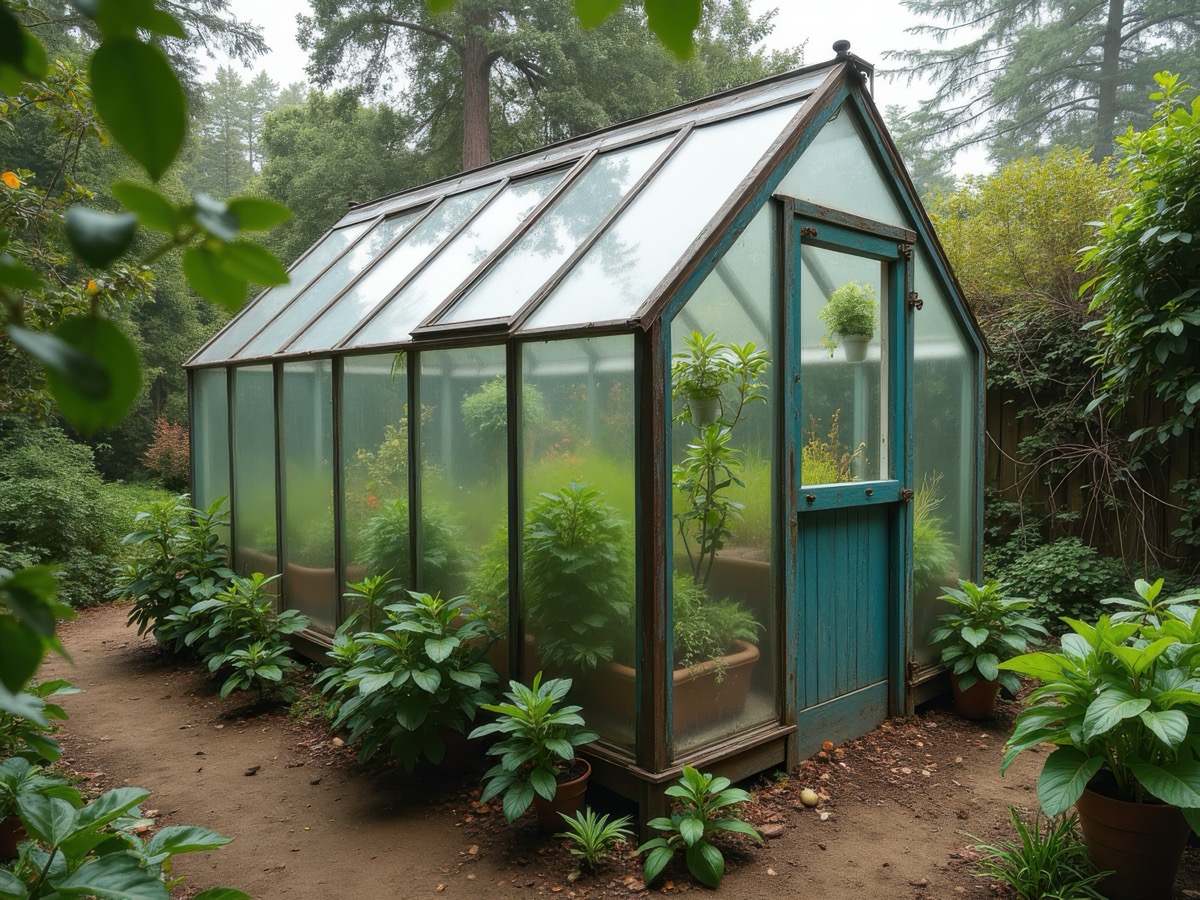
Intra-canopy LED lighting revolutionizes vertical greenhouse production by delivering targeted photosynthetic radiation directly to shaded lower leaves, dramatically improving yields and quality in multi-tier growing systems. This comprehensive guide explores advanced interlighting strategies that boost production by 20-40%¹ through intelligent supplemental light placement and management. For complete lighting solutions, see our greenhouse lighting guide.
Understanding interlighting fundamentals
Why lower leaves matter
In vertical growing systems, upper canopy layers inevitably shade lower leaves, reducing their photosynthetic contribution despite consuming plant resources for maintenance. These shaded leaves often operate below their light compensation point, becoming net energy drains rather than producers.
Interlighting transforms these underperforming leaves into productive powerhouses by providing supplemental photosynthetically active radiation (PAR) exactly where natural or overhead lighting cannot reach. This targeted approach maximizes whole-plant photosynthesis efficiency.
Research demonstrates that maintaining productive lower leaves through interlighting increases fruit size and quality in tomatoes, peppers, and cucumbers while accelerating ripening by 1-2 weeks. The enhanced source-sink balance supports heavier fruit loads without compromising plant health.
Unique advantages of LED technology
LED fixtures generate minimal radiant heat allowing placement within 6-12 inches of plant tissues without causing thermal damage. This proximity delivers high photosynthetic photon flux density (PPFD) efficiently compared to traditional HPS interlighting requiring greater distances.
Directional LED output focuses light precisely on target leaves minimizing waste on aisles or structural components. Modern horticultural LEDs achieve photosynthetic photon efficacy exceeding 2.8 μmol/J, translating to significant energy savings.
Spectral customization enables optimization for specific growth responses. Red-heavy spectrums promote flowering and fruiting while blue additions enhance vegetative growth and plant architecture when needed.
Strategic placement principles
Vertical positioning optimization
Install interlighting fixtures at one-third and two-thirds plant height for optimal coverage in tall crops like tomatoes and cucumbers. This distribution ensures all productive leaves receive supplemental lighting without excessive overlap.
For multi-tier rack systems, position LED bars horizontally between growing levels directing light both upward and downward. Bi-directional fixtures maximize efficiency illuminating two canopy layers simultaneously. Learn about stacking hydroponic racks for vertical systems.
Adjust mounting heights as crops mature maintaining optimal distances from growing canopies. Motorized mounting systems enable automated height adjustments responding to plant growth patterns.
Horizontal spacing calculations
Calculate horizontal spacing based on beam angle and desired uniformity. Wide-angle 120° fixtures space 24-30 inches apart achieving 80% uniformity at canopy level, while narrow 90° beams require 18-24 inch spacing.
Stagger fixtures in adjacent rows creating overlapping light patterns eliminating dark spots. Chess-board arrangements provide superior uniformity compared to aligned grid patterns.
Consider natural light gradients when planning interlighting density. North-facing walls and heavily shaded areas benefit from closer spacing compensating for reduced ambient lighting.
Angular adjustments for penetration
Angle fixtures 15-30° from horizontal improving light penetration into dense canopies. Slight downward angles prevent light waste on upper leaves already receiving adequate overhead illumination.
Rotate fixtures seasonally accounting for changing sun angles affecting natural light distribution within vertical systems. Winter months benefit from steeper angles while summer requires more horizontal orientation.
Install adjustable mounting brackets enabling fine-tuning based on specific crop architecture and growth patterns. Flexibility optimizes performance across diverse crop types within single installations.
Light quality specifications
Spectrum optimization strategies
Design interlighting spectrums complementing existing overhead lighting rather than duplicating it. If overhead fixtures provide full-spectrum white light, interlighting can focus on specific wavelengths targeting desired responses.
Red wavelengths (660nm) drive photosynthesis most efficiently making them ideal for production-focused interlighting. Include 10-20% far-red (730nm) promoting stem elongation and earlier flowering in responsive species.
Blue light (450nm) additions at 5-15% of total output enhance chlorophyll production and regulate stomatal opening. Higher blue percentages prove beneficial during vegetative growth phases.
Intensity requirements by crop
Leafy greens and herbs thrive with interlighting providing 50-100 μmol/m²/s supplementing ambient conditions. These lower light crops respond dramatically to modest supplementation.
Fruiting vegetables require 100-200 μmol/m²/s interlighting for optimal results. Tomatoes particularly benefit from higher intensities supporting fruit development and ripening acceleration.
Adjust intensities based on growth stage with seedlings requiring minimal supplementation gradually increasing through vegetative growth and maximizing during reproductive phases.
Photoperiod coordination
Synchronize interlighting schedules with overhead lighting maintaining consistent photoperiods. Extending day length through interlighting alone can disrupt flowering in photoperiod-sensitive crops.
Implement dawn/dusk ramping mimicking natural light transitions. Gradual intensity changes reduce plant stress while optimizing energy consumption during partial-load periods.
Consider split photoperiods providing interlighting during natural light gaps. Mid-day supplementation during cloudy periods maintains consistent daily light integrals.
Integration with vertical systems
Rack system compatibility
Select low-profile LED fixtures maintaining maximum clearance between growing tiers. Linear designs under 2 inches thick preserve valuable vertical space in tight configurations.
Install fixtures on sliding tracks enabling access for maintenance and harvesting. Quick-release mounting systems facilitate cleaning and bulb replacement without disrupting crops.
Waterproof fixtures rated IP65 or higher withstand irrigation overspray and high humidity conditions typical in vertical production systems. Sealed designs prevent corrosion ensuring longevity.
NFT and aeroponic adaptations
Mount interlighting parallel to NFT channels illuminating root zones and lower stems often completely shaded in vertical configurations. Root zone lighting can enhance nutrient uptake in some species.
Position fixtures avoiding interference with spray patterns in aeroponic towers. Strategic placement prevents shadow zones while maintaining misting effectiveness.
Design mounting systems accommodating system maintenance like channel cleaning or nozzle replacement. Hinged or removable fixtures simplify routine service procedures.
Tower system modifications
Install vertical LED strips on rotating tower systems providing consistent exposure as plants revolve. Synchronize lighting with rotation speeds ensuring uniform daily light integrals.
For stationary towers, position interlighting on multiple sides preventing permanently shaded sectors. Three or four fixtures per tower level typically achieve acceptable uniformity.
Consider flexible LED strips conforming to curved tower surfaces maximizing light utilization. Adhesive-backed options simplify retrofitting existing tower structures.
Control system implementation
Sensor-based automation
Deploy quantum sensors at multiple canopy levels monitoring actual light conditions. Real-time PPFD measurements enable dynamic interlighting adjustments maintaining target intensities. Integrate with greenhouse automation systems for optimal control.
Integrate temperature sensors preventing excessive heat buildup from concentrated lighting. Automated dimming protects sensitive crops during extreme conditions.
Link environmental controls coordinating interlighting with ventilation and cooling systems. Preemptive adjustments prevent temperature spikes when supplemental lighting activates.
Daily light integral management
Calculate required supplemental lighting based on daily light integral (DLI) targets minus natural light contributions. Automated systems adjust interlighting duration and intensity maintaining consistent DLI regardless of weather.
Program seasonal adjustments accounting for changing natural light availability. Winter operations require extended supplementation while summer may need minimal interlighting.
Implement crop-specific DLI targets optimizing growth while minimizing energy consumption. Over-lighting wastes electricity without proportional yield benefits beyond saturation points.
Energy optimization algorithms
Utilize time-of-use electricity pricing scheduling intensive lighting during off-peak hours when possible. Shifting photoperiods slightly can achieve significant cost savings.
Implement demand response capabilities reducing lighting during peak grid stress periods. Voluntary curtailment programs often provide financial incentives offsetting minor production impacts.
Monitor fixture efficiency degradation scheduling replacement before output drops below economic thresholds. LED output typically declines 20-30% over 50,000 hour lifespans.
Troubleshooting common issues
Light distribution problems
Address uneven growth patterns by mapping PPFD throughout vertical systems identifying low-light zones. Supplemental fixtures or reflectors correct persistent dark spots.
Evaluate leaf orientation relative to interlighting angles. Some crops naturally position leaves sub-optimally requiring fixture adjustments for effective illumination.
Monitor for phototropism where plants lean toward intense interlighting. Reduce intensity or improve distribution preventing structural problems from directional growth.
Heat stress management
Despite LED efficiency, concentrated interlighting can create localized heat stress. Install circulation fans dispersing heat pockets maintaining uniform temperatures.
Select fixtures with superior thermal management extending LED lifespan while reducing radiant heat. Passive heatsinks outperform active cooling in dusty greenhouse environments.
Schedule interlighting during cooler periods when possible. Night interruption lighting for photoperiod control coincides with lower ambient temperatures.
Integration conflicts
Coordinate interlighting schedules with biological control programs. Some beneficial insects exhibit behavioral changes under supplemental lighting requiring adjusted release timing.
Prevent irrigation timing conflicts where water droplets on leaves can focus LED light causing burn spots. Separate watering and peak lighting periods by minimum two hours.
Address worker safety concerns from bright interlighting at eye level. Install shields or schedule maintenance during off-hours protecting staff from excessive exposure.
Economic optimization
Cost-benefit calculations
Interlighting installations typically cost $15-30 per square foot of growing area including fixtures, controls, and installation. Premium LED fixtures command higher prices but offer superior efficiency and longevity.
Calculate payback periods based on crop-specific yield improvements. Tomato operations often achieve 12-18 month payback through 20-30% yield increases and accelerated ripening. Understand complete economics of vertical systems.
Factor reduced heating costs as LED fixtures contribute beneficial warmth during cold seasons. Every watt of LED power becomes heat eventually, offsetting heating requirements.
Fixture selection criteria
Compare photosynthetic photon efficacy ratings selecting fixtures exceeding 2.5 μmol/J for optimal efficiency. Higher efficacy directly translates to lower operating costs.
Evaluate warranty terms and expected lifespans. Quality fixtures offering 5-year warranties and 50,000+ hour ratings justify premium pricing through reduced replacement frequency.
Consider modular designs enabling spectrum or intensity upgrades as technology advances. Future-proof installations adapt to changing requirements without complete replacement.
Scaling strategies
Begin with partial installations in highest-value crop areas proving economic benefits before system-wide deployment. Success metrics guide expansion decisions.
Negotiate volume pricing for large installations. Manufacturers typically offer 20-30% discounts for orders exceeding 100 fixtures making comprehensive retrofits more economical.
Explore utility rebates and agricultural technology grants offsetting initial costs. Many regions incentivize energy-efficient greenhouse upgrades including LED lighting systems.
LED interlighting transforms vertical greenhouse systems from light-limited operations into highly productive year-round facilities. Strategic placement, intelligent controls, and careful integration with existing systems unlock the full potential of multi-tier growing while managing energy costs effectively. As LED technology continues advancing with improved efficiency and declining costs, interlighting becomes increasingly essential for competitive vertical greenhouse operations.
References
¹ Gómez, C., et al. (2013). "Growth Responses of Tomato Seedlings to Different Supplemental LED Lightings." HortScience, 48(1), 40-46.
² Poulet, L., et al. (2014). "Significant Reduction in Energy for Plant-Growth Lighting in Space Using Targeted LED Solutions." Life Sciences in Space Research, 2, 43-53.
³ Zhang, X., et al. (2019). "LED Interlighting Improves Photosynthesis and Increases Tomato Yield in Greenhouse Production." Journal of Integrative Agriculture, 18(1), 62-69.
⁴ Hao, X., et al. (2012). "Continuous LED Lighting Enhances Growth and Yield While Decreasing Energy Use in Greenhouse Production." Acta Horticulturae, 956, 51-57.
Author: Mike Thompson, P.E. - Agricultural Engineer with 20+ years of greenhouse system design experience. See full credentials.