
Sierra Greenhouse Insights
Lean-To Power: Turn Any Wall into a Thriving Garden Room
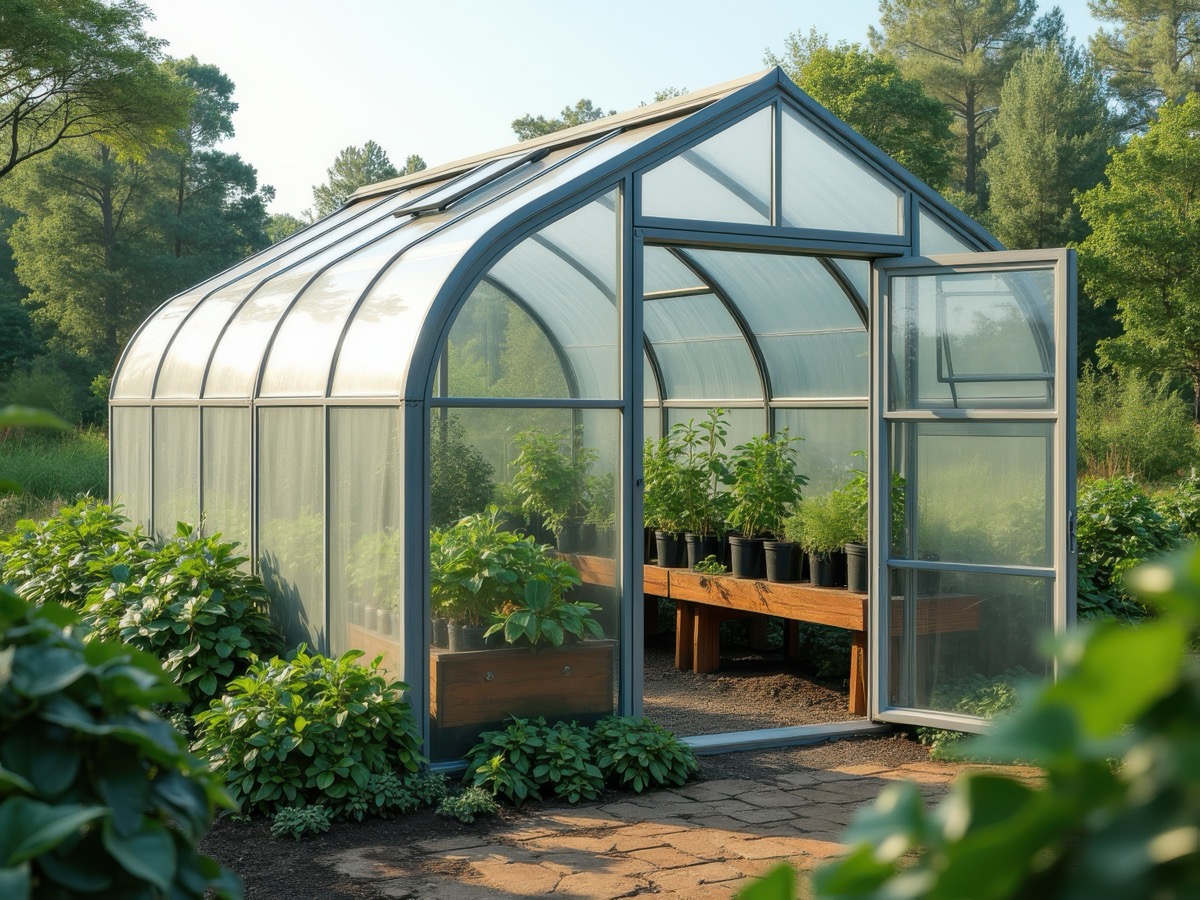
Transform that sunny south-facing wall into your home's most productive square footage. A lean-to greenhouse captures free solar heat bouncing off your home while tapping directly into existing utilities—advantages freestanding structures can't match. Whether you're working with a narrow six-foot strip along a brick wall or planning a twenty-four-foot garden paradise, this guide reveals exactly how to build right, avoid moisture nightmares, and slash heating costs by up to forty percent compared to standalone greenhouses.
Table of Contents
- Why Lean-To Greenhouses Excel
- Cost Analysis & ROI
- Critical Design Specifications
- Foundation & Moisture Management
- Wall Attachment Methods
- Utilities Integration
- Size Planning Guide
- Common Mistakes to Avoid
- Step-by-Step Construction
- Seasonal Performance
- Small Space Solutions
- FAQs
Why Lean-To Greenhouses Excel
The genius of lean-to design lies in leveraging your home's existing infrastructure while creating an intimate growing environment that feels like a natural extension of your living space.
The Heat Sink Advantage
Your home's wall acts as a massive thermal battery:
- Daytime: Absorbs and stores solar radiation
- Nighttime: Releases stored heat gradually
- Result: 5-10°F warmer than freestanding structures
- Savings: 30-40% reduction in heating costs
Real-World Example: A properly oriented 8x12 lean-to against a brick wall maintains 45°F overnight when outdoor temperatures drop to 25°F—without supplemental heating.
Space Efficiency Mathematics
Lean-to greenhouses deliver more growing area per square foot of yard space:
- Traditional 8x10: Requires 12x14 footprint with setbacks
- 8x10 Lean-to: Needs only 10x12 footprint
- Space Saved: 28% smaller footprint
- Bonus: No wasted north-wall space
Convenience Factors
Immediate Access Benefits:
- Step from kitchen to harvest in seconds
- Monitor plants during morning coffee
- Quick ventilation adjustments
- Emergency access during storms
- Pet-safe when integrated with home
Cost Analysis & ROI
Understanding true costs helps justify the investment and choose between DIY and professional installation.
Material Cost Breakdown (2025 Prices)
6x8 Basic Lean-To:
- Aluminum frame kit: $800-1,200
- Polycarbonate panels (8mm): $400-600
- Foundation materials: $150-250
- Flashing and sealants: $100-150
- Hardware and misc: $100-150
- Total Materials: $1,550-2,350
8x12 Premium Lean-To:
- Heavy-duty frame kit: $1,800-2,500
- Twin-wall polycarbonate (10mm): $800-1,200
- Concrete foundation: $300-500
- Professional flashing system: $200-300
- Accessories (vents, shelving): $300-500
- Total Materials: $3,400-5,000
Labor Considerations
DIY Timeline:
- 6x8 Basic: 2-3 weekends (16-24 hours)
- 8x12 Premium: 3-4 weekends (24-32 hours)
- Skill level required: Intermediate
- Tools needed: $200-400 if not owned
Professional Installation:
- Add 60-100% to material costs
- Includes permits and warranties
- Completed in 2-3 days
- Peace of mind on moisture management
Return on Investment Calculation
Annual Savings & Production:
- Heating savings vs. freestanding: $300-500
- Produce value (year-round): $1,200-2,400
- Avoided grocery organic premium: $600-1,000
- Home value increase: 50-70% of cost
Payback Period: 2-4 years for most installations
Hidden Cost Factors
Often overlooked expenses that impact total investment:
- Permits: $50-300 depending on location
- Electrical run from house: $200-500
- Water line (if adding sink): $300-800
- Automatic vent openers: $40-60 each
- Shade cloth for summer: $50-100
Critical Design Specifications
Proper design prevents problems and maximizes performance throughout the seasons.
Optimal Roof Pitch Calculations
The roof angle affects snow shedding, light transmission, and interior height:
Climate-Based Recommendations:
- Heavy Snow (Zone 3-5): 8/12 pitch (33.7°) minimum
- Moderate Snow (Zone 6-7): 6/12 pitch (26.6°) adequate
- Minimal Snow (Zone 8+): 4/12 pitch (18.4°) sufficient
Formula: Latitude + 15° = Optimal winter angle
Orientation for Maximum Solar Gain
Best Wall Exposures Ranked:
- South-facing: 100% solar potential
- Southeast: 90% potential, morning warmth
- Southwest: 85% potential, afternoon heat
- East: 60% potential, gentle morning sun
- West: 55% potential, intense afternoon heat
Never Attach To: North-facing walls (inadequate light)
Size Planning by Purpose
Minimum Functional Dimensions:
- Seed Starting Station: 4x6 feet
- Year-Round Vegetables: 6x8 feet
- Mixed Production: 8x12 feet
- Commercial Scale: 10x20+ feet
Height Considerations:
- Minimum eave height: 6 feet
- Comfortable working height: 6.5-7 feet
- Allows for hanging baskets: 8+ feet
- Professional recommendation: 7 feet minimum
Foundation & Moisture Management
The foundation determines structural integrity and moisture control—critical when attaching to your home.
Foundation Options Ranked
-
Concrete Slab with Perimeter Insulation
- Best for: Permanent installations
- Cost: $8-12 per square foot
- Advantages: Superior drainage, thermal mass
- Includes: 4" gravel base, vapor barrier, 4" concrete
-
Concrete Block Perimeter
- Best for: Moderate budgets
- Cost: $5-8 per square foot
- Advantages: Good drainage, easier than slab
- Requires: Level sand base, filled cores
-
Treated Timber Frame
- Best for: DIY builders
- Cost: $3-5 per square foot
- Advantages: Simple construction
- Caution: Replace every 10-15 years
Moisture Prevention System
Five-Layer Defense Strategy:
-
Gravel Base (4-6 inches)
- Provides drainage away from house
- Prevents frost heaving
- Creates capillary break
-
Vapor Barrier (6mil minimum)
- Stops ground moisture migration
- Overlaps foundation by 6 inches
- Sealed at all penetrations
-
Perimeter Drainage
- French drain connected to downspouts
- Slopes away from house foundation
- Daylight or dry well termination
-
Wall Protection
- 1-inch air gap behind greenhouse
- Allows brick wall to breathe
- Prevents trapped moisture
-
Proper Flashing
- Extends under house siding
- Overlaps greenhouse roof
- Z-bar profile for positive drainage
Critical Moisture Details
Top Connection Flashing:
House Siding
    |
    ├── Flashing (under siding)
    |     ├── Z-bar profile
    |     └── Extends 4" minimum
    |
Greenhouse Roof (slopes away)
Bottom Wall Detail:
House Wall
    |
    ├── 1" Air Gap
    |     ├── Breathable membrane
    |     └── Pest screen
    |
Foundation (slopes away 2%)
Wall Attachment Methods
Secure attachment without compromising your home's envelope requires specific techniques for different wall types.
Brick Wall Attachment
Materials Needed:
- Galvanized angle brackets (every 3 feet)
- Stainless steel sleeve anchors
- Butyl rubber washers
- High-quality exterior caulk
Installation Process:
- Mark bracket locations avoiding mortar joints
- Drill with masonry bit (proper size critical)
- Install anchors with butyl washers
- Apply caulk bead before final tightening
- Verify level and plumb frequently
Pro Tip: Rent a hammer drill—standard drills overheat and wander.
Wood Siding Attachment
Best Practice Method:
- Locate and mark wall studs
- Install ledger board with proper flashing
- Use structural screws, not nails
- Space fasteners 16" on center
- Seal all penetrations immediately
Stucco and Composite Sidings
Special Considerations:
- Requires careful moisture management
- May need building paper repair
- Consider professional installation
- Document for warranty purposes
Never Do This
Attachment Mistakes That Cause Damage:
- Don't cover ventilation air bricks
- Never trap moisture against siding
- Avoid drilling into window headers
- Don't attach to deteriorating surfaces
- Never skip the air gap
Utilities Integration
Leveraging your home's existing utilities transforms a basic lean-to into a four-season growing paradise.
Electrical Integration
Code-Compliant Installation:
- GFCI protection required
- Weatherproof outlets every 6 feet
- Dedicated 20-amp circuit recommended
- Professional installation: $200-500
Smart Additions:
- Thermostatically controlled outlets
- Timer-controlled grow lights
- Ventilation fan circuits
- Security lighting
Water Access Options
Simple Solution: Frost-proof hose bib
- Cost: $150-300 installed
- Allows winter watering
- Easy DIY installation
- Add quick-disconnect fittings
Upgrade Option: Sink Installation
- Hot/cold water access
- Convenient for washing produce
- Potting bench integration
- Cost: $500-1,200 installed
Heating Integration
Efficient Options:
-
Register Extension: $50-100
- Taps existing HVAC
- Requires careful balancing
- Zone damper recommended
-
Electric Baseboard: $200-400
- Independent control
- Even heat distribution
- Higher operating cost
-
Radiant Floor: $800-1,500
- Most efficient option
- Excellent for root zones
- Professional installation required
Size Planning Guide
Choosing the right size balances available space, budget, and growing ambitions.
Small but Mighty (4x6 to 6x8)
Perfect For:
- Urban gardens
- Seed starting
- Herb production
- Limited budgets
Layout Maximization:
- Wall-mounted shelving
- Ceiling hooks for hanging plants
- Fold-down work surface
- Under-bench storage
Expected Yield: Fresh herbs and salads for 2-4 people year-round
The Sweet Spot (8x10 to 8x12)
Ideal Balance Of:
- Comfortable working space
- Diverse crop potential
- Reasonable heating costs
- DIY-friendly size
Smart Features:
- Central pathway (24" minimum)
- Two-tier benching
- Overhead storage
- Potting station
Expected Yield: Full vegetable variety for 4-6 people plus flowers
Going Bigger (10x16 to 12x24)
Considerations:
- May require permits
- Professional design helpful
- Significant heat sink benefit
- Commercial potential
Advanced Systems:
- Automated irrigation
- Climate control zones
- Propagation area
- Integrated storage
Common Mistakes to Avoid
Learn from others' expensive errors before breaking ground.
Moisture Management Failures
Mistake: Skipping the air gap Result: Rotted siding, mold growth, warranty void Solution: Maintain 1" minimum gap with screening
Mistake: Inadequate flashing Result: Water infiltration, structural damage Solution: Professional-grade flashing system
Structural Errors
Mistake: Undersized foundation Result: Settling, gaps, door problems Solution: Minimum 12" deep, below frost line
Mistake: Wrong roof pitch Result: Snow damage, leaks, poor drainage Solution: Calculate for your specific climate
Design Flaws
Mistake: North wall attachment Result: Inadequate light, poor growth Solution: South or southeast exposure only
Mistake: Blocking home windows Result: Dark interior rooms, code violations Solution: Maintain window clearances
Step-by-Step Construction
A methodical approach ensures professional results and prevents costly mistakes.
Phase 1: Planning and Permits (Week 1)
-
Check Local Codes
- Setback requirements
- Height restrictions
- Permit necessities
- HOA approvals
-
Detailed Measurements
- Wall dimensions
- Utility locations
- Window clearances
- Grade changes
-
Order Materials
- Allow 2-3 week lead time
- Verify all components included
- Plan delivery access
Phase 2: Foundation Preparation (Weekend 1)
-
Excavation
- Mark utilities first (811 call)
- Dig 12" below frost line
- Create 2% slope away from house
- Compact subgrade
-
Base Preparation
- Install gravel base
- Lay vapor barrier
- Set perimeter forms
- Install reinforcement
-
Pour Foundation
- Order proper concrete mix
- Finish surface smooth
- Install anchor bolts
- Cover and cure properly
Phase 3: Frame Assembly (Weekend 2)
-
Wall Attachment
- Install ledger with flashing
- Verify level constantly
- Space brackets properly
- Document for warranty
-
Frame Erection
- Follow manufacturer sequence
- Check square frequently
- Don't fully tighten yet
- Install temporary bracing
-
Roof Structure
- Verify proper pitch
- Install ridge beam
- Add intermediate supports
- Prepare for panels
Phase 4: Glazing and Finishing (Weekend 3)
-
Panel Installation
- Start from bottom up
- Maintain expansion gaps
- Use proper fasteners
- Install carefully in wind
-
Sealing and Flashing
- Complete top flashing
- Seal all connections
- Install door and vents
- Test operation
-
Final Details
- Install shelving
- Add utilities
- Test drainage
- Clean thoroughly
Seasonal Performance
Understanding seasonal dynamics optimizes year-round production.
Winter Optimization
Passive Heating Strategies:
- Black water barrels for thermal mass
- Bubble wrap insulation on north areas
- Row covers for extra protection
- Reflective insulation behind plants
Temperature Expectations:
- Outside: 20°F
- Lean-to interior: 35-45°F
- With minimal heat: 50-60°F
- Energy use: 60% less than freestanding
Summer Cooling
Preventing Overheating:
- Install 40% shade cloth by May
- Automatic vent openers essential
- Consider exhaust fan for extreme heat
- Maintain air gap ventilation
Natural Cooling Methods:
- Morning watering for evaporative cooling
- White shade paint on roof (removable)
- Open door for cross-ventilation
- Misting system for extreme days
Spring Transition
March-April Tasks:
- Remove winter insulation gradually
- Start heat-loving seedlings
- Monitor for wide temperature swings
- Begin hardening off process
Fall Preparation
September-October Focus:
- Clean panels for maximum light
- Check weather seals
- Service heating systems
- Plant cold-hardy crops
Small Space Solutions
Maximize production in minimal square footage with vertical thinking.
The 4x6 Marvel
Vertical Growing Systems:
- Stacked seed trays: 200+ plants
- Wall pockets: 50+ herbs
- Hanging baskets: 6-8 tomatoes
- Trellis systems: 20 cucumber plants
Space-Saving Bench Design:
    Wall
    ====
    |||| <- Shelving (12" deep)
    ____
   |____| <- Fold-down bench
    ||||  <- Tool storage
   Ground
Balcony Adaptations
Lightweight Solutions:
- Polycarbonate instead of glass
- Aluminum framing
- Modular designs
- Weight: 15-20 lbs/sq ft
Renter-Friendly Options:
- Freestanding against wall
- No permanent attachment
- Moves with you
- Damage-free installation
Window Box Extensions
Micro Lean-To Concept:
- 2x4 foot projection
- Kitchen window access
- Year-round herbs
- Under $500 complete
Frequently Asked Questions
Will a lean-to greenhouse damage my house's brick wall?
Not if installed correctly. The critical factor is maintaining a 1-inch air gap between the greenhouse and your wall, allowing the brick to breathe and preventing moisture accumulation. Use proper flashing at the top connection and ensure the foundation slopes away from your home. Never cover ventilation air bricks, and apply quality caulking at attachment points. With these precautions, a lean-to actually protects your wall from weather.
How much can I really save on heating costs?
Heating savings average 30-40% compared to freestanding greenhouses. A south-facing brick wall acts as a thermal mass, absorbing heat during the day and releasing it at night. Real example: An 8x12 lean-to in Zone 5 costs approximately $45-65 monthly to maintain at 50°F, while a similar freestanding structure costs $95-125. The shared wall eliminates heat loss from one entire side.
What's the minimum size that's actually useful?
A 4x6 foot lean-to provides surprising functionality for dedicated gardeners. This size accommodates 3-4 shelf levels for seed starting (200+ seedlings), year-round herb production for a family of four, and season extension for 6-8 tomato plants using vertical growing. The key is maximizing vertical space with wall-mounted shelving and hanging systems.
Do I need a permit for a lean-to greenhouse?
Permit requirements vary significantly by location. Generally, structures under 120 square feet may not require permits, but attachment to your home often triggers permit requirements regardless of size. Many jurisdictions consider lean-tos as home additions. Always check with your local building department and HOA before starting construction. The permit process typically costs $50-300 and helps ensure proper installation.
Can I install a lean-to if I have vinyl or aluminum siding?
Yes, but it requires extra care to prevent moisture problems. Install a properly flashed ledger board attached to the wall studs, not just the siding. You may need to temporarily remove siding sections to install proper flashing underneath. Consider hiring a professional for this type of installation to maintain your home's weather barrier and siding warranty. Budget an extra $200-500 for proper flashing and sealing work.
What about attaching to a west or east-facing wall?
East-facing walls work well for cool-season crops and morning-loving plants, receiving gentle morning sun without afternoon heat stress. West-facing installations get intense afternoon sun, requiring significant summer shading but providing excellent late-day warmth in winter. Both orientations can succeed with proper plant selection and seasonal management. East is generally preferred for year-round vegetable production.
Conclusion: Your Wall-to-Garden Transformation
A properly designed lean-to greenhouse transforms dead wall space into your home's most productive square footage. By leveraging your home's thermal mass, existing utilities, and protective shelter, you create an intimate growing environment that outperforms freestanding structures while costing less to build and operate.
Success hinges on respecting the critical details: proper moisture management, adequate foundation work, and appropriate sizing for your needs. Whether you're planning a compact 4x6 herb garden or an expansive 12x24 production facility, the principles remain constant—work with your home's structure, not against it.
The time to start is now. Every season you delay means missed harvests and higher grocery bills. Your south-facing wall stands ready to become a four-season garden room where February tomatoes and November salads become your new normal.
Additional Resources
Related Articles
- Greenhouse Climate Control
- Year-Round Growing Guide
- Small Space Greenhouse Ideas
- DIY Greenhouse Foundations
Planning Tools
Professional Resources
Ready to transform your wall into a thriving garden room? Contact our greenhouse specialists for personalized design assistance and exclusive deals on lean-to greenhouse kits.