
Sierra Greenhouse Insights
Greenhouse Water Management: Complete Guide to Irrigation and Drainage
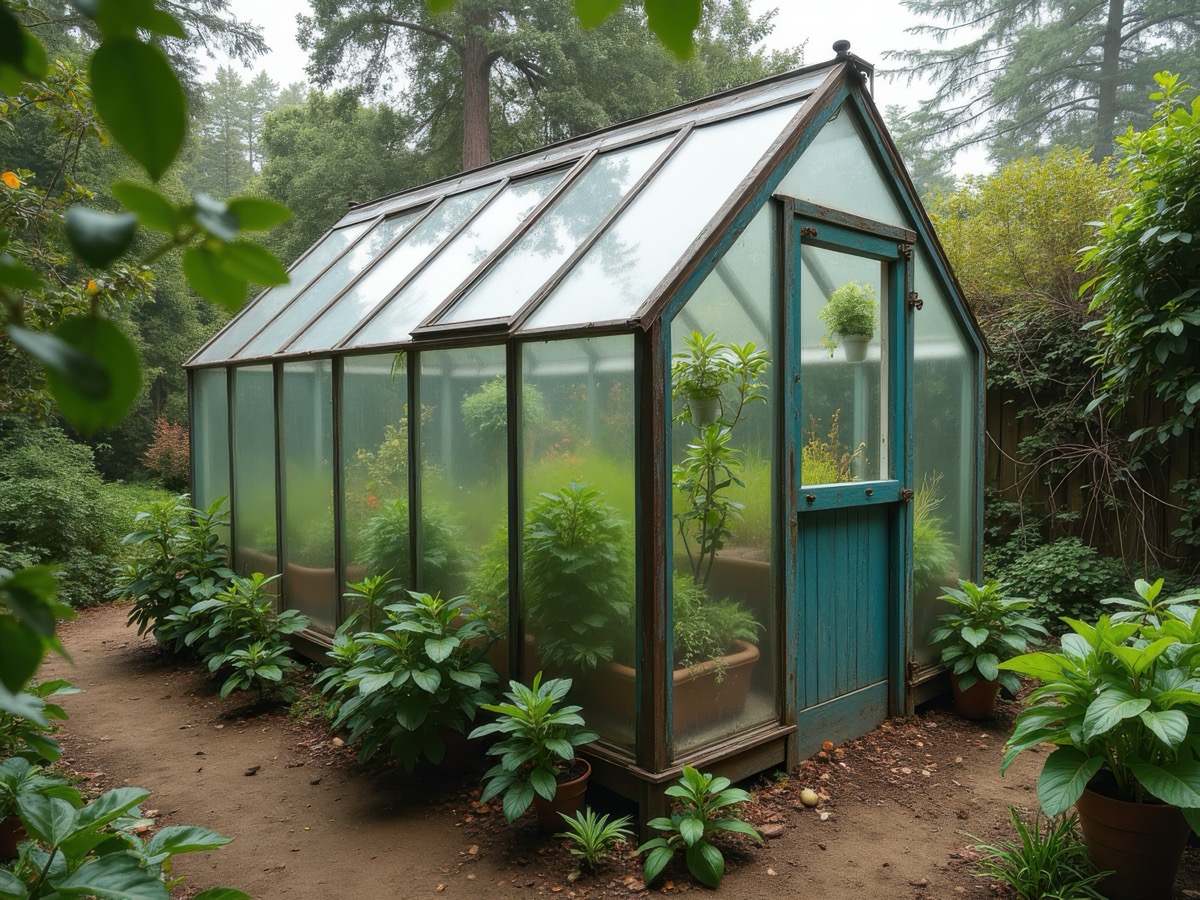
Effective water management is crucial for greenhouse success, directly impacting plant health, growth rates, and overall productivity. Whether you're growing vegetables, flowers, or specialty crops, understanding how to properly manage water in your greenhouse environment will dramatically improve your results while conserving this precious resource.
Understanding Greenhouse Water Needs
Unique Challenges in Controlled Environments
Greenhouses create unique water management challenges compared to outdoor growing:
- Controlled precipitation: No natural rainfall means all water must be supplied artificially
- Higher evaporation rates: Increased temperatures and enclosed environment accelerate water loss
- Humidity control: Balance between adequate moisture and disease prevention
- Consistent supply needs: Plants depend entirely on your watering system
- Drainage management: Excess water must be properly managed to prevent root rot
Factors Affecting Water Requirements
Understanding these variables helps optimize your watering strategy:
Environmental Factors
- Temperature and humidity levels
- Light intensity and photoperiod
- Air circulation and ventilation
- Seasonal variations
Plant Factors
- Species and variety requirements
- Growth stage and maturity
- Root system development
- Leaf surface area
Growing Medium Factors
- Soil composition and drainage
- Container size and type
- Organic matter content
- Water retention capacity
Irrigation System Options
1. Drip Irrigation Systems
Best for: Precise water delivery, water conservation, disease prevention
Components:
- Main water line and pressure regulator
- Distribution tubing and emitters
- Timer and controller system
- Filters and backflow prevention
Advantages:
- Water directly applied to root zone
- Minimal water waste through evaporation
- Reduces leaf wetness and disease risk
- Can incorporate fertilizer injection
- Automated timing and control
Installation Tips:
- Use pressure-compensating emitters for even distribution
- Install filters to prevent clogging
- Size system based on peak water demand
- Include drainage collection for recirculation
2. Overhead Sprinkler Systems
Best for: Large areas, uniform coverage, humidity control
Types:
- Fixed spray heads for permanent installations
- Rotating sprinklers for larger coverage areas
- Misting nozzles for fine spray application
- Traveling boom systems for commercial operations
Advantages:
- Uniform water distribution
- Can provide foliar feeding
- Helps with humidity management
- Effective for seed starting and propagation
Considerations:
- Higher water usage than drip systems
- Increased disease risk from wet foliage
- May cause soil compaction
- Requires good drainage systems
3. Sub-irrigation Systems
Best for: Container growing, precise moisture control, water conservation
Methods:
- Capillary mat systems
- Ebb and flow benches
- Float irrigation trays
- Hydroponic nutrient film technique (NFT)
Advantages:
- No leaf wetness reduces disease risk
- Excellent water and nutrient uptake
- Automated control possible
- Water recirculation capabilities
Requirements:
- Level benches and proper drainage
- Appropriate growing containers
- Quality water source
- Regular system maintenance
4. Hand Watering Systems
Best for: Small greenhouses, specialized plants, precise control
Equipment:
- Quality hoses with shut-off nozzles
- Watering wands with adjustable flow
- Watering cans for delicate plants
- Moisture meters for monitoring
Advantages:
- Complete control over water application
- Ability to assess individual plant needs
- No initial system installation costs
- Immediate adjustment capability
Considerations:
- Labor-intensive for larger operations
- Inconsistent watering possible
- Time-consuming process
- Requires daily attention
Water Quality Considerations
Testing Your Water Source
Regular water testing ensures optimal plant health:
Basic Parameters to Test:
- pH level (6.0-7.0 ideal for most plants)
- Electrical conductivity (salt content)
- Total dissolved solids (TDS)
- Hardness levels
- Chlorine and chloramine content
Advanced Testing:
- Heavy metals content
- Bacterial and pathogen presence
- Nitrate and phosphate levels
- Alkalinity and buffering capacity
Water Treatment Options
pH Adjustment:
- Acid injection for high pH water
- Alkaline addition for low pH water
- Buffer solutions for stability
- Regular monitoring and adjustment
Filtration Systems:
- Sediment filters for particles
- Carbon filters for chlorine removal
- Reverse osmosis for pure water
- UV sterilization for pathogens
Water Conditioning:
- Water softening for hard water
- Chloramine removal systems
- Oxygenation for root health
- Temperature regulation
Drainage and Water Collection
Greenhouse Floor Drainage
Proper drainage prevents waterlogging and disease:
Design Principles:
- Slope floors toward drainage points
- Install perimeter drains around greenhouse
- Use porous materials for walkways
- Ensure adequate drainage capacity
Drainage Materials:
- Gravel beds under benches
- Perforated drain pipes
- French drain systems
- Sump pumps for low areas
Water Collection and Recycling
Sustainable water management through collection:
Rainwater Harvesting:
- Gutters and downspouts
- Storage tanks and cisterns
- First-flush diverters
- Filtration systems
Irrigation Runoff Collection:
- Collection channels and sumps
- Recirculation pumps
- Treatment and filtration
- Nutrient recovery systems
Automated Water Management
Controller Systems
Modern controllers provide precise water management:
Features to Consider:
- Multiple zone control
- Soil moisture sensor integration
- Weather station connectivity
- Remote monitoring capabilities
- Data logging and analysis
Sensor Integration:
- Soil moisture sensors
- Humidity and temperature monitoring
- Light level sensors
- Flow rate monitoring
- Leak detection systems
Smart Irrigation Technology
Advanced systems for optimal efficiency:
Wireless Sensor Networks:
- Real-time monitoring throughout greenhouse
- Automated adjustments based on conditions
- Mobile app connectivity
- Cloud-based data storage
AI-Powered Systems:
- Machine learning algorithms
- Predictive watering schedules
- Plant-specific requirements
- Continuous optimization
Water Conservation Strategies
Efficient Application Methods
Maximize water use efficiency:
Micro-irrigation Techniques:
- Low-flow emitters and nozzles
- Pressure-compensating devices
- Mulching to reduce evaporation
- Grouped plantings by water needs
Timing Optimization:
- Early morning watering
- Avoid midday applications
- Evening watering considerations
- Seasonal schedule adjustments
Water Recycling and Reuse
Sustainable practices for water conservation:
Closed-loop Systems:
- Complete water recirculation
- Nutrient solution recovery
- Minimal waste discharge
- Maximum efficiency achievement
Greywater Utilization:
- Roof runoff collection
- Air conditioning condensate recovery
- Cleaning water treatment and reuse
- Heat recovery from warm water
Troubleshooting Common Issues
Overwatering Problems
Symptoms:
- Yellowing leaves and wilting
- Root rot and fungal diseases
- Slow growth and poor fruit development
- Algae growth on soil surface
Solutions:
- Improve drainage systems
- Reduce watering frequency
- Increase air circulation
- Monitor soil moisture levels
Underwatering Issues
Symptoms:
- Wilting and leaf drop
- Stunted growth and poor yields
- Dry, compacted growing medium
- Increased susceptibility to pests
Solutions:
- Increase watering frequency
- Check for system blockages
- Evaluate emitter flow rates
- Improve water retention in growing medium
Uneven Water Distribution
Symptoms:
- Patchy plant growth
- Some areas consistently wet or dry
- Variable plant health across greenhouse
- Water runoff in some areas
Solutions:
- Recalibrate irrigation system
- Add or relocate emitters
- Level benches and growing areas
- Install pressure-compensating devices
Seasonal Water Management
Spring Operations
Prepare systems for increased growing activity:
- Inspect and clean irrigation systems
- Test water quality after winter dormancy
- Adjust watering schedules for increasing daylight
- Prepare seedling watering protocols
Summer Management
Handle peak water demand and heat stress:
- Increase watering frequency
- Monitor humidity levels closely
- Provide cooling through evaporation
- Implement stress-prevention strategies
Fall Transitions
Adjust for decreasing light and temperature:
- Reduce watering frequency gradually
- Prepare systems for potential freezing
- Clean and maintain equipment
- Plan winter water management strategies
Winter Considerations
Maintain plant health during dormant periods:
- Minimal watering for dormant plants
- Prevent system freezing
- Monitor humidity levels
- Prepare for spring startup
Economic Considerations
Initial Investment Costs
Budget planning for water management systems:
Basic Systems ($500-2,000):
- Simple timer-controlled irrigation
- Basic filtration
- Manual monitoring
Intermediate Systems ($2,000-8,000):
- Automated multi-zone control
- Sensor integration
- Water treatment systems
Advanced Systems ($8,000+):
- Complete automation
- AI-powered controls
- Closed-loop recycling
Operating Cost Optimization
Reduce ongoing water management expenses:
- Water conservation reduces utility costs
- Automated systems reduce labor requirements
- Improved plant health increases yields
- Reduced disease pressure lowers input costs
Maintenance and System Care
Regular Maintenance Tasks
Daily:
- Check system operation
- Monitor soil moisture levels
- Observe plant health indicators
- Clear any obvious blockages
Weekly:
- Clean filters and screens
- Test water quality parameters
- Calibrate sensors and controllers
- Inspect for leaks or damage
Monthly:
- Deep clean irrigation lines
- Replace worn components
- Update controller programming
- Analyze water usage data
Seasonally:
- Complete system overhaul
- Replace aging components
- Update automation software
- Plan system improvements
Record Keeping
Track water management for continuous improvement:
- Daily water usage amounts
- Plant health observations
- System performance data
- Weather and environmental conditions
- Maintenance activities and costs
Future Trends in Greenhouse Water Management
Emerging Technologies
Stay current with developing innovations:
Precision Agriculture Tools:
- Satellite-based monitoring
- Drone surveillance systems
- Advanced sensor networks
- Blockchain water tracking
Sustainable Innovations:
- Solar-powered irrigation
- Atmospheric water generation
- Biochar water retention
- Living machine treatment systems
Integration with Climate Control
Holistic greenhouse management approaches:
- Coordinated HVAC and irrigation
- Integrated pest management
- Nutrient management synchronization
- Energy optimization strategies
Effective greenhouse water management requires understanding your specific growing conditions, selecting appropriate systems, and maintaining them properly. By implementing the strategies outlined in this guide, you'll create an optimal growing environment while conserving water resources and maximizing your greenhouse productivity.
Remember that water management is an ongoing process that improves with experience and observation. Start with basic systems and gradually implement more advanced technologies as your operation grows and your understanding deepens. The investment in proper water management will pay dividends in plant health, resource conservation, and overall greenhouse success.