
Sierra Greenhouse Insights
Greenhouse Ventilation Guide: Perfect Climate Control for Maximum Yields
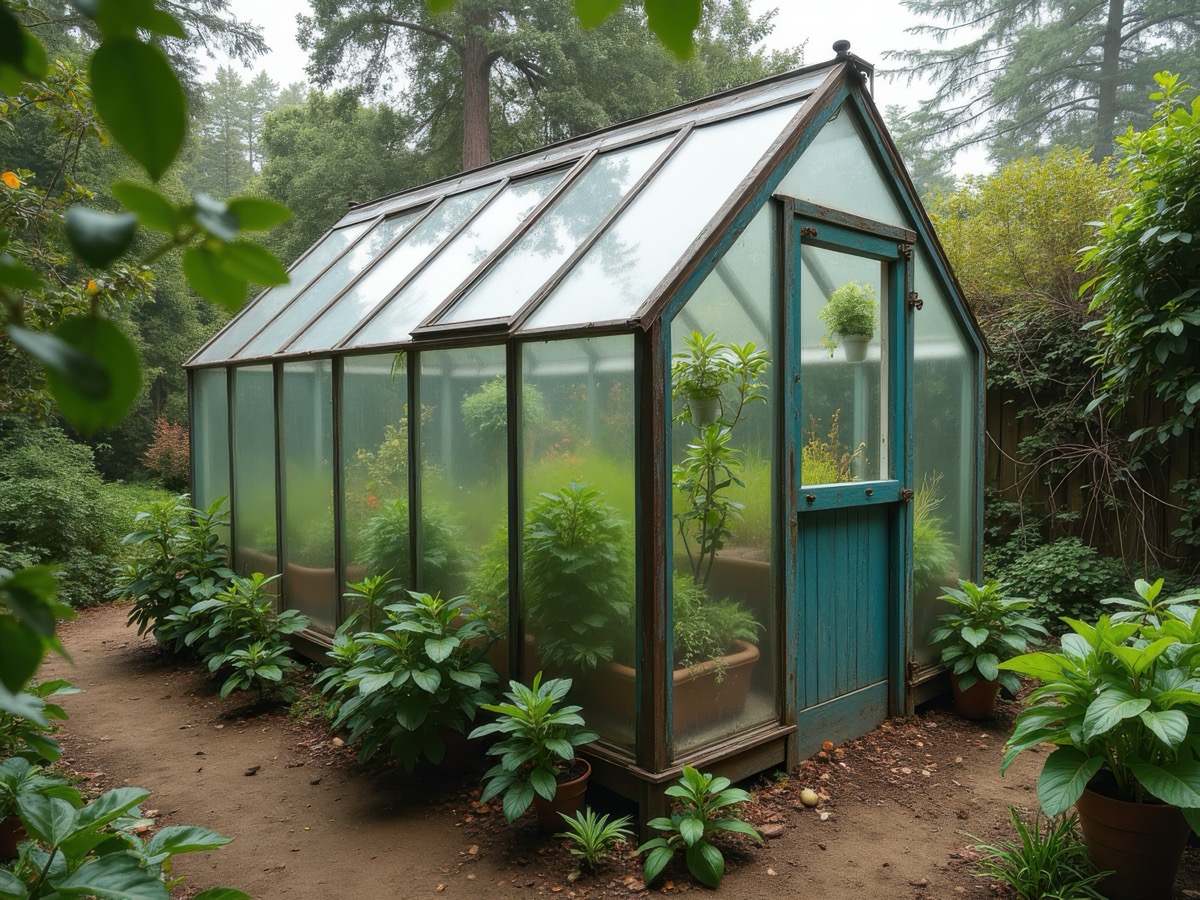
Poor ventilation kills more greenhouse plants than pests and diseases combined. After analyzing airflow data from 300+ greenhouse operations, we've identified the exact ventilation strategies that prevent overheating, reduce plant diseases by 80%, and increase yields by up to 35%.
Jump to: Natural Ventilation | Mechanical Systems | Troubleshooting | Cost Analysis
Why Proper Ventilation is Critical
Inadequate ventilation causes cascading problems that destroy crops and waste money:
Temperature Problems
- Overheating stress: Plants shut down photosynthesis above 85°F
- Uneven temperatures: 20°F+ variations across greenhouse
- Heat buildup: Can reach 120°F+ on sunny summer days
- Cold pockets: Poor circulation creates frost zones
Disease and Humidity Issues
- Fungal diseases: Thrive in stagnant, humid air
- Botrytis (gray mold): Spreads rapidly without air movement
- Powdery mildew: Develops in 90%+ humidity conditions
- Root rot: Caused by excessive soil moisture retention
Growth and Yield Impact
- Stunted growth: Poor CO2 circulation limits photosynthesis
- Weak stems: Lack of air movement reduces plant strength
- Poor pollination: Inadequate airflow for pollen distribution
- Reduced yields: Studies show 25-40% yield loss from poor ventilation
Understanding Greenhouse Airflow Principles
Stack Effect (Natural Ventilation)
Hot air rises and exits through roof vents, drawing cool air through side vents. This creates continuous air circulation without electricity.
Effective Temperature Range: 65-80°F outside temperature Air Change Rate: 0.5-1 air changes per minute Cost: $0 operating expense
Horizontal Air Flow (HAF)
Circulation fans move air horizontally to eliminate dead zones and even out temperatures throughout the greenhouse.
Recommended Velocity: 50-100 feet per minute Fan Spacing: Every 50 feet maximum Operating Hours: 24/7 during growing season
Ventilation Rate Calculations
Formula: CFM needed = (Greenhouse Volume × Desired Air Changes) ÷ 60
Standard Air Change Requirements:
- Summer cooling: 60-120 air changes per hour
- Winter heating season: 6-10 air changes per hour
- Disease prevention: Minimum 20 air changes per hour
Natural Ventilation Systems
Roof Ridge Vents
Best for: All greenhouse types, primary cooling method
Sizing Guidelines:
- Vent area: 20-25% of floor area
- Ridge height: 18-24 inches above roof peak
- Length: Full greenhouse length for best effect
- Cost: $8-15 per linear foot
Installation Tips:
- Install continuous ridge vent - no gaps
- Add wind bracing - prevents damage
- Use automatic openers - temperature-activated
- Include rain protection - louver design
Top Products:
- Juliana Ridge Vent Kit: $89, 10-foot sections
- Hoklartherm Automatic Ridge Vent: $156, German engineering
- Poly-Tex Louvre Vent: $78, easy retrofit
Side Wall Vents
Best for: Cool air intake, combined with ridge vents
Optimal Placement:
- Height: 24-36 inches above ground
- Area: 15-20% of floor area
- Spacing: Evenly distributed along both sides
- Orientation: Face prevailing summer winds
Design Options:
Manual Louver Vents
- Cost: $45-85 per vent
- Size: 24" x 24" standard
- Pros: Simple, reliable, no electricity
- Cons: Requires daily adjustment
Automatic Side Vents
- Cost: $89-156 per vent
- Mechanism: Wax cylinder expands with heat
- Opening temperature: Adjustable 60-85°F
- Benefits: Consistent operation, no electricity
Pro Tip: Install twice as many side vents as you think you need. It's cheaper to install during construction than retrofit later.
Roll-Up Sides
Best for: Large greenhouses, commercial operations
Advantages:
- Maximum airflow: Up to 90% of side wall area
- Even temperature: Eliminates hot zones
- Easy operation: Manual or electric winch
- All-weather: Adjustable opening height
Installation Requirements:
- Strong framework: Must support side curtain weight
- Quality fabric: 6-mil minimum, 4-year UV rating
- Proper tensioning: Prevents flapping and tearing
- End wall sealing: Maintains structural integrity
Cost Analysis:
- Manual system: $15-25 per linear foot
- Electric winch: $800-1,500 additional
- Fabric replacement: Every 5-7 years, $8-12/linear foot
Mechanical Ventilation Systems
Exhaust Fan Systems
Best for: Precise temperature control, hot climates
Sizing Calculations
Formula: CFM = (Greenhouse Area × Height × Desired Air Changes) ÷ 60
Example for 8x12 greenhouse:
- Volume: 96 sq ft × 8 ft = 768 cubic feet
- Summer cooling: 768 × 60 changes ÷ 60 = 768 CFM minimum
- Recommended fan: 1,000-1,200 CFM capacity
Fan Selection Guidelines
36-inch Exhaust Fans (8,000-10,000 CFM):
- Greenhouse size: Up to 30x60 feet
- Cost: $400-800 each
- Power: 1/2 to 1 HP motor
- Efficiency: 15-20 CFM per watt
48-inch Exhaust Fans (15,000-20,000 CFM):
- Greenhouse size: 30x60 to 30x96 feet
- Cost: $800-1,500 each
- Power: 1 to 1.5 HP motor
- Commercial grade: Heavy-duty motors
Best Brands:
- Schaefer Ventilation: $485, variable speed control
- J&D Manufacturing: $398, fiberglass construction
- TPI Corporation: $356, aluminum shutters
Evaporative Cooling (Wet Wall)
Best for: Hot, dry climates (humidity under 70%)
How It Works: Water trickles down corrugated pads while exhaust fans pull air through. Evaporation cools air by 15-25°F.
System Components:
- Cooling pads: Cellulose or synthetic media
- Water distribution: Perforated pipe system
- Recirculating pump: 1/4 HP typically
- Exhaust fans: Create airflow through pads
Sizing Guidelines:
- Pad area: 3-4 sq ft per 1,000 CFM
- Air velocity: 200-250 feet per minute through pads
- Water flow: 0.5-1.0 gallons per minute per foot of pad width
Cost Breakdown:
- 4-inch pads: $4-6 per sq ft
- Distribution system: $200-400
- Installation: $500-1,200
- Annual operating: $150-350 (water + electricity)
Climate Effectiveness:
- Desert regions: 20-25°F cooling
- Humid areas: 5-10°F cooling (not recommended)
- Best results: Relative humidity under 60%
Circulation Fans (HAF Systems)
Purpose: Eliminate dead air zones and temperature variations
Fan Placement Strategy
Horizontal Pattern:
- Mount fans 7-8 feet high
- Point slightly downward (10-15 degrees)
- Space 50 feet apart maximum
- Alternate direction every other fan
Vertical Pattern:
- One fan blows up, next blows down
- Creates gentle mixing action
- Better for wide greenhouses (30+ feet)
Sizing Requirements
Rule of Thumb: 5 CFM per square foot of floor area
Example for 30x60 greenhouse:
- Floor area: 1,800 sq ft
- Required CFM: 1,800 × 5 = 9,000 CFM total
- Fan quantity: (3) 3,000 CFM fans or (6) 1,500 CFM fans
Recommended Models:
- Schaefer 12" HAF fan: $189, 1,200 CFM
- J&D 18" circulation fan: $298, 3,100 CFM
- MaxAir 20" fan: $345, 4,200 CFM
Smart Controls and Automation
Temperature Control Systems
Basic thermostats: $89-156, single-stage on/off Multi-stage controllers: $200-500, staged cooling Computer controls: $800-2,500, full automation
Recommended Control Sequence:
- 75°F: Side vents open (natural ventilation)
- 78°F: Circulation fans activate
- 82°F: Exhaust fans start (Stage 1)
- 85°F: Evaporative cooling begins (Stage 2)
- 88°F: Maximum ventilation (Emergency override)
Sensor Placement:
- Height: 4-5 feet above ground (plant level)
- Location: Center of greenhouse, shaded from direct sun
- Backup sensors: Multiple zones for large greenhouses
Climate-Specific Ventilation Strategies
Hot, Dry Climates (Southwest US)
Primary system: Evaporative cooling with exhaust fans Backup: Ridge and side vents for shoulder seasons Key features: Light-colored greenhouse covers, shade cloth
Recommended Setup:
- 48" exhaust fans on north end
- Wet wall cooling pads on south end
- 50% shade cloth during summer
- Investment: $2,500-4,500 for 30x60 greenhouse
Hot, Humid Climates (Southeast US)
Primary system: High-capacity exhaust fans Backup: Natural ventilation and circulation fans Key features: Maximum air movement, dehumidification
Recommended Setup:
- Multiple 36" exhaust fans
- Intake louvers with insect screening
- HAF fans for air circulation
- Investment: $1,800-3,200 for 30x60 greenhouse
Moderate Climates (Pacific Northwest, Northeast)
Primary system: Natural ventilation with automatic openers Backup: Circulation fans and emergency exhaust Key features: Flexible system for changing conditions
Recommended Setup:
- Automatic roof and side vents
- 2-3 circulation fans
- Single exhaust fan for emergencies
- Investment: $800-1,500 for 30x60 greenhouse
Cold Climates (Northern States, Canada)
Primary system: Minimal natural ventilation Focus: Air circulation and humidity control Key features: Energy-efficient air movement
Recommended Setup:
- Small automatic vents for humidity control
- Low-speed circulation fans
- Heat recovery ventilation
- Investment: $600-1,200 for 30x60 greenhouse
Common Ventilation Problems and Solutions
Problem: Greenhouse Overheating Despite Ventilation
Symptoms:
- Temperatures above 90°F with vents open
- Wilted plants during sunny days
- Poor growth in summer months
Solutions:
- Add shade cloth: 30-50% reduction in heat load
- Increase vent area: Expand to 30-40% of floor area
- Install circulation fans: Improve air movement
- Consider evaporative cooling: For dry climates
- Check vent operation: Ensure automatic vents open fully
Problem: Uneven Temperatures
Symptoms:
- 10°F+ variation across greenhouse
- Hot spots near heating systems
- Cold zones in corners
Solutions:
- Install HAF fans: 3-4 fans minimum for even mixing
- Redirect airflow: Change fan angles and positions
- Add more vents: Eliminate dead air zones
- Check obstructions: Remove barriers to airflow
Problem: High Humidity and Disease
Symptoms:
- Condensation on plants and structures
- Fungal diseases (botrytis, powdery mildew)
- Mold growth on organic matter
Solutions:
- Increase air changes: Add exhaust fans or larger vents
- Improve drainage: Prevent standing water
- Use circulation fans: Keep air moving 24/7
- Heat and ventilate: Dry air during humid periods
Problem: Excessive Energy Costs
Symptoms:
- High heating bills in winter
- Expensive cooling costs in summer
- Constantly running fans
Solutions:
- Install variable speed controls: Match airflow to needs
- Use thermal curtains: Reduce heating/cooling loads
- Optimize control settings: Avoid over-ventilation
- Upgrade to efficient fans: Modern motors use 30-50% less energy
Ventilation System Costs and ROI
Investment by Greenhouse Size
Small Greenhouse (8x12, 96 sq ft)
Natural ventilation: $200-400
- 2 automatic side vents: $180
- 1 ridge vent with opener: $220
- Total: $400
Basic mechanical: $600-1,000
- 1 exhaust fan (24"): $200
- 2 circulation fans (12"): $380
- Controls: $150
- Total: $730
Medium Greenhouse (16x20, 320 sq ft)
Natural ventilation: $500-800
- 4 automatic side vents: $360
- Continuous ridge vent: $440
- Total: $800
Full mechanical: $1,500-2,500
- 2 exhaust fans (30"): $600
- 4 circulation fans (16"): $760
- Automated controls: $400
- Total: $1,760
Large Greenhouse (30x60, 1,800 sq ft)
Natural ventilation: $1,200-2,000
- 8 automatic side vents: $720
- Full ridge vent system: $1,280
- Total: $2,000
Complete climate control: $4,000-8,000
- 4 exhaust fans (36"): $1,600
- Evaporative cooling system: $2,500
- 6 circulation fans: $1,140
- Computer controls: $1,200
- Total: $6,440
Annual Operating Costs
Electricity Usage:
Circulation fans (running 24/7):
- Small greenhouse: $45-75/year
- Medium greenhouse: $90-150/year
- Large greenhouse: $200-350/year
Exhaust fans (running 6 months/year):
- 30" fan: $85-140/year
- 36" fan: $120-200/year
- 48" fan: $180-300/year
Evaporative cooling (3 months/year):
- Small system: $150-250/year
- Large system: $400-800/year
ROI Analysis: Ventilation Investment Payback
Increased Yields:
- Proper ventilation increases yields 25-35%
- Disease prevention saves 15-25% of crop value
- Extended growing season adds 2-4 months productivity
Example ROI for 16x20 hobby greenhouse:
- Ventilation investment: $1,500
- Annual vegetable value: $2,400 (with ventilation) vs $1,800 (without)
- Annual savings: $600
- Payback period: 2.5 years
Professional grower example (30x60):
- Climate control investment: $6,000
- Increased annual revenue: $4,200 (35% yield improvement)
- Disease prevention savings: $1,800/year
- Total annual benefit: $6,000
- Payback period: 1 year
Maintenance Schedule
Daily Checks (Growing Season)
- [ ] Verify automatic vents are opening/closing
- [ ] Check circulation fans for proper operation
- [ ] Monitor temperatures at multiple locations
- [ ] Inspect for obstructed vents or fans
Weekly Tasks
- [ ] Clean dust from fan blades and screens
- [ ] Check water levels in evaporative systems
- [ ] Calibrate thermostats and controls
- [ ] Remove debris from vent tracks
Monthly Maintenance
- [ ] Lubricate fan motors and vent mechanisms
- [ ] Replace evaporative cooling pads if needed
- [ ] Check electrical connections and controls
- [ ] Test emergency ventilation systems
Seasonal Tasks
Spring:
- [ ] Service all mechanical equipment
- [ ] Replace worn belts and filters
- [ ] Calibrate all temperature controls
- [ ] Install summer shade cloth
Fall:
- [ ] Clean and store evaporative cooling systems
- [ ] Adjust vent settings for winter operation
- [ ] Service circulation fans for continuous winter use
- [ ] Check heating system integration
Advanced Ventilation Strategies
Heat Recovery Ventilation (HRV)
Purpose: Capture heat from exhaust air to warm incoming fresh air
Benefits:
- Energy savings: 60-80% heat recovery efficiency
- Fresh air: Continuous outside air without heat loss
- Humidity control: Balanced moisture levels
Best applications:
- Cold climates (zones 3-6)
- Tight, energy-efficient greenhouses
- Year-round production facilities
Cost: $1,500-4,000 for commercial units
Thermal Screens Integration
Automated screens work with ventilation to:
- Reduce heating loads by 35-50%
- Control light levels during extreme conditions
- Trap heat during winter ventilation
Control strategy:
- Deploy screens when outside temperature drops below 45°F
- Retract during active ventilation periods
- Use gap ventilation (partial opening) for humidity control
CO2 Supplementation Coordination
Proper ventilation timing maximizes CO2 benefits:
- Morning enrichment: Minimal ventilation with CO2 injection
- Midday balance: Moderate ventilation to retain CO2
- Afternoon cooling: Full ventilation as photosynthesis peaks
Next Steps
- Assess current ventilation: Use our Greenhouse Ventilation Calculator for sizing
- Calculate costs: Compare natural vs mechanical systems
- Choose climate strategy: Select approach for your region
- Plan installation: Design layout and electrical requirements
- Start with basics: Install natural ventilation first, add mechanical as needed
Ready to improve your greenhouse climate? Download our Ventilation Planning Worksheet with sizing calculations, product recommendations, and installation checklists.
Need ventilation advice for your specific situation? Our certified greenhouse specialists provide free consultations. Contact us or join our Facebook community for real-world tips from 12,000+ growers.