
Sierra Greenhouse Insights
Complete Guide to Greenhouse Plant Care: Essential Techniques for Success
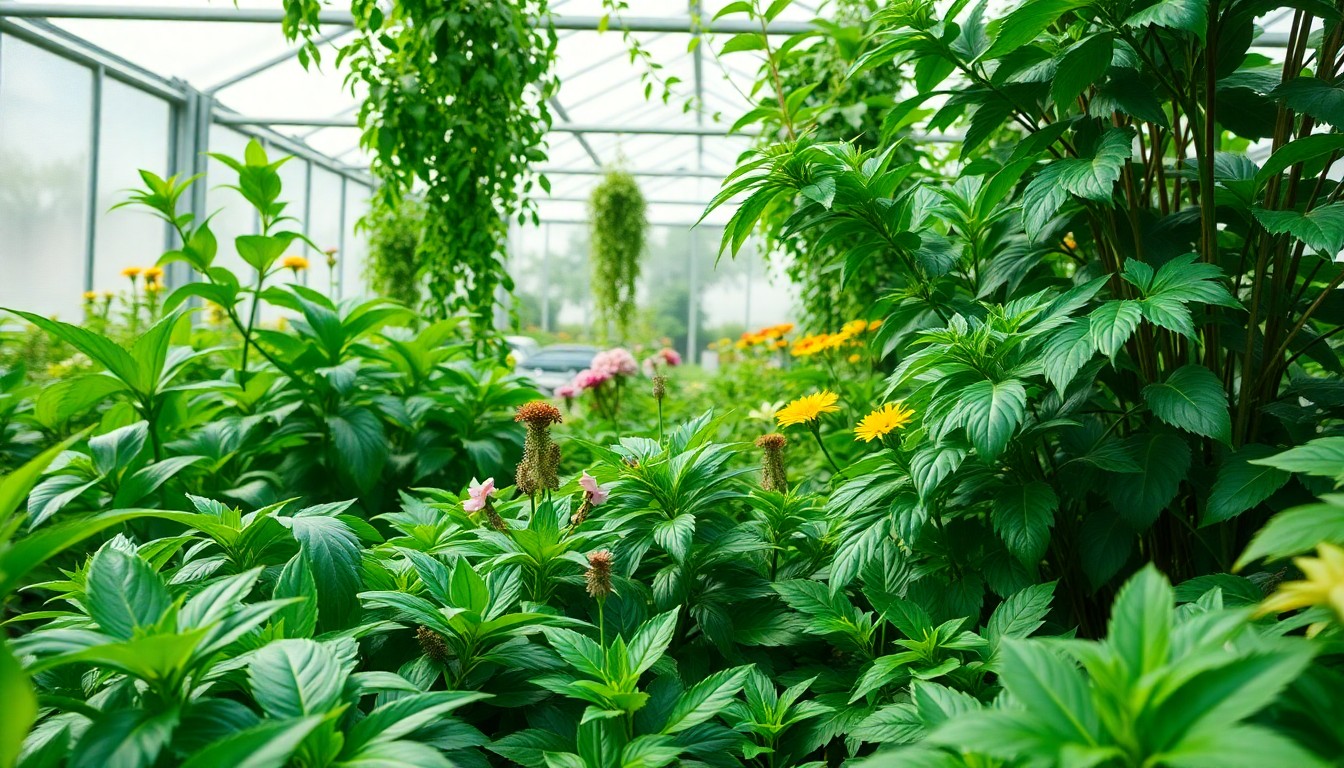
Growing plants in a greenhouse creates a controlled environment that can lead to exceptional results, but it also requires specific care techniques. This comprehensive guide will walk you through the essential aspects of greenhouse plant care, from watering and fertilizing to pruning, pest management, and seasonal care considerations. Whether you're a beginner or experienced greenhouse gardener, these techniques will help you grow healthier, more productive plants.
Table of Contents
- Watering Strategies
- Fertilization Techniques
- Pruning and Training
- Pest and Disease Management
- Seasonal Care Adjustments
- Record Keeping for Success
- Specialized Plant Care
- Care Schedules and Routines
Watering Strategies for Greenhouse Plants
Water management is one of the most critical aspects of greenhouse plant care, requiring a balance between providing sufficient moisture and avoiding waterlogged conditions.
Understanding Greenhouse Water Dynamics
The greenhouse environment affects water needs in several important ways:
- Higher evaporation rates due to increased temperatures
- Reduced rainfall exposure that eliminates natural irrigation
- Concentrated humidity levels that can slow plant transpiration
- Variable soil drying rates depending on container size and material
- Seasonal fluctuations requiring different watering regimes
Precision Watering Methods
-
Drip Irrigation Systems
- Delivers water directly to the plant's root zone
- Minimizes leaf wetness to reduce disease risk
- Conserves water through targeted application
- Can be automated with timers for consistent watering
- Ideal for medium to large greenhouses
-
Hand Watering Techniques
- Best for small greenhouses and diverse plant collections
- Water at the base of plants, not from above
- Use lukewarm water to prevent shocking plant roots
- Water thoroughly until it drains from the bottom of pots
- Pay attention to individual plant needs and variations
-
Self-Watering Systems
- Wicking systems that draw water from a reservoir
- Capillary mats that maintain consistent moisture
- Ebb and flow tables for periodic flooding and draining
- Water level indicators to monitor moisture status
- Ideal for consistent moisture-loving plants
Developing a Water Schedule
Create a water schedule based on:
- Plant varieties and their specific moisture requirements
- Container size and type (larger pots dry out more slowly)
- Season and temperature (increase frequency in summer)
- Humidity levels in your greenhouse
- Growth stage (seedlings typically need more frequent watering)
Always check soil moisture before watering by inserting your finger 1-2 inches into the soil. If it feels dry at that depth, it's time to water. For more precise monitoring, consider using moisture meters.
Fertilization Techniques for Optimal Growth
Greenhouse plants often require more frequent fertilization than outdoor plants due to controlled growing conditions and limited soil volume.
Essential Nutrient Management
-
Macronutrients (NPK)
- Nitrogen (N): Supports leaf and stem growth; critical during vegetative stages
- Phosphorus (P): Promotes root development and flowering
- Potassium (K): Enhances overall plant vigor and disease resistance
-
Secondary Nutrients
- Calcium: Prevents disorders like blossom end rot and tip burn
- Magnesium: Essential component of chlorophyll for photosynthesis
- Sulfur: Required for protein synthesis and enzyme activity
-
Micronutrients
- Iron, manganese, zinc, copper, boron, molybdenum: Needed in small amounts but critical for plant functions
- Often deficient in soilless growing media
Fertilizer Application Methods
-
Water-Soluble Fertilizers
- Mix with irrigation water (fertigation)
- Apply at half-strength more frequently for steady nutrition
- Ideal for precision control of nutrient levels
- Monitor electrical conductivity (EC) for accurate application
-
Slow-Release Fertilizers
- Incorporate into potting medium before planting
- Provides steady nutrition over weeks or months
- Reduces risk of fertilizer burn
- Good for plants that stay in the same container long-term
-
Foliar Feeding
- Apply diluted nutrients directly to leaves
- Quick correction for nutrient deficiencies
- Best done in the early morning when stomata are open
- Use in combination with root feeding, not as a replacement
Signs of Fertilizer Problems
Overfertilization Signs:
- Leaf burn or yellowing edges
- White crust on soil surface
- Stunted growth despite regular feeding
- Wilting that doesn't respond to watering
Underfertilization Signs:
- Pale green or yellowing leaves (starting with older leaves)
- Stunted growth and poor flowering
- Purple coloration in normally green plants
- Small leaves and thin stems
Adjust your fertilization program based on plant response, growth rate, and seasonal needs. During active growth periods, plants require more nutrients, while dormant periods call for reduced feeding.
Pruning and Training Greenhouse Plants
Proper pruning and training techniques improve plant health, increase productivity, and optimize space in your greenhouse.
Strategic Pruning Benefits
-
Air Circulation Improvement
- Reduces disease pressure by allowing air movement
- Creates proper spacing between plants and branches
- Especially important in humid greenhouse environments
-
Light Penetration Enhancement
- Ensures light reaches lower leaves and interior branches
- Prevents leggy growth caused by light competition
- Creates more even fruit ripening in edible crops
-
Energy Redirection
- Focuses plant resources on productive growth
- Removes unproductive or damaged tissues
- Encourages branching for fuller plants
Essential Pruning Techniques
-
Maintenance Pruning
- Remove dead, damaged, or diseased parts promptly
- Thin out crossing or rubbing branches
- Eliminate suckers and water sprouts that drain energy
- Trim back excessive growth to maintain plant shape
-
Production Pruning
- Remove lower, non-productive foliage
- Limit fruit set to improve size and quality
- Pinch growing tips to encourage branching
- Head back excessive vegetative growth
-
Training Systems
- Trellising for vining plants (cucumbers, tomatoes)
- Espalier techniques for fruit trees
- String support systems for heavy-fruiting plants
- Staking for tall or top-heavy specimens
Always use clean, sharp tools for pruning to make clean cuts and prevent disease transmission. Disinfect tools between plants with isopropyl alcohol or a diluted bleach solution.
Pest and Disease Management in Protected Environments
The controlled greenhouse environment can provide ideal conditions for both plants and their pests. An integrated approach to management is most effective.
Preventive Measures
-
Sanitation Practices
- Remove plant debris regularly
- Disinfect pots and tools between uses
- Keep floors and surfaces clean
- Avoid bringing outdoor plants directly into the greenhouse
- Quarantine new plants for observation
-
Environmental Controls
- Maintain proper air circulation with fans
- Manage humidity levels to discourage fungal diseases
- Water in the morning so foliage dries by evening
- Provide adequate spacing between plants
-
Regular Monitoring
- Check plants weekly for signs of pests or disease
- Use yellow sticky traps to monitor flying insect populations
- Inspect the undersides of leaves where pests often hide
- Look for early signs of nutritional deficiencies
Common Greenhouse Pest Management
-
- Predatory insects (ladybugs, lacewings, predatory mites)
- Beneficial nematodes for soil-dwelling pests
- Parasitic wasps for caterpillars and aphids
- Microbial solutions like Bacillus thuringiensis (Bt)
-
Organic Interventions
- Insecticidal soaps for soft-bodied insects
- Neem oil for multiple pest types
- Diatomaceous earth for crawling insects
- Horticultural oils for scale and overwintering pests
-
Targeted Treatments
- Spot-treat affected plants rather than spraying everything
- Apply treatments in the evening when beneficial insects are less active
- Rotate different control methods to prevent resistance
- Follow up treatments as needed for pest life cycles
Disease Management Protocol
-
Fungal Disease Controls
- Improve air circulation around susceptible plants
- Apply preventive biological fungicides like Bacillus subtilis
- Remove and destroy infected plant material
- Avoid overhead watering that wets foliage
-
Bacterial Disease Management
- Practice strict sanitation between handling plants
- Use copper-based treatments for early control
- Remove severely infected plants completely
- Disinfect the growing area after removing infected material
-
Viral Disease Prevention
- Control insect vectors that spread viruses
- Purchase certified disease-free plants and seeds
- Wash hands and disinfect tools between plants
- Remove and destroy infected plants promptly
Remember that in the enclosed greenhouse environment, chemical treatments should be a last resort, used carefully and according to label instructions to protect both plants and people.
Seasonal Care Adjustments
Greenhouse growing requires seasonal adjustments to maintain optimal growing conditions throughout the year.
Spring Transition Care
-
Light Management
- Gradually increase light exposure for overwintered plants
- Clean glass or covering to maximize light transmission
- Adjust shading as daylight hours increase
- Reposition plants based on changing sun angles
-
Growth Preparation
- Repot plants that have outgrown their containers
- Apply fresh layer of growing medium to permanent beds
- Resume active feeding schedule as growth increases
- Increase watering frequency with rising temperatures
-
Propagation Focus
- Start seeds for summer production
- Take softwood cuttings of many species
- Divide overcrowded perennials
- Prepare space for seedling development
Summer Heat Management
-
Temperature Control
- Deploy shade cloth during peak sunlight hours
- Use evaporative cooling systems or misters
- Open vents and doors for maximum air circulation
- Consider automated ventilation systems
-
Water Management
- Increase watering frequency during hot weather
- Water in early morning to reduce evaporation
- Use mulch in beds to retain moisture
- Group plants with similar water needs together
-
Growth Maintenance
- Continue regular pruning to maintain air circulation
- Monitor for heat stress and move sensitive plants
- Provide additional humidity for tropical specimens
- Apply summer-formulated fertilizers (lower nitrogen)
Fall Preparation
-
Growth Slowdown Adaptations
- Reduce fertilization as daylight decreases
- Begin transitioning tender perennials for overwintering
- Harvest and preserve crops before first frost
- Clean and organize for winter efficiency
-
Structural Preparations
- Check heating systems before cold weather arrives
- Seal any gaps or leaks in the greenhouse structure
- Clean gutters and drainage systems
- Prepare insulation materials if needed
-
Plant Protection
- Bring outdoor container plants in before frost
- Group plants according to temperature needs
- Remove summer shading to maximize winter light
- Begin pest prevention measures for overwintering
Winter Care Techniques
-
Temperature Management
- Set up heating zones for different plant requirements
- Use thermal curtains at night to retain heat
- Add bubble wrap insulation to north-facing walls
- Monitor minimum temperatures, especially overnight
-
Light Considerations
- Clean covering material to maximize light penetration
- Consider supplemental lighting for light-loving plants
- Rotate plants regularly for even light exposure
- Adjust watering and feeding for reduced light conditions
-
Special Winter Concerns
- Water sparingly and in the morning
- Manage condensation through ventilation
- Watch for snow loads on the greenhouse structure
- Monitor dormant plants for pests and diseases
Record Keeping for Success
Developing a system for tracking greenhouse activities improves care consistency and helps identify successful techniques.
Essential Records to Maintain
-
Planting Information
- Plant varieties and sources
- Planting dates and locations
- Seed germination rates
- Transplanting dates
-
Care Activities
- Watering schedule and amounts
- Fertilization dates and formulations
- Pruning and training activities
- Pest treatments and results
-
Environmental Data
- Temperature highs and lows
- Humidity levels
- Light conditions
- Seasonal adjustments made
-
Harvest and Performance
- Bloom times
- Harvest quantities and dates
- Quality notes
- Pollination success rates
Record Keeping Systems
Choose a system that works for your needs:
- Dedicated greenhouse journal
- Digital spreadsheets for data analysis
- Photography for visual tracking
- Mobile apps designed for garden record keeping
- Wall calendar with essential care reminders
Use these records to refine your growing techniques each season and create a personalized growing guide specific to your greenhouse conditions.
Specialized Plant Care
Different plant groups have unique care requirements in the greenhouse environment.
Vegetable Production Care
-
Fruiting Vegetables (tomatoes, peppers, cucumbers)
- Require higher fertility, especially phosphorus and potassium
- Need pollination assistance (hand pollination or introducing bees)
- Benefit from strong support systems
- May need leaf pruning for better air circulation
-
Leafy Greens (lettuce, spinach, kale)
- Prefer cooler temperatures and higher humidity
- Need consistent moisture but dry foliage
- Benefit from succession planting for continuous harvest
- Require less intense light than fruiting vegetables
Flower Production Care
-
Annual Flowers
- Deadhead regularly to encourage continuous blooming
- Pinch tips early to encourage branching
- Fertilize regularly during blooming period
- Provide specific day-length conditions for photoperiod-sensitive varieties
-
Perennial Flowers
- Provide necessary dormancy periods if required
- Divide overcrowded plants as needed
- Apply slower-release fertilizers
- Adjust watering for seasonal growth cycles
Tropical Plant Maintenance
-
Humidity-Loving Tropicals
- Create humidity zones with pebble trays or misting
- Group plants together to increase local humidity
- Protect from cold drafts and temperature fluctuations
- Monitor closely for pests that thrive in humid conditions
-
Succulents and Cacti
- Provide excellent drainage with appropriate soil mix
- Water deeply but infrequently
- Place in highest light areas of the greenhouse
- Reduce watering significantly during dormant periods
Seedling and Propagation Care
-
Seed Starting
- Maintain consistent soil moisture for germination
- Provide bottom heat for faster germination
- Introduce gentle air movement once emerged
- Transition gradually to stronger light
-
Cutting Propagation
- Maintain high humidity using propagation domes
- Use rooting hormones appropriate to plant type
- Provide bright, indirect light until rooted
- Transition gradually to normal growing conditions
Care Schedules and Routines
Establishing regular care routines ensures plants receive consistent attention and problems are caught early.
Daily Greenhouse Routine
-
Morning Tasks
- Check temperature and humidity levels
- Water plants as needed
- Open vents for daytime ventilation
- Quick scan for any obvious problems
-
Afternoon Checks
- Monitor peak temperature
- Adjust shading if needed
- Check plants for water stress
- Harvest ripe produce
-
Evening Routine
- Close vents as temperatures drop
- Final watering if needed
- Ensure heating systems are functioning
- Secure greenhouse against pests or weather
Weekly Care Schedule
-
Beginning of Week
- Detailed plant inspection for pests and diseases
- Apply fertilizer according to schedule
- Clean work surfaces and floors
- Check irrigation systems
-
Mid-Week
- Prune and train plants as needed
- Remove yellowing or damaged leaves
- Check soil moisture in larger containers
- Rotate plants for even light exposure
-
End of Week
- Deep watering of all plants
- Harvest mature crops
- Record any observations or issues
- Plan next week's activities
Monthly Maintenance
-
System Checks
- Clean and maintain ventilation systems
- Check heating/cooling equipment
- Test irrigation systems
- Clean glass or covering materials
-
Plant Management
- Repot plants as needed
- Apply slow-release fertilizers
- Perform major pruning or training
- Propagate plants for replacement or expansion
-
Planning and Assessment
- Evaluate plant performance
- Update growing records
- Order supplies for coming month
- Adjust care routines based on seasonal needs
Conclusion: Creating Your Personal Plant Care System
The art of greenhouse plant care combines science, observation, and experience. While the guidelines in this guide provide a solid foundation, the most successful greenhouse gardeners develop personalized systems based on their specific plants, greenhouse design, and local climate conditions.
Start by implementing the basic practices, then observe closely how your plants respond. Keep detailed records of what works well and what needs adjustment. Over time, you'll develop an intuitive understanding of your greenhouse ecosystem and the specific needs of your plant collection.
Remember that even experienced greenhouse gardeners face challenges and occasional failures. Use these as learning opportunities to refine your techniques and try new approaches. With consistent care and attention to detail, your greenhouse can become a thriving, productive growing environment throughout the year.
Additional Resources
Related Articles
Useful Tools
Need expert guidance on greenhouse plant care? Contact our specialists for personalized advice.