
Sierra Greenhouse Insights
Complete Greenhouse Irrigation Guide: Systems, Costs & Installation
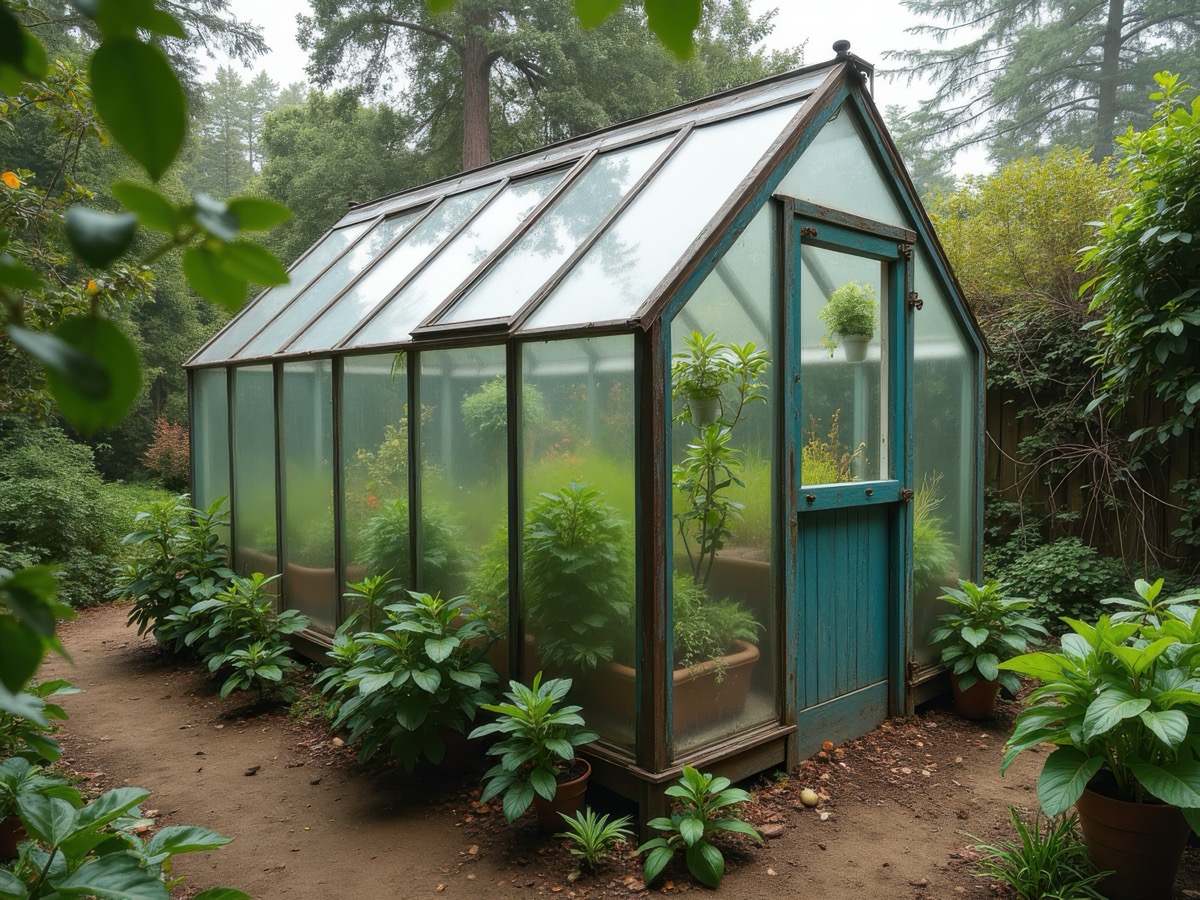
Proper irrigation is the difference between thriving crops and constant plant stress. After analyzing watering systems in 350+ greenhouses, we've identified the exact irrigation strategies that reduce water usage by 60%, eliminate over/under-watering problems, and increase yields by 25-40%.
Jump to: System Comparison | Design Principles | Installation Guide | Automation
Why Greenhouse Irrigation Matters
Manual watering wastes time, water, and plant potential. Professional irrigation systems provide:
Water Efficiency Benefits:
- 60% water savings compared to overhead watering
- Reduced evaporation through targeted root zone delivery
- Precise application eliminates runoff and waste
- Consistent moisture prevents plant stress cycles
Crop Performance Improvements:
- 25-40% yield increases from consistent moisture
- Reduced disease by keeping foliage dry
- Better root development from deep, targeted watering
- Uniform growth across entire growing area
Labor and Time Savings:
- 80% reduction in daily watering time
- Automated operation allows vacation and travel
- Consistent application eliminates human error
- Reduced plant monitoring with moisture sensors
Economic Benefits:
- Lower water bills: $200-800 annual savings
- Reduced plant losses: 90% reduction in water-stress deaths
- Increased production: More harvests per year
- Higher quality: Consistent moisture improves plant quality
Irrigation System Comparison
1. Drip Irrigation Systems
Best for: Most greenhouse applications, efficient water use
How Drip Systems Work:
Water flows through tubes to emitters that deliver precise amounts directly to root zones. Pressure-compensating emitters ensure uniform distribution regardless of elevation changes.
System Components:
- Water source: Municipal, well, or rainwater collection
- Filtration: Screen and sediment filters prevent clogging
- Pressure regulation: Reduces municipal pressure to 15-30 PSI
- Distribution tubing: ½" to ¾" main lines, ¼" feeder lines
- Emitters: Drippers, micro-sprays, or soaker hose
- Timer control: Automated scheduling system
Drip System Advantages:
- Highest efficiency: 90-95% water application efficiency
- Disease prevention: Keeps plant foliage dry
- Precise delivery: Exact water amounts to each plant
- Easy expansion: Simple to add zones or plants
- Low maintenance: Reliable operation with minimal service
Limitations:
- Initial complexity: Requires careful design and installation
- Clogging potential: Needs good filtration and water quality
- Not suitable for: Seed starting, very small seedlings
- Upfront cost: Higher initial investment than manual systems
Cost Breakdown:
Small greenhouse (8x12, 20 plants):
- Basic kit: $89-156 (timer, tubing, emitters)
- Professional installation: $200-400
- Annual operating: $15-30 (water, maintenance)
Medium greenhouse (16x20, 100 plants):
- Complete system: $300-600
- Professional installation: $500-1,000
- Annual operating: $40-80
Large greenhouse (30x60, 500 plants):
- Commercial system: $1,200-2,500
- Professional installation: $1,500-3,000
- Annual operating: $150-300
2. Misting and Fogging Systems
Best for: Seedlings, humidity control, evaporative cooling
Misting System Types:
Low-pressure misting (15-30 PSI):
- Droplet size: 50-100 microns
- Coverage: 3-6 foot radius per nozzle
- Best for: General humidity, young seedlings
- Cost: $2-5 per nozzle
High-pressure fogging (200-1000 PSI):
- Droplet size: 10-50 microns
- Coverage: Flash evaporation for cooling
- Best for: Temperature control, propagation
- Cost: $15-30 per nozzle, plus high-pressure pump
Misting System Benefits:
- Humidity control: Precise relative humidity management
- Temperature reduction: 10-20°F cooling through evaporation
- Propagation support: Ideal for cuttings and seedlings
- Dust suppression: Cleans air and plant surfaces
When to Use Misting:
- Seed germination: Maintains surface moisture without flooding
- Cutting propagation: High humidity for root development
- Summer cooling: Evaporative cooling in dry climates
- Humidity adjustment: Fine-tuning greenhouse environment
Misting Limitations:
- Disease risk: Wet foliage can promote fungal problems
- Water quality critical: Hard water clogs fine nozzles quickly
- Climate dependent: Less effective in humid regions
- Energy intensive: High-pressure systems use significant electricity
3. Overhead Sprinkler Systems
Best for: Large areas, temporary installations, budget systems
Sprinkler System Types:
Impact sprinklers:
- Coverage: 20-40 foot diameter
- Pressure: 30-50 PSI
- Best for: Large greenhouse zones
- Cost: $15-30 per sprinkler
Spray heads:
- Coverage: 8-15 foot diameter
- Pressure: 15-30 PSI
- Best for: Medium greenhouse areas
- Cost: $5-15 per head
Micro-sprays:
- Coverage: 3-8 foot diameter
- Pressure: 15-25 PSI
- Best for: Container plants, small zones
- Cost: $3-8 per head
Overhead System Advantages:
- Simple installation: Easy to design and install
- Low cost: Least expensive irrigation option
- Quick coverage: Waters large areas rapidly
- Familiar operation: Most people understand sprinkler systems
Major Disadvantages:
- Water waste: 40-60% efficiency due to evaporation
- Disease promotion: Wet foliage encourages fungal problems
- Uneven coverage: Wind and obstacles affect distribution
- Soil compaction: High-volume water can compact growing media
Best Applications:
- Temporary setups: Seasonal or trial installations
- Large, open areas: Minimal obstructions to water pattern
- Budget constraints: When initial cost is primary concern
- Backup systems: Emergency watering when primary system fails
4. Hydroponic/Soilless Systems
Best for: Maximum production, precise nutrient control
Hydroponic Irrigation Types:
Deep Water Culture (DWC):
- Method: Roots suspended in nutrient solution
- Plants: Lettuce, herbs, leafy greens
- Water usage: Recirculating, very efficient
- Complexity: Moderate, requires air pumps
Nutrient Film Technique (NFT):
- Method: Thin film of nutrient solution flows past roots
- Plants: Small to medium crops, herbs, strawberries
- Water usage: Most efficient, continuous recirculation
- Complexity: High, requires precise slope and flow rates
Ebb and Flow (Flood and Drain):
- Method: Periodic flooding of growing beds
- Plants: Wide variety, containerized crops
- Water usage: Efficient with recirculation
- Complexity: Moderate, requires timer and pump control
Drip-to-Waste:
- Method: Nutrient solution dripped to soilless media
- Plants: Tomatoes, peppers, cucumbers
- Water usage: Less efficient, 10-20% runoff
- Complexity: Low, similar to soil drip systems
Hydroponic Advantages:
- Fastest growth: 30-50% faster than soil growing
- Higher yields: 2-5x production per square foot
- Precise nutrition: Exact nutrient control
- No soil problems: Eliminates soil-borne diseases
- Water efficiency: Recirculating systems very efficient
Hydroponic Challenges:
- High setup cost: $5-15 per square foot
- Technical knowledge: Requires understanding of plant nutrition
- Constant monitoring: Daily pH and nutrient checks
- Power dependency: Pumps and aeration require electricity
- System failures: Equipment failure can kill crops quickly
Irrigation Design Principles
Water Requirements by Crop Type
High Water Needs (1.5-2.5 gallons/plant/week):
- Tomatoes: Deep root system, continuous fruiting
- Cucumbers: Large leaf area, rapid growth
- Peppers: Consistent moisture for fruit development
- Squash: Large plants with extensive foliage
Moderate Water Needs (0.5-1.5 gallons/plant/week):
- Lettuce: Shallow roots, consistent light watering
- Kale, chard: Moderate size, steady growth
- Herbs (basil, oregano): Medium water requirements
- Broccoli, cauliflower: Steady moisture for head development
Low Water Needs (0.25-0.75 gallons/plant/week):
- Herbs (rosemary, thyme): Drought-tolerant Mediterranean herbs
- Succulents: Specialized water storage capabilities
- Microgreens: Short growing cycle, minimal water
- Mature woody herbs: Established root systems
Zoning Strategy
Zone by Water Needs:
High-demand zone:
- Tomatoes, cucumbers, peppers
- Daily or twice-daily watering
- Longer irrigation cycles (30-60 minutes)
Moderate-demand zone:
- Leafy greens, brassicas
- Every 2-3 days watering
- Medium irrigation cycles (15-30 minutes)
Low-demand zone:
- Herbs, drought-tolerant plants
- Weekly watering or less
- Short irrigation cycles (5-15 minutes)
Zone by Growth Stage:
Seedling zone:
- Frequent, light watering
- Misting or very low-flow drip
- Multiple daily cycles (5-10 minutes each)
Vegetative zone:
- Regular, moderate watering
- Standard drip emitters
- Daily watering (15-30 minutes)
Fruiting zone:
- Deep, less frequent watering
- Higher-flow emitters or multiple emitters
- Every 2-3 days (45-90 minutes)
Pressure and Flow Calculations
System Pressure Requirements:
Drip systems: 15-30 PSI optimal Micro-sprays: 15-25 PSI Misting systems: 30-50 PSI (low pressure) or 200-1000 PSI (high pressure) Overhead sprinklers: 30-50 PSI
Flow Rate Calculations:
Formula: Total GPH = (Number of emitters × GPH per emitter)
Example calculation for 8x12 greenhouse:
- 20 tomato plants with 2 GPH emitters each = 40 GPH
- 30 lettuce plants with 0.5 GPH emitters each = 15 GPH
- Total system demand = 55 GPH
Main line sizing:
- ½" tubing: Up to 200 GPH
- ¾" tubing: Up to 350 GPH
- 1" tubing: Up to 600 GPH
Filtration Requirements
Water Quality Issues:
Municipal water:
- Usually clean, may have high chlorine
- Occasional sediment from old pipes
- Generally suitable for most irrigation
Well water:
- May contain sediment, iron, minerals
- Often requires filtration and treatment
- Test for pH, hardness, iron content
Rainwater:
- Generally clean but may contain debris
- First-flush diverters recommended
- Storage tanks need cleaning maintenance
Filtration Systems:
Screen filters (120-200 mesh):
- Remove large particles and debris
- Required for all drip systems
- Clean monthly or when pressure drops
Sediment filters:
- Remove fine particles down to 5-50 microns
- Necessary for well water systems
- Replace cartridges every 3-6 months
Carbon filters:
- Remove chlorine and organic compounds
- Beneficial for plant health
- Replace annually or per manufacturer specs
Installation Guide
Planning Your Installation
Step 1: Create System Map
- Measure greenhouse: Accurate dimensions including beds, walkways
- Map plant locations: Current and planned growing areas
- Identify water source: Location of connection point
- Plan main lines: Route for primary distribution tubing
- Zone boundaries: Divide areas by watering needs
Step 2: Calculate Materials
Use our Irrigation Calculator for exact quantities:
- Main line tubing (½" or ¾")
- Distribution tubing (¼" or ⅛")
- Emitters (various flow rates)
- Fittings (tees, elbows, connectors)
- Filter and pressure regulator
- Timer and control system
Step 3: Tools Required
Basic tools:
- Tubing cutter or sharp knife
- Hole punch for emitter installation
- Screwdrivers for fitting assembly
- Measuring tape and marking pen
Professional tools:
- Pressure gauge for system testing
- Flow meter for zone balancing
- Trenching shovel for buried lines
- Pipe threader for threaded connections
Installation Process
Main Line Installation:
- Install water source connection: Backflow preventer, filter, pressure regulator
- Run main lines: Route ½" or ¾" tubing to each zone
- Secure tubing: Use clips or stakes to prevent movement
- Install zone valves: Manual or automatic valves for each zone
- Test pressure: Verify adequate pressure at end of each zone
Distribution Network:
- Install tees and connections: Branch points for distribution lines
- Run ¼" tubing: From main lines to individual plants or rows
- Install emitters: Punch holes and insert appropriate flow rate emitters
- Secure lines: Prevent tubing from moving or kinking
- Add end caps: Close ends of all distribution lines
Control System Setup:
- Install timer: Battery or AC-powered automatic timer
- Connect zone wires: Wire each automatic valve to timer
- Program schedules: Set watering times and durations
- Test operation: Run each zone to verify proper operation
- Make adjustments: Fine-tune timing and coverage
System Testing and Commissioning
Pressure Testing:
- Check system pressure: Should be 15-30 PSI for drip systems
- Test flow rates: Verify emitters deliver rated flow
- Check for leaks: Inspect all connections and fittings
- Measure uniformity: Ensure even distribution across zones
Flow Testing:
- Collect emitter output: Use measuring cups for 10-minute test
- Calculate actual flow: Compare to rated emitter flow
- Adjust pressure: Increase or decrease to optimize flow
- Balance zones: Ensure uniform coverage within each zone
Automation and Controls
Timer Systems
Basic Timers:
Mechanical timers:
- Cost: $25-50
- Programming: Simple on/off cycles
- Power: Battery operated
- Best for: Single zone, simple schedules
Digital timers:
- Cost: $50-150
- Programming: Multiple programs, flexible scheduling
- Power: Battery or AC powered
- Best for: Multiple zones, complex schedules
Advanced Controllers:
Smart controllers:
- Cost: $200-500
- Features: Weather adjustment, smartphone control
- Connectivity: WiFi enabled for remote management
- Best for: Professional operations, frequent travelers
Computer-based systems:
- Cost: $500-2,000
- Features: Full automation, data logging, multiple sensors
- Integration: Can control heating, cooling, ventilation
- Best for: Commercial operations, research facilities
Sensor Integration
Soil Moisture Sensors:
Tensiometers:
- Cost: $50-100 each
- Function: Measure soil water tension
- Range: Works in most soil types
- Maintenance: Requires periodic refilling
Electronic moisture sensors:
- Cost: $80-200 each
- Function: Measure soil moisture content
- Range: Calibrated for specific growing media
- Integration: Can connect to automatic controllers
Environmental Sensors:
Temperature/humidity sensors:
- Cost: $100-300
- Function: Monitor greenhouse climate
- Integration: Adjust irrigation based on environmental conditions
- Benefits: Prevent overwatering during humid periods
Light sensors:
- Cost: $150-400
- Function: Measure daily light integral (DLI)
- Application: Adjust watering based on photosynthesis levels
- Benefits: Optimize water use efficiency
Smart Irrigation Features
Weather-Based Adjustment:
Evapotranspiration (ET) controllers:
- Automatically adjust watering based on weather data
- Reduce irrigation during cool, cloudy periods
- Increase watering during hot, windy conditions
- Can save 20-40% water compared to fixed schedules
Smartphone Apps:
Remote monitoring:
- Check system status from anywhere
- Receive alerts for system problems
- Manual override for special situations
- View historical usage data
Data analysis:
- Track water usage patterns
- Identify optimization opportunities
- Monitor plant growth correlations
- Export data for record keeping
Maintenance and Troubleshooting
Regular Maintenance Schedule
Weekly Tasks:
- [ ] Check timer operation and schedules
- [ ] Inspect plants for water stress signs
- [ ] Verify all emitters are functioning
- [ ] Clean clogged emitters as needed
Monthly Tasks:
- [ ] Clean screen filter
- [ ] Check system pressure
- [ ] Inspect tubing for damage
- [ ] Test automatic valves and controls
Seasonal Tasks:
- [ ] Replace filter cartridges
- [ ] Flush main lines
- [ ] Calibrate sensors
- [ ] Update watering schedules for season
Annual Tasks:
- [ ] Complete system inspection
- [ ] Replace worn components
- [ ] Update control programming
- [ ] Plan system improvements
Common Problems and Solutions
Problem: Low Water Pressure
Symptoms:
- Emitters not flowing properly
- Uneven distribution across zones
- System takes too long to complete cycles
Solutions:
- Clean filters: Clogged filters reduce pressure
- Check for leaks: Fix all connection leaks
- Reduce zone size: Split large zones into smaller ones
- Upgrade main lines: Use larger diameter tubing
- Install booster pump: For severely low pressure situations
Problem: Emitter Clogging
Symptoms:
- Individual emitters not flowing
- Dry spots in irrigated areas
- White mineral deposits on emitters
Solutions:
- Improve filtration: Add or upgrade filters
- Treat water: Use water treatment for hard water
- Regular cleaning: Soak emitters in vinegar solution
- Upgrade emitters: Use self-cleaning or pressure-compensating types
- Flush lines: Regular flushing prevents buildup
Problem: Overwatering
Symptoms:
- Yellowing leaves, especially lower leaves
- Fungal growth on soil surface
- Slow plant growth despite adequate nutrition
Solutions:
- Reduce frequency: Water less often but for longer periods
- Check drainage: Improve container or bed drainage
- Install moisture sensors: Automate based on actual soil moisture
- Adjust for weather: Reduce watering during cool, humid periods
- Improve air circulation: Better ventilation reduces water needs
Problem: System Not Starting
Symptoms:
- Timer runs but no water flows
- Manual operation doesn't work
- No response from automatic valves
Solutions:
- Check power: Verify timer has power (replace batteries)
- Test valves: Manual operation of automatic valves
- Check wiring: Inspect connections between timer and valves
- Water source: Verify main water valve is open
- Backflow preventer: Check if device is functioning properly
Economic Analysis: Irrigation ROI
Water Cost Savings
Manual vs. Automated Watering:
Manual watering (8x12 greenhouse):
- Time: 30 minutes daily = 180 hours annually
- Labor value: $15/hour = $2,700 annually
- Water usage: 50% higher than automated systems
- Water cost: Additional $200-400 annually
Automated drip system:
- Installation cost: $300-600
- Annual maintenance: $50-100
- Time savings: $2,700 annually
- Water savings: $200-400 annually
- Payback period: 3-6 months
Yield Improvements
Production Increases from Proper Irrigation:
Consistent moisture:
- Tomatoes: 25-40% yield increase
- Lettuce: 30-50% more uniform heads
- Herbs: 40-60% faster growth
- Overall: 25-35% average yield improvement
Quality improvements:
- Reduced stress: Better flavor and nutrition
- Uniform size: More marketable produce
- Extended harvest: Longer productive periods
- Reduced losses: 90% reduction in water-stress deaths
System Cost Comparison (16x20 greenhouse)
| System Type | Initial Cost | Annual Operating | 5-Year Total | Water Efficiency | | ----------------- | ------------ | ---------------- | ------------ | ---------------- | | Manual watering | $50 | $3,200 | $16,050 | 60% | | Basic drip system | $400 | $1,800 | $9,400 | 90% | | Automated drip | $800 | $1,600 | $8,800 | 92% | | Smart controller | $1,200 | $1,400 | $8,200 | 95% |
Winner: Smart controller system provides best 5-year value despite higher initial cost.
Advanced Irrigation Strategies
Deficit Irrigation
Concept: Controlled water stress during specific growth stages to improve fruit quality and water efficiency.
Applications:
- Tomatoes: Reduce watering during ripening for better flavor
- Herbs: Stress plants to concentrate essential oils
- Fruiting crops: Improve sugar content through controlled stress
Implementation:
- Identify stress periods: When slight stress benefits crop
- Monitor closely: Watch for excessive stress signs
- Use sensors: Soil moisture monitoring critical
- Start conservatively: Begin with 10-20% reduction
Pulse Irrigation
Concept: Short, frequent watering cycles instead of long, infrequent ones.
Benefits:
- Better infiltration: Prevents runoff on heavy soils
- Improved uniformity: More even distribution
- Reduced evaporation: Less surface water loss
- Root development: Encourages extensive root systems
Example Schedule: Instead of 30 minutes once daily:
- 10 minutes, 3 times daily (morning, midday, evening)
- Or 5 minutes, 6 times daily for very porous media
Precision Irrigation
Concept: Individual plant monitoring and watering based on specific needs.
Technologies:
- Individual plant sensors: Monitor each plant separately
- Variable rate emitters: Different flow rates for different plants
- AI-driven systems: Machine learning optimizes watering
- Computer vision: Cameras monitor plant stress indicators
Cost-Benefit:
- High initial cost: $50-200 per plant monitoring
- Significant benefits: 15-25% additional yield improvements
- Best applications: High-value crops, research operations
Future of Greenhouse Irrigation
Emerging Technologies
Internet of Things (IoT) Integration:
- Wireless sensors: No-wire installation throughout greenhouse
- Cloud data storage: Historical data analysis and trends
- Machine learning: Predictive watering based on patterns
- Integration: Combine with climate, lighting, and nutrition control
Precision Agriculture:
- Plant-specific irrigation: Customized watering for each plant
- Growth stage adaptation: Automatic adjustment for development stage
- Stress optimization: Beneficial stress application for quality improvement
- Yield prediction: Correlation between irrigation and expected harvest
Next Steps: Implementing Your Irrigation System
- Assess current needs: Use our Water Usage Calculator to determine requirements
- Design your system: Download our Irrigation Planning Worksheet
- Compare costs: Get quotes from multiple suppliers and installers
- Start simple: Begin with basic drip system, upgrade over time
- Monitor and optimize: Track performance and make improvements
Ready to upgrade your watering system? Our certified irrigation specialists provide free consultations to design the perfect system for your greenhouse. Schedule a consultation or contact us for personalized recommendations.
Struggling with current irrigation problems? Join our community of 12,000+ growers in our Facebook Group for real-world advice and troubleshooting help from experienced greenhouse owners.