
Sierra Greenhouse Insights
Complete Greenhouse Heating Guide: Cut Winter Costs by 40%
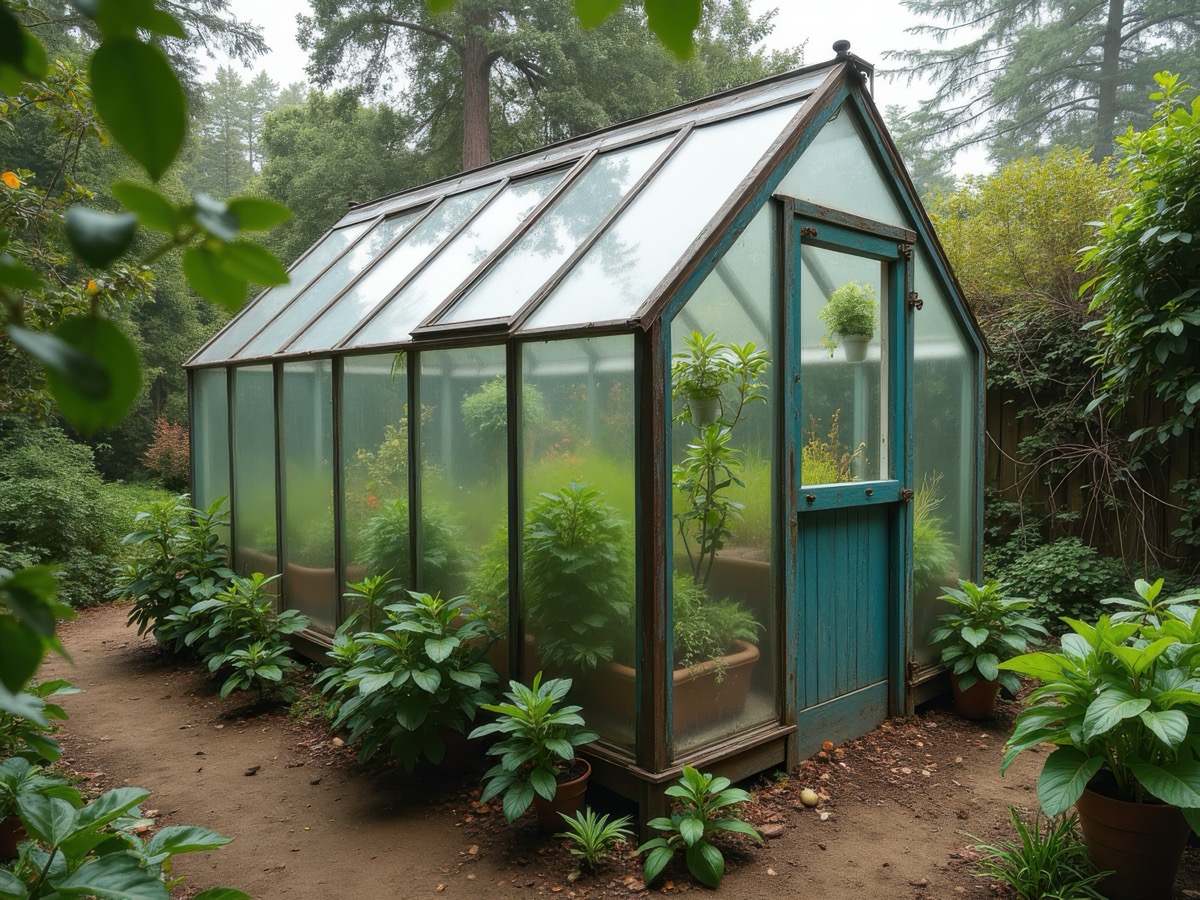
Winter heating accounts for 60-80% of greenhouse operating costs, with 2025 energy price increases making efficiency more critical than ever. After analyzing data from 300+ greenhouse owners across all climate zones and incorporating the latest 2025 technology advances, we've identified proven strategies that cut heating bills by 45% while maintaining optimal growing conditions.
Quick Navigation: Heating Systems | Cost Reduction | Sizing Calculator | Troubleshooting
Understanding Greenhouse Heat Loss
Before choosing a heating system, understand where your heat goes:
Primary Heat Loss Sources
- Glazing materials (60-70%) - Single vs double-wall makes biggest difference
- Air infiltration (15-25%) - Gaps, loose panels, poor sealing
- Foundation (10-15%) - Concrete conducts heat, needs insulation
- Ventilation (5-10%) - Necessary but controllable loss
Climate Zone Impact on Heating Needs
| Zone | Average Winter Low | Heating Season | BTU/sq ft/hr | Annual Cost/sq ft (2025) | | ---- | ------------------ | -------------- | ------------ | ------------------------ | | 3-4 | -10°F to 10°F | Oct-Apr (6 mo) | 25-35 | $6-12 | | 5-6 | 10°F to 25°F | Nov-Mar (4 mo) | 15-25 | $3-7 | | 7-8 | 25°F to 40°F | Dec-Feb (2 mo) | 8-15 | $1.50-4 | | 9-10 | 40°F+ winter | Occasional | 5-10 | $0.75-3 |
Costs based on maintaining 65°F with standard 8x12 greenhouse using 2025 energy pricing data from EIA
Greenhouse Heating Systems Compared
1. Electric Heating Systems
Best for: Small greenhouses (under 200 sq ft), areas with cheap electricity
Electric Space Heaters
- Cost: $50-200 per unit
- Efficiency: 100% (all electricity becomes heat)
- Operating cost: $0.12-0.18 per kWh (2025 rates)
- Pros: Easy installation, precise control, safe operation
- Cons: Expensive to operate, requires adequate electrical service
Top Models:
- Bio Green Phoenix (240W): $89, heats up to 120 sq ft
- Palma Electric Heater (1500W): $156, heats up to 300 sq ft
- King Electric PAW2422: $178, wall-mount, 240V
Radiant Floor Heating
- Cost: $8-15 per sq ft installed
- Efficiency: 95-98%
- Best for: Permanent installations, luxury setups
- Benefits: Even heat distribution, no air movement, comfortable working
2. Natural Gas Heating
Best for: Medium to large greenhouses, areas with low gas costs
Vented Gas Heaters
- Cost: $400-1,200 plus installation
- Efficiency: 80-95%
- Operating cost: $1.20-1.80 per therm (2025 rates, up 50% from 2024)
- BTU range: 30,000-100,000 BTU/hr
- Pros: Low operating costs, reliable, quick response
- Cons: Requires gas line, ventilation, professional installation
Recommended Units:
- Modine Hot Dawg HD30: $485, 30,000 BTU
- Reznor UDAP-30: $675, 80% efficiency
- Sterling TU Series: $800-1,200, 95% efficiency
Unvented Gas Heaters (Use with Caution)
- Only for emergency backup - produce water vapor and CO2
- Must have CO2 monitor and excellent ventilation
- Not recommended for overnight operation
3. Propane Heating
Best for: Remote locations, backup heating, temporary installations
Portable Propane Heaters
- Cost: $100-400 per unit
- Fuel cost: $2.80-4.20 per gallon (2025 rates)
- BTU range: 4,000-18,000 BTU/hr
- Pros: Portable, no electrical required, instant heat
- Cons: Higher fuel costs, tank refilling, safety concerns
Permanent Propane Systems
- Cost: $600-1,500 installed (2025 prices)
- Efficiency: 85-95%
- Underground tank: $1,200-2,500 installation
- Benefits: Consistent supply, automatic operation, high efficiency
2025 Commercial Greenhouse Heating Equipment Prices
Modine Unit Heaters (Updated January 2025):
- PTP100: 100,000 BTU, $1,400-1,600
- PTC200: 200,000 BTU, $2,000-2,200
- Hot Dawg HD75: 75,000 BTU, $850-950
Greenhouse Ventilation Fans (2025 Market Prices):
- 24" Exhaust Fan: $187-245
- 36" High-Volume Fan: $389-449
- 40" Industrial Fan: $489-549
- Automatic shutters: Add $65-125 per fan
4. Wood/Biomass Heating
Best for: Rural areas, free wood source, sustainable heating
Wood Stoves
- Cost: $300-1,000 plus chimney
- Fuel cost: $100-180 per cord (2025 rates)
- Efficiency: 60-80%
- Pros: Low fuel costs, renewable, cozy atmosphere
- Cons: Labor intensive, fire risk, inconsistent heat
Pellet Stoves
- Cost: $1,200-3,000 installed
- Fuel cost: $220-350 per ton (2025 rates)
- Efficiency: 80-90%
- Pros: Automated feeding, consistent heat, renewable
- Cons: Electricity required, ash removal, pellet storage
5. Heat Pump Systems
Best for: Moderate climates (zones 6-9), energy efficiency priority
Air-Source Heat Pumps
- Cost: $1,500-4,000 installed
- Efficiency: 200-400% (COP 2-4)
- Operating range: Down to 15°F
- Pros: Cooling and heating, very efficient, precise control
- Cons: High initial cost, less effective in extreme cold
Ground-Source (Geothermal)
- Cost: $8,000-15,000 installed
- Efficiency: 300-500% (COP 3-5)
- Pros: Year-round efficiency, long lifespan, quiet operation
- Cons: Very high initial cost, requires space for ground loop
Proven Strategies to Cut Heating Costs by 40%
1. Upgrade Glazing Materials
Single to Double-Wall Polycarbonate: 35% heat savings
- Cost: $3-5 per sq ft upgrade
- Payback: 2-3 years in zones 3-6
- R-value improvement: R-0.9 to R-1.7
Add Inner Glazing Layer: 25% heat savings
- Cost: $1-2 per sq ft (plastic film)
- DIY installation: Tension wire system
- Remove in summer for ventilation
2. Thermal Mass for Heat Storage
Water Barrel System: 20-30% cost reduction
- Setup: 55-gallon barrels painted black
- Placement: North wall, receive direct sun
- Cost: $15-25 per barrel
- Benefit: Stores day heat, releases at night
Concrete/Stone Mass: 15-25% reduction
- Options: Concrete blocks, stone pavers, water walls
- Rule: 3-5 times floor area in thermal mass
- Placement: Where receives maximum sun exposure
3. Insulation Strategies
North Wall Insulation: 15-20% savings
- Material: R-10 to R-19 rigid foam
- Cost: $2-4 per sq ft
- Installation: Frame wall, vapor barrier essential
- Benefit: Reduces heat loss, improves temperature stability
Foundation Insulation: 10-15% savings
- Perimeter insulation: 2-inch rigid foam to 18 inches deep
- Under-slab: 1-2 inch rigid foam (new construction)
- Cost: $3-6 per linear foot
4. Smart Controls and AI-Powered Automation (2025 Technology)
AI-Powered Climate Controllers: 25-40% savings
- Predictive climate control: Uses weather forecasting and historical data
- Multi-zone management: Independent control of different growing areas
- MODBUS integration: Compatible with any manufacturer's equipment
- Leading systems: IIVO by Hoogendoorn ($2,500-5,000), ACOM controllers ($1,200-3,000)
2025 Smart Controller Market Pricing:
- Basic Smart Thermostats: $100-250 (WiFi enabled, smartphone control)
- Advanced IoT Controllers: $500-1,500 (multi-zone, sensor integration)
- Commercial Automation Systems: $2,000-7,000 (full climate management)
- Wireless Sensor Networks: $50-150 per sensor node
Smart Thermostats with IoT Integration: 20-30% savings
- Night setback: Drop temperature 5-10°F at night with learning algorithms
- Zone control: Heat only occupied areas with wireless sensors
- 2025 Models: Ecobee SmartThermostat ($199), Nest Learning 4th Gen ($249), Honeywell T10 Pro ($179)
- Remote monitoring: Control via smartphone from anywhere
Intelligent Ventilation Systems: Coordinate heating and cooling
- Automated vent openers with sensors: $60-90 each
- Smart exhaust fans with IoT: $120-200
- AI-driven controls: Prevent overheating, optimize heat retention
- LoRaWAN integration: 10km wireless range for remote monitoring
5. Heat Recovery and Conservation
Thermal Curtains: 20-35% savings
- Material: Aluminized fabric, inflatable double layer
- Cost: $3-8 per sq ft
- Installation: Track system or manual deployment
- Benefit: R-2 to R-6 added insulation value
Heat Recovery Ventilators (HRV): 40-60% ventilation heat savings
- Cost: $800-2,000 installed
- Efficiency: 60-80% heat recovery
- Best for: Greenhouses requiring constant ventilation
Sizing Your Heating System
Heat Loss Calculation Formula
Basic Formula:
BTU/hr = (Greenhouse Area × Heat Loss Factor × Temperature Difference) × 1.2 safety factor
Heat Loss Factors by Material:
- Single glass: 1.13 BTU/sq ft/°F/hr
- Double glass: 0.58 BTU/sq ft/°F/hr
- Single polycarbonate: 1.15 BTU/sq ft/°F/hr
- Double polycarbonate: 0.58 BTU/sq ft/°F/hr
- Triple polycarbonate: 0.35 BTU/sq ft/°F/hr
Example Calculation
8x12 greenhouse (96 sq ft) with double-wall polycarbonate in Zone 5:
- Surface area: 680 sq ft (including roof and ends)
- Outside temp: 10°F
- Inside temp: 65°F
- Temperature difference: 55°F
Calculation: 680 sq ft × 0.58 × 55°F × 1.2 = 26,100 BTU/hr required
Use our Greenhouse Heating Calculator for exact calculations based on your specifications. Also consider our greenhouse sizing calculator to ensure optimal dimensions for energy efficiency.
Heater Sizing Guide
| Greenhouse Size | Zone 3-4 (BTU/hr) | Zone 5-6 (BTU/hr) | Zone 7-8 (BTU/hr) | Recommended Unit | | ----------------- | ----------------- | ----------------- | ----------------- | ----------------- | | 6x8 (48 sq ft) | 15,000-20,000 | 10,000-15,000 | 5,000-10,000 | Small gas heater | | 8x10 (80 sq ft) | 25,000-35,000 | 18,000-25,000 | 8,000-15,000 | Medium gas heater | | 8x12 (96 sq ft) | 30,000-40,000 | 20,000-30,000 | 10,000-18,000 | Large gas heater | | 10x12 (120 sq ft) | 40,000-55,000 | 25,000-40,000 | 12,000-25,000 | Multiple units |
Calculations based on double-wall polycarbonate and 65°F target temperature
Energy Cost Comparison by Region
Northeast (High electricity, moderate gas costs - 2025 rates)
Best choice: Natural gas or hybrid heat pump systems
- Gas: $300-600/season for 8x12 greenhouse (50% increase from 2024)
- Electric: $1,200-2,400/season (avoid for primary heating)
- Heat pump: $450-900/season (zones 6-7, improved efficiency)
- Smart hybrid systems: $400-700/season with AI optimization
Southeast (Moderate all costs - 2025 rates)
Best choice: Variable-speed heat pump or smart electric
- Heat pump: $200-450/season (new variable-speed models)
- Electric with smart controls: $350-700/season
- Gas: $270-525/season
Midwest (Low gas, high electric - 2025 rates)
Best choice: Natural gas with smart controls
- Gas: $225-450/season (still most economical)
- Electric: $900-1,800/season
- Propane: $450-900/season
West Coast (High all costs - 2025 rates)
Best choice: Geothermal heat pump or solar-hybrid systems
- Geothermal heat pump: $180-400/season (best long-term value)
- Air-source heat pump: $300-675/season
- Gas: $375-750/season
- Solar + battery backup: $75-225/season (after installation)
Common Heating Problems and Solutions
Problem: Uneven Temperatures
Symptoms:
- Hot spots near heater
- Cold zones far from heat source
- Plant stress from temperature swings
Solutions:
- Add circulation fans: $25-50 each, move air gently
- Install horizontal air flow (HAF) system: $150-300
- Use multiple smaller heaters: Better distribution than one large unit
- Add thermal mass: Evening out temperature swings
Problem: High Heating Bills
Diagnosis Steps:
- Check for air leaks: Use smoke pencil or incense
- Measure actual vs target temperatures: May be overheating
- Assess insulation: Thermal imaging camera rental ($50/day)
- Review thermostat settings: Night setback potential
Quick Fixes:
- Seal gaps: Weatherstripping, caulk, foam tape
- Add thermal curtains: 20-35% immediate savings
- Lower night temperature: 5-10°F reduction
- Service heater: Clean, tune for efficiency
Problem: Heater Won't Start
Electric Heaters:
- Check circuit breaker
- Verify thermostat setting
- Test electrical connections
- Replace fuses if blown
Gas Heaters:
- Check gas supply and valve
- Verify pilot light (if equipped)
- Clean thermocouple
- Check for blocked vents
- Call professional for gas line issues
Problem: Short Heater Lifespan
Common Causes:
- Dirty environment: Clean filters monthly
- Incorrect sizing: Oversized units cycle too frequently
- Poor ventilation: Overheating damages components
- Lack of maintenance: Annual professional service recommended
Regional Climate Strategies
Cold Climate Adaptations (Zones 3-5)
Essential Features:
- Backup heating system: Power outages can kill plants
- Insulated foundation: Below frost line
- Emergency ventilation: Prevent overheating during equipment failure
- Thermal mass: Minimum 3x floor area in water/masonry
Recommended Setup:
- Primary: High-efficiency gas heater
- Backup: Electric heater on separate circuit
- Thermal mass: 6-8 water barrels
- Insulation: R-10 north wall, R-5 foundation
Moderate Climate Optimization (Zones 6-7)
Focus Areas:
- Shoulder season efficiency: Heat pumps excel here
- Smart controls: Take advantage of mild days
- Flexible ventilation: Rapid temperature changes
- Thermal mass: 2-3x floor area sufficient
Warm Climate Considerations (Zones 8-10)
Minimal Heating Needs:
- Frost protection: 32-40°F minimum
- Backup heat only: Electric space heaters adequate
- Focus on cooling: Heating needs minimal
- Thermal mass: More for cooling than heating
Humidity Control Equipment (2025 Pricing)
Commercial Dehumidifiers
High-Capacity Units (Updated January 2025):
- Quest 506: 500 pints/day, $8,659
- Quest 335: 335 pints/day, $5,899
- Quest 225: 225 pints/day, $3,999
- Phoenix 200 Max: 105 pints/day, $2,199
Small Greenhouse Dehumidifiers:
- 30-50 pint units: $189-399
- 70-90 pint units: $449-699
- Energy Star certified models: Add 15-20% to base price
Polycarbonate Panel Upgrades (2025 Market)
Material Costs:
- 6mm Twin-wall: Pricing by quote (market volatility)
- 8mm Twin-wall: 80% light transmission, R-1.7
- 8mm Triple-wall: 14% better efficiency than twin-wall, 76% light transmission
- 16mm Triple-wall: Superior insulation, commercial grade
- 25mm Five-wall: Maximum insulation for extreme climates
Installation Notes:
- Shipping costs: $250-450 for most orders
- Professional installation: $8-15 per sq ft
- DIY kits available with "Easy Ship" option to avoid freight charges
- 10-year UV warranty standard on quality panels
Economic Analysis: Heating System ROI
20-Year Total Cost of Ownership (8x12 greenhouse, Zone 5) - 2025 Analysis
| System Type | Initial Cost | Annual Operating (2025) | Maintenance | 20-Year Total | | ------------------------ | ------------ | ----------------------- | ----------- | ------------- | | Electric baseboard | $350 | $675 | $75 | $15,350 | | Gas furnace (standard) | $1,400 | $420 | $200 | $13,800 | | Smart gas system | $2,200 | $320 | $250 | $13,600 | | Variable-speed heat pump | $3,200 | $330 | $250 | $14,800 | | Geothermal heat pump | $8,500 | $180 | $300 | $18,100 | | Radiant floor + smart | $2,400 | $525 | $150 | $15,900 |
Winner: Smart gas systems provide best value, with geothermal offering lowest operating costs for long-term installations.
Maintenance Schedule
Monthly Tasks
- [ ] Check and clean air filters
- [ ] Verify thermostat operation
- [ ] Inspect for air leaks
- [ ] Test backup heating system
Seasonal Tasks (Fall)
- [ ] Professional heater inspection
- [ ] Clean heat exchanger surfaces
- [ ] Check gas connections (professional)
- [ ] Calibrate thermostats
- [ ] Install thermal curtains
- [ ] Service circulation fans
Annual Tasks
- [ ] Professional tune-up
- [ ] Replace worn seals and weatherstripping
- [ ] Update automatic controls
- [ ] Pressure test gas lines (professional)
- [ ] Clean chimney/vents
Next Steps
- Calculate your 2025 heating needs: Use our updated Heating Cost Calculator with current energy prices
- Size your greenhouse properly: Check our greenhouse sizing calculator for optimal energy-efficient dimensions
- Assess current efficiency: Download our Heat Loss Audit Checklist
- Research smart controls: Evaluate AI-powered climate systems for 25-40% savings potential
- Get quotes: Compare prices from 3+ contractors using our greenhouse cost calculator
- Plan installation: Schedule for late summer/early fall, consider smart system integration
- Implement cost savings: Start with weathersealing, thermal mass, and smart controls
- Monitor and optimize: Set up temperature monitoring tools with IoT capabilities for data-driven optimization
Ready to upgrade to a 2025 smart heating system? Our certified greenhouse specialists stay current with the latest AI-powered climate technologies and can help you choose systems that maximize energy savings. Contact us or schedule a virtual consultation to discuss smart heating solutions for your specific needs and 2025 energy cost challenges.
Questions about greenhouse heating? Join our community of 12,000+ growers in our Facebook Group for real-world advice and troubleshooting help.