
Sierra Greenhouse Insights
Smart Greenhouse Automation Systems: Ultimate Guide (2025)
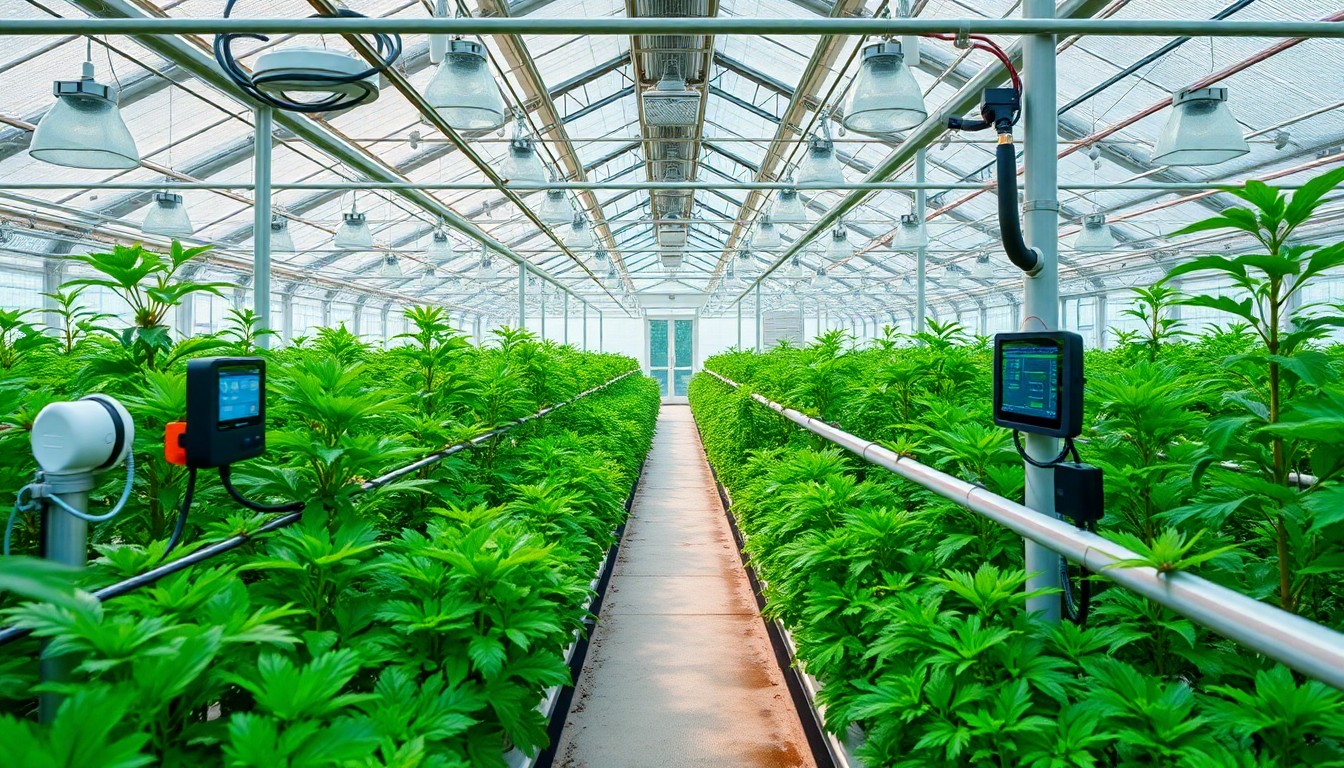
Did you know that modern greenhouse automation systems can reduce labor costs by up to 80% while increasing yields by 25-40%? In 2025, smart greenhouse technology has revolutionized how we grow, integrating artificial intelligence, IoT connectivity, and precision controls to create truly autonomous growing environments. This comprehensive guide walks you through everything from basic automation essentials to cutting-edge AI systems that learn and adapt to your plants' needs.
Table of Contents
- Automation Basics
- Essential Systems
- Smart Controls
- Monitoring Solutions
- Integration Options
- Cost Analysis
- Installation Guide
- Maintenance Requirements
- Troubleshooting Tips
- Future Technologies
Automation Fundamentals for 2025
Before diving into specific systems, it's essential to understand how modern greenhouse automation has evolved into an interconnected ecosystem of smart technologies.
Core System Components
- Intelligent Control Units: Central processing systems with multi-zone capability
- High-Precision Sensor Networks: Wireless arrays monitoring dozens of parameters
- Smart Actuators: Motorized systems with self-calibration and feedback
- Cloud Connectivity: Always-on internet connection with redundant backup
- Intuitive User Interfaces: Mobile apps and voice-controlled dashboards
- Big Data Architecture: Secure storage with historical analysis capabilities
Automation System Categories
-
Entry-Level Automation ($500-$2,000)
- Programmable timer controllers with weekly schedules
- Basic environmental sensors (temperature, humidity, light)
- Simple relay-controlled actuators for fans and heaters
- Manual override capabilities via local touchscreens
- Limited local data storage (7-30 days typical)
-
Advanced Smart Systems ($2,000-$10,000)
- AI-enhanced controllers with learning capabilities
- Comprehensive sensor networks (20+ environmental parameters)
- Variable-speed actuators for precise environmental control
- Full remote access via secure cloud platforms
- Sophisticated data analytics with yield prediction
- Integration with other farm management systems
Smart sensors and monitoring equipment
Updated January 2025 - Current smart greenhouse sensors with verified reliability and customer satisfaction.
Temperature and humidity monitoring
THIRDREALITY Zigbee Sensor 3-Pack - $37.99
- Rating: 4.5/5 stars (1,800+ reviews)
- Why growers choose it: "Accurate readings," "Long battery life," "Smart home integration"
- Key features: Zigbee connectivity, 2-year battery, works with Alexa/SmartThings
- Monitoring range: -4°F to 140°F, 0-100% humidity
- Smart alerts: Phone/email notifications for out-of-range conditions
- View on Amazon →
Govee WiFi Hygrometer 3-Pack - $55.99
- Rating: 4.4/5 stars (15,000+ reviews)
- Why growers choose it: "Easy app setup," "2-year data storage," "Reliable alerts"
- Key features: WiFi connectivity, data export, smartphone app control
- Monitoring range: -40°F to 140°F, 0-100% humidity with ±0.54°F accuracy
- Smart alerts: Customizable thresholds with push notifications
- View on Amazon →
Soil moisture and plant monitoring
Smart WiFi Soil Moisture Sensor - $29.99
- Rating: 4.2/5 stars (650+ reviews)
- Why growers choose it: "Hub-free setup," "Works with irrigation," "Real-time alerts"
- Key features: IP67 waterproof, automatic watering integration, app control
- Monitoring capability: Soil moisture and temperature with trend tracking
- Smart alerts: Low moisture warnings and irrigation reminders
- View on Amazon →
THIRDREALITY Zigbee Soil Sensor - $19.99
- Rating: 4.3/5 stars (420+ reviews)
- Why growers choose it: "Accurate readings," "Long battery life," "Smart home integration"
- Key features: Capacitive probe, Zigbee connectivity, 1-year battery life
- Monitoring capability: Precise moisture levels with temperature compensation
- Smart alerts: Customizable moisture thresholds with notifications
- View on Amazon →
Premium monitoring systems
SensorPush HT.w Smart Sensor - $69.99
- Rating: 4.6/5 stars (8,200+ reviews)
- Why growers choose it: "Professional accuracy," "Long range," "Waterproof design"
- Key features: Bluetooth connectivity, water resistant, unlimited data storage
- Monitoring range: -40°F to 140°F, 0-100% humidity with ±0.5°F accuracy
- Smart alerts: Advanced notifications with data trending
- View on Amazon →
YoLink Smart Temperature Sensor - $21.99
- Rating: 4.4/5 stars (2,100+ reviews)
- Why growers choose it: "Long range," "Extreme temperatures," "Multiple alerts"
- Key features: 1000ft range, extreme temperature capability, multiple alert methods
- Monitoring range: -40°F to 185°F with email/SMS/push notifications
- Smart alerts: Text, email, and app notifications with customizable thresholds
- View on Amazon →
Essential Systems
Key automation components for optimal growing.
Climate Control
-
Temperature Management
- Heating control
- Cooling systems
- Vent automation
- Shade control
-
Environmental Factors
- Humidity regulation
- CO2 monitoring
- Air circulation
- Light control
Water Management
-
Irrigation Systems
- Drip control
- Misting systems
- Fertigation
- Water recycling
-
Monitoring Tools
- Moisture sensors
- Flow meters
- pH monitoring
- EC measurement
Smart Controls
Advanced control systems for precise management.
Modern Control Interface Types
-
On-Premise Control Systems
- High-Resolution Touchscreens: Interactive dashboards with visual feedback
- Ruggedized Control Panels: Environment-resistant interfaces for humid conditions
- Voice-Activated Controls: Hands-free operation for workers during plant care
- Gesture Recognition Interfaces: Motion-based control for gloved operation
- Multi-Language Support: Interfaces supporting up to 12 languages for diverse workforces
-
Remote Management Platforms
- Mobile Applications: Native apps with push notifications for critical alerts
- Web-Based Dashboards: Responsive interfaces that work across all devices
- Cloud Management Systems: Role-based access with team collaboration tools
- Virtual Reality Interfaces: 3D visualization of greenhouse conditions (emerging technology)
- API Integration: Connectivity with farm management software and accounting systems
Programming Options
-
Basic Settings
- Time schedules
- Temperature ranges
- Humidity levels
- Light cycles
-
Advanced Programs
- Dynamic adjustments
- Weather integration
- Plant algorithms
- Energy optimization
Monitoring Solutions
Comprehensive tracking and data collection.
Sensor Networks
-
Environmental Sensors
- Temperature
- Humidity
- Light levels
- CO2 content
-
Plant Monitoring
- Growth tracking
- Leaf sensors
- Root monitoring
- Nutrient levels
Data Management and Analytics
-
Advanced Data Collection Infrastructure
- High-Frequency Monitoring: Sensor readings at 5-60 second intervals
- Lossless Data Storage: Redundant systems ensuring no data gaps
- Contextual Tagging: Automatic labeling of events (irrigation, harvest, etc.)
- Multi-Parameter Correlation: Connections between environmental factors and growth
- Real-Time Anomaly Detection: Immediate alerts for out-of-range conditions
-
AI-Powered Analytics Tools
- Predictive Growth Modeling: AI algorithms projecting harvest dates and yields
- 3D Climate Visualization: Spatial mapping of temperature and humidity gradients
- Resource Optimization: Energy, water, and nutrient usage analysis
- Comparative Benchmarking: Performance against historical and industry standards
- Automated Reporting: Customizable reports delivered on schedule
- Crop Quality Prediction: Early identification of potential quality issues
System Integration in 2025
The true power of modern greenhouse automation comes from seamless integration between systems, creating a unified growing ecosystem.
Advanced Connectivity Technologies
-
Wireless Communication Standards
- Mesh WiFi Networks: Self-healing systems with 99.9% greenhouse coverage
- 5G Cellular Integration: Low-latency connections for remote operations
- Hardwired Ethernet Backbones: Ultra-reliable core network infrastructure
- Long-Range LoRaWAN: Energy-efficient connectivity for outlying sensors
- Bluetooth Mesh: Short-range connections for dense sensor clusters
-
Smart Device Ecosystem
- Unified Sensor Networks: Standardized interfaces across manufacturers
- Centralized Control Hubs: Single point of command for all systems
- Mobile Integration: Seamless handoff between fixed and portable devices
- Weather Station Connectivity: Real-time external condition monitoring
- Equipment Integration: Direct communication with tractors and machinery
Integration Platforms and Standards
-
Commercial Integrated Systems
- Full-Stack Vendor Solutions: Comprehensive ecosystems with guaranteed compatibility
- Managed Cloud Platforms: Professionally maintained infrastructure with regular updates
- Enterprise Support Plans: 24/7 technical assistance with remote troubleshooting
- Turnkey Implementation: Professional installation and calibration services
- Unified Security: Centralized authentication and encryption management
-
Open Architecture Platforms
- Open-Source Protocols: MQTT, JSON, and REST API-based communications
- Modular System Design: Mix-and-match components from different vendors
- Custom Integration Services: Tailor systems to specific operational needs
- Community-Supported Development: Shared knowledge base and troubleshooting
- Flexible Implementation: Gradual scaling from basic to advanced automation
Cost Analysis
Understanding automation investment.
Initial Costs
-
Basic Systems
- Control units
- Essential sensors
- Basic setup
- Simple interface
-
Advanced Options
- Smart controllers
- Sensor networks
- Professional installation
- Custom programming
Operating Expenses
-
Regular Costs
- Power usage
- Data plans
- Maintenance
- Updates
-
Long-term Value
- Labor savings
- Resource efficiency
- Yield improvement
- Quality control
Installation Guide
Setting up automation systems properly.
Planning Phase
-
System Design
- Needs assessment
- Component selection
- Layout planning
- Integration strategy
-
Infrastructure
- Power supply
- Network access
- Sensor placement
- Control location
Implementation
-
Physical Setup
- Component mounting
- Wiring installation
- Sensor placement
- Control setup
-
System Configuration
- Programming
- Testing
- Calibration
- User training
Maintenance Requirements
Keeping automation systems running smoothly.
Regular Tasks
-
Daily Checks
- System status
- Sensor readings
- Alert monitoring
- Basic function
-
Weekly Maintenance
- Data review
- Calibration check
- Clean sensors
- Update settings
Long-term Care
-
Monthly Tasks
- Deep cleaning
- System updates
- Performance check
- Backup review
-
Annual Service
- Professional inspection
- Major updates
- Component replacement
- System upgrade
Troubleshooting Tips
Solving common automation issues.
Common Problems
-
Sensor Issues
- Calibration errors
- Connection loss
- Reading inaccuracy
- Physical damage
-
Control Problems
- Program errors
- Communication failure
- Power issues
- Interface problems
Quick Solutions
-
Basic Fixes
- Reset procedures
- Cleaning methods
- Connection repair
- Battery replacement
-
Advanced Help
- Diagnostic tools
- Support contact
- Replacement parts
- Professional service
Breakthrough Technologies for 2025 and Beyond
The greenhouse automation industry continues to evolve rapidly with several game-changing technologies on the horizon.
Current Cutting-Edge Developments
-
Artificial Intelligence Revolution
- Autonomous Growing Systems: AI controllers making real-time adjustments without human input
- Machine Learning Climate Optimization: Systems that learn ideal conditions for specific crop varieties
- Computer Vision Plant Monitoring: Cameras that detect subtle changes in plant health before visible to humans
- Predictive Resource Management: AI that anticipates water and nutrient needs days in advance
- Adaptive Response Systems: Controllers that adjust strategies based on changing plant responses
-
Next-Generation Sensing Technologies
- Plant Sap Analysis Sensors: Real-time nutrient uptake monitoring
- Pathogen DNA Detection: Early warning systems for disease outbreak
- Spectral Imaging Arrays: Nutrient deficiency detection before visual symptoms
- Acoustic Growth Monitoring: Sound-based detection of plant stress and development
- Nano-Scale Environmental Sensors: Microscopic monitoring at the plant cell level
Emerging Technologies (2025-2028)
-
Revolutionary Control Systems
- Agricultural Robotics Integration: Automated planting, maintenance, and harvesting
- Aerial Drone Monitoring Fleets: Comprehensive 3D mapping of crop development
- Virtual Reality Management Interfaces: Immersive crop monitoring and control
- Blockchain Traceability: Seed-to-sale tracking for complete transparency
- Voice-Interactive Growing Assistants: AI systems responding to verbal commands and queries
-
Transformative System Advancements
- Quantum Computing Integration: Complex modeling beyond current capabilities
- Energy-Independent Systems: Self-powering greenhouses with integrated renewables
- Modular Plug-and-Play Expansion: Zero-configuration addition of new components
- Closed-Loop Sustainability: Complete water and nutrient recycling systems
- Predictive Maintenance AI: Systems that order parts before failures occur
Conclusion: The Smart Greenhouse Revolution
The greenhouse automation landscape of 2025 represents a fundamental shift from simple timers and thermostats to comprehensive growing systems with artificial intelligence at their core. These technologies have democratized access to precision agriculture, allowing operations of all sizes to maximize efficiency, quality, and sustainability.
As you consider automating your own greenhouse, remember that the investment pays dividends through increased yields, reduced resource consumption, and improved crop quality. The key is developing a strategic automation plan that addresses your specific needs while allowing for future technological adoption.
Key Implementation Takeaways
- Start with a clear automation strategy focused on your highest-priority growing challenges
- Create a phased implementation plan that builds toward comprehensive integration
- Invest in quality components with proven compatibility and expandability
- Develop regular maintenance protocols for sensors, actuators, and control systems
- Stay informed about technological developments through industry publications
- Design systems with future expandability in mind to accommodate emerging technologies
- Prioritize data security and backup systems to protect your growing information
Additional Resources
Related Articles
Useful Tools
Need expert guidance on greenhouse automation? Contact our specialists for professional consultation.