
Sierra Greenhouse Insights
Greenhouse Automation and Smart Systems: A Practical Guide
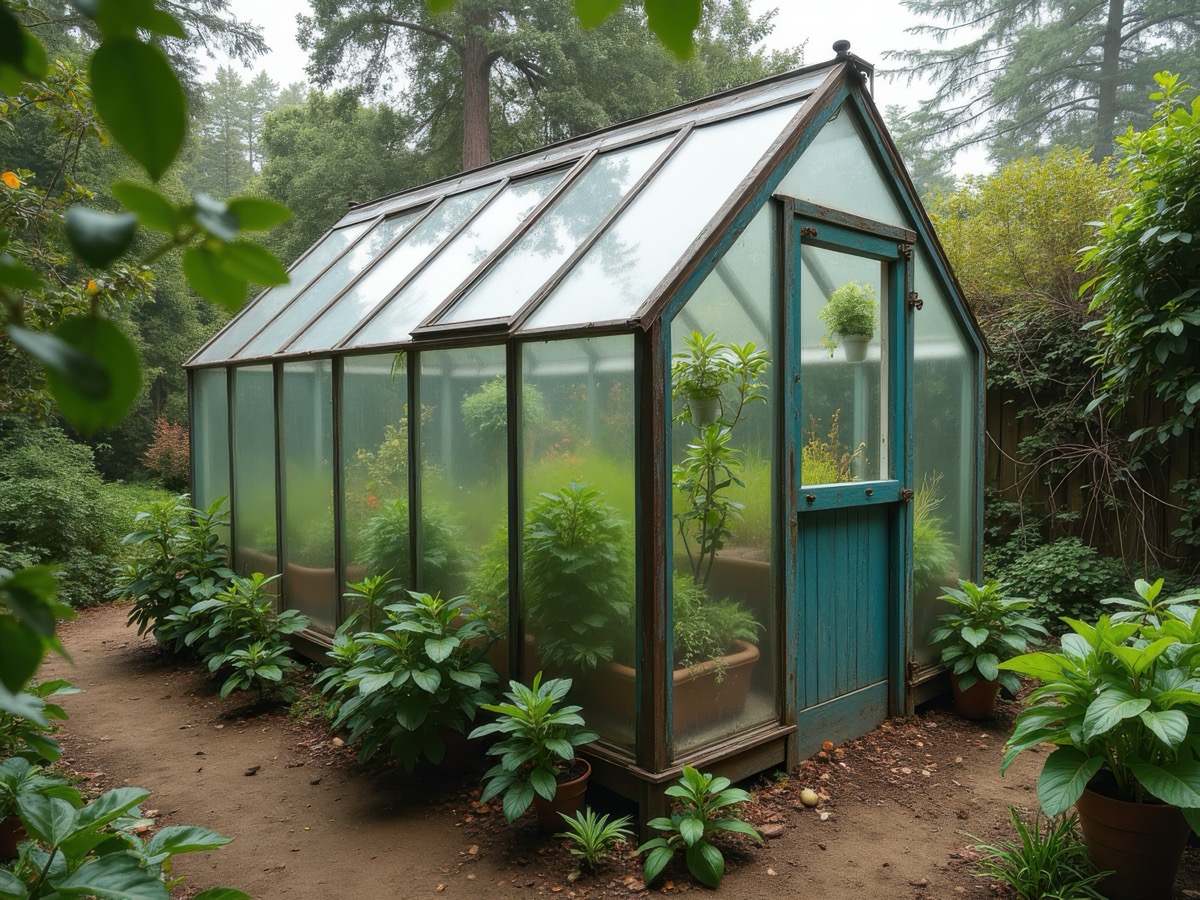
Automation is not about gadgets. It is about stable growing conditions. When temperature, humidity, and airflow stay in range, plants grow faster and problems shrink. This guide shows how to choose sensors, pick control priorities, and build a system you can trust.
If you are planning from scratch, start with the surface area calculator and the heating calculator so you can size your greenhouse and energy plan correctly.
Start with control priorities
Every greenhouse has three core control goals:
- Temperature stability
- Humidity control
- Ventilation and air movement
Automation should focus on these first. Lighting, CO2, and irrigation are valuable, but they work best after the basics are stable.
Sensors that matter most
Temperature sensors
- Use at least two sensors: one at plant canopy height and one higher.
- Shield sensors from direct sun to avoid false spikes.
Humidity sensors
- Place near plants, not directly in airflow.
- High humidity increases disease risk, so monitor trends, not just readings.
CO2 sensors (optional)
CO2 can improve growth in closed environments, but it must be controlled and safe. Only add CO2 control after ventilation is reliable and you understand your crop needs.
Light sensors (optional)
Light sensors help you track seasonal changes and decide when to add supplemental light for consistent growth.
Controllers: the brain of the system
A controller ties sensors to actions. Typical outputs include:
- Vent fans
- Roof vents
- Heaters
- Circulation fans
- Mist or fog systems
Choose a controller you can understand and troubleshoot. The best system is the one you can maintain without a specialist.
The basic automation stack
A reliable baseline setup includes:
- Temperature control: heater + ventilation fan + roof vent
- Humidity control: ventilation + circulation fans
- Data logging: a simple dashboard or log for daily review
Once these are stable, add irrigation schedules or CO2 if needed.
Automation routines that work
Routine 1: Daytime temperature control
- Open vents when temperature rises above your set range.
- Run exhaust fans to prevent hot spots.
- Close vents when temperature returns to target.
Routine 2: Nighttime stability
- Use gentle heat to avoid sudden drops.
- Keep a minimum airflow to prevent condensation.
Routine 3: Humidity protection
- Vent humid air before it condenses on leaves.
- Use circulation fans to move air through the canopy.
Avoid these common automation mistakes
- Too many control targets at once: Start with temperature and airflow.
- Sensors in the wrong place: Poor placement leads to wrong decisions.
- Over-automation: Manual override should always be easy.
When to automate irrigation
Irrigation is often the first upgrade after climate control. Use automated watering if you can monitor runoff and avoid waterlogging. Many growers start with a simple timer, then move to moisture-based control after they learn how plants respond.
Greenhouse automation and energy use
Automation can reduce energy waste by preventing large temperature swings. Target stability rather than maximum heat. Many energy savings come from:
- Sealing drafts
- Using thermal screens
- Running fans and vents only when needed
FAQ
Do I need a full smart system to automate my greenhouse?
No. Start with a few sensors and a reliable controller. A basic system that keeps temperature and humidity stable is enough for most growers.
Is CO2 supplementation worth it?
It can be, but only if your greenhouse is well-sealed and you can monitor levels safely. Focus on ventilation and temperature first.
How do I avoid sensor drift?
Calibrate sensors on a schedule and keep them clean. Use two sensors for critical readings so you can compare results.