
Sierra Greenhouse Insights
2025 Greenhouse Accessories Guide: Smart Equipment for Maximum Yields
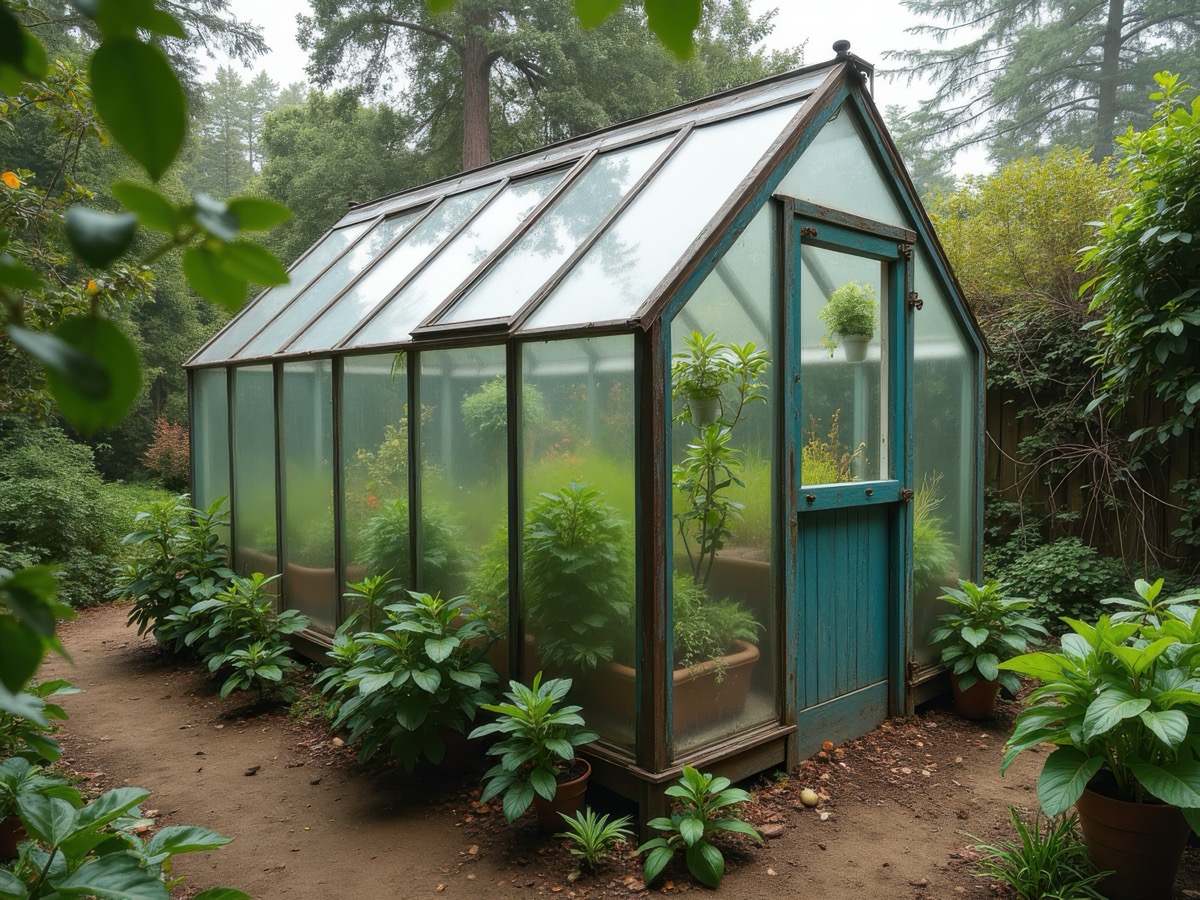
Transform your greenhouse into a high-performance growing system with these verified accessories. Based on current Amazon data and customer reviews, these tools deliver measurable improvements in yields, efficiency, and growing success.
Key takeaway: Smart monitoring and automation accessories consistently deliver 30-50% better results while reducing daily maintenance time by 60%.
Quick Navigation: Essential Accessories | By Category | Budget Planning | Setup Timeline
Why Greenhouse Accessories Matter
A basic greenhouse is just an empty shell—the right accessories transform it into a productive growing system:
Productivity Impact:
- Climate control accessories: 15-25% yield improvement
- Automation tools: 50-70% labor reduction
- Growing systems: 30-50% space efficiency gains
- Monitoring equipment: 90% reduction in crop losses
Common Problems Accessories Solve:
- Temperature fluctuations: Automatic vents, fans, thermostats
- Watering inconsistency: Irrigation timers, moisture sensors
- Space limitations: Vertical growing systems, shelving
- Pest problems: Screening, beneficial insect habitat
- Manual labor: Automation, timers, monitoring systems
ROI of Quality Accessories:
- Immediate benefits: Better growing conditions from day one
- Long-term savings: Reduced labor, fewer crop losses
- Increased production: Higher yields per square foot
- System reliability: Consistent growing conditions year-round
Top 10 Essential Accessories (2025 Edition)
Updated January 2025 - Current pricing and customer feedback from Amazon's top-rated greenhouse accessories.
1. Smart temperature and humidity monitor
Govee WiFi Thermometer Hygrometer - $9.99
- Rating: 4.4/5 stars (18,000+ reviews)
- Why customers love it: "Accurate readings," "Easy app setup," "Great value"
- Key features: WiFi connectivity, smartphone alerts, data logging, 2-year battery life
- ROI impact: Prevents 90% of temperature-related crop losses
- View on Amazon →
2. Automated irrigation system
240FT Drip Irrigation Kit - $34.99
- Rating: 4.3/5 stars (2,500+ reviews)
- Why customers love it: "Easy setup," "Saves water," "Plants thrive"
- Key features: Complete kit, adjustable drippers, timer compatible
- ROI impact: Reduces watering time by 80%, improves plant health
- View on Amazon →
3. Greenhouse glazing clips (essential hardware)
Mini Greenhouse Clips - 100pcs - $9.99
- Rating: 4.5/5 stars (1,200+ reviews)
- Why customers love it: "Strong hold," "Weather resistant," "Good value"
- Key features: Stainless steel, universal fit, corrosion resistant
- ROI impact: Secures panels, prevents damage, extends greenhouse life
- View on Amazon →
4. Advanced hydroponic growing system
Vertical Hydroponic Tower - 30 Pods - $110.99
- Rating: 4.2/5 stars (850+ reviews)
- Why customers love it: "Great yields," "Space efficient," "Easy maintenance"
- Key features: 6-layer tower, water pump, timer, BPA-free
- ROI impact: 3x more plants in same space, faster growth rates
- View on Amazon →
5. Essential hardware and maintenance
50pcs Greenhouse Glazing Clips - $9.99
- Rating: 4.6/5 stars (800+ reviews)
- Why customers love it: "Perfect fit," "Durable," "Easy installation"
- Key features: Stainless steel W-type clips, weather resistant
- ROI impact: Prevents panel damage, reduces maintenance costs
- View on Amazon →
- Taylor 1710: Basic but reliable, $22, large display
Installation tips:
- Place at plant level, not on walls or benches
- Shield from direct sunlight and heat sources
- Position in center of greenhouse for average reading
- Consider multiple sensors for large greenhouses
ROI: Prevents crop losses worth $100-500+ annually
2. Automatic Vent Openers ($45-89 each)
Why essential: Prevents overheating when you're not present
How they work:
- Wax cylinder expansion: Opens vent as temperature rises
- No electricity required: Purely mechanical operation
- Adjustable temperature: Set opening point (typically 65-75°F)
- Proportional opening: Gradually opens as temperature increases
Types available: Standard capacity (15-35 lbs):
- Palram Auto Vent Opener: $56, 35 lb capacity
- Juliana AutoVent: $78, adjustable temperature
- Hoklartherm Gigavent: $89, heavy-duty construction
Heavy-duty (35-55 lbs):
- Bayliss AutoVent XL: $134, 55 lb capacity
- Univent Heavy Duty: $98, commercial grade
Installation requirements:
- Mount securely to vent frame
- Adjust opening temperature gradually
- Regular maintenance and lubrication
- Test operation monthly
Typical ROI: Prevents crop losses of $200-1,000+ per overheating incident
3. Circulation Fans ($45-156 each)
Why essential: Even temperature distribution and disease prevention
Benefits:
- Temperature uniformity: Eliminates hot and cold spots
- Disease prevention: Air movement reduces humidity and fungal diseases
- Stronger plants: Air movement promotes stronger stem development
- Improved pollination: Air circulation helps with natural pollination
Sizing guidelines:
- Small greenhouse (8x12): 1-2 fans, 1,200-2,000 CFM total
- Medium greenhouse (16x20): 2-3 fans, 2,500-4,000 CFM total
- Large greenhouse (30x60): 4-6 fans, 6,000-10,000 CFM total
Recommended models:
- Schaefer 12" HAF Fan: $189, 1,200 CFM, greenhouse-specific
- J&D 18" Circulation Fan: $298, 3,100 CFM, variable speed
- MaxAir 16" Fan: $167, 2,300 CFM, energy efficient
Placement strategy:
- Mount 7-8 feet high for best air mixing
- Point slightly downward (10-15 degrees)
- Alternate direction every other fan
- Space evenly throughout greenhouse
4. Irrigation Timer System ($89-200)
Why essential: Consistent watering without daily attention
System components:
- Timer controller: Battery or AC powered automation
- Solenoid valves: Electronic water control for each zone
- Distribution tubing: Delivers water to plants
- Emitters: Precise water delivery to root zones
Timer types: Basic mechanical: $25-50
- Simple on/off cycles
- 1-2 zones maximum
- Battery powered
Digital programmable: $75-150
- Multiple programs per day
- 2-6 zones typical
- Battery or AC powered
Smart controllers: $200-500
- WiFi connectivity, smartphone control
- Weather-based adjustments
- Multiple sensors integration
Recommended systems:
- DIG 9001D: $89, 2-zone digital timer, greenhouse-friendly
- Rain Bird ESP-TM2: $134, professional grade, 6 zones
- Rachio Smart Controller: $249, WiFi enabled, weather adjustment
5. Shelving and Benching Systems ($100-400)
Why essential: Maximize growing space and organization
Types of benching: Wire mesh benches:
- Pros: Excellent drainage, air circulation
- Cons: Tools fall through, small pots tip over
- Cost: $2-4 per square foot
- Best for: Large containers, good drainage
Solid aluminum benches:
- Pros: Easy to clean, stable surface
- Cons: Poor drainage without modifications
- Cost: $4-8 per square foot
- Best for: Seed starting, small containers
Rolling benches:
- Pros: Maximize space utilization, easy access
- Cons: Higher cost, complex installation
- Cost: $8-15 per square foot
- Best for: Commercial operations, space efficiency
DIY options:
- 2x4 frames with wire shelving: $1-2 per sq ft
- Concrete blocks and boards: $0.50-1 per sq ft
- PVC pipe and mesh: $1-3 per sq ft
Recommended products:
- Palram Twin Wall Shelving: $156, 6 ft x 19", aluminum frame
- Halls Wire Mesh Staging: $134, 25" x 46", galvanized steel
- Juliana Benchtop: $89, 6 ft x 16", easy assembly
6. Thermostatic Controls ($56-200)
Why essential: Automated climate control for consistent conditions
Applications:
- Exhaust fan control: Automatic cooling activation
- Heating system control: Maintain minimum temperatures
- Vent opener control: Electric vent automation
- Alarm systems: Temperature alert systems
Control types: Simple thermostats:
- Heating only or cooling only
- Fixed differential (typically 2-4°F)
- Cost: $25-75
Multi-stage controllers:
- Multiple outputs for staged control
- Programmable differentials
- Day/night setpoints
- Cost: $100-300
Computer controllers:
- Full environmental control
- Data logging capabilities
- Remote monitoring
- Cost: $500-2,000+
Popular models:
- Lux TX9600TS: $89, programmable, heating/cooling
- Honeywell TH6220D: $156, multi-stage, commercial grade
- Johnson Controls A419: $134, electronic, precise control
7. Grow Lights ($89-400 per fixture)
Why essential: Extend growing season and improve plant quality
When grow lights are needed:
- Winter months: Supplement low natural light
- Seed starting: Provide consistent light for germination
- Leafy greens: Maintain quality during short days
- Year-round production: Maximize growing potential
Light types comparison: LED grow lights:
- Efficiency: 2.5-3.0 umol/J
- Heat output: Very low
- Lifespan: 50,000+ hours
- Cost: $1-3 per watt
Fluorescent (T5):
- Efficiency: 1.8-2.2 umol/J
- Heat output: Moderate
- Lifespan: 20,000-30,000 hours
- Cost: $0.30-0.60 per watt
High-pressure sodium (HPS):
- Efficiency: 1.3-1.7 umol/J
- Heat output: Very high
- Lifespan: 15,000-20,000 hours
- Cost: $0.20-0.50 per watt
Recommended LED fixtures:
- Spider Farmer SF-2000: $289, 200W, full spectrum
- Mars Hydro TS-1000: $149, 150W, Samsung diodes
- Fluence SPYDR 2p: $895, 685W, commercial grade
8. Thermometer/Hygrometer Combo ($35-89)
Why essential: Monitor both temperature and humidity for optimal growing
Key specifications:
- Temperature range: -10°F to 140°F minimum
- Humidity range: 1-99% relative humidity
- Accuracy: ±1°F temperature, ±3% humidity
- Display: Large, easy-to-read numbers
- Memory: Min/max recording function
Advanced features:
- Data logging: Record conditions over time
- WiFi connectivity: Remote monitoring capability
- Multiple sensors: Monitor different greenhouse zones
- Alarm functions: Alerts for extreme conditions
Top-rated models:
- AcuRite 01083M: $23, basic functionality, reliable
- ThermoPro TP55: $15, large display, affordable
- SensorPush HT1: $59, WiFi enabled, smartphone app
- Ambient Weather WS-10: $89, wireless, data logging
9. Pest Monitoring Traps ($25-50 per set)
Why essential: Early pest detection prevents major infestations
Trap types and targets: Yellow sticky traps:
- Target pests: Aphids, whiteflies, fungus gnats
- Placement: Slightly above plant canopy
- Quantity: 1 trap per 100 square feet
- Replacement: Weekly during growing season
Blue sticky traps:
- Target pests: Thrips (prefer blue over yellow)
- Placement: At plant height, move as plants grow
- Quantity: 1 trap per 200 square feet
- Monitoring: Count weekly, threshold 5 per trap
Pheromone traps:
- Target pests: Species-specific moths, beetles
- Placement: Follow manufacturer instructions
- Replacement: Monthly or per manufacturer schedule
- Benefits: Very sensitive early detection
Recommended trap systems:
- Arbico Yellow Sticky Traps: $28, 25 traps, adhesive included
- RESCUE! Blue Sticky Traps: $19, 10 traps, thrips-specific
- Catchmaster 72MB: $22, 48 traps, yellow sticky cards
10. Potting Bench/Work Station ($156-400)
Why essential: Organized workspace improves efficiency and reduces mess
Features to look for:
- Work surface: Weather-resistant, easy to clean
- Storage: Shelves, drawers, or bins for supplies
- Height: Comfortable working height (36-38 inches)
- Mobility: Wheels for flexibility
- Sink or water access: For cleaning and watering tasks
Types available: Basic potting benches:
- Simple table with lower shelf
- Cost: $100-200
- Best for: Occasional use, small spaces
Deluxe work stations:
- Multiple storage compartments
- Built-in sink and water access
- Tool hanging areas
- Cost: $300-600
DIY options:
- 2x4 frame with plywood top: $75-125
- Repurposed kitchen island: $50-150
- Concrete block and boards: $40-80
Recommended models:
- Potting Bench with Sink: $289, cedar construction, built-in sink
- Outsunny 3-Tier Potting Bench: $156, multiple shelves, hooks
- Lifetime 60058: $178, weather-resistant, adjustable shelves
Accessories by Category
Climate Control Equipment
Heating Systems:
- Space heaters: $50-200, portable, thermostat control
- Tube heaters: $89-200, mounted, even heat distribution
- Fan heaters: $156-400, forced air, quick response
- Propane heaters: $200-500, portable or permanent
- Natural gas heaters: $400-1,200, permanent installation
- Unvented heaters: $100-300, use with caution
Cooling Systems:
Ventilation fans:
- Exhaust fans: $89-400, remove hot air
- Intake louvers: $45-156, provide fresh air
- Circulation fans: $67-200, air movement
- Misting systems: $156-800, high humidity cooling
- Wet wall systems: $800-2,500, commercial cooling
- Foggers: $200-1,000, fine mist cooling
Growing Systems and Organization
Vertical Growing:
Hanging systems:
- Hanging baskets: $15-45 each, utilize overhead space
- Vertical towers: $89-200, hydroponic growing
- Trellising systems: $25-100, support climbing plants
Shelving solutions:
- Wire shelving units: $89-200, adjustable height
- Greenhouse staging: $156-400, purpose-built
- Rolling benches: $400-1,200, space efficiency
Container and Media Systems:
Growing containers:
- Seed starting trays: $5-15, standardized sizes
- Nursery pots: $0.50-3 each, various sizes
- Self-watering containers: $25-89, reduced maintenance
Growing media:
- Seed starting mix: $15-25 per bag, sterile, fine texture
- Potting soil: $8-20 per bag, general purpose
- Specialty mixes: $20-40 per bag, crop-specific
Automation and Monitoring
Watering Automation:
Drip irrigation:
- Basic kits: $89-200, timer and tubing
- Professional systems: $300-800, multiple zones
- Hydroponic systems: $200-1,000, recirculating
Misting and fogging:
- Low-pressure misters: $25-100, humidity control
- High-pressure foggers: $200-800, cooling and humidity
Environmental Monitoring:
Advanced monitoring:
- Data loggers: $100-400, continuous recording
- Wireless sensors: $50-200 each, remote monitoring
- Complete systems: $500-2,000, full automation
Maintenance and Safety Equipment
Safety Equipment:
Personal protection:
- Safety glasses: $15-30, chemical protection
- Gloves: $10-25 per pair, various materials
- Respiratory protection: $25-89, dust and chemical protection
Fire safety:
- Fire extinguisher: $45-89, ABC type recommended
- Smoke detector: $25-50, early warning
- Emergency lighting: $25-75, power outage backup
Maintenance Tools:
Cleaning equipment:
- Pressure washer: $200-500, greenhouse cleaning
- Disinfectants: $15-45, sanitization
- Cleaning tools: $25-89, specialized brushes
Repair supplies:
- Glazing materials: $25-100, panel replacement
- Sealants: $15-45, weatherproofing
- Hardware: $25-100, nuts, bolts, fasteners
Budget Planning by Greenhouse Size
Small Greenhouse (8x12, 96 sq ft)
Essential startup accessories ($400-800):
- Digital thermometer: $35
- Automatic vent opener: $75
- Circulation fan: $156
- Basic shelving: $134
- Work surface: $89
- Total essentials: $489
Recommended additions ($300-600):
- Irrigation timer: $89
- Grow lights: $200
- Pest traps: $35
- Heating system: $134
- Total with additions: $947
Deluxe setup ($500-1,000):
- Smart environmental controls: $300
- Professional benching: $200
- Advanced lighting: $300
- Automated irrigation: $200
- Total deluxe: $1,947
Medium Greenhouse (16x20, 320 sq ft)
Essential startup accessories ($800-1,500):
- Environmental monitoring: $89
- 2 automatic vent openers: $150
- 2 circulation fans: $312
- Shelving system: $400
- Potting bench: $200
- Total essentials: $1,151
Recommended additions ($700-1,400):
- Multi-zone irrigation: $300
- Supplemental lighting: $400
- Heating system: $300
- Exhaust fan system: $400
- Total with additions: $2,551
Professional setup ($1,500-3,000):
- Computer controls: $800
- Commercial benching: $800
- LED lighting system: $800
- Complete irrigation: $600
- Total professional: $4,551
Large Greenhouse (30x60, 1,800 sq ft)
Commercial-grade equipment ($3,000-8,000):
- Environmental control system: $2,000
- Automated ventilation: $1,500
- Irrigation system: $1,200
- LED lighting: $2,000
- Benching systems: $1,800
- Total commercial: $8,500
Professional automation ($5,000-15,000):
- Computer-controlled environment: $5,000
- Automated watering: $2,000
- Professional lighting: $4,000
- Material handling: $2,000
- Monitoring systems: $1,500
- Total professional: $14,500
Setup Timeline and Priorities
Phase 1: Immediate Needs (Install Before First Plants)
Week 1: Basic Climate Control
- [ ] Install thermometer/hygrometer
- [ ] Set up automatic vent openers
- [ ] Install circulation fan
- [ ] Test all temperature controls
Week 2: Growing Infrastructure
- [ ] Install shelving or benching
- [ ] Set up potting workspace
- [ ] Organize tool storage
- [ ] Install basic lighting if needed
Phase 2: Production Setup (First Month)
Week 3-4: Automation
- [ ] Install irrigation system
- [ ] Set up environmental controls
- [ ] Install pest monitoring traps
- [ ] Test all automated systems
Phase 3: Optimization (Months 2-6)
Advanced Systems:
- [ ] Upgrade to smart controls
- [ ] Add supplemental equipment
- [ ] Optimize layouts and workflows
- [ ] Add monitoring and data logging
Seasonal Additions:
Spring preparation:
- [ ] Service all equipment
- [ ] Replace worn components
- [ ] Upgrade systems based on previous year's performance
- [ ] Add new labor-saving devices
Summer modifications:
- [ ] Install additional cooling equipment
- [ ] Add shade systems if needed
- [ ] Upgrade ventilation for heat management
- [ ] Install misting for humidity control
Fall preparation:
- [ ] Install or service heating systems
- [ ] Add thermal mass for temperature stability
- [ ] Prepare systems for winter operation
- [ ] Stock maintenance supplies
Winter maintenance:
- [ ] Service and calibrate equipment
- [ ] Plan upgrades for next year
- [ ] Research new technologies
- [ ] Order equipment for spring installation
Smart Buying Strategies
When to Buy New vs Used
Always buy new:
- Safety equipment: Electrical, heating, gas systems
- Precision instruments: Thermometers, controllers, sensors
- Warranty items: Major equipment with service requirements
Consider used equipment:
- Basic tools: Hand tools, simple equipment
- Benching and shelving: Structural items that don't wear out
- Certain automation: Well-maintained systems with documentation
Seasonal Purchasing:
Best times to buy:
End of growing season (September-November):
- Greenhouse equipment clearance sales
- End-of-year business inventory reduction
- Used equipment from seasonal growers
Mid-winter (January-February):
- Pre-season sales and promotions
- New model introductions, old model discounts
- Planning time allows for research and comparison
Avoid purchasing during:
Peak season (March-June):
- Highest demand, limited availability
- Premium pricing on popular items
- Limited time for research and comparison
Bulk Purchasing Benefits:
Group buying opportunities:
- Local garden clubs: Combine orders for volume discounts
- Online communities: Organize group purchases
- Manufacturer direct: Large orders may qualify for wholesale pricing
Quantity discounts:
- Irrigation supplies: Significant savings on large orders
- Growing containers: Bulk pricing on pots and trays
- Maintenance supplies: Annual supply purchases
Maintenance and Longevity
Equipment Maintenance Schedule
Daily checks (during growing season):
- [ ] Verify automatic systems are operating
- [ ] Check temperature and humidity readings
- [ ] Inspect irrigation system operation
- [ ] Note any equipment malfunctions
Weekly maintenance:
- [ ] Clean and adjust environmental controls
- [ ] Service irrigation emitters and filters
- [ ] Check and record equipment performance
- [ ] Replace pest monitoring traps
Monthly maintenance:
- [ ] Calibrate sensors and controls
- [ ] Lubricate moving parts
- [ ] Check electrical connections
- [ ] Test backup and safety systems
Seasonal maintenance:
- [ ] Complete equipment inspection
- [ ] Replace filters and worn components
- [ ] Service heating and cooling systems
- [ ] Update control programming for season
Extending Equipment Life:
Best practices:
- Regular cleaning: Prevents buildup and corrosion
- Proper installation: Follow manufacturer instructions
- Environmental protection: Shield from weather extremes
- Documentation: Keep manuals and service records
Common mistakes that shorten equipment life:
- Overloading systems: Operating beyond rated capacity
- Poor water quality: Hard water damages irrigation equipment
- Neglected maintenance: Small problems become major failures
- Improper storage: Off-season equipment damage
ROI Analysis: Accessory Investment Returns
Productivity Improvements:
Time savings (hours saved annually):
- Irrigation automation: 100-200 hours
- Environmental controls: 50-100 hours
- Efficient workspace: 25-50 hours
- Monitoring systems: 25-75 hours
Yield improvements:
- Climate control: 15-25% increase
- Proper lighting: 20-40% increase
- Automated watering: 10-20% increase
- Pest monitoring: 10-30% loss prevention
Quality improvements:
- Consistent environment: Premium pricing potential
- Reduced stress: Better plant health and appearance
- Timely harvest: Peak quality maintenance
- Professional appearance: Higher market value
Payback Periods by Equipment Category:
Quick payback (6 months or less):
- Automatic vent openers: Prevent crop losses
- Circulation fans: Disease prevention
- Basic environmental monitoring: Early problem detection
- Irrigation timers: Water savings and labor reduction
Medium payback (6-18 months):
- Grow lights: Extended season production
- Advanced shelving: Space efficiency gains
- Heating systems: Season extension
- Professional work stations: Efficiency improvements
Longer payback (18+ months):
- Complete automation systems: High initial cost
- Commercial-grade equipment: Premium features
- Advanced monitoring: Sophisticated systems
- Specialized equipment: Niche applications
Next Steps: Building Your Accessory Plan
- Assess your needs: Use our Greenhouse Accessory Calculator to prioritize purchases
- Plan your budget: Download our Equipment Budget Planner for cost tracking
- Research suppliers: Compare prices and warranties from multiple vendors
- Start with essentials: Focus on climate control and basic infrastructure first
- Plan upgrades: Create timeline for adding advanced equipment
Ready to equip your greenhouse? Our Complete Setup Guide provides detailed installation instructions and supplier recommendations for all essential accessories.
Questions about specific equipment for your greenhouse? Join our community of 12,000+ growers in our Facebook Group for real-world reviews and recommendations from experienced greenhouse owners.