
Sierra Greenhouse Insights
Full Spectrum LED Greenhouse Fixtures Reviewed
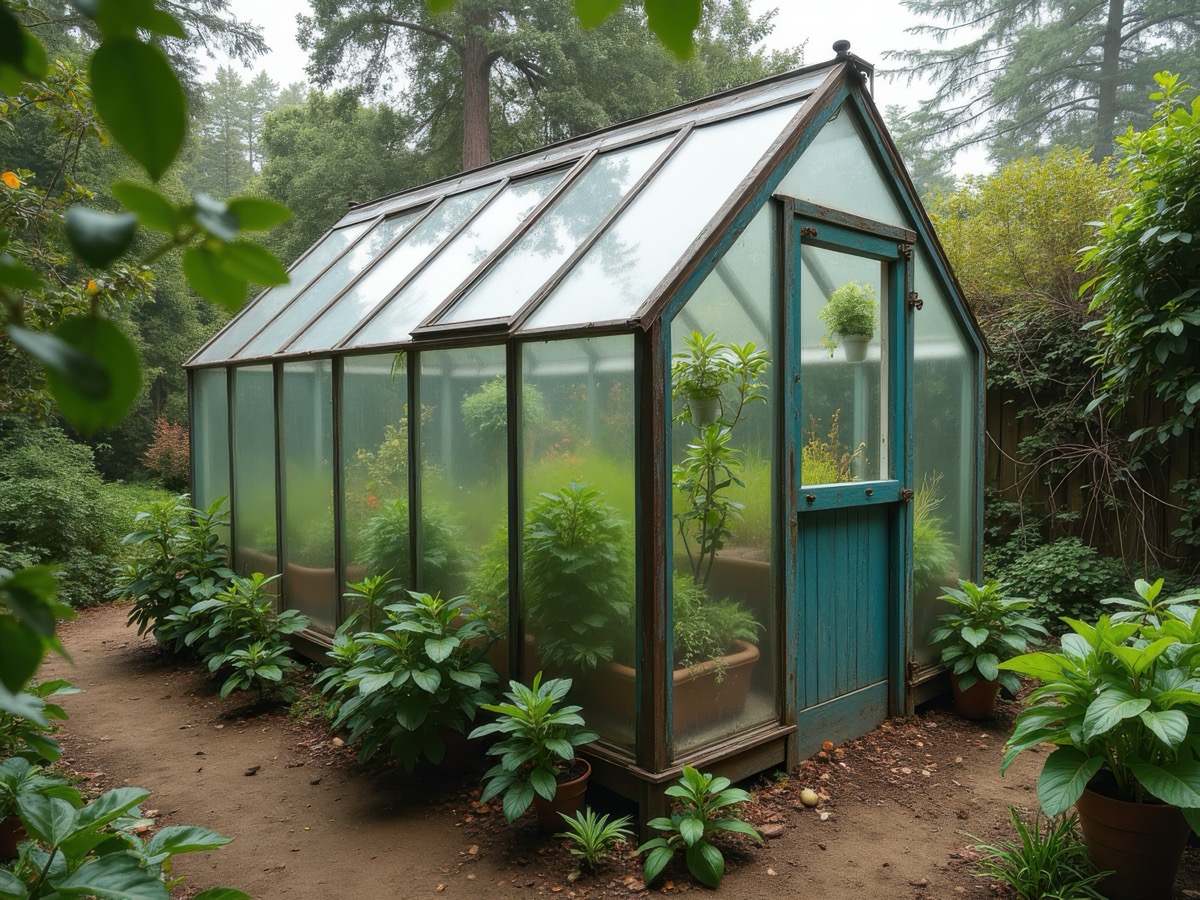
Full spectrum LED fixtures represent the cutting edge of greenhouse lighting technology, offering superior energy efficiency and spectrum control compared to traditional lighting systems. This comprehensive review evaluates leading fixtures based on performance, efficiency, and value for greenhouse applications.
Understanding full spectrum LED technology
What defines full spectrum lighting
Full spectrum LEDs provide wavelengths from 380-800 nanometers that mirror natural sunlight, supporting all plant growth phases from seedling through flowering. Quality fixtures balance blue, red, and green wavelengths with far-red additions for enhanced plant responses.
Modern full spectrum designs include UV and far-red wavelengths that traditional "blurple" LEDs lack. These additional wavelengths improve plant morphology, flavor development, and stress resistance. Compare these with our analysis of LED vs HPS greenhouse yields.
Benefits over traditional greenhouse lighting
LED fixtures consume 40-60% less energy than equivalent HPS systems while producing less heat that reduces cooling costs. Lower operating temperatures allow closer plant positioning for improved light utilization.
Spectral control enables optimization for specific crops and growth stages, maximizing photosynthetic efficiency while reducing energy waste on unused wavelengths.
Top full spectrum LED fixtures for 2025
Mars Hydro SP 3000 series evaluation
Performance specifications: 300 watts actual draw with 400+ µmol/s photon output covering 2x4 feet vegetative or 2x3 feet flowering areas. Samsung LM301B diodes provide excellent efficiency at 2.9 µmol/J.
Spectrum analysis: Balanced full spectrum with enhanced red wavelengths for flowering while maintaining adequate blue for vegetative growth. Far-red additions improve stem elongation and canopy penetration.
Build quality: Solid aluminum construction with passive cooling eliminates fan noise while providing excellent heat dissipation. IP65 rating suits greenhouse humidity conditions.
Value assessment: $299 retail price delivers excellent performance per dollar with 5-year warranty coverage. Efficiency and build quality justify premium over budget fixtures.
Spider Farmer SE7000 commercial grade
Performance specifications: 730 watts drawing with 1890 µmol/s output covering 5x5 feet effectively. High-efficiency Samsung diodes achieve 2.9 µmol/J with uniform light distribution.
Spectrum analysis: Full spectrum design includes UV and far-red wavelengths for complete plant development. Adjustable spectrum control allows optimization for different growth phases.
Build quality: Commercial-grade construction with detachable driver for heat management and longevity. Robust aluminum frame withstands commercial greenhouse environments.
Value assessment: $599 price point targets serious growers seeking maximum performance and longevity. Higher initial cost offset by superior efficiency and extended life.
Fluence SPYDR 2i professional series
Performance specifications: 685 watts with 1700 µmol/s output designed for commercial greenhouse applications. Industry-leading 2.5 µmol/J efficiency with proven reliability.
Spectrum analysis: Research-backed spectrum optimized for leafy greens and herbs with balanced photosynthetic and morphological responses. Consistent spectrum across fixture area.
Build quality: IP66 rating and commercial warranties support demanding greenhouse environments. Modular design allows easy maintenance and component replacement.
Value assessment: $1,200+ price reflects professional-grade construction and performance. ROI justification requires high-value crop production or commercial scale.
HLG 650R quantum board design
Performance specifications: 630 watts actual with 1700 µmol/s photon output covering 5x5 feet adequately. Quantum board design provides excellent uniformity and efficiency.
Spectrum analysis: Full spectrum with enhanced red wavelengths particularly effective for flowering plants. Quality spectrum distribution supports diverse crop types.
Build quality: Made-in-USA construction with premium components and excellent customer support. Heat sink design provides passive cooling with no moving parts.
Value assessment: $849 price point offers premium performance with domestic manufacturing quality. Strong reputation and support justify price premium.
California Lightworks SolarSystem 550
Performance specifications: 400 watts drawing with controllable output from 0-100% intensity. Covers 4x4 feet effectively with excellent canopy penetration.
Spectrum analysis: Programmable spectrum control allows custom recipes for different crops and growth stages. UV, blue, white, red, and far-red channels provide complete control.
Build quality: Robust commercial construction with advanced control systems and smartphone connectivity. Premium components justify higher price point.
Value assessment: $1,299 price targets advanced growers seeking maximum control and customization. Spectrum programming requires expertise to maximize benefits.
Performance comparison metrics
Photosynthetic photon flux density (PPFD) analysis
Mars Hydro SP 3000: Delivers 800-1000 µmol/m²/s at 18-inch hanging height with good uniformity across coverage area. Edge drop-off remains acceptable for most applications.
Spider Farmer SE7000: Provides 900-1200 µmol/m²/s at 24-inch height with excellent uniformity. Large coverage area maintains commercial-grade intensity throughout.
Fluence SPYDR 2i: Achieves 800-1000 µmol/m²/s with exceptional uniformity across 5x5 feet. Professional design prioritizes even distribution over peak intensity.
Energy efficiency comparisons
Efficiency ratings from 2.5-2.9 µmol/J represent significant improvements over older LED designs and dramatic gains over HPS systems at 1.7 µmol/J maximum.
Calculate annual energy costs using local electricity rates and daily light integral requirements. LED efficiency gains typically save $200-500 annually per 1000-watt HPS replacement.
Heat output and cooling requirements
LED fixtures generate 60-70% less heat than equivalent HPS systems, reducing greenhouse cooling loads and allowing closer plant positioning for improved light utilization.
Passive cooling designs eliminate fan maintenance while providing quiet operation suitable for residential greenhouse applications.
Spectrum quality assessment
Blue wavelength distribution (400-500nm)
Quality full spectrum fixtures provide 15-25% blue content for compact vegetative growth and strong root development. Excessive blue creates stunted growth while insufficient blue causes stretching.
Peak blue wavelengths around 450nm provide optimal photosynthetic efficiency while supporting chlorophyll synthesis and stomatal control.
Red wavelength optimization (600-700nm)
Red wavelength content of 30-40% drives photosynthetic activity and flowering responses. Peak wavelengths around 660nm provide maximum photosynthetic efficiency.
Far-red wavelengths (700-800nm) improve canopy penetration and stem elongation when properly balanced with other wavelengths.
Green and white light benefits
Green wavelengths (500-600nm) penetrate canopies better than blue or red light, supporting lower leaf photosynthesis in dense plantings. This is especially important for vertical growing systems with multiple plant tiers.
White light addition improves plant color assessment and provides psychological benefits for workers in greenhouse environments.
Installation and mounting considerations
Hanging height optimization
Position fixtures 18-24 inches above plant canopies for optimal light distribution and intensity. Closer positioning increases intensity but reduces coverage area.
Adjustable hanging systems accommodate different crop heights and growth stages. Pulley systems allow easy height adjustment throughout growing cycles.
Coverage pattern planning
Plan fixture spacing based on manufacturer specifications and desired light levels. Overlapping coverage areas improve uniformity while preventing dark spots.
Consider fixture orientation and mounting angles that optimize light distribution for specific greenhouse layouts and crop arrangements.
Electrical requirements and safety
Install dedicated circuits for LED fixtures with appropriate amperage ratings. Modern LEDs require less current than traditional systems but benefit from clean power.
Use GFCI protection in greenhouse environments where moisture and electrical systems interact. Proper grounding prevents electrical hazards.
Value and ROI analysis
Initial investment considerations
Budget $1.50-3.00 per watt for quality full spectrum fixtures depending on features and build quality. Commercial-grade fixtures command premium prices but offer superior longevity.
Calculate total lighting costs including fixtures, installation, and electrical upgrades for accurate project budgeting. Hidden costs affect overall ROI calculations.
Operating cost projections
Modern LED fixtures consume 40-60% less electricity than HPS while producing equivalent or superior plant responses. Annual savings often justify LED investment within 2-3 years. Explore our guide on energy-efficient LED grow lights for 2025 for more options.
Factor in reduced cooling costs from lower heat output when calculating total operating savings. HVAC savings add significantly to LED benefits in climate-controlled greenhouses.
Longevity and maintenance costs
Quality LED fixtures provide 50,000-100,000 hour lifespans compared to 10,000-20,000 hours for HPS bulbs. Extended life reduces replacement costs and maintenance labor.
Solid-state construction eliminates fragile components that fail in greenhouse environments. LED reliability improves overall system uptime and productivity.
Future technology trends
Emerging spectral research
Ongoing research reveals specific wavelength combinations that optimize particular plant responses including flavor, nutrition, and shelf life. Future fixtures will incorporate these findings.
UV wavelengths show promise for improving plant secondary metabolite production, enhancing flavor and nutritional content in herbs and leafy greens.
Smart lighting integration
Connected fixtures with smartphone control and automated scheduling provide precise environmental management. Integration with greenhouse automation systems optimizes energy use. Consider LED lighting schedules for winter greenhouses for seasonal optimization.
Sensor-driven lighting adjusts automatically based on natural light levels and plant needs. Smart controls maximize efficiency while reducing operator workload.
Cost reduction projections
LED prices continue declining as manufacturing scales increase and technology improves. Future fixtures will provide better performance at lower costs.
Government incentives and utility rebates often offset LED upgrade costs. Research available programs that reduce effective LED investment requirements.
Full spectrum LED fixtures represent the future of greenhouse lighting with superior efficiency, spectrum control, and longevity compared to traditional systems. Choose fixtures based on specific crop requirements, budget constraints, and expected ROI to maximize greenhouse lighting investment value.
Related Articles
- LED vs HPS Greenhouse Yields Compared - Performance comparison data
- Energy-Efficient LED Grow Lights 2025 - Additional fixture reviews
- LED Lighting Schedule for Winter Greenhouse - Optimize your lighting timing
- Budget LED Light Strips for Seedling Shelves - Affordable starter options