
Sierra Greenhouse Insights
Four-Season Greenhouse Design: Heat, Insulation, and Ventilation
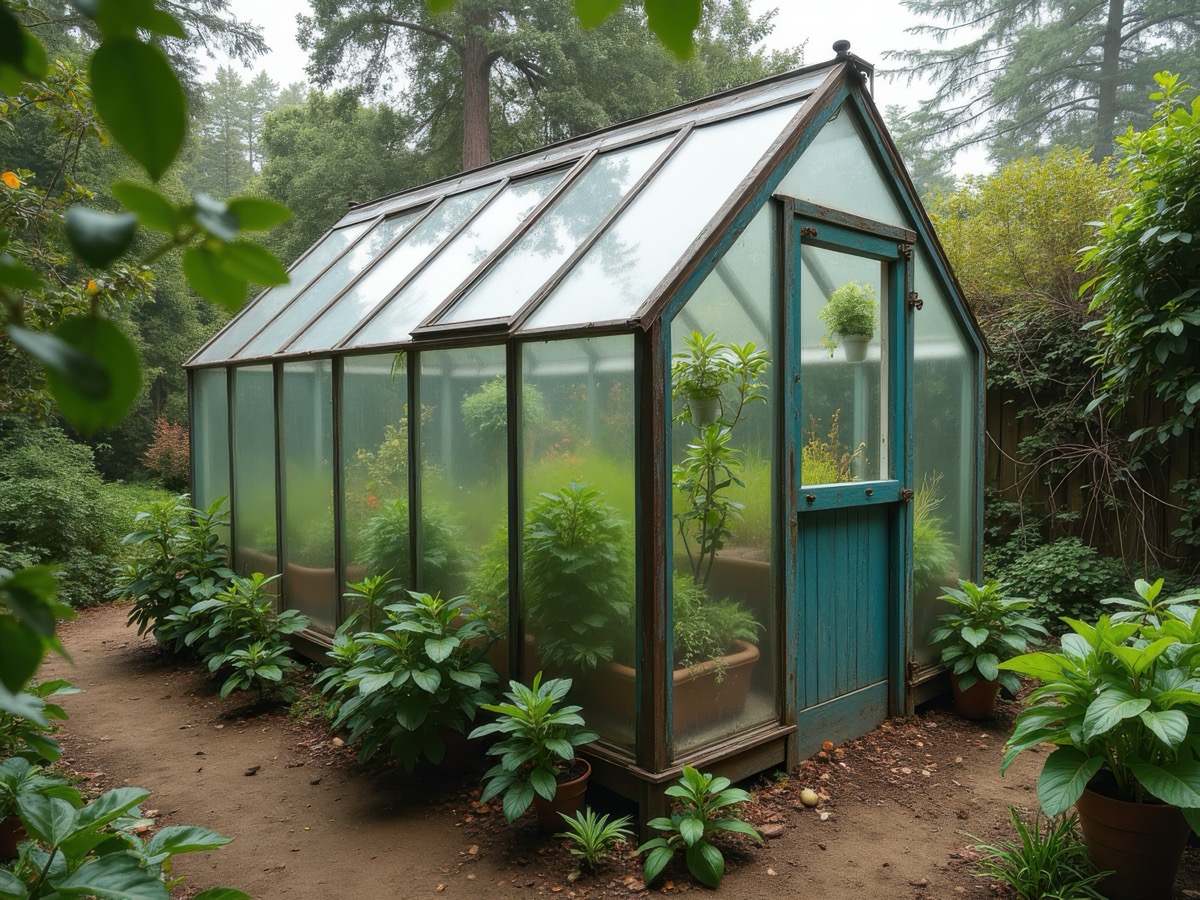
A four-season greenhouse is not just a warm box. It is a system that holds heat, moves air, and controls moisture. This guide focuses on practical design choices that make winter growing realistic and affordable.
If you are planning dimensions, start with the surface area calculator and estimate energy needs with the heating calculator.
1) Build for heat retention
Heat retention is the core of four-season success. Small improvements compound.
Key insulation moves
- Use insulated glazing where possible.
- Seal drafts and leaks around doors and panels.
- Add thermal curtains or screens at night.
These upgrades reduce heat loss and stabilize temperature swings.
2) Use thermal mass to smooth temperature swings
Thermal mass stores heat during the day and releases it at night. Common options include water barrels, stone, and masonry. The goal is stable night temperatures, not extreme heat.
Tip: Place thermal mass where it can absorb direct sun and release heat into plant zones.
3) Plan a reliable heating system
A four-season greenhouse needs backup heat for prolonged cold spells. Prioritize:
- Safe heat sources sized for your space
- Thermostatic controls for steady output
- A system you can maintain easily
Avoid over-heating. Gentle, stable temperatures are better for plant health and energy cost control.
4) Ventilation is still required in winter
Even in cold weather, humidity builds up quickly. Without ventilation, moisture condenses on leaves and raises disease risk.
Use small, controlled air exchanges rather than large bursts. A balanced system keeps humidity in check without losing all your heat.
5) Manage humidity to prevent disease
High humidity leads to mold and fungal issues. The most effective strategies:
- Keep air moving through the canopy
- Vent briefly during the warmest part of the day
- Avoid overwatering during cold weeks
6) Choose crops that match winter conditions
Cold-tolerant crops thrive in winter greenhouses:
- Leafy greens
- Herbs like parsley and cilantro
- Root crops for storage and slow growth
Your growing calendar can help you map the best planting windows for your climate.
7) Design for access and maintenance
A winter greenhouse needs space for:
- Safe heater placement
- Easy access to vents and fans
- Storage for tools and coverings
Plan for winter access so you can adjust systems during storms or freezing conditions.
FAQ
Do I need double glazing for winter?
It helps. Insulated glazing reduces heat loss and makes temperature control more stable. If you cannot upgrade glazing, focus on sealing drafts and using thermal curtains at night.
How much thermal mass is enough?
More mass smooths temperature swings, but it depends on greenhouse size and sun exposure. Start with a few water barrels and expand if needed.
Should I ventilate in freezing weather?
Yes, but in small, controlled doses. Even brief ventilation reduces humidity and prevents condensation.