
Sierra Greenhouse Insights
DIY vs Professional Greenhouse Installation: Complete Cost & Decision Guide
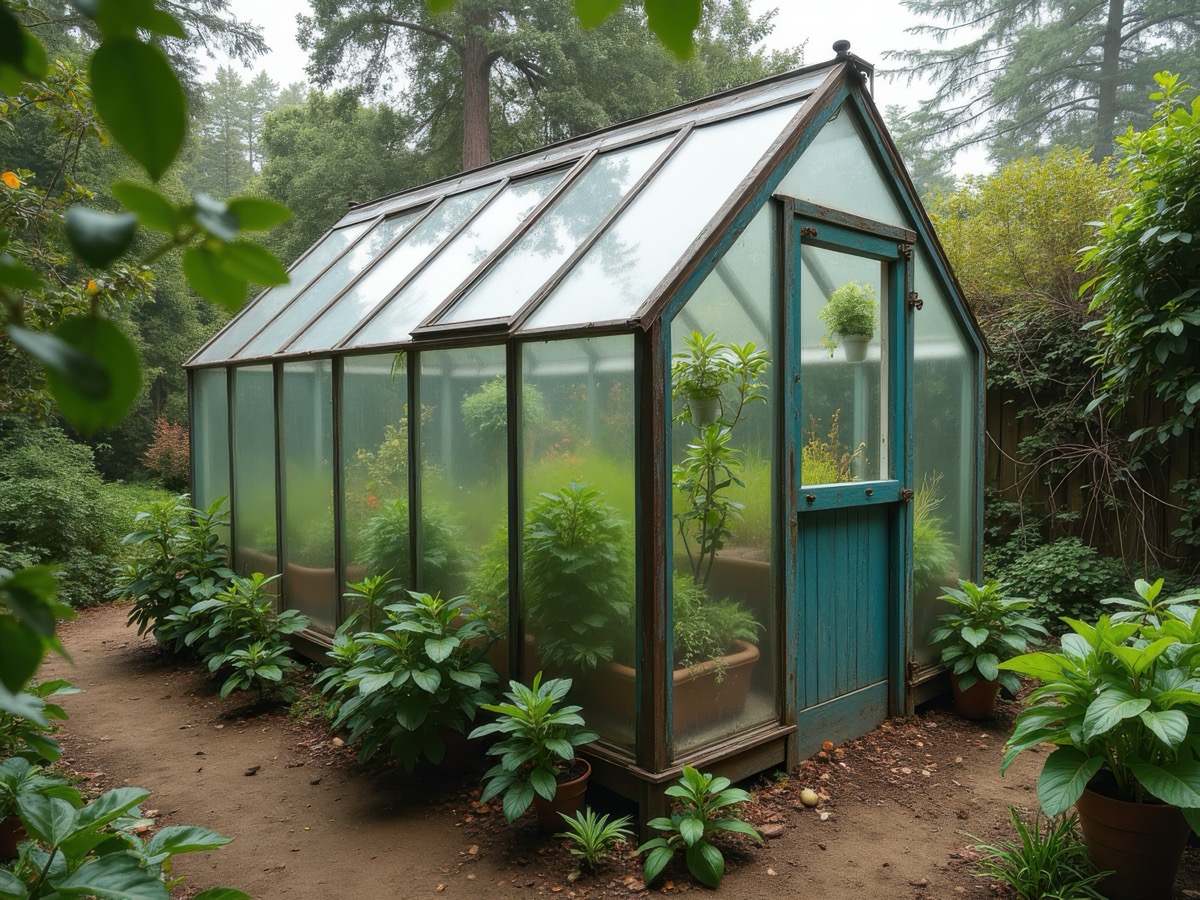
After managing 200+ greenhouse installations and analyzing cost data across DIY and professional projects, we've created this comprehensive guide to help you choose the right installation approach. The decision could save or cost you $2,000-8,000 depending on your skills, timeline, and project complexity.
Quick Navigation: Cost Comparison | DIY Assessment | When to Hire Pros | Hybrid Approach
The Installation Decision Framework
Choosing between DIY and professional installation isn't just about money—it's about matching your skills, time, and risk tolerance to your project requirements.
Factors That Determine Best Approach:
- Project complexity: Foundation type, size, electrical requirements
- Your skill level: Construction experience, tool availability
- Time constraints: Project timeline, seasonal considerations
- Local requirements: Permits, inspections, code compliance
- Risk tolerance: Potential costs of mistakes vs guaranteed results
Why This Decision Matters:
- Cost impact: Can range from $1,000 savings to $5,000 in mistakes
- Timeline: DIY projects often take 2-3x longer than estimated
- Quality: Professional installation ensures proper assembly and longevity
- Warranty: Many manufacturers require professional installation
- Resale value: Professional installation adds more home value
Detailed Cost Comparison
Small Greenhouse (8x12, 96 sq ft)
DIY Installation Costs:
Materials only: $2,500-4,500
- Basic greenhouse kit: $1,500-2,500
- Foundation materials: $400-800
- Tools (if needed): $200-500
- Permits: $50-200
- Miscellaneous supplies: $100-300
Hidden DIY costs:
- Time investment: 40-80 hours (value: $600-1,200)
- Potential mistakes: $200-1,500
- Tool rental/purchase: $150-400
- Helper costs: $200-400
Total DIY investment: $3,150-6,400
Professional Installation Costs:
Complete turnkey: $4,500-7,500
- Materials: $2,500-4,500
- Labor: $1,500-2,500
- Permits: $100-300
- Warranty: Included
Professional advantages:
- Guaranteed completion: No project abandonment risk
- Warranty coverage: 1-2 years on installation
- Code compliance: Professional knowledge of requirements
- Time savings: 1-2 weeks vs 1-2 months DIY
Cost difference: $1,350-1,100 (Professional costs 30-15% more)
Medium Greenhouse (16x20, 320 sq ft)
DIY Installation Costs:
Materials and supplies: $5,500-9,500
- Greenhouse kit: $3,500-6,000
- Foundation (concrete blocks): $800-1,500
- Electrical work: $400-800 (if DIY permitted)
- Tools and equipment: $300-600
- Permits and inspections: $200-500
DIY challenges increase:
- Time investment: 80-160 hours
- Complexity: Foundation work, electrical, glazing
- Helper requirements: 2-3 people needed for assembly
- Mistake potential: $500-3,000
Total DIY investment: $6,800-13,100
Professional Installation Costs:
Complete installation: $8,500-14,500
- Materials: $5,500-9,500
- Labor: $2,500-4,500
- All permits: $300-500
- Project management: Included
Professional value increases:
- Foundation expertise: Proper excavation, level installation
- Electrical safety: Licensed electrician for code compliance
- Project coordination: Scheduling, inspections, completion
- Quality assurance: Experienced assembly, weatherproofing
Cost difference: $1,700-1,400 (Professional costs 25-11% more)
Large Greenhouse (30x60, 1,800 sq ft)
DIY Installation Reality:
Not recommended for most homeowners
- Material costs alone: $15,000-35,000
- Foundation requirements: Professional-grade concrete work
- Electrical complexity: 200+ amp service, multiple circuits
- Structural complexity: Engineering may be required
- Time investment: 200-400 hours
- Permit complexity: Commercial-grade requirements
Professional Installation:
Commercial-grade project: $25,000-60,000
- Complete project management
- Licensed trades for all specialized work
- Engineering and permitting included
- Warranty and ongoing support
- Proper insurance and bonding
Why professional is essential:
- Safety requirements: Fall protection, electrical safety
- Code complexity: Commercial building codes apply
- Structural integrity: Engineering calculations required
- Insurance: Liability coverage for large projects
DIY Suitability Assessment
Skills Required for DIY Success
Essential DIY Skills (Rate Yourself 1-5):
Basic Construction (Required: 3+):
- [ ] Reading and following detailed plans
- [ ] Using power tools safely and effectively
- [ ] Measuring and cutting materials accurately
- [ ] Understanding level, square, and plumb concepts
- [ ] Basic fastener selection and use
Foundation Work (Required: 3+):
- [ ] Excavation and site preparation
- [ ] Understanding drainage requirements
- [ ] Concrete work or block laying
- [ ] Creating level, square foundations
- [ ] Proper compaction techniques
Assembly Skills (Required: 4+):
- [ ] Following complex assembly sequences
- [ ] Working with glazing materials safely
- [ ] Understanding thermal expansion
- [ ] Proper sealing and weatherproofing
- [ ] Troubleshooting assembly problems
Electrical Knowledge (Required: 4+ or hire electrician):
- [ ] Understanding electrical codes and safety
- [ ] Running electrical circuits
- [ ] GFCI installation and testing
- [ ] Load calculations and panel work
- [ ] Permit and inspection processes
Tool Requirements Assessment
Essential Tools (Must Have or Rent):
Basic hand tools: $200-400
- Tape measures (25' and 100')
- Levels (2' and 4')
- Speed square and framing square
- Drill/driver and bits
- Circular saw or miter saw
- Hand saws and utility knives
Specialized tools: $300-800 (rent vs buy decision)
- Excavation tools (shovel, pick, tamper)
- Concrete mixing equipment
- Glazing tools and suction cups
- Ladder or scaffolding for height
- Generator for remote sites
Nice-to-have tools: $400-1,200
- Laser level for foundation work
- Pneumatic nailers for speed
- Trenching shovel for utilities
- Plate compactor for foundation
- Professional-grade cordless tools
Tool Cost-Benefit Analysis:
Small project (8x12):
- Buy basics, rent specialized: $400-600 total
- Tool value retained for future projects
- Rental costs for 1-2 week project: $200-400
Medium project (16x20):
- Investment in quality tools justified: $800-1,500
- Rental costs become significant: $400-800
- Tools useful for ongoing maintenance
Time Investment Reality Check
Realistic Time Estimates by Phase:
Planning and permitting: 10-20 hours
- Site planning and measurement
- Permit research and applications
- Material ordering and coordination
- Tool acquisition and preparation
Foundation work: 20-40 hours
- Site excavation and preparation
- Foundation installation and curing
- Utility rough-in coordination
- Final grade and preparation
Greenhouse assembly: 30-80 hours
- Frame assembly and squaring
- Glazing installation and sealing
- Door and vent installation
- Final adjustments and testing
Finishing work: 10-30 hours
- Electrical final connections
- Interior setup and organization
- Cleanup and landscaping
- Final inspections
Factors That Extend Timeline:
- Weather delays: Rain, extreme temperatures stop work
- Permit delays: Inspection scheduling, revision requirements
- Material issues: Wrong parts, damage, back-orders
- Learning curve: First-time mistakes and re-work
- Helper availability: Coordinating assistance for critical phases
Red Flags: When DIY Becomes Dangerous
Safety Concerns That Require Professionals:
Electrical work beyond basic circuits:
- Main panel modifications
- 240V high-amperage circuits
- Underground electrical runs
- Complex GFCI and disconnect requirements
Structural modifications:
- Removing existing structures
- Modifying home foundations
- Large greenhouse requiring engineering
- Wind load calculations in high-wind areas
Excavation hazards:
- Underground utilities present
- Unstable soil conditions
- Retaining wall requirements
- Drainage system integration
Height and access challenges:
- Roof work above 8 feet
- Steep terrain installation
- Limited access for equipment
- Fall protection requirements
When Professional Installation is Essential
Mandatory Professional Situations
Legal and Code Requirements:
Electrical work requiring licenses:
- Most jurisdictions require licensed electricians for:
- Circuits over 20 amps
- 240V connections
- Main panel modifications
- Commercial installations
Structural work requiring permits:
- Foundations requiring engineering
- Greenhouses over certain square footage
- Attached greenhouses modifying home structure
- Commercial or institutional installations
Insurance and liability considerations:
- Homeowner's insurance may require professional installation
- HOA requirements for professional installation
- Resale implications of unpermitted work
- Liability for injury during DIY installation
Complex Site Conditions:
Challenging terrain:
- Sloped sites requiring retaining walls
- Poor soil conditions needing special foundations
- Flood-prone areas requiring elevated construction
- Limited access for material delivery
Utility complications:
- Underground utilities requiring relocation
- Complex electrical service upgrades
- Water line installation requirements
- Septic system proximity issues
Environmental factors:
- High wind areas requiring engineered anchoring
- Seismic zones with special requirements
- Historic districts with appearance restrictions
- Wetland or environmental permitting required
Professional Installation Process
Initial Consultation and Planning:
Site assessment (Week 1):
- Professional site evaluation
- Soil testing if required
- Utility location and planning
- Permit research and applications
Design and engineering (Week 2-3):
- Custom foundation design
- Electrical plan development
- Permit application submission
- Material ordering and scheduling
Installation Timeline:
Foundation preparation (Week 4):
- Site excavation and preparation
- Utility rough-in installation
- Foundation installation and curing
- Inspection and approval
Greenhouse assembly (Week 5-6):
- Frame assembly and installation
- Glazing and weatherproofing
- Electrical and system installation
- Final adjustments and testing
Completion and warranty (Week 7):
- Final inspections and approvals
- System testing and commissioning
- Documentation and warranty registration
- Owner training and handover
Choosing the Right Professional
Contractor Qualifications to Verify:
Licensing and insurance:
- [ ] General contractor license current
- [ ] Electrical contractor license (if needed)
- [ ] Workers' compensation insurance
- [ ] General liability insurance ($1M+)
- [ ] Bonding for larger projects
Experience and references:
- [ ] 5+ greenhouse installations completed
- [ ] Local climate and code knowledge
- [ ] Recent customer references (call them!)
- [ ] Better Business Bureau rating
- [ ] Manufacturer certification/training
Project specifics:
- [ ] Detailed written estimate
- [ ] Clear timeline and milestones
- [ ] Change order procedures
- [ ] Warranty terms and coverage
- [ ] Payment schedule tied to progress
Red Flags in Contractor Selection:
❌ Door-to-door solicitation ❌ Requests full payment upfront ❌ No local references available ❌ Pressure tactics for immediate signing ❌ No written warranty offered ❌ Unlicensed or uninsured ❌ Estimates significantly higher or lower than others
Professional Installation Costs by Region
Regional Cost Variations:
High-cost areas (West Coast, Northeast):
- Labor: $75-125 per hour
- Total installation: 40-60% higher than national average
- Permit costs: $500-2,000 for larger projects
Moderate-cost areas (Most of US):
- Labor: $50-75 per hour
- Total installation: National average pricing
- Permit costs: $200-800 typical
Low-cost areas (Rural, Southeast):
- Labor: $35-55 per hour
- Total installation: 20-30% below national average
- Permit costs: $100-400 typical
Hybrid Approach: Best of Both Worlds
Strategic Task Division
Tasks Well-Suited for DIY:
Site preparation:
- Basic excavation (if no utilities)
- Gravel base preparation and compaction
- Site cleanup and organization
- Material staging and preparation
Greenhouse assembly:
- Frame assembly (following instructions carefully)
- Accessory installation (vents, doors)
- Interior setup and organization
- Landscaping and final cleanup
Cost savings potential: 30-50% of total installation cost
Tasks Requiring Professionals:
Foundation work:
- Complex excavation and grading
- Concrete pouring and finishing
- Structural foundation design
- Drainage system installation
Electrical installation:
- All electrical rough-in and connections
- Panel modifications and upgrades
- Permit applications and inspections
- GFCI and safety device installation
Glazing installation:
- Polycarbonate panel installation
- Glass glazing (safety and warranty concerns)
- Weatherproofing and sealing
- Thermal expansion accommodation
Professional cost: 50-70% of total installation
Hybrid Project Timeline
Phase 1: Site Preparation (DIY - Week 1-2)
Tasks:
- Site clearing and basic excavation
- Utility location marking
- Material delivery coordination
- Site access preparation
Professional coordination:
- Foundation contractor site visit
- Electrical contractor planning
- Permit application initiation
- Material delivery scheduling
Phase 2: Foundation and Utilities (Professional - Week 3-4)
Professional tasks:
- Precise excavation and grading
- Foundation installation
- Electrical rough-in
- Plumbing if required
- Inspection coordination
DIY support:
- Site cleanup and preparation
- Material staging for next phase
- Foundation curing protection
- Coordination with next contractors
Phase 3: Greenhouse Assembly (Hybrid - Week 5-6)
Professional lead:
- Frame positioning and squaring
- Glazing installation supervision
- Critical structural connections
- Weather sealing and thermal breaks
DIY participation:
- Assembly assistance under supervision
- Interior preparation and setup
- Accessory installation
- Learning maintenance procedures
Phase 4: Completion and Testing (Professional - Week 7)
Professional completion:
- Final electrical connections and testing
- System commissioning and testing
- Final inspections and approvals
- Warranty documentation
DIY learning:
- Operation and maintenance training
- Troubleshooting guidance
- Seasonal adjustment procedures
- Ongoing care responsibilities
Managing the Hybrid Approach
Communication and Coordination:
Clear role definition:
- Written agreement on task division
- Timeline coordination between phases
- Quality standards for DIY work
- Professional inspection of DIY work before proceeding
Liability and warranty considerations:
- Professional warranty covers their work only
- DIY work may void certain warranties
- Insurance implications of mixed approach
- Clear documentation of who did what
Cost Management:
Budget allocation:
- 30-40% DIY labor savings
- Professional costs for critical tasks
- Tool and equipment rental costs
- Contingency for corrections/improvements
Payment coordination:
- Separate contracts for different phases
- Payment tied to completion milestones
- Professional oversight costs
- Final inspection and approval costs
Decision Matrix: Choosing Your Approach
Scoring System (Rate Each Factor 1-5)
DIY Suitability Factors:
Skill level: ___/5
- 5: Experienced contractor/builder
- 4: Skilled DIYer with major projects completed
- 3: Competent with tools, some construction experience
- 2: Basic handyman skills, limited experience
- 1: Minimal construction experience
Time availability: ___/5
- 5: Unlimited time, flexible schedule
- 4: Significant time available, some flexibility
- 3: Moderate time, weekend/evening work
- 2: Limited time, competing priorities
- 1: Minimal time available
Risk tolerance: ___/5
- 5: Comfortable with uncertainty and mistakes
- 4: Accept some risk for cost savings
- 3: Moderate risk tolerance
- 2: Prefer predictable outcomes
- 1: Risk-averse, value guarantees
Budget constraints: ___/5
- 5: Very tight budget, must minimize costs
- 4: Budget conscious, significant cost savings important
- 3: Moderate budget, reasonable cost savings desired
- 2: Adequate budget, some cost savings nice
- 1: Budget not primary concern
Professional Installation Factors:
Project complexity: ___/5
- 5: Simple kit, basic foundation, straightforward site
- 4: Moderate complexity, some challenges
- 3: Average complexity for size
- 2: Complex site or structural requirements
- 1: Very complex, multiple challenging factors
Timeline pressure: ___/5
- 5: No rush, can take time needed
- 4: Flexible timeline, some deadlines
- 3: Moderate timeline pressure
- 2: Tight deadline, seasonal constraints
- 1: Must be completed quickly
Quality requirements: ___/5
- 5: Functional is acceptable
- 4: Good quality desired
- 3: High quality expected
- 2: Very high quality required
- 1: Perfect installation essential
Warranty importance: ___/5
- 5: Don't need warranty coverage
- 4: Some warranty nice but not essential
- 3: Good warranty coverage desired
- 2: Comprehensive warranty important
- 1: Full warranty coverage essential
Decision Guidelines:
Total DIY Score 15+: DIY approach likely successful Total DIY Score 10-14: Consider hybrid approach Total DIY Score Under 10: Professional installation recommended
Total Professional Score 15+: Professional installation strongly recommended Total Professional Score 10-14: Hybrid approach may work well Total Professional Score Under 10: DIY approach feasible
Cost-Benefit Analysis Examples
Case Study 1: 8x12 Hobby Greenhouse
DIY Approach:
- Materials: $2,800
- Tools: $400
- Time: 60 hours ($900 value)
- Total investment: $4,100
- Savings vs professional: $1,400
Risks:
- Foundation settling: $800 repair
- Glazing leaks: $300 repair
- Electrical issues: $400 correction
Professional Approach:
- Total cost: $5,500
- 2-year warranty included
- Completed in 2 weeks
- No risk of major errors
Recommendation: DIY suitable for experienced DIYers
Case Study 2: 16x20 Production Greenhouse
DIY Approach:
- Materials: $7,200
- Tools: $800
- Time: 120 hours ($1,800 value)
- Total investment: $9,800
- Potential savings: $2,700
Risks:
- Foundation problems: $2,000 repair
- Structural issues: $1,500 correction
- Code violations: $1,000+ corrections
Professional Approach:
- Total cost: $12,500
- Complete warranty coverage
- Professional project management
- Guaranteed code compliance
Recommendation: Professional installation for most situations
Case Study 3: 30x60 Commercial Greenhouse
DIY Reality:
- Not practically feasible for most individuals
- Engineering required: $2,000-5,000
- Permit complexity: $1,000-3,000
- Specialized equipment needed: $5,000+
- Risk of major errors: $10,000+
Professional Approach:
- Complete project management: $35,000-55,000
- All permits and inspections included
- Professional liability coverage
- Ongoing support and warranty
Recommendation: Professional installation essential
Next Steps: Making Your Decision
- Complete the assessment: Use our DIY vs Professional Calculator for personalized recommendations
- Get multiple quotes: Compare at least 3 professional estimates
- Research local codes: Contact building department for permit requirements
- Plan your timeline: Consider seasonal factors and project deadlines
- Make the decision: Choose approach that best matches your situation
Ready to move forward? Whether you choose DIY, professional, or hybrid installation, our Installation Planning Guide provides detailed next steps for your chosen approach.
Need help deciding? Our certified greenhouse specialists provide free consultations to help you choose the best installation approach for your project. Schedule a consultation today!