
Sierra Greenhouse Insights
Weekend Build: Step-by-Step DIY Greenhouse Plans That Save 40 Percent
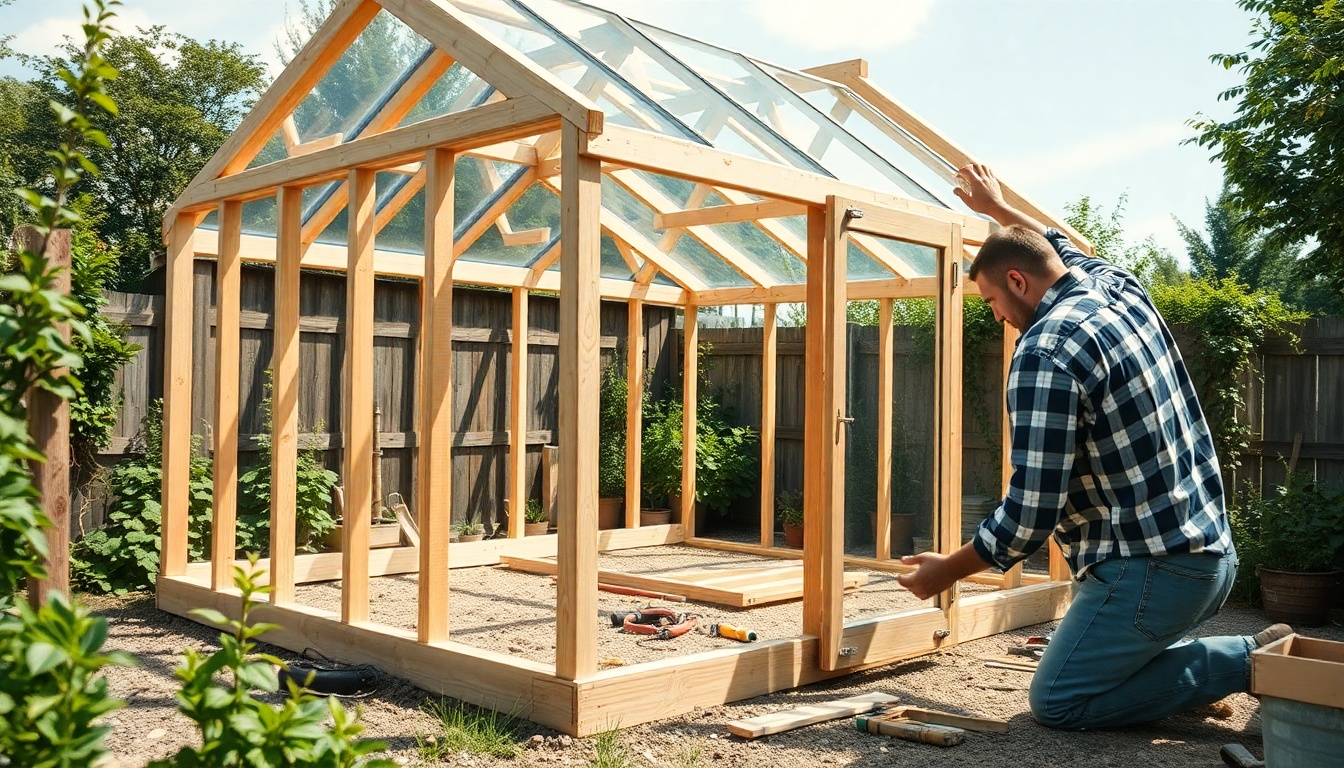
Transform a pile of lumber and sheets of polycarbonate into your personal food factory this weekend. While greenhouse kits average $8,670 installed, our proven DIY plans deliver the same growing power for under $3,000—including every screw, bracket, and panel. Whether you're building a budget-friendly PVC hoop house for $200 or a premium 8x12 wood-frame beauty, these step-by-step instructions eliminate guesswork while teaching techniques that last a lifetime.
Table of Contents
- Choosing Your DIY Path
- Budget Breakdown & Material Lists
- Essential Tools & Safety
- Foundation Options
- PVC Hoop House Plans
- Wood Frame Construction
- Panel Installation Mastery
- Ventilation & Bracing
- Common Mistakes & Solutions
- Weekend Timeline
- Maintenance & Upgrades
- FAQs
Choosing Your DIY Path
Your perfect greenhouse depends on budget, skill level, and growing ambitions. Let's match you with the right design.
Consider a Kit Instead? If DIY feels overwhelming, check out our guide to easy-assembly greenhouse kits that offer the perfect middle ground between cost savings and convenience. For small spaces, explore compact greenhouse options.
Design Comparison Chart
| Type | Cost | Difficulty | Build Time | Best For | | ----------------- | ---------- | ------------ | ----------- | ------------------ | | PVC Hoop (10x12) | $150-300 | Beginner | 4-6 hours | Season extension | | Wood Frame (8x10) | $800-1,500 | Intermediate | 16-20 hours | Year-round growing | | Hybrid (8x12) | $600-1,000 | Intermediate | 12-16 hours | Best of both | | A-Frame (6x8) | $500-800 | Advanced | 20-24 hours | Heavy snow areas |
Critical Decision Factors
Climate Considerations:
- Snow load requirements (PVC limited to 2 feet)
- Wind resistance needs (wood superior above 60mph)
- Temperature extremes (insulation possibilities)
- Local building codes (some restrict hoop houses)
Long-Term Goals:
- Temporary vs. permanent structure
- Future expansion possibilities
- Resale value impact
- Maintenance willingness
Not Sure About Full Greenhouse? Start smaller with a cold frame vs greenhouse comparison to understand which option suits your needs best.
Budget Breakdown & Material Lists
Understanding true costs prevents mid-project surprises and wallet shock.
$200 PVC Hoop House (10x15)
Frame Materials:
- PVC pipe (¾" Schedule 40): 15 pieces @ $2.20 = $33
- PVC connectors and tees: $15
- Rebar stakes (18"): 20 pieces @ $2 = $40
- Plastic clips: $20
- Frame Total: $108
Covering:
- 6mil greenhouse plastic (20x25): $60
- Wiggle wire and channel: $25
- End wall materials: $30
- Covering Total: $115
- Landscape timbers (optional): $40
- Gravel (optional): $20
- Foundation Total: $60
Grand Total: $283 (or $183 without foundation)
$1,200 Wood Frame Greenhouse (8x10)
Lumber Package:
- 2x4 cedar or treated (studs/rafters): $350
- 2x6 treated (base plates): $80
- 2x2 furring strips: $40
- Plywood (gussets/door): $60
- Lumber Total: $530
Polycarbonate Panels:
- 8mm twin-wall sheets (10): $400
- H-channel and U-channel: $80
- Foam closure strips: $40
- Panel Total: $520
Hardware & Extras:
- Screws with neoprene washers: $50
- Metal brackets and hinges: $40
- Foundation anchors: $30
- Automatic vent opener: $40
- Hardware Total: $160
Grand Total: $1,210
Money-Saving Strategies
Material Sourcing Hacks:
- Craigslist/Facebook: Save 50-70% on reclaimed materials
- Habitat ReStore: Windows, doors, lumber at 75% off
- End-of-Season: Buy plastic in fall for 40% discount
- Bulk Buying: Team up with neighbors for contractor pricing
- Substitutions: Use cattle panels instead of purchased hoops
Cost-Cutting Without Compromising:
- Use recycled windows for end walls (save $100-200)
- Build in fall when materials drop 20-30%
- Choose 6mm polycarbonate over 8mm (save $150)
- Skip automatic vents initially (add later for $40 each)
- Use gravel foundation instead of concrete (save $300)
Essential Tools & Safety
The right tools make the difference between frustration and satisfaction.
Must-Have Tools
Basic Tool List:
- Circular saw or miter saw
- Cordless drill with bits
- Level (4-foot minimum)
- Tape measure (25-foot)
- Square (framing or speed)
- Hammer
- Utility knife
- Safety glasses and gloves
Nice-to-Have Upgrades:
- Impact driver (faster assembly)
- Reciprocating saw (modifications)
- Laser level (perfect alignment)
- Angle grinder (custom cuts)
- Post hole digger (corner posts)
Safety First Protocol
PPE Requirements:
- Safety glasses (always, no exceptions)
- Work gloves (prevent splinters and cuts)
- Dust mask (when cutting treated lumber)
- Sturdy footwear (no sandals)
- First aid kit on site
Worksite Safety Rules:
- Never work alone on wall raising
- Secure materials against wind
- Check weather before starting
- Keep tools organized and accessible
- Take breaks to prevent fatigue errors
Lifting Techniques:
- 8x10 wall section: 80-100 pounds (needs 2 people)
- Polycarbonate sheets catch wind like sails
- Use sawhorses to support long cuts
- Stage materials near assembly point
Foundation Options
A proper foundation prevents future headaches and ensures decades of growing success.
Foundation Types Compared
1. Gravel Pad (Best for Most DIYers)
- Cost: $1-3 per square foot
- Time: 4-6 hours
- Pros: Excellent drainage, easy installation
- Process:
- Excavate 4-6 inches
- Lay landscape fabric
- Add and compact gravel
- Level with 2x4 screed
2. Concrete Blocks (Good Compromise)
- Cost: $3-5 per square foot
- Time: 6-8 hours
- Pros: Stable, adjustable, removable
- Process:
- Level ground thoroughly
- Place blocks on gravel base
- Check level between all blocks
- Anchor frame to blocks
3. Treated Timber Frame (Budget Option)
- Cost: $2-4 per square foot
- Time: 3-4 hours
- Pros: Simple, works with slopes
- Process:
- Use 4x4 or 4x6 timbers
- Connect with galvanized screws
- Level on gravel base
- Replace every 10-15 years
4. Concrete Slab (Premium Choice)
- Cost: $6-8 per square foot
- Time: 2 days (including cure)
- Pros: Permanent, cleanest option
- Consider: Overkill for most hobbyists
Drainage Is Critical
Proper Slope Requirements:
- Minimum 2% grade away from structure
- French drain for poor-draining soils
- Gravel extends 12" beyond footprint
- Never allow pooling near foundation
PVC Hoop House Plans
Build a functional greenhouse in one afternoon with these foolproof plans.
Materials and Measurements
For 10x12 Hoop House:
- 6 hoops require 120 feet of ¾" PVC
- Space hoops 2 feet apart
- Height at center: 7-8 feet
- Ground posts: 18-24" rebar
Step-by-Step Assembly
Phase 1: Ground Preparation (1 hour)
- Mark corners with stakes
- String lines for straight edges
- Drive rebar 12" deep every 2 feet
- Leave 6-12" above ground
- Check alignment constantly
Phase 2: Hoop Installation (1 hour)
- Slide PVC over rebar on one side
- Bend carefully to opposite stake
- Work with partner for safety
- Secure with pipe straps
- Install ridge pole for stability
Phase 3: End Wall Framing (2 hours)
- Build simple 2x4 frames
- Include door opening (32" minimum)
- Add ventilation opening up high
- Cover with plastic or wood
- Hinge door with outdoor hinges
Phase 4: Plastic Installation (1 hour)
- Choose calm day (critical!)
- Unroll plastic over frame
- Pull taught but not tight
- Secure with wiggle wire
- Install end walls last
PVC Pro Tips
Extending PVC Lifespan:
- Paint PVC to prevent UV degradation
- Use furniture-grade PVC (costs 30% more, lasts 3x longer)
- Add diagonal bracing in snow areas
- Store plastic in summer to double lifespan
- Consider cattle panels for permanent hoops
Wood Frame Construction
Build a greenhouse that stands for decades with proper framing techniques.
Lumber Selection Guide
Wood Options Ranked:
- Cedar: Naturally rot-resistant, beautiful, expensive
- Treated Pine: Affordable, durable, check safety ratings
- Douglas Fir: Strong, needs treatment, moderate cost
- Redwood: Premium option, limited availability
Sizing Standards:
- Wall studs: 2x4 @ 16" centers
- Base/top plates: 2x4 doubled
- Rafters: 2x4 or 2x6 for snow
- Ridge beam: 2x6 or 2x8
- Door headers: Doubled 2x6
Wall Frame Assembly
Step 1: Layout and Cutting (2 hours)
Base plate: 8 feet
Top plate: 8 feet
Studs: 6 feet tall (adjust for your height)
Mark 16" centers on plates
Step 2: Assembly Process
- Lay plates parallel on flat surface
- Align studs between marks
- Nail through plates into studs
- Check square before final nails
- Build all walls flat first
Step 3: Wall Raising (1 hour)
- Raise back wall first
- Brace temporarily with 2x4s
- Attach side walls one at a time
- Check plumb and level constantly
- Nail corners together securely
Roof Framing Excellence
Rafter Calculations:
- Rise: 2 feet for 8-foot span = 3/12 pitch
- Rafter length: Use construction calculator
- Bird's mouth: 1.5" deep notch
- Overhangs: 6-12" for rain protection
Ridge Beam Installation:
- Mark center points on end walls
- Install temporary supports
- Lift ridge beam into position
- Secure with metal brackets
- Check level along entire length
Rafter Attachment:
- Cut all rafters identically
- Test fit before installing
- Nail through ridge beam
- Secure to wall plates
- Add collar ties every other rafter
Panel Installation Mastery
Proper panel installation prevents leaks, maximizes light, and ensures decades of service.
Polycarbonate Panel Basics
Understanding Your Panels:
- UV side faces out (marked with sticker)
- Channels run vertically for drainage
- Allow ¼" expansion gaps
- Never remove protective film until done
- Store flat to prevent warping
Installation Sequence
Phase 1: Roof Panels (3 hours)
- Start at bottom edge
- Overlap by one corrugation
- Pre-drill holes to prevent cracking
- Use washered screws every 12"
- Work up to ridge systematically
Phase 2: Wall Panels (2 hours)
- Install corners first
- Work toward centers
- Maintain consistent gaps
- Check plumb frequently
- Don't overtighten screws
Phase 3: Sealing System
- Install H-channel between panels
- Use foam closures at top/bottom
- Apply compatible sealant
- Install ridge cap last
- Add U-channel on exposed edges
Professional Finishing Touches
Flashing Installation:
- Use aluminum or galvanized
- Overlap minimum 2 inches
- Seal with appropriate caulk
- Direct water away from structure
Trim Details:
- Corner trim hides rough edges
- Door/window trim prevents leaks
- Base trim protects bottom edge
- All trim requires proper sealing
Ventilation & Bracing
Proper airflow prevents disease while strategic bracing ensures structural integrity.
Need Detailed Ventilation Info? Our comprehensive greenhouse ventilation systems guide covers natural convection, powered systems, and automated controls. For climate management, see our greenhouse climate control guide.
Ventilation Requirements
Size Calculations:
- Minimum: 20% of floor area
- Ideal: 25-30% for hot climates
- Ridge vents: Full length if possible
- Intake vents: Low on end walls
Vent Placement Strategy
Natural Convection Design:
         Ridge Vent (hot air exits)
              ↑ ↑ ↑
    ╱────────────────────╲
   ╱                      ╲
  │   Warm Air Rises      │
  │                       │
→ │   Cool Air Enters     │ ←
  └───────────────────────┘
   Intake Vents (cool air enters)
Structural Bracing
Wind Resistance Bracing:
- Corner Braces: 45° angles, both directions
- Rafter Ties: Every other rafter pair
- Wall Bracing: X-pattern on end walls
- Foundation Anchors: Every 4 feet minimum
- Ridge Support: Posts for spans over 12 feet
Snow Load Reinforcement:
- Double rafters in heavy snow zones
- Collar ties on every rafter
- Support posts under ridge
- Strengthen with steel brackets
- Regular snow removal plan
Common Mistakes & Solutions
Learn from others' errors to build right the first time.
Top 10 DIY Greenhouse Mistakes
1. Inadequate Foundation
- Mistake: Building on bare dirt
- Result: Settling, gaps, door problems
- Solution: Minimum 4" gravel base
2. Wrong Plastic Orientation
- Mistake: UV coating facing inside
- Result: Rapid degradation
- Solution: Check markings carefully
3. Insufficient Ventilation
- Mistake: One small vent
- Result: Overheating, disease
- Solution: 20%+ ventilation area
4. Weak Corner Connections
- Mistake: Nails only
- Result: Racking, collapse
- Solution: Metal brackets + screws
5. Ignoring Expansion Gaps
- Mistake: Tight panel installation
- Result: Buckling, cracking
- Solution: ¼" gaps minimum
6. Poor Water Management
- Mistake: No gutters or drainage
- Result: Foundation erosion
- Solution: Plan water flow
7. Undersized Door
- Mistake: 24" door width
- Result: Can't fit wheelbarrow
- Solution: 32" minimum width
8. Skipping Permits
- Mistake: Building without checking
- Result: Fines, forced removal
- Solution: Call building department
9. Wrong Fasteners
- Mistake: Drywall screws outside
- Result: Rust, failure
- Solution: Galvanized/stainless only
10. No Future Planning
- Mistake: No expansion consideration
- Result: Costly modifications
- Solution: Design modular sections
Weekend Timeline
Realistic scheduling ensures success without burnout.
Saturday Schedule (Day 1)
7:00 AM - Site Preparation
- Mark layout
- Check materials
- Set up work area
- Review plans
8:00 AM - Foundation Work
- Excavate if needed
- Install base materials
- Level thoroughly
- Let partner rest
10:00 AM - Frame Assembly
- Cut all lumber
- Build walls flat
- Prepare rafters
- Stage for raising
1:00 PM - Lunch Break
- Hydrate well
- Review afternoon plan
- Check weather
- Prepare for lifting
2:00 PM - Frame Raising
- Raise walls carefully
- Install temporary braces
- Set ridge beam
- Attach rafters
5:00 PM - Secure for Night
- Double-check braces
- Cover materials
- Lock up tools
- Plan Sunday start
Sunday Schedule (Day 2)
8:00 AM - Structural Completion
- Final framing details
- Install door frame
- Add all bracing
- Prepare for panels
10:00 AM - Panel Installation
- Start with roof
- Work systematically
- Install trim pieces
- Check alignments
1:00 PM - Working Lunch
- Continue panel work
- Stay hydrated
- Push to complete
3:00 PM - Finishing Touches
- Install automated roof vents
- Hang door
- Add weatherstripping
- Final inspections
5:00 PM - Celebration
- Tour complete greenhouse
- Take photos
- Plan first plants
- Rest well-earned
Maintenance & Upgrades
Protect your investment with simple maintenance and strategic improvements.
Annual Maintenance Checklist
Simplify Maintenance: Follow our detailed greenhouse maintenance tips for year-round care strategies. For pest prevention, check our greenhouse pest management guide.
Spring Tasks:
- □ Inspect for winter damage
- □ Clean panels inside and out
- □ Check and tighten all fasteners
- □ Lubricate door hinges and vents
- □ Test automatic vent openers
Summer Care:
- □ Apply shade cloth if needed
- □ Monitor ventilation effectiveness
- □ Check for UV damage on plastic
- □ Clear gutters if installed
Fall Preparation:
- □ Reinforce for snow loads
- □ Seal any new gaps
- □ Service heating systems
- □ Stock winter supplies
Winter Monitoring:
- □ Remove snow accumulation
- □ Check for ice dams
- □ Monitor inside humidity
- □ Verify heating efficiency
Upgrade Path
Year 1 Improvements:
- Automatic vent openers ($40 each)
- Basic shelving ($100-200)
- Thermometer system ($25-50)
- Tool organization ($50)
Year 2 Additions:
- Rainwater collection ($150-300)
- Electricity installation ($200-500)
- Misting system ($100-200)
- Improved flooring ($200-400)
Year 3 Enhancements:
- Heating system ($300-800) - See our greenhouse climate control guide
- Automated irrigation ($200-400) - Learn about greenhouse automation systems
- Supplemental lighting ($150-300) - Check our LED grow light guide
- Climate control system ($500-1,000) - Explore smart monitoring options
Frequently Asked Questions
How much money do I really save building DIY?
DIY greenhouse construction typically saves 40-60% compared to professional installation. A basic 8x10 kit installed professionally costs $3,000-4,000, while DIY costs $1,200-1,800. Larger savings come with bigger projects—a 12x16 professional build runs $8,000-10,000, but DIY costs just $3,000-4,000. Factor in your time at $25-30/hour to see if savings justify the effort.
What's the easiest greenhouse for absolute beginners?
Start with a PVC hoop house. The 10x12 design requires no complex cuts, uses simple hand tools, and forgives minor mistakes. Total build time is 4-6 hours with a helper. Materials cost under $300, and if you mess up, PVC is cheap to replace. Graduate to wood frame construction after gaining confidence with basic techniques.
Can I really build this in one weekend?
Yes, with proper preparation. The key is completing all shopping and cutting before the weekend starts. An 8x10 wood frame greenhouse takes 16-20 hours of actual work. With two people working efficiently, that's achievable in a weekend. Larger sizes or complex designs need a three-day weekend or two separate weekends.
Do I need a building permit for a DIY greenhouse?
Permit requirements vary dramatically by location. Generally, structures under 120 square feet don't require permits, but many jurisdictions have different rules for "accessory buildings." Some areas require permits for any structure with a foundation, while others allow greenhouses up to 200 square feet permit-free. Call your building department—the $50-200 permit cost beats fines or forced removal.
What's the most common reason DIY greenhouses fail?
Poor foundations cause 40% of failures. Greenhouses settling unevenly create gaps, prevent doors from closing, and stress frames until they break. The second biggest issue is inadequate bracing—greenhouses are essentially sail-shaped and catch tremendous wind loads. Invest time in a proper foundation and don't skip diagonal bracing, even if plans don't show it.
Should I use treated lumber or cedar for framing?
Modern pressure-treated lumber (ACQ or copper-based) is safe for greenhouse use and costs 50% less than cedar. It lasts 20-30 years in ground contact. Cedar looks better and naturally resists rot but costs twice as much. For most DIY builders, treated lumber makes financial sense. Use cedar for visible trim pieces if aesthetics matter.
How do I stop polycarbonate panels from blowing out?
Proper installation prevents 95% of panel failures. Pre-drill holes ⅛" larger than screws to allow expansion. Use screws with neoprene washers, tightening just until washers compress slightly. Install H-channel between panels and U-channel on exposed edges. Most importantly, maintain ¼" expansion gaps—panels that can't expand will buckle and pop out.
What's the minimum ceiling height I need?
Plan for 6'6" minimum at the peak, with 6' sidewalls for an 8-foot-wide greenhouse. This provides comfortable headroom for most people while keeping construction simple with standard 8-foot lumber. Taller gardeners or those wanting hanging baskets should increase sidewalls to 7 feet, though this complicates construction slightly and increases heating costs by 15%.
Conclusion: Your Greenhouse Awaits
Building your own greenhouse transforms more than your garden—it transforms your relationship with food, seasons, and self-reliance. Whether you choose the afternoon simplicity of a PVC hoop house or the weekend challenge of a polycarbonate palace, these plans provide the roadmap to success.
Remember these critical points:
- Invest in a proper foundation (even for "temporary" structures)
- Don't skip ventilation—your plants need to breathe
- Buy quality fasteners and brackets—they're 2% of cost but prevent 50% of problems
- Work with a partner for safety and efficiency
- Take photos during construction for future reference
The best time to build was last season. The second-best time is this weekend. Your future self—harvesting fresh tomatoes while snow falls outside—will thank you for starting now.
Additional Resources
Related Articles
- Greenhouse Foundation Guide
- Ventilation Systems Explained
- Year-Round Growing Strategies
- Heating Your DIY Greenhouse
Planning Tools
Video Tutorials
Ready to break ground on your DIY greenhouse? Download our free cut lists and assembly guides or contact our DIY support team for personalized assistance.