
Sierra Greenhouse Insights
Top Compact Greenhouses for Urban Spaces (2025 Edition)
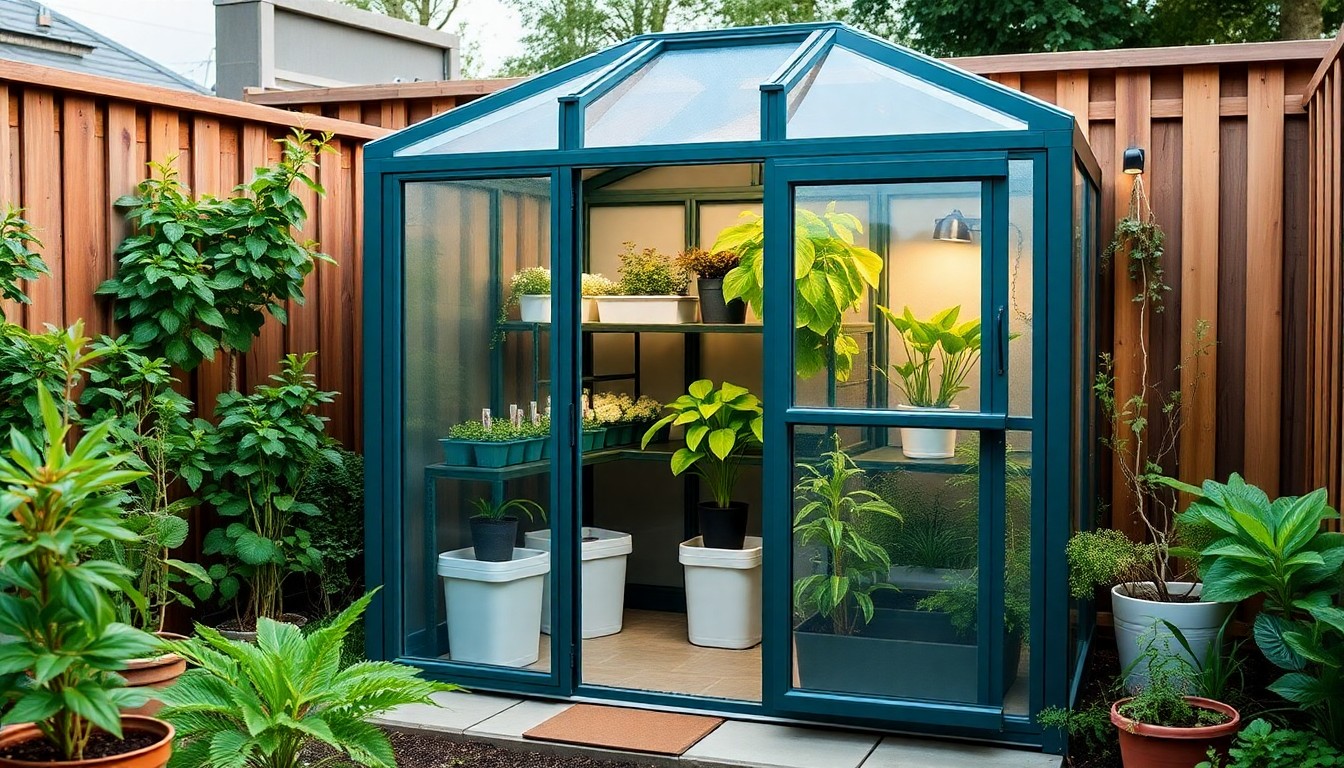
Urban gardening is revolutionizing how city dwellers connect with nature and grow their own food. The latest compact greenhouse innovations for 2025 focus on vertical integration, smart technology, and sustainable design—transforming balconies, patios, and small yards into productive year-round growing environments. Our expert guide helps you navigate these cutting-edge solutions to find the perfect urban greenhouse for your limited space.
Table of Contents
- Urban Space Optimization
- Vertical Growing Systems
- 2025 Smart Technology Integration
- Sustainable Materials & Design
- Hydroponic & Aeroponic Options
- Space-Maximizing Features
- Climate Control Innovations
- Urban Installation Solutions
- Maintenance Automation
- Cost-Benefit Analysis
- Expert Recommendations
- Urban Success Stories
Urban Space Optimization
The 2025 approach to limited urban spaces focuses on three-dimensional thinking and multi-functional design.
Getting Started: New to greenhouses? Consider our easy-assembly greenhouse kits designed for beginners. If you're still deciding, read our cold frame vs greenhouse comparison. For more inspiration, explore our innovative greenhouse ideas.
Key Benefits for Urban Growers
- Transform vertical space into productive growing areas
- Enable year-round growing in harsh urban climates
- Create controlled environments free from urban pollutants
- Maximize yields per square foot through stacking techniques
- Integrate growing spaces with living areas in multi-functional designs
- Reduce carbon footprint through local food production
Urban Site Assessment
-
Three-Dimensional Analysis
- Vertical space mapping for maximum utilization
- Light exposure tracking throughout seasons
- Weight-bearing capacity assessment
- Multi-level growing potential
- Modular expansion possibilities
-
Urban-Specific Considerations
- Building code compliance requirements
- Neighbor and HOA regulations
- Microclimate assessment (heat islands, wind tunnels)
- Water access and drainage solutions
- Light reflection from surrounding structures
- Noise and vibration factors
Vertical Growing Systems
The most significant trend in 2025 urban greenhouses is vertical integration to multiply growing space.
Multi-Tier Vertical Greenhouses
-
A-Frame Designs
- Double-sided growing surfaces
- Integrated water catchment
- Space-efficient footprint
- Natural light distribution
- 300% growing space compared to floor area
-
Tower Systems
- Cylindrical growing structures
- 360° planting surfaces
- Rotating mechanisms for equal light exposure
- Cascading irrigation systems
- 500% space efficiency compared to traditional beds
Living Wall Integration
-
Facade Systems
- Building-attached growing panels
- Insulation benefits
- No floor space requirements
- Privacy screening functionality
- Vertical herb and greens production
-
Partition Greenhouses
- Room divider functionality
- Double-sided access
- Interior climate benefits
- Aesthetic enhancement
- Mobile options for flexibility
2025 Smart Technology Integration
Modern compact greenhouses leverage technology for efficiency and automation.
Automated Management Systems
-
Climate Control Technology
- WiFi-connected sensors
- Smartphone monitoring and control
- Machine learning climate optimization
- Energy use tracking and efficiency recommendations
- Microclimate zone management
-
Resource Optimization
- Precision irrigation systems
- Light spectrum management
- Nutrient monitoring and dosing
- Air quality optimization
- Energy conservation algorithms
Smart Integration: Learn more about greenhouse automation systems and advanced greenhouse climate control. For efficient ventilation in small spaces, check our greenhouse ventilation systems guide.
Hydroponic & Aeroponic Options
Soil-free growing systems dominate 2025 urban greenhouse trends for cleanliness and efficiency.
Compact Hydroponic Systems
-
Wall-Mounted NFT Systems
- Nutrient Film Technique for leafy greens
- Recirculating water efficiency
- Vertical configuration options
- Modular expansion capability
- Up to 90% water reduction compared to soil growing
-
Deep Water Culture Towers
- Space-efficient cylindrical designs
- Minimal water consumption
- Reduced weight compared to soil
- Clean operation for indoor placement
- Accelerated growth cycles
Aeroponic Innovations
-
Mist-Based Growing Towers
- Root misting technology
- Maximum oxygen exposure
- Minimal water requirements
- Accelerated growth rates
- Vertical integration capability
-
Fogponic Micro-Greenhouses
- High-efficiency nutrient delivery
- Ultra-lightweight design
- Ideal for weight-restricted areas
- Low-profile systems for shelving
- Perfect for microgreens and herbs
Sustainable Materials & Design
2025's compact greenhouses emphasize eco-friendly materials and circular design principles.
Innovative Frame Options
-
Recycled Aluminum Systems
- 95% recycled content standards
- Carbon-neutral manufacturing processes
- Modular design for future expansion
- Disassembly-friendly connections
- Fully recyclable at end-of-life
-
Reinforced Bioplastic Components
- Plant-based polymer construction
- Carbon-sequestering production
- Strength comparable to aluminum
- UV-stabilized for 15+ year lifespan
- Biodegradable end-of-life options
-
Reclaimed Wood-Hybrid Frames
- Urban-sourced timber integration
- Modern pressure-treatment alternatives
- Natural aesthetic appeal
- Enhanced thermal performance
- Carbon-storing benefits
Advanced Covering Innovations
-
Multi-Wall Polycarbonate
- Recycled content options (up to 40%)
- Enhanced insulation values (R2-R4)
- Specialized light spectrum management
- Self-cleaning nanotechnology surfaces
- Selective UV transmission options
-
Biodegradable Films
- Plant-based polymer construction
- 2-3 season lifespan with composting end-of-life
- Enhanced light diffusion properties
- Anti-condensation properties
- Significantly reduced carbon footprint
-
Dynamic Glass Systems
- Photochromic tinting response
- Maximum winter light transmission
- Summer heat rejection properties
- Edge-mounted solar film power generation
- 25+ year operational lifespan
Urban Installation Solutions
Specialized approaches for challenging urban installation environments.
Non-Invasive Mounting Systems
-
Balcony Integration
- Railing-mount brackets
- Non-permanent clamping systems
- Weight-distributed platforms
- Tenant-friendly solutions
- Wind resistance reinforcement
-
Rooftop Adaptations
- Membrane-protecting base systems
- Lightweight aggregate foundations
- Modular ballast frameworks
- Green roof integration options
- Wind resistance features
Urban-Specific Setup
-
Limited-Access Solutions
- Component size optimization for narrow stairways
- Elevator-friendly packaging
- Modular assembly pathways
- Minimal tool requirements
- Single-person installation options
-
Utility Integration
- Rainwater collection systems
- Grey water filtration options
- Solar panel incorporation
- Battery storage solutions
- Low-voltage lighting systems
Space-Maximizing Features
2025's compact greenhouse designs incorporate innovative space utilization strategies.
Multi-Functional Elements
-
Growing-Storage Hybrid Systems
- Integrated seed-starting shelves
- Tool storage within structural elements
- Fold-down workstations
- Dual-purpose containers
- Convertible growing surfaces
-
Transformable Components
- Seasonal configuration changes
- Day/night transformation capabilities
- Expandable/collapsible sections
- Rotating growing surfaces for light optimization
- Nesting container systems
Three-Dimensional Utilization
-
Stratified Growing Environments
- Microclimate zoning by height
- Crop-specific light optimization layers
- Root zone/foliage zone separation
- Integrated irrigation delivery by level
- Optimized air circulation patterns
-
Peripheral Space Activation
- Door-mounted growing panels
- Ceiling track growing systems
- Under-bench cultivation zones
- Perimeter trellising systems
- Corner space vertical towers
Climate Control Innovations
The latest technologies for efficient environmental management in compact spaces.
Smart Ventilation Systems
-
Automated Micro-Ventilation
- AI-driven predictive opening
- Weather API integration
- Zone-specific air exchange
- Pressure-differential sensing
- Energy-harvesting operation
-
Integrated Air Purification
- Urban pollutant filtration
- Pathogen reduction systems
- Carbon dioxide enrichment cycles
- Humidity harvesting technology
- Air quality monitoring
Precision Climate Management
-
Zonal Environment Control
- Micro-climate creation for diverse crops
- Species-specific temperature bands
- Moderated humidity gradients
- Light spectrum management by zone
- Resource-prioritization settings
-
Energy-Efficient Solutions
- Phase-change material heat storage
- Geothermal exchange mini-systems
- Solar-powered climate buffers
- Algorithmic efficiency optimization
- Predictive weather response
Cost-Benefit Analysis
Comprehensive evaluation of 2025's compact greenhouse investments.
Investment Categories
-
Entry-Level Smart Systems
- $800-1500 price range
- Basic automation features
- Mobile app integration
- Modular expansion capability
- 5-10 year lifespan
- Annual yield potential: 50-100 lbs
- ROI timeframe: 2-3 years
-
Advanced Urban Solutions
- $1500-3000 price range
- Full automation suite
- Hydroponic/aeroponic options
- Comprehensive climate control
- Multi-zone management
- 10-15 year lifespan
- Annual yield potential: 100-200 lbs
- ROI timeframe: 3-5 years
-
Premium Integrated Environments
- $3000-6000 price range
- Commercial-grade components
- Full environmental automation
- Maximum space utilization
- Living space integration features
- 15-25 year lifespan
- Annual yield potential: 200-400 lbs
- ROI timeframe: 4-7 years
Value Optimization Strategies
-
Resource Efficiency Focus
- Water consumption reduction (up to 90%)
- Energy optimization technologies
- Space utilization maximization
- Crop selection for highest value
- Extended growing season returns
-
Long-Term Value Factors
- Modular expansion capabilities
- Component upgradeability
- Technology integration pathways
- Structural durability metrics
- Manufacturer support ecosystems
Maintenance Automation
2025's systems emphasize reduced maintenance through smart automation and design.
Maintenance Support: For ongoing care strategies, see our greenhouse maintenance tips and greenhouse pest management guides. Learn about proper greenhouse plant care in compact spaces.
Automated Care Systems
-
Self-Regulating Functions
- Sensor-driven irrigation
- Climate self-correction
- Nutrient monitoring and delivery
- Predictive maintenance alerts
- Remote monitoring capabilities
-
Time-Saving Innovations
- Self-cleaning glass technologies
- Condensation management systems
- Automated pest detection
- Plant health monitoring
- Growth tracking analytics
Minimal-Intervention Design
-
Resilient Systems
- Redundant component design
- Fault-tolerant operations
- Battery backup integration
- Offline functionality modes
- Self-diagnostic capabilities
-
Urban-Friendly Maintenance
- Neighbor-considerate operations
- Noise-reduction features
- Odor management systems
- Pest barrier integrations
- Aesthetic upkeep considerations
Expert Recommendations
Top picks for different urban growing environments in 2025.
Balcony & Small Patio Solutions
-
Best Compact Systems
- GrowFrame 220 Vertical System ($899)
- Balcony railing attachment system
- 9 sq ft footprint with 27 sq ft growing area
- Integrated water recycling
- Smart-home compatible controls
- UrbanOasis Lean-To ($1,199)
- Wall attachment with non-invasive brackets
- Double-wall polycarbonate with R3 insulation
- Automated ventilation and shade system
- Expandable modular design
- MicroFarm Cube ($749)
- 4'x4' footprint with vertical integration
- Hydroponic tower system integration
- Minimal assembly requirements
- Entry-level automation package
- GrowFrame 220 Vertical System ($899)
-
Innovator Awards 2025
- GreenPod Origami ($1,299) - "Best Space Transformer"
- Folding design for seasonal use
- 80% size reduction when stored
- Indoor/outdoor versatility
- SkyGarden Suspended System ($1,599) - "Best Overhead Utilization"
- Ceiling-mounted growing system
- Zero floor footprint design
- Pulley-based maintenance access
- NanoFarm Wall ($899) - "Most Apartment-Friendly"
- Interior living wall/greenhouse hybrid
- Fully contained water system
- Supplemental LED integration
- GreenPod Origami ($1,299) - "Best Space Transformer"
Specialized Urban Applications
-
Rooftop Microgreens Production
- AeroStack Commercial Mini ($2,799)
- Wind-resistant low-profile design
- High-yield microgreens focus
- Climate-adaptive shell technology
- 4-day harvest cycles year-round
- AeroStack Commercial Mini ($2,799)
-
Indoor Living Space Integration
- BioBoundary Room Divider ($3,199)
- Full-spectrum lighting system
- HEPA-filtered air circulation
- Humidity management for indoor use
- Dual-sided growing surfaces
- BioBoundary Room Divider ($3,199)
-
Small Yard Maximizers
- GardenTower Pro ($2,299)
- 4 sq ft footprint with 36 plant capacity
- Integrated vermicomposting system
- Rotating design for light balance
- Weather-responsive automation
- GardenTower Pro ($2,299)
Urban Success Stories
Inspiring examples of compact greenhouse implementation in challenging urban environments.
Metropolitan Case Studies
-
New York Apartment Hydroponic System
- 400 sq ft studio apartment integration
- 6'x3' wall-mounted vertical system
- 300+ herbs and leafy greens annually
- $950 annual grocery replacement value
- Challenges: light management, humidity control
- Solutions: timed LED supplementation, automated dehumidification
-
Chicago Rooftop Vegetable Garden
- 12'x8' modular greenhouse
- Year-round growing in Zone 5 conditions
- Extended season tomatoes, peppers, and greens
- 575 lbs annual yield from 96 sq ft
- Challenges: wind exposure, weight limitations
- Solutions: aeroponic systems, distributed anchor points
Small Space Transformation Stories
-
Seattle Balcony Food System
- 4'x6' apartment balcony conversion
- Vertical vegetable wall with misting system
- Integrated countertop microgreens production
- Solar-powered automation system
- 45 minutes weekly maintenance
- 15+ varieties of culinary herbs and greens
-
Miami Urban Heat Solution
- 8'x8' backyard greenhouse with cooling focus
- Modified for tropical climate vegetation
- Heat-reflective covering with strategic ventilation
- Year-round exotic fruit production
- Integrated rainwater harvesting during hurricane season
- Featured in Sustainable Urban Living magazine
Conclusion
The 2025 compact greenhouse landscape offers unprecedented opportunities for urban dwellers to create productive growing environments in even the most limited spaces. By leveraging vertical design, smart technology, and sustainable materials, today's urban gardeners can achieve remarkable yields from balconies, small patios, and even indoor living spaces.
Key 2025 Takeaways
- Think vertically to multiply growing area by 3-5 times
- Embrace hydroponic systems for clean, efficient urban growing
- Integrate smart technology for reduced maintenance needs
- Select climate-specific automation for optimal resource efficiency
- Choose modular systems that can evolve with your needs
- Consider full lifecycle sustainability in material selection
- Calculate ROI based on high-value crop production
- Start with one optimized system before expanding
Additional Resources
Related Articles
- Vertical Growing Systems
- Urban Hydroponic Solutions
- Smart Greenhouse Automation
- Sustainable Greenhouse Materials
- Energy-Efficient Climate Control
- DIY Greenhouse Construction
- Greenhouse Lighting Systems
- Year-Round Growing Guide
Optimization Tools
- Vertical Space Calculator
- Urban Greenhouse ROI Estimator
- Hydroponic System Designer
- Smart System Configuration Tool
- Energy Efficiency Calculator
Need help selecting the perfect urban greenhouse system for your specific space constraints? Contact our urban growing specialists for a personalized consultation and custom solution design.