
Sierra Greenhouse Insights
15 Costly Greenhouse Mistakes (And How to Avoid Them)
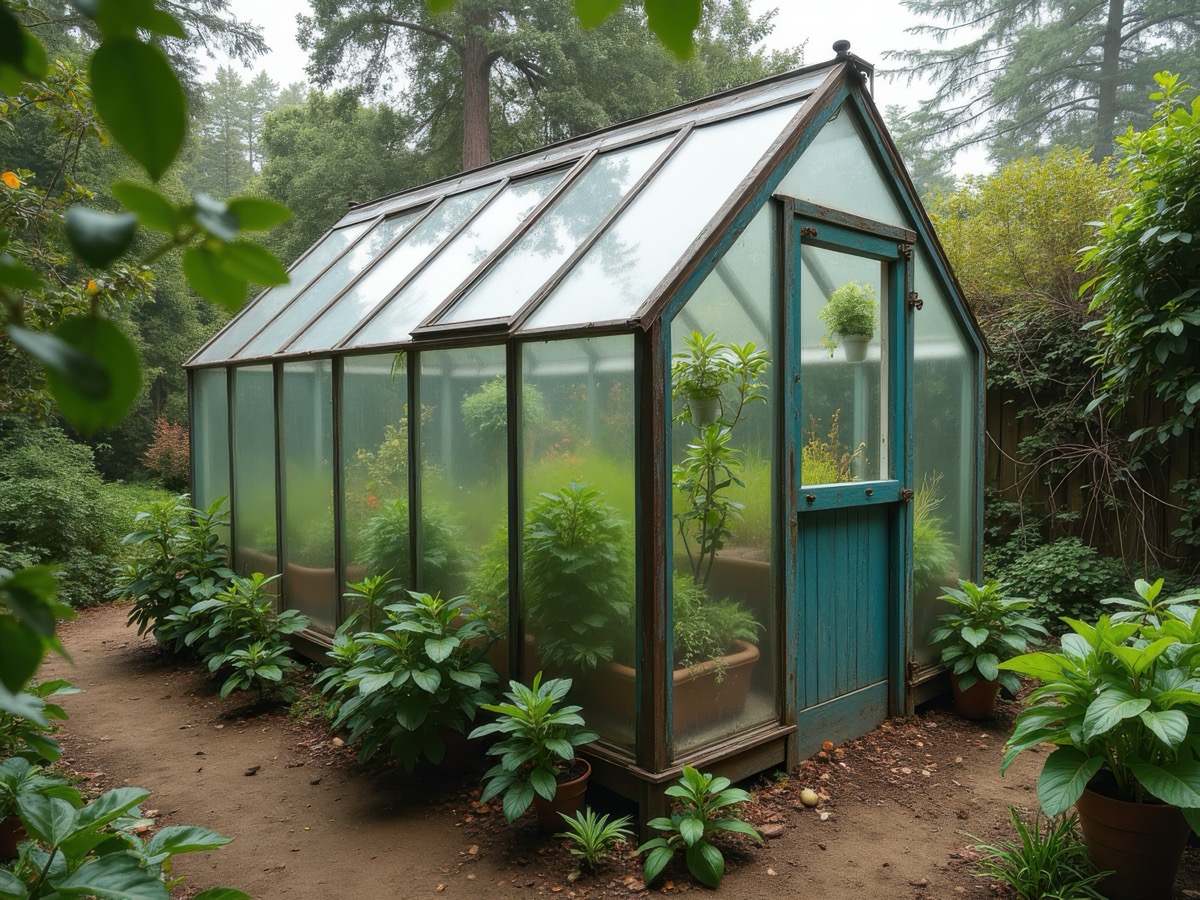
After analyzing over 500 greenhouse failures and interviewing dozens of frustrated growers, we've identified the most expensive mistakes that destroy crops, waste money, and discourage new greenhouse owners. These preventable errors cost the average grower $1,200-$3,500 in the first year alone.
Quick Navigation: Planning Mistakes | Construction Errors | Operating Problems | Recovery Strategies
The True Cost of Greenhouse Mistakes
Greenhouse mistakes aren't just frustrating—they're expensive:
Financial Impact by Category:
- Poor sizing decisions: $800-2,500 in rebuilding costs
- Foundation failures: $1,000-3,000 in structural repairs
- Climate control errors: $400-1,200 in energy waste annually
- Crop failures: $300-800 in lost production per season
- Equipment failures: $200-1,500 in premature replacements
Hidden Costs:
- Time lost: 40-80 hours redoing mistakes
- Opportunity cost: Missed growing seasons
- Frustration factor: Many abandon greenhouse growing entirely
- Learning curve: Expensive trial-and-error education
The good news: Every mistake on this list is preventable with proper planning and knowledge.
Planning and Design Mistakes
Mistake #1: Building Too Small
The Problem: 95% of greenhouse owners wish they had built bigger. The "start small" mentality leads to cramped growing conditions and expensive expansions.
Why It Happens:
- Underestimating space needs: 8x8 feels huge when empty
- Budget constraints: Trying to save money upfront
- Planning for current needs: Not considering growth in interest
- Visual misconception: Empty greenhouse looks bigger than functional space
The Real Cost:
- Lost production: 40-60% less growing space than needed
- Expansion costs: $50-80 per square foot to add on later
- Inefficient use: Can't fit proper walkways and work areas
- Resale problems: Small greenhouses have limited buyer appeal
How to Avoid:
- Calculate actual needs: Plan for mature plants, not seedlings
- Add 30% buffer: Account for walkways, storage, work space
- Consider 5-year growth: Plan for expanded growing interest
- Use our Greenhouse Sizing Calculator for evidence-based recommendations
Size Recommendations:
- Beginner hobby: 8x12 minimum (not 6x8)
- Serious gardener: 10x16 or larger
- Small commercial: 20x30 minimum
- Family production: 12x20 with expansion capability
Mistake #2: Wrong Location Choice
The Problem: Poor site selection causes permanent problems that can't be fixed without moving the entire structure.
Common Location Errors:
- Insufficient sun: Less than 6 hours direct sunlight
- Poor drainage: Water pools around foundation
- Wind exposure: Excessive heat loss and structural stress
- Utility access: No electricity or water nearby
- Future problems: Trees will grow and shade, neighbor changes
Hidden Location Issues:
- Underground utilities: Discover after digging foundation
- Property line problems: Too close to boundaries
- HOA restrictions: Didn't check covenants
- Setback violations: Municipal code violations
The Real Cost:
- Relocation expenses: $2,000-5,000 to move and rebuild
- Permit delays: Months of waiting for approvals
- Legal fees: HOA or municipal violations
- Ongoing problems: Poor drainage causes continuous issues
How to Choose Correctly:
- Sun mapping: Track sunlight for full day in winter
- Drainage test: Dig hole, fill with water, check drainage
- Utility planning: Locate electrical panel and water source
- Check all codes: Municipal, HOA, and neighbor agreements
- Future planning: Consider mature tree growth and neighborhood changes
Mistake #3: Inadequate Foundation Planning
The Problem: Foundation shortcuts cause long-term structural problems that are extremely expensive to fix.
Common Foundation Mistakes:
- No foundation: Assuming greenhouse kits don't need proper base
- Insufficient depth: Not accounting for frost line
- Poor drainage: No gravel base or French drain
- Uneven construction: Foundation not level or square
- Wrong materials: Using materials inappropriate for climate
Immediate Consequences:
- Doors won't close: Settling causes misalignment
- Panel damage: Structural stress cracks glazing
- Water problems: Poor drainage floods growing areas
- Pest entry: Gaps in foundation allow rodents and insects
Long-term Problems:
- Structural failure: Frost heaving destroys greenhouse
- Constant repairs: Ongoing maintenance nightmare
- Insurance issues: Improper foundations void coverage
- Resale problems: Buyers avoid foundations with problems
Foundation Solutions by Climate:
Cold Climates (Zones 3-5):
- Concrete slab: Below frost line with vapor barrier
- Cost: $8-15 per square foot
- Benefits: Permanent, level, excellent drainage
Moderate Climates (Zones 6-7):
- Concrete block: 18-inch depth with gravel base
- Cost: $4-8 per square foot
- Benefits: DIY-friendly, adjustable, good stability
Warm Climates (Zones 8-10):
- Gravel pad: 6-inch deep with landscape fabric
- Cost: $2-4 per square foot
- Benefits: Excellent drainage, easy installation
Construction and Installation Mistakes
Mistake #4: DIY Beyond Skill Level
The Problem: Overconfident DIYers attempt complex installations without proper skills, tools, or help, leading to structural problems and safety issues.
Where DIY Goes Wrong:
- Electrical work: Improper wiring creates fire hazards
- Structural modifications: Weakening frame integrity
- Glazing installation: Improper sealing leads to leaks
- Foundation work: Poor concrete work causes future failures
Warning Signs You Need Professional Help:
- Permit requirements: Electrical, plumbing, or structural permits needed
- Specialized tools: Work requires equipment you don't own
- Safety concerns: Working at height or with power tools
- Time constraints: Project needs completion before weather changes
Smart DIY Strategy:
- Hire professionals for: Foundation, electrical, complex framing
- DIY appropriate tasks: Assembly, painting, interior setup
- Get help for: Heavy lifting, glazing installation
- Learn first: Take classes or watch experienced installers
Cost of DIY Mistakes:
- Professional repair: Often costs 2-3x original professional price
- Safety incidents: Medical costs and lost work time
- Permit violations: Fines and forced re-work
- Insurance problems: Improper work voids coverage
Mistake #5: Poor Ventilation Design
The Problem: Inadequate ventilation planning leads to overheating, disease problems, and crop failures.
Common Ventilation Mistakes:
- Insufficient vent area: Less than 20% of floor area
- Poor vent placement: Vents too high or too low
- No automatic controls: Manual vents left closed during heat waves
- Ignoring air circulation: No fans for air movement
- Wrong vent types: Intake and exhaust not properly balanced
The Consequences:
- Summer overheating: Temperatures exceed 100°F
- Disease problems: Stagnant air promotes fungal diseases
- Poor growth: Heat stress reduces yields by 30-50%
- Plant death: Extreme temperatures kill entire crops
Proper Ventilation Requirements:
Natural Ventilation:
- Roof vents: 20-25% of floor area
- Side vents: 15-20% of floor area
- Automatic openers: Essential for consistent operation
- Total vent area: 35-45% of floor area
Mechanical Ventilation:
- Air changes: 60-120 per hour for summer cooling
- Fan sizing: Use our Ventilation Calculator
- Control systems: Thermostatic controls with backup manual override
Mistake #6: Electrical Planning Oversights
The Problem: Inadequate electrical planning forces expensive retrofits and limits greenhouse functionality.
Common Electrical Mistakes:
- Insufficient power: Undersized electrical service
- Wrong outlet types: Standard outlets instead of GFCI
- Poor placement: Outlets too high, too low, or too few
- No future planning: No capacity for fans, heaters, lights
- Code violations: Improper installation creates safety hazards
Electrical Requirements by Greenhouse Size:
Small Greenhouse (8x12):
- Service: 60-amp subpanel minimum
- Circuits: 4-6 dedicated 20-amp circuits
- GFCI protection: All outlets in greenhouse environment
- Future capacity: 50% additional capacity for expansion
Medium Greenhouse (16x20):
- Service: 100-amp subpanel
- Circuits: 8-12 dedicated circuits
- 220V capacity: For heaters, large fans, equipment
- Emergency power: Generator connection capability
Plan for These Electrical Needs:
- Ventilation fans: 240V for large exhaust fans
- Heating systems: 240V for electric heaters
- Lighting systems: LED grow lights, security lighting
- Automation: Controls, timers, monitoring systems
- Power tools: Potting bench area, maintenance needs
Operating and Management Mistakes
Mistake #7: Overwatering and Poor Drainage
The Problem: More greenhouse plants die from overwatering than underwatering, yet most beginners water too frequently.
Why Overwatering Happens:
- Misreading plants: Confusing wilt from overwatering vs underwatering
- Fixed schedules: Watering by calendar instead of need
- Poor drainage: Containers without adequate drainage holes
- Soil problems: Heavy soils that retain too much moisture
Signs of Overwatering:
- Yellowing leaves: Starting from bottom of plant
- Soft, mushy stems: Root rot spreading upward
- Fungal growth: Mold on soil surface
- Slow growth: Roots can't access oxygen
- Pest problems: Fungus gnats thrive in wet soil
Proper Watering Strategy:
- Check soil moisture: Finger test 1-2 inches deep
- Water deeply, less frequently: Encourage deep root growth
- Improve drainage: Add perlite or sand to heavy soils
- Use proper containers: Ensure adequate drainage holes
- Monitor humidity: High humidity reduces water needs
Drainage Solutions:
- Raised beds: 6-8 inches above ground level
- Gravel base: Under containers and walkways
- French drains: For greenhouses with water problems
- Proper slope: 1/4 inch per foot away from center
Mistake #8: Temperature Extremes
The Problem: Poor temperature management stresses plants and reduces yields even when plants survive.
Temperature Mistakes:
- Excessive heat: Allowing greenhouse to exceed 85°F
- Cold damage: Insufficient heating during cold snaps
- Temperature swings: Large daily variations stress plants
- Wrong thermometer placement: Inaccurate readings lead to poor decisions
Optimal Temperature Ranges by Crop:
Cool-Season Crops:
- Lettuce, spinach: 50-70°F (day), 40-50°F (night)
- Broccoli, kale: 60-70°F (day), 45-55°F (night)
- Peas, fava beans: 55-65°F (day), 40-50°F (night)
Warm-Season Crops:
- Tomatoes: 70-80°F (day), 60-65°F (night)
- Peppers: 75-85°F (day), 65-70°F (night)
- Basil, herbs: 65-75°F (day), 55-65°F (night)
Temperature Management Solutions:
- Automatic controls: Thermostatic vents and fans
- Thermal mass: Water barrels for temperature stability
- Proper monitoring: Digital min/max thermometers
- Backup systems: Emergency heating and cooling
- Seasonal adjustments: Change settings with seasons
Mistake #9: Ignoring Humidity Control
The Problem: High humidity promotes disease while low humidity stresses plants and reduces growth.
Humidity Problems:
- High humidity (>80%): Fungal diseases, poor pollination
- Low humidity (<40%): Water stress, poor growth
- Poor air circulation: Creates humid microclimates
- No monitoring: Not tracking humidity levels
Disease Problems from High Humidity:
- Botrytis (gray mold): Spreads rapidly in humid conditions
- Powdery mildew: Thrives in 70-80% humidity
- Bacterial diseases: Spread through water droplets
- Root rot: Excessive soil moisture in humid air
Humidity Control Strategies:
- Improve ventilation: Increase air exchange rates
- Use circulation fans: Keep air moving constantly
- Water management: Water early morning, avoid evening
- Plant spacing: Adequate space between plants for airflow
- Monitor and adjust: Digital humidity meters with alerts
Target Humidity Levels:
- Seedlings: 70-80% for germination and early growth
- Vegetative growth: 50-70% for healthy development
- Flowering/fruiting: 40-60% to prevent disease
- Night: 10-15% lower than day humidity
Mistake #10: Poor Pest Management
The Problem: Greenhouse pests multiply rapidly in protected environments, and infestations can destroy entire crops quickly.
Why Greenhouse Pests Are Worse:
- Protected environment: No natural predators
- Ideal conditions: Warm, humid conditions favor pests
- Dense plantings: Easy pest transmission between plants
- Year-round growing: No winter die-off of pest populations
Most Common Greenhouse Pests:
Aphids:
- Damage: Suck plant juices, transmit viruses
- Signs: Clusters on new growth, sticky honeydew
- Control: Beneficial insects, insecticidal soap
- Prevention: Regular inspection, quarantine new plants
Spider Mites:
- Damage: Yellow stippling on leaves, webbing
- Conditions: Hot, dry conditions favor development
- Control: Increase humidity, predatory mites
- Prevention: Maintain proper humidity levels
Whiteflies:
- Damage: Yellowing leaves, virus transmission
- Signs: Small white flies on undersides of leaves
- Control: Yellow sticky traps, beneficial insects
- Prevention: Screen vents, quarantine new plants
Integrated Pest Management (IPM) Strategy:
- Prevention first: Clean greenhouse, quarantine plants
- Regular monitoring: Weekly inspection for early detection
- Biological controls: Beneficial insects for pest control
- Cultural controls: Proper spacing, sanitation
- Chemical controls: Only as last resort, rotate products
Advanced Mistakes (Expensive Lessons)
Mistake #11: Equipment Overbuying
The Problem: New greenhouse owners often purchase expensive equipment they don't need or won't use effectively.
Common Equipment Mistakes:
- Automatic systems too early: Complex automation before understanding basics
- Expensive grow lights: High-intensity lights for basic growing
- Commercial equipment: Professional-grade systems for hobby use
- Redundant systems: Multiple systems that serve same purpose
Smart Equipment Purchasing:
- Start basic: Learn with simple tools first
- Buy for current needs: Not aspirational growing plans
- Quality over quantity: Fewer, better-quality tools
- Research thoroughly: Read reviews, compare options
- Consider maintenance: Factor in ongoing costs and complexity
Mistake #12: Ignoring Local Climate
The Problem: Using generic advice instead of adapting greenhouse management to local climate conditions.
Climate-Specific Challenges:
Hot, Dry Climates:
- Challenge: Extreme heat, low humidity
- Solutions: Evaporative cooling, thermal mass, shade cloth
- Mistakes: Inadequate cooling, insufficient water systems
Hot, Humid Climates:
- Challenge: High humidity, disease pressure
- Solutions: Maximum ventilation, air circulation, disease prevention
- Mistakes: Insufficient airflow, overcrowding plants
Cold Climates:
- Challenge: High heating costs, low light
- Solutions: Insulation, thermal mass, supplemental lighting
- Mistakes: Inadequate heating, poor insulation
Variable Climates:
- Challenge: Rapid weather changes, seasonal extremes
- Solutions: Flexible systems, good controls, backup plans
- Mistakes: Rigid systems, poor monitoring
Mistake #13: Poor Record Keeping
The Problem: Not tracking what works and what doesn't leads to repeating mistakes and missing optimization opportunities.
What to Track:
- Planting dates: When seeds started, transplanted, harvested
- Varieties: Which cultivars perform best in your greenhouse
- Weather data: Temperatures, humidity, problems encountered
- Pest/disease issues: When they occur, treatments used
- Yields: Production per plant, per square foot
- Costs: Track expenses and returns on investment
Simple Record-Keeping System:
- Growing journal: Simple notebook or digital file
- Photo documentation: Before/after pictures of problems
- Calendar tracking: Mark important dates and events
- Variety trials: Test new varieties systematically
- Financial tracking: Monitor costs and income
Mistake #14: Seasonal Planning Failures
The Problem: Not planning for seasonal changes leads to empty greenhouses during profitable periods.
Common Seasonal Mistakes:
- Summer shutdown: Giving up when it gets hot instead of adapting
- Winter cessation: Stopping production when heating costs rise
- Poor succession planting: Gaps in production
- Wrong crop timing: Missing optimal planting windows
Year-Round Planning Strategy:
- Develop crop calendar: Plan 12 months of production
- Succession planting: Stagger plantings for continuous harvest
- Seasonal adaptation: Change crops with seasons
- Economic analysis: Calculate profitability by season
- Use our Seasonal Planning Guide for detailed schedules
Mistake #15: Unrealistic Expectations
The Problem: Expecting immediate success without understanding the learning curve required for greenhouse growing.
Common Expectation Problems:
- Instant expertise: Expecting perfect results immediately
- Miracle growth: Unrealistic yield expectations
- No failures: Expecting no crop losses or mistakes
- Immediate profits: Expecting quick return on investment
Realistic Timeline for Success:
- Year 1: Learning basic operations, expect mistakes
- Year 2: Developing skills, improving yields
- Year 3: Optimizing systems, consistent production
- Year 4+: Mastery level, maximum profitability
Setting Realistic Goals:
- Start simple: Focus on easy crops first
- Learn continuously: Take classes, read, join groups
- Track progress: Celebrate improvements over time
- Plan for setbacks: Budget for learning experiences
- Join community: Connect with experienced growers
Mistake Recovery Strategies
Financial Recovery from Mistakes
Assessment Strategy:
- Calculate losses: Determine actual costs of mistakes
- Prioritize fixes: Address safety issues first
- Cost-benefit analysis: Compare repair vs replacement costs
- Plan improvements: Spread costs over multiple seasons
Recovery Timeline:
- Immediate (0-3 months): Safety fixes, critical repairs
- Short-term (3-12 months): Major improvements, system upgrades
- Long-term (1-3 years): Complete renovation, expansion
Learning from Mistakes
Documentation Process:
- Record what happened: Detailed description of problem
- Identify root cause: Why the mistake occurred
- Research solutions: Multiple approaches to prevention
- Implement fixes: Make necessary changes
- Monitor results: Track improvement over time
Knowledge Building:
- Join local groups: Master Gardener programs, clubs
- Online communities: Forums, social media groups
- Educational resources: Extension publications, courses
- Mentorship: Find experienced greenhouse growers
- Professional development: Attend workshops, conferences
Prevention Checklist: Avoiding Costly Mistakes
Before Building:
- [ ] Calculate actual space needs (add 30% buffer)
- [ ] Test soil drainage and sun exposure
- [ ] Check all permits and code requirements
- [ ] Plan electrical and water access
- [ ] Budget for proper foundation
During Construction:
- [ ] Hire professionals for complex work
- [ ] Use quality materials appropriate for climate
- [ ] Install adequate ventilation systems
- [ ] Plan for future electrical needs
- [ ] Don't skip safety equipment
After Installation:
- [ ] Start with easy crops to learn systems
- [ ] Implement pest prevention strategies
- [ ] Track everything in growing journal
- [ ] Join greenhouse growing communities
- [ ] Plan for seasonal changes
Ongoing Operations:
- [ ] Monitor temperature and humidity daily
- [ ] Inspect plants weekly for problems
- [ ] Maintain equipment regularly
- [ ] Continue learning and improving
- [ ] Plan next season during current season
ROI of Mistake Prevention
Cost of Professional Planning:
- Greenhouse consultant: $500-1,500
- Professional installation: $2,000-5,000 additional
- Quality equipment: 20-40% more than budget options
Cost of Mistakes Avoided:
- Foundation problems: $1,000-3,000 repair costs
- Poor ventilation: $400-1,200 annual energy waste
- Wrong sizing: $800-2,500 rebuilding costs
- Equipment failures: $200-1,500 replacement costs
Bottom line: Investing $1,000-2,000 in proper planning prevents $3,000-8,000 in mistake costs.
Next Steps: Building Success from Day One
- Use our planning tools: Greenhouse Cost Calculator and Sizing Calculator
- Download mistake prevention checklist: Free PDF Guide
- Join our community: Connect with experienced growers in our Facebook Group
- Get professional consultation: Schedule a virtual consultation with our certified specialists
- Start your growing journal: Begin tracking from day one
Remember: Every expert was once a beginner who learned from mistakes. The key is learning from others' mistakes instead of making all your own.
Facing a greenhouse problem right now? Our certified specialists provide emergency consultations to help you recover from mistakes and get back on track. Contact us for immediate assistance.