
Sierra Greenhouse Insights
Cold Frame vs Greenhouse: 5 Key Differences Every Gardener Should Know
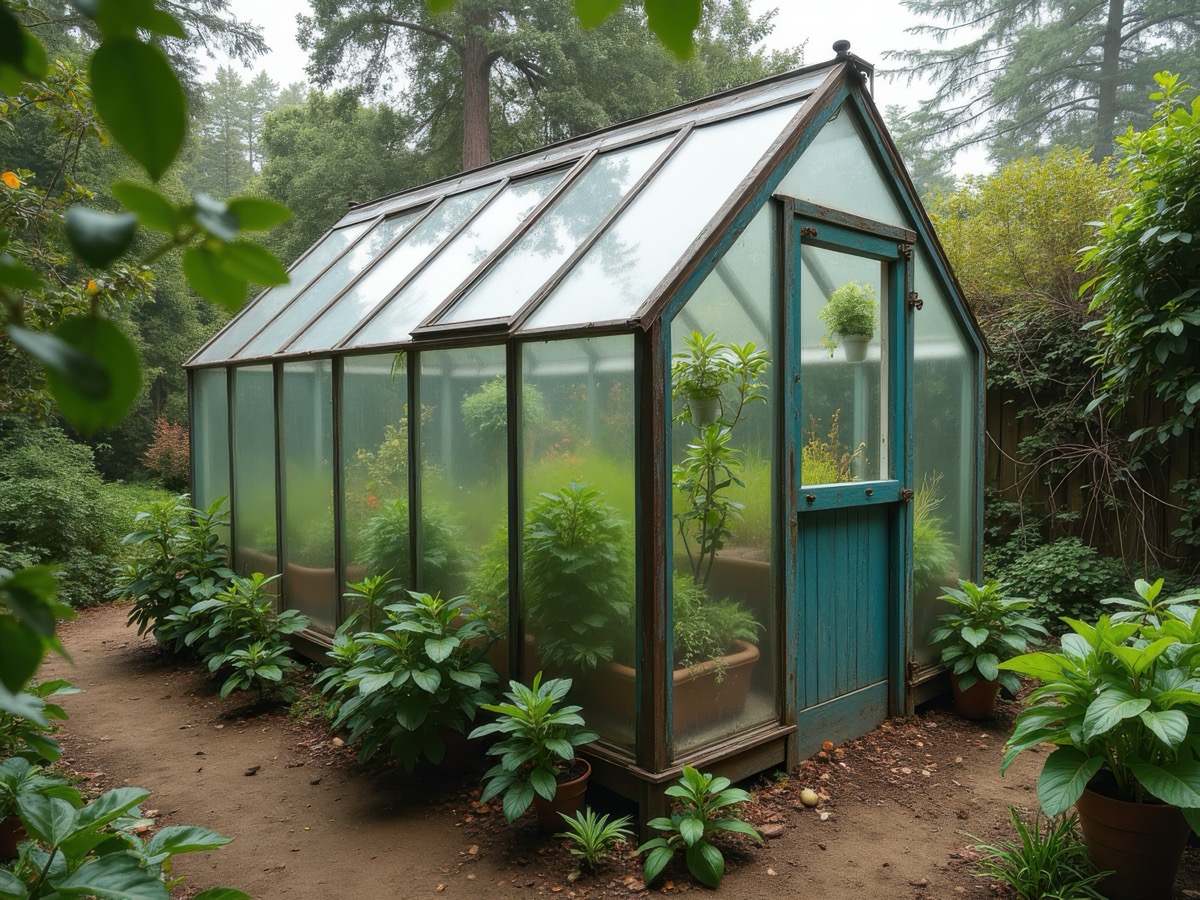
When you first get into gardening, you'll probably run into the cold frame vs. greenhouse debate pretty quickly. Both options help you squeeze more out of your growing season, but they play different roles in the garden.
A cold frame is a small, passive solar box that sits right on the ground and has a clear lid, while a greenhouse is bigger, often climate-controlled, and you can actually walk inside to work with your plants.
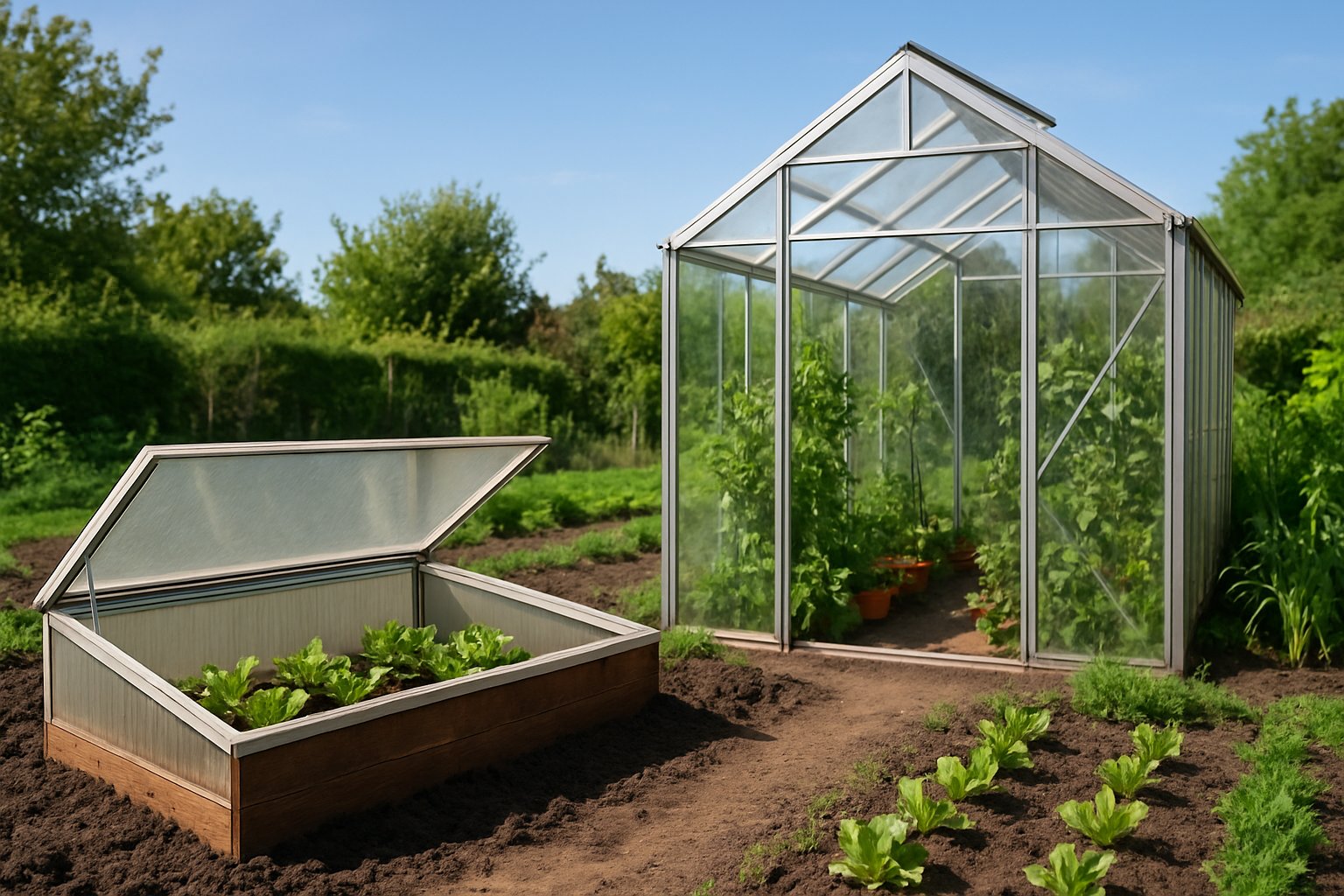
I've tried both in my garden over the years. Cold frames are fantastic for hardening off seedlings or keeping cool-weather crops alive in winter.
They're basically just boxes with a clear lid that traps heat from the sun. Greenhouses, though, give you a lot more space and control—so you can grow stuff that wouldn't even make it through your local winters.
Your decision comes down to what you want to grow, how much space you've got, and honestly, how much you're willing to spend. Cold frames cost less and you can build one yourself pretty easily, but greenhouses are way more flexible if you're aiming to garden all year.
I actually started with a cold frame before I splurged on a greenhouse, and I still use them both. Some plants just do better in one or the other.
Key Takeaways
- Cold frames are smaller, more affordable, and great for hardening off plants or stretching the season for cool crops.
- Greenhouses offer more space, better climate control, and open up year-round gardening.
- Let your space, budget, and gardening dreams steer you toward one (or both) of these handy garden structures.
What Is a Cold Frame?
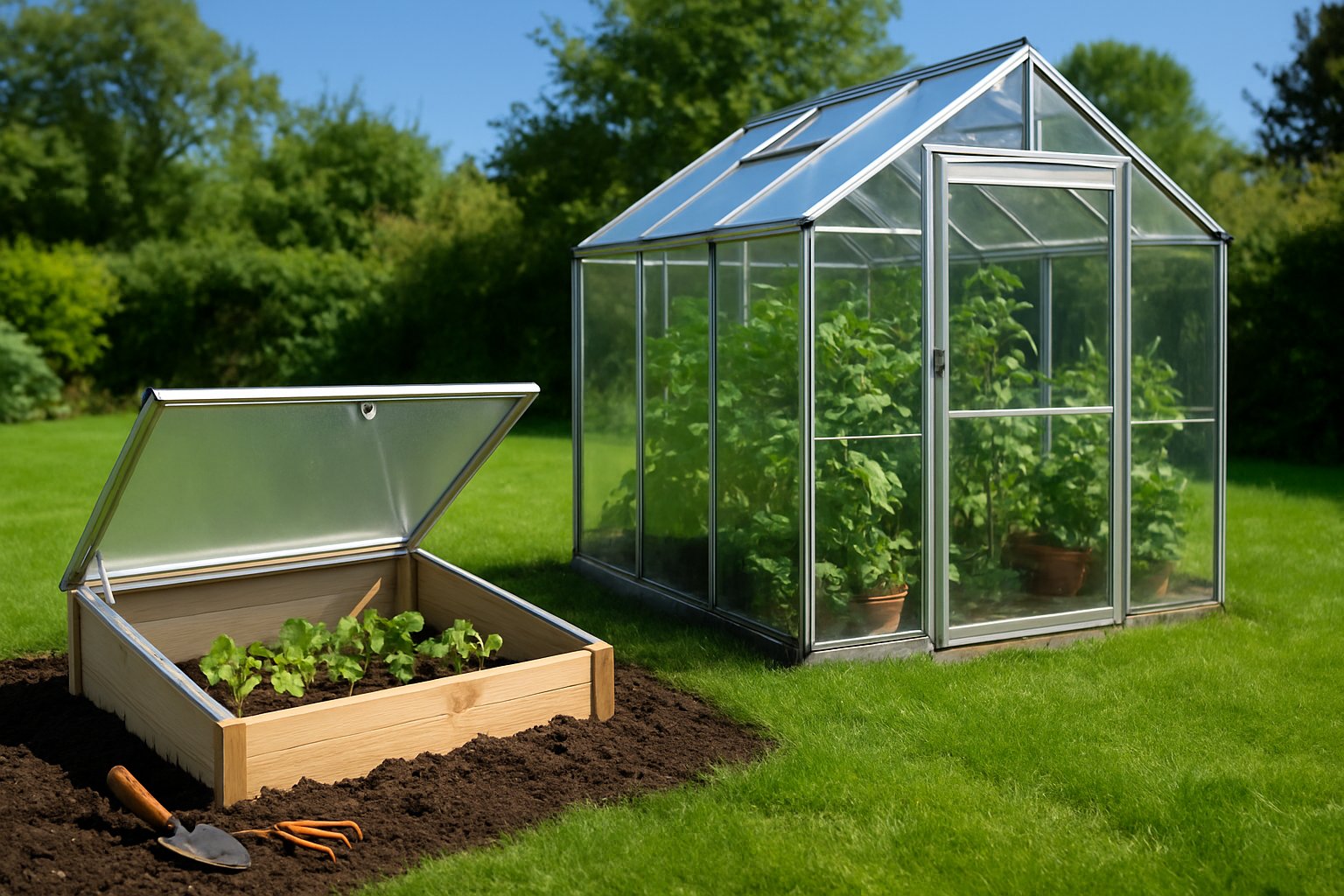
A cold frame is a simple gardening structure that lets you stretch your growing season by protecting plants from rough weather. These boxy little things create a microclimate that's warmer than outside, but not as tightly controlled as a greenhouse.
Typical Features of Cold Frames
Most cold frames use a wooden or plastic box with a see-through lid you can prop open or shut. The lid usually slopes so it catches more sun and lets rain slide off instead of pooling.
They usually go right on the ground, no floor, so your plants can grow in the soil underneath. Sizes vary, but most are pretty low—maybe 12-24 inches tall at the back, sloping down to 8-18 inches in front.
This low profile helps hold in heat and makes it easy to reach your plants. You control the inside temp by cracking the lid open on sunny days so it doesn't cook your seedlings, then closing it up tight at night to keep the warmth in.
Unlike greenhouses, cold frames don't usually have fancy irrigation or ventilation. They're just passive solar collectors—simple but pretty effective.
Common Materials Used in Cold Frames
Wood is the classic choice for building the frame. Cedar and cypress are popular since they naturally shrug off rot, but pine works if you treat it first.
For the lid, people use:
- Glass: Keeps heat in well but it's heavy and can break
- Polycarbonate: Light, tough, and insulates decently
- Plastic sheeting: Cheap, but not super durable
- Old windows: Upcycled and surprisingly handy
If you want to boost insulation, try adding straw bales around the outside, or line the inside with bubble wrap or foam board. Hinges and props are usually galvanized metal so they don't rust out after a rainy week.
Plants Best Suited for Cold Frames
Cold frames really shine with cool-season crops that don't mind chilly nights. Spinach, lettuce, and kale all do great in there, and you can pick them well into the fall or even winter in some areas.
Herbs like cilantro and parsley seem to love the extra protection from frost, plus they get loads of light. Cold frames are also perfect if you want to:
- Start seedlings earlier in spring
- Harden off your baby plants before tossing them outside
- Keep harvesting root veggies later into the fall
- Overwinter some semi-hardy perennials
Radishes, carrots, beets, and Asian greens tend to do especially well. If you want the best odds, go for varieties bred for cold tolerance.
But if you're dreaming of tomatoes or peppers in January, don't count on a cold frame—they just can't keep those heat-lovers happy through winter.
What Is a Greenhouse?
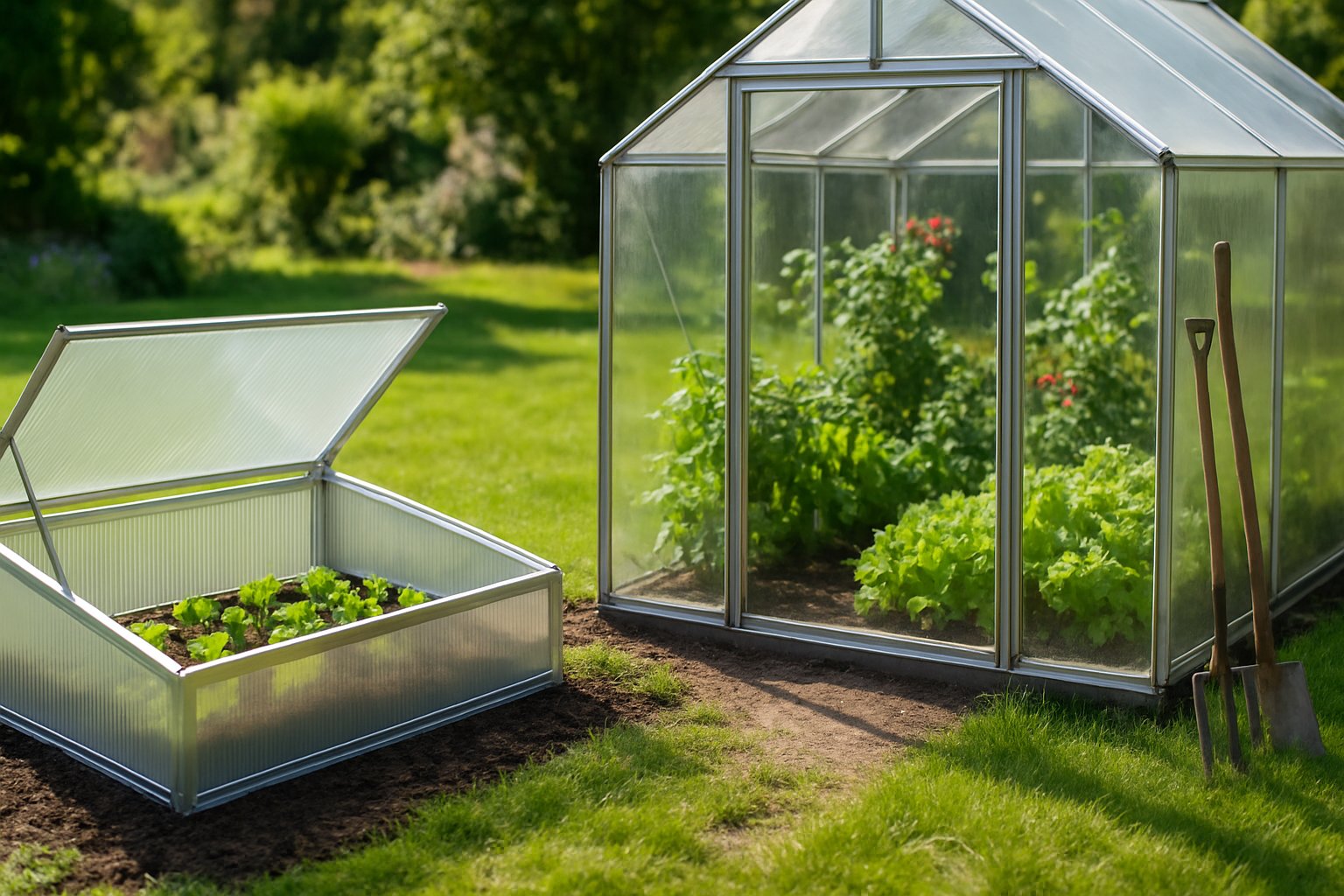
A greenhouse is a structure that lets you grow plants in a controlled environment. Unlike cold frames, greenhouses are usually bigger and give you more room to grow year-round.
You get better temperature control, so you can start seeds, grow tropical stuff, or just garden long after your neighbors have packed it in for the season.
Greenhouse Structures and Types
Greenhouses come in all shapes and sizes. The classic version stands on its own with walls and a roof, but a lean-to greenhouse just attaches to your house or garage.
If space is tight, you can go for a mini greenhouse that fits on a patio or deck. Walk-in greenhouses are tall enough to stand in, usually with shelves along the sides—makes plant care a lot easier.
Hoop houses use flexible pipes or tubes to make a tunnel, and they cost less than a traditional greenhouse. They're handy for covering rows or setting up a quick, temporary growing area.
For newbies, pop-up greenhouses are a no-fuss way to start. Just set one up when you need it and stash it away when you don't.
Greenhouse Coverings and Materials
The type of covering you pick matters—a lot. Glass lets in tons of light but it's pricey and breaks easily, so most people now go with plastic.
Polycarbonate panels last a long time and insulate well, but they cost more upfront. Polyethylene film is budget-friendly, though you'll probably need to replace it every year or two.
Frames come in aluminum (light and rust-proof), wood (looks great but needs upkeep), or PVC (cheap, but not the toughest against heavy snow).
Suitable Plants for Greenhouses
Greenhouses are a dream for plants that crave warmth or a longer season. You can start seeds early for tomatoes and peppers, getting a real jump on the season.
Leafy greens like spinach, lettuce, and kale grow all winter with just a bit of heat. Herbs, especially cilantro and parsley, keep going strong and give you fresh flavors whenever you want.
Tropical plants—think citrus, orchids, or anything that hates frost—actually thrive in a greenhouse. It's kind of wild what you can grow once you take the weather out of the equation.
If you're into homegrown food, a greenhouse lets you keep harvesting way past the usual season. Some folks even use decomposing manure or compost piles to add heat naturally in colder months. Not the fanciest method, but hey, it works.
Key Differences Between Cold Frames and Greenhouses
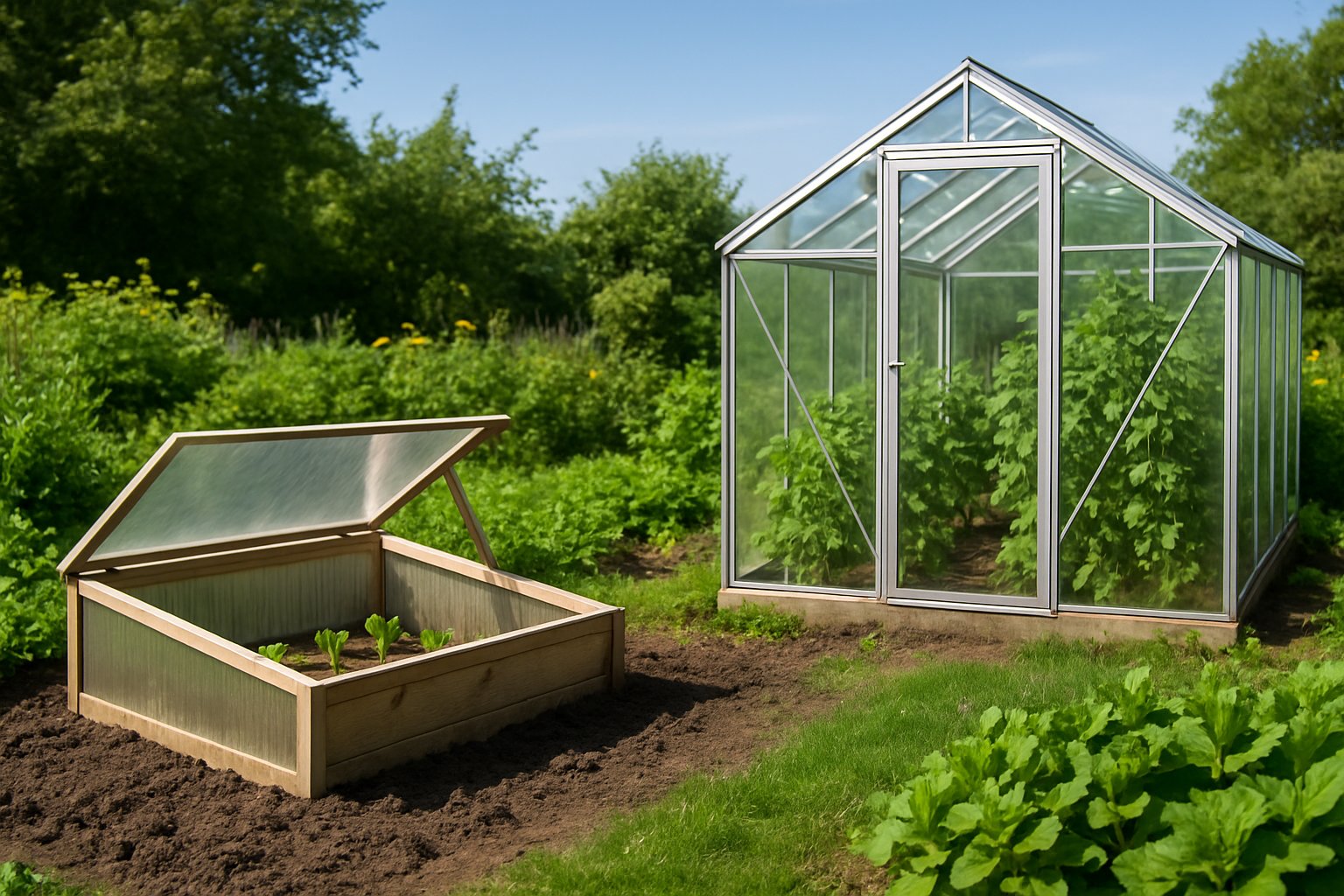
Cold frames and greenhouses both help gardeners get more from their space, but they're not interchangeable. The differences really shape what you can grow—and when.
Temperature Regulation and Insulation
Cold frames give basic frost protection by trapping solar heat during the day and slowly releasing it at night. The inside usually stays 5-10 degrees warmer than outside, but that's about it—no extra heat besides the sun.
Greenhouses, though, take temperature control to another level. Bigger air volume holds heat better, and you can add fans, heaters, or even cooling systems if you want.
Insulation is a big difference too. Cold frames usually have single-pane glass or plastic, while greenhouses often use double-pane or special insulating plastics.
If you're just starting spring seedlings, a cold frame might be all you need. But for growing tropical plants in winter, only a greenhouse with good temperature regulation will pull it off.
Size and Mobility
Cold frames are small—usually no more than 2-3 feet tall. That makes them perfect for moving around the garden or tucking into a corner for a few plants.
Greenhouses, on the other hand, are much larger. You can walk inside, tend your plants in any weather, and create different zones for different crops. Most greenhouses stay put, though some hobby-sized ones can be taken apart if needed.
The price difference is real. You can build a cold frame for $50-200, but even a small greenhouse usually starts at a few hundred bucks and can get expensive fast.
Honestly, a lot of people start with a cold frame or mini greenhouse before diving into a full-size version.
Growing Season Extension
Cold frames are awesome for adding a few extra weeks to your growing season. Start seeds earlier in the spring, or keep greens going after the first frost—easy wins for not much effort.
Greenhouses can change your whole gardening game. With heat, you can grow year-round, even if you live somewhere with tough winters.
That means tomatoes in December or starting summer veggies in February isn't just a dream. You can even grow plants that normally wouldn't stand a chance in your climate—citrus in the north, or tropical flowers in a temperate zone.
For most veggies, a cold frame gives enough protection. But if you want true four-season gardening, only a greenhouse can keep the harvest coming nonstop.
Climate and Light Considerations
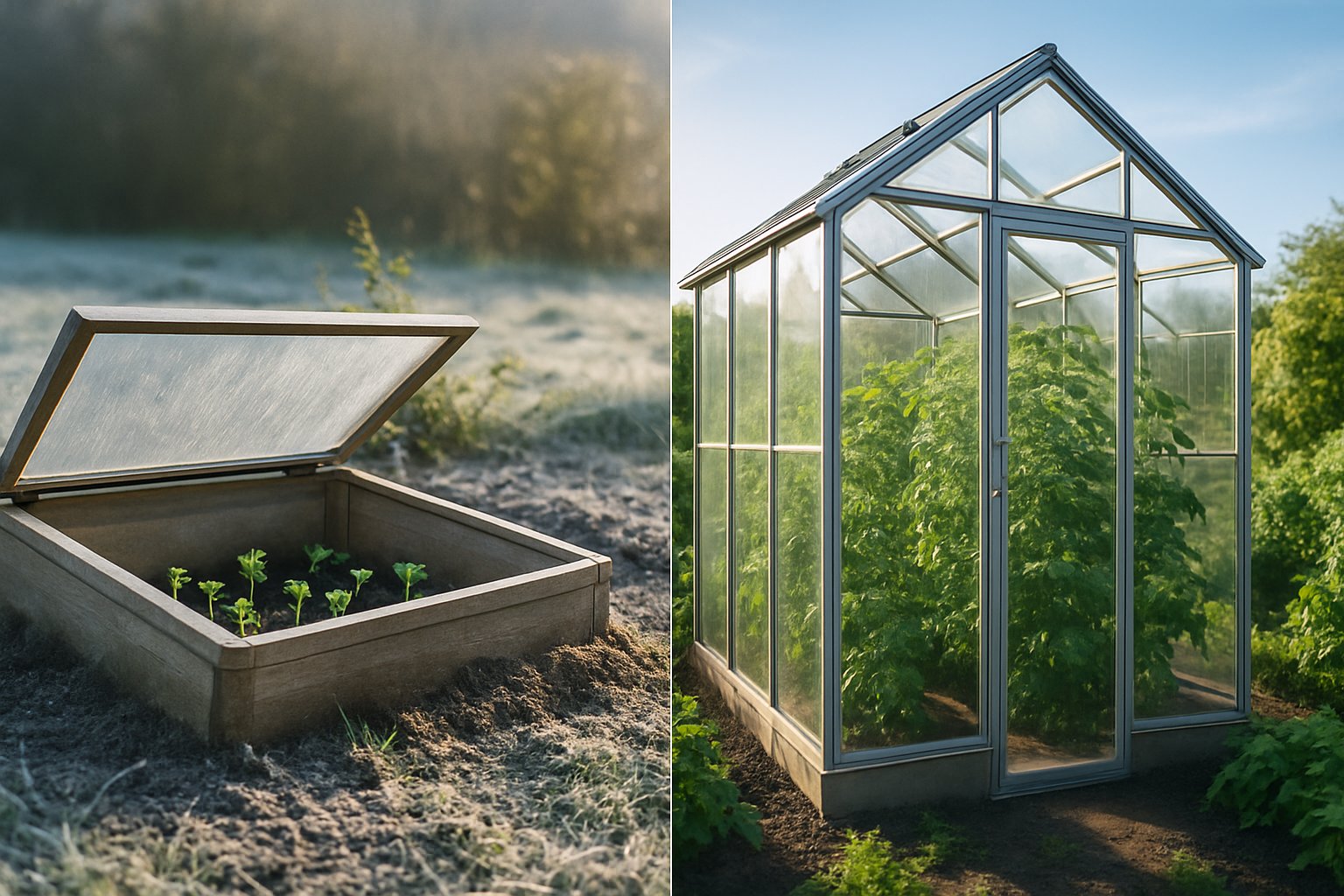
Cold frames and greenhouses both depend on sunlight for good growing conditions. But honestly, they handle climate factors in pretty different ways.
The way each structure deals with light, temperature, and airflow really shapes what you can grow—and when. It's not always as simple as it looks on paper.
Sunlight Exposure and Placement
Cold frames do best with southern exposure. That way, you catch the most sunlight on those short winter days.
If you can, tuck your cold frame against a south-facing wall. The wall will soak up heat during the day and give it back at night, which is honestly a neat little trick.
Greenhouses give you more wiggle room. They still love southern exposure, but their size and design spread sunlight more evenly inside.
Lots of greenhouse owners throw up shade cloth in the summer to keep things from turning into a sauna. Sunlight's great, but too much can be a pain.
Whatever you build, keep it away from trees or big buildings that cast shadows. The sun sits lower in winter, so think about how that changes things throughout the year.
Seasonal Use and Limitations
Cold frames really shine in spring and fall. They can stretch your growing season by a month or so on either end, but they hit their limits fast in extreme weather.
In milder winters, they'll protect hardy veggies like kale and spinach. But if the cold gets brutal, don't expect miracles—temperatures inside drop fast.
Ventilation is a must on sunny days. Even in winter, a closed cold frame can get way too hot if you don't crack the lid for airflow.
Most cold frames have a lid you can prop open. It sounds simple, but it's easy to forget until you see wilted seedlings.
Greenhouses, with the right setup, let you grow year-round. They insulate better and keep temperatures steadier overall.
Many greenhouses have automated vents that pop open when it gets too warm. That keeps air moving and plants happy.
Humidity sneaks up in both setups, but greenhouses especially need solid ventilation to stop moisture from causing disease. It's a constant battle some days.
Ventilation and Air Circulation Needs
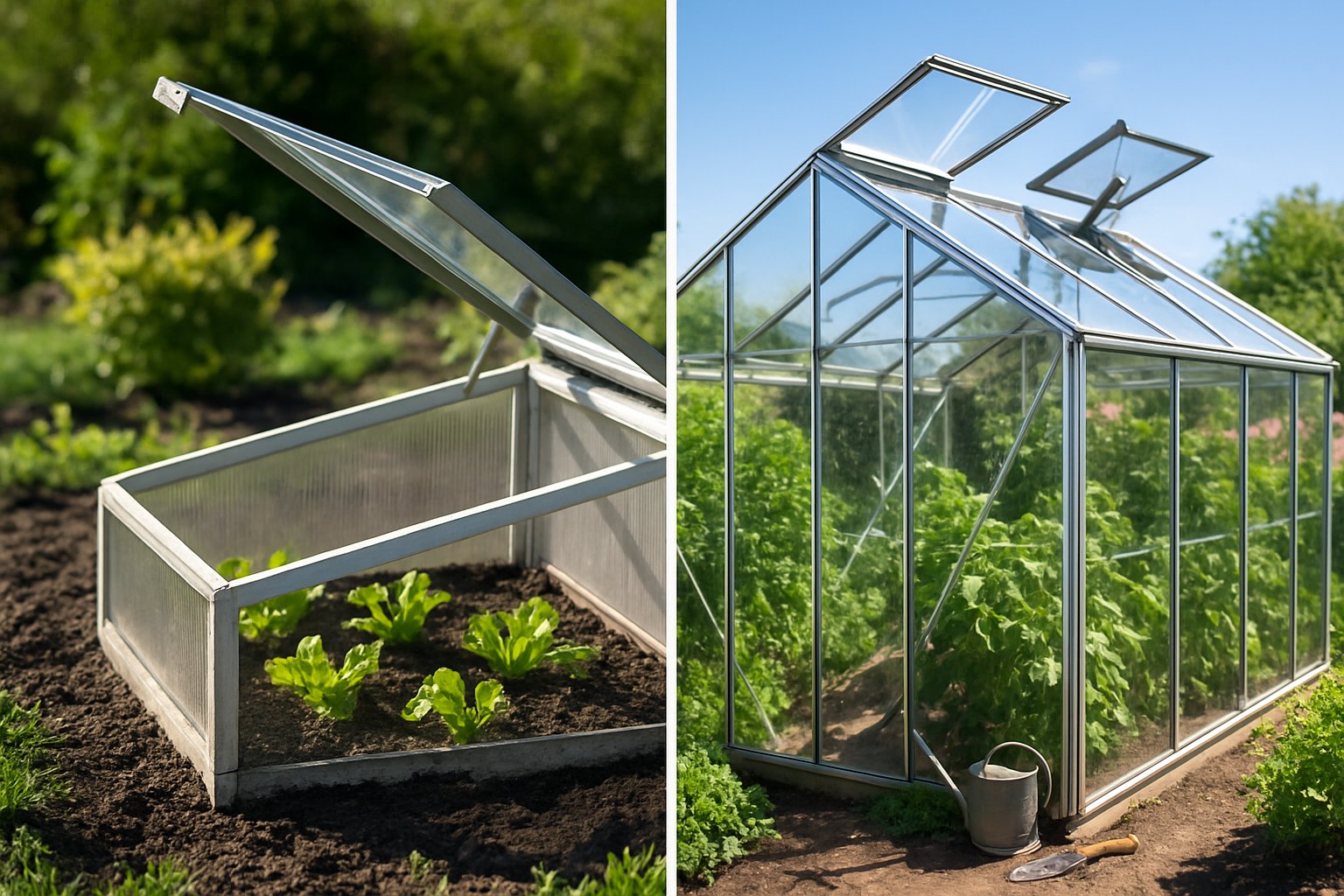
Airflow can make or break your plants in both cold frames and greenhouses. Good ventilation keeps temperatures in check and stops humidity from getting out of hand.
Preventing Mold and Overheating
Cold frames need daily attention for ventilation, especially if the sun's out. Even on chilly days, temps inside can spike fast.
Crack the lid in the morning and adjust as the weather changes. Some folks use stick props, others splurge on automatic vent openers that do the job for you.
Greenhouses are a bit more complicated just because they're bigger. Most have roof vents to let hot air escape, but you'll probably want to add at least one exhaust fan for real airflow.
In smaller greenhouses, a box fan honestly works fine if you're on a budget. I've put fans near the floor to push air around my seedlings, and it's saved them from damping-off more times than I can count.
Adjusting for Temperature Swings
Cold frames swing wildly between day and night temps. On a sunny winter day, it might be 30 degrees warmer inside—until sunset, when the heat disappears fast.
Venting during the day is key, but don't forget to close up tight before it gets cold at night. Forget once, and you'll regret it.
If you're serious about year-round gardening, greenhouses give you better control. Automatic vent openers are totally worth it; they react to heat so you don't have to babysit.
Some gardeners pair those with fans on thermostats for full climate control. It can get a little high-tech, but it pays off.
Spring and fall are tricky. Morning sun can overheat things in a flash, and afternoon clouds can drop temps just as quickly. I keep a thermometer inside my greenhouse with a high/low memory—it's the only way to keep up.
Building Materials and Construction Options
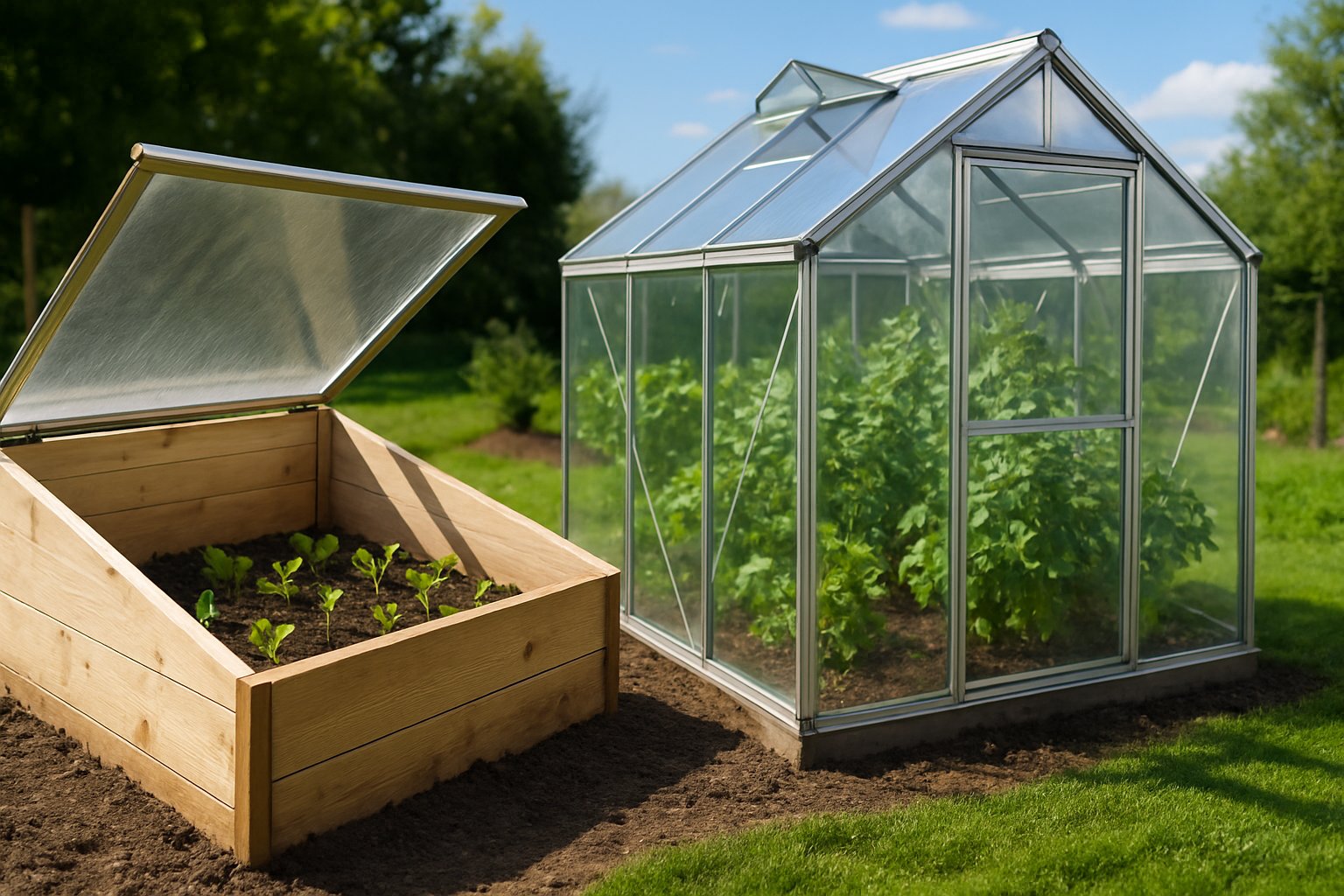
Your choice of materials really shapes how durable, expensive, or effective your structure turns out. Cold frames and greenhouses both have a lot of options, so you can usually find something that fits your budget and needs.
Plastic vs Glass in Cold Frames and Greenhouses
Plastic and glass are the big two for coverings. Plastic—like polyethylene film—is cheap and easy to work with, and you can get greenhouse-grade stuff for maybe a quarter per square foot.
It usually lasts a few years before needing a swap. Glass, on the other hand, insulates better and lasts decades if you don't break it. But it's pricey—think $3-$5 per square foot—and heavy.
Glass lets in more light than plastic but breaks a lot easier. For cold frames, old windows from renovation projects make great covers and you can often snag them for free.
If you're building a greenhouse, polycarbonate panels are a solid compromise. They're tougher than film and not as expensive as glass.
Wire Hoops, Tunnels, and Other Modifications
Wire hoops are a cheap way to stretch your season. You can make simple hoop setups with PVC or metal wire for under $20.
For bigger spaces, low tunnels work nicely. These use:
- 1/2" PVC pipe or 9-gauge wire for hoops
- Row cover fabric or plastic sheeting
- Sandbags or soil pins to hold everything down
Cloches—those little plant domes—are perfect for protecting single plants. You can make them from plastic bottles or buy ready-made versions in glass or plastic.
Some folks take it further, insulating edges and adding automatic vents for better temperature control. I've even seen people put a cold frame inside a greenhouse for a double layer of protection—works wonders for starting seeds in harsh winters.
Managing Temperature and Insulation Strategies
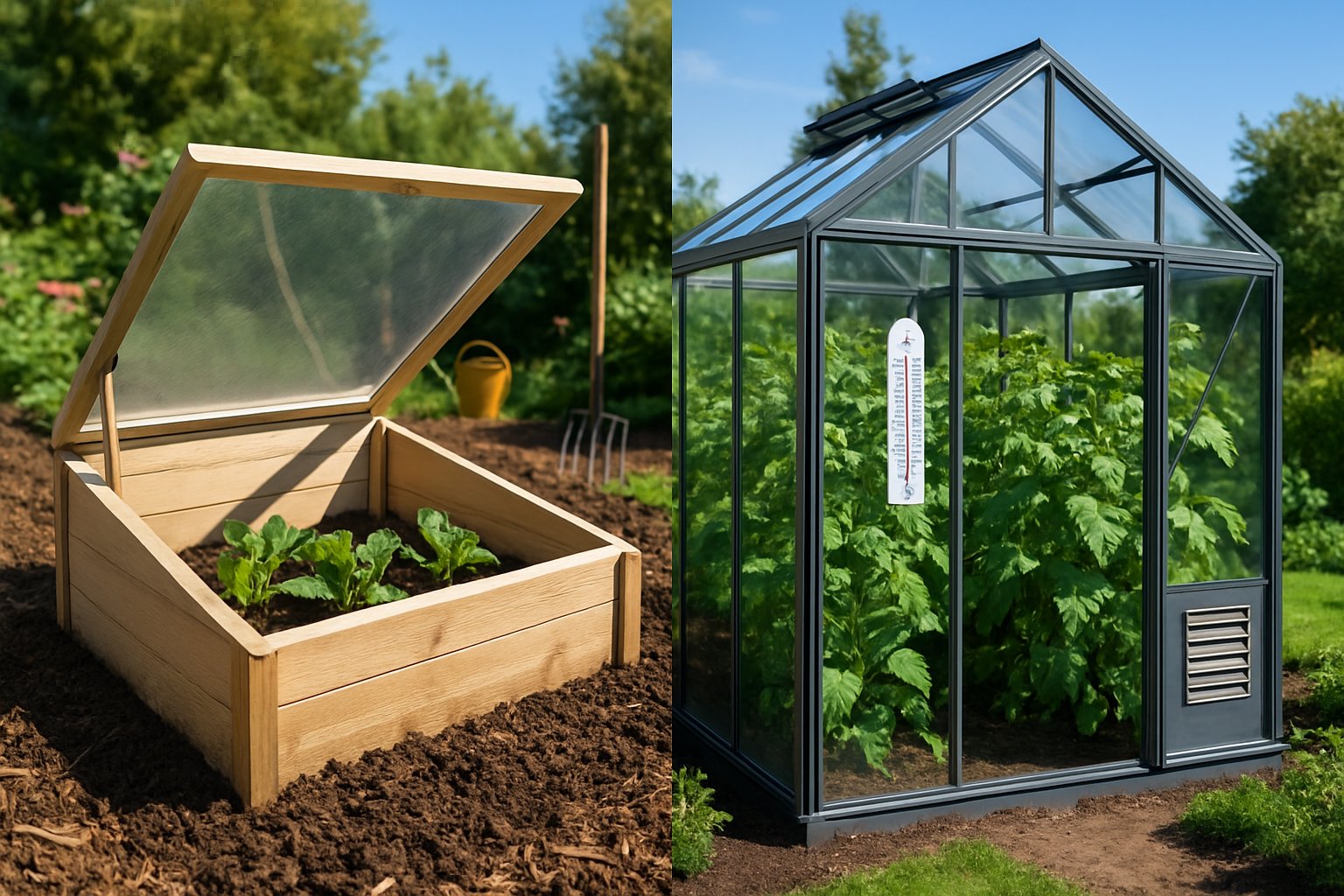
Keeping temperatures steady is everything in cold frames and greenhouses. Insulation and heat management can make the difference between thriving plants and a sad, frostbitten mess.
Using Manure and Hot Beds for Warmth
Hot beds are basically cold frames with a built-in heater—usually fresh manure. Horse manure is the gold standard since it heats up fast as it breaks down.
To make a hot bed, dig out 18-24 inches under your cold frame and fill that space with fresh manure. As it decomposes, the manure releases heat, warming the soil above by 20-30°F. It's like a mini furnace for your seedlings.
You'll need to swap out the manure each season, which is a bit of a chore. Set up your hot bed a couple weeks ahead of planting so it has time to start cooking.
Adding and Maintaining Insulation
Insulation is a game-changer for temperature control. For cold frames, straw bales or bubble wrap around the sides trap heat; old blankets or horticultural fleece work great as covers at night.
Just don't forget to pull the insulation off during sunny days, or you'll turn your plants into soup. A cheap thermometer inside helps you keep tabs on things.
Greenhouses can use black-painted water barrels as thermal mass. They soak up heat by day and let it out at night, smoothing out temperature swings.
Adding weather stripping to doors and panels keeps out drafts. Check for gaps every so often—even a tiny crack can leak out all your hard-earned warmth.
Best Uses for Cold Frames and Greenhouses
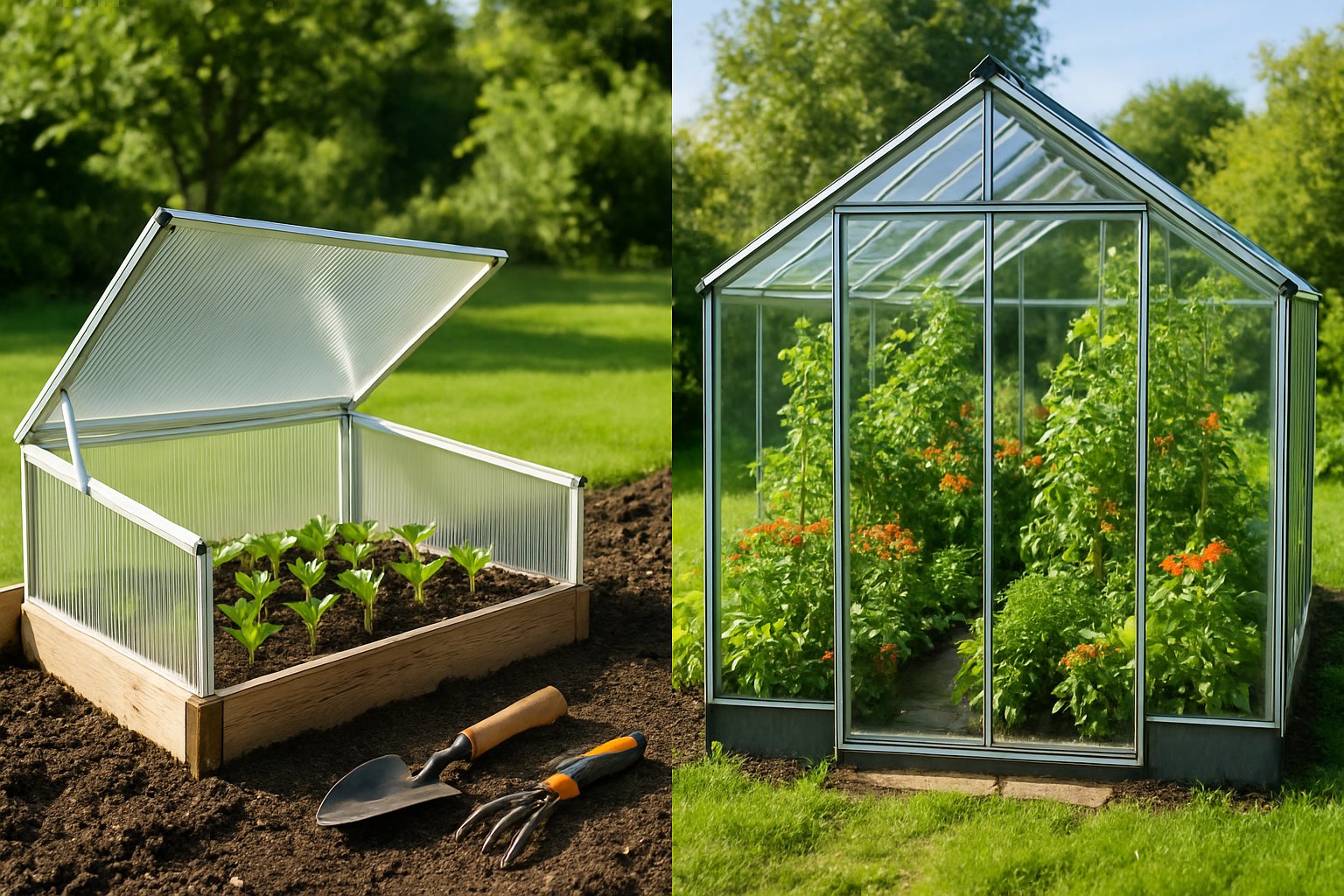
Cold frames and greenhouses both have their sweet spots. If you're looking to squeeze more out of your garden, each one offers unique perks.
Season Extension and Early Sowing
Cold frames are a lifesaver for early planting. You can put in cool-weather crops like spinach, cilantro, and parsley weeks before the last frost.
They soak up solar heat during the day, giving tender seedlings a fighting chance against spring chills.
For folks who want greens into winter, cold frames keep the harvest going in many climates. They're especially handy for leafy veggies that don't need much headroom.
Greenhouses take season extension to a whole new level. With a greenhouse, you can basically create your own climate—grow warm-season crops all year, even if you live somewhere with brutal winters.
The controlled environment lets you start tomatoes and peppers way before they'd survive outdoors. Some folks even manage multiple harvests a year, which is wild compared to regular outdoor gardening.
Hardening Off Seedlings
Cold frames are awesome for hardening off seedlings that started indoors. This step helps them toughen up to wind, sun, and temperature swings.
Set your baby plants in the cold frame for about a week before transplanting. Open the lid a bit more each day so they gradually get used to the real world. It really cuts down on transplant shock.
Greenhouses work as a halfway point between indoors and outside. Move your seedlings in there for stronger light and more controlled conditions before they face the elements.
If you're growing a ton of seedlings, a greenhouse gives you space and better temperature control. It's a lifesaver when late frosts sneak up in the spring.
Cost, Maintenance, and Practical Considerations
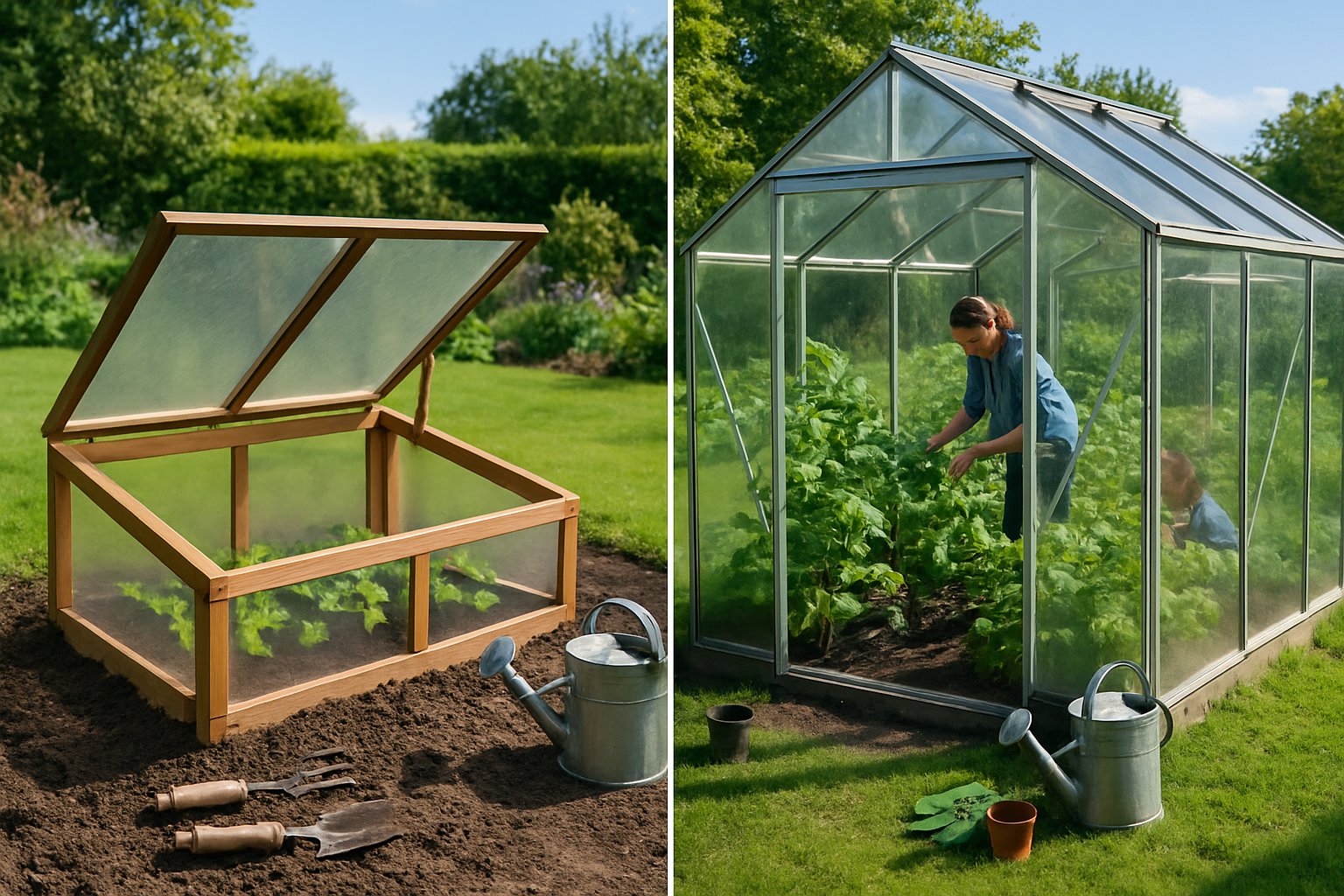
When you’re deciding between a cold frame and a greenhouse, your budget and how much time you’ve got for upkeep matter a lot. Both options bring their own financial quirks and maintenance needs that’ll shape your gardening life, for better or worse.
Initial Setup Costs
Cold frames are hands-down the budget pick, especially if you’re just starting out. You can throw together a basic cold frame for maybe $50-100 if you raid your garage for old windows and scrap wood.
I cobbled my first one together from a beat-up shower door and some leftover cedar—worked just fine! Plenty of folks get creative with recycled stuff, so you don’t have to drop much cash at all.
Greenhouses, though, ask for a heftier investment right out of the gate. Even the smaller hobby kits usually start at $300-500, and if you want something bigger or sturdier, you’re talking $1,000-5,000 or more.
Permanent setups with electricity or plumbing? Yeah, those can really eat up your savings.
Here’s a quick look at typical price ranges:
| Structure | Basic Cost | Premium/Heavy-Duty | | ---------- | ---------- | ------------------ | | Cold Frame | $50-150 | $200-300 | | Greenhouse | $300-500 | $1,000-5,000+ |
Longevity and Care Tips
Cold frames don’t ask for much maintenance, but they usually last about three to five years before you’ll need to fix them up. I mostly just clear snow in winter, crack the lid for ventilation when it gets warm, and sometimes fix a hinge or swap out the cover.
Honestly, I check mine once a week during the busy season, and that’s usually enough.
Greenhouses are a bit more needy, but with some TLC, they can stick around for decades. The heavy-duty ones with metal frames and glass? Those are built to last.
Daily, you’ll want to keep an eye on temperature, humidity, and make sure the air’s moving. Once in a while, you’ll need to clean the panels, check seals, and look over the whole structure for any issues.
For both setups, regular cleaning makes a difference. I always try to clear out plant debris and wipe everything down between seasons, especially in those damp corners where trouble likes to start.
It’s smart to keep an eye on the weather, too. With cold frames, you have to open or close them by hand, while a lot of greenhouses come with automatic vents—though those need a quick test now and then to be sure they’re still doing their job.
Frequently Asked Questions
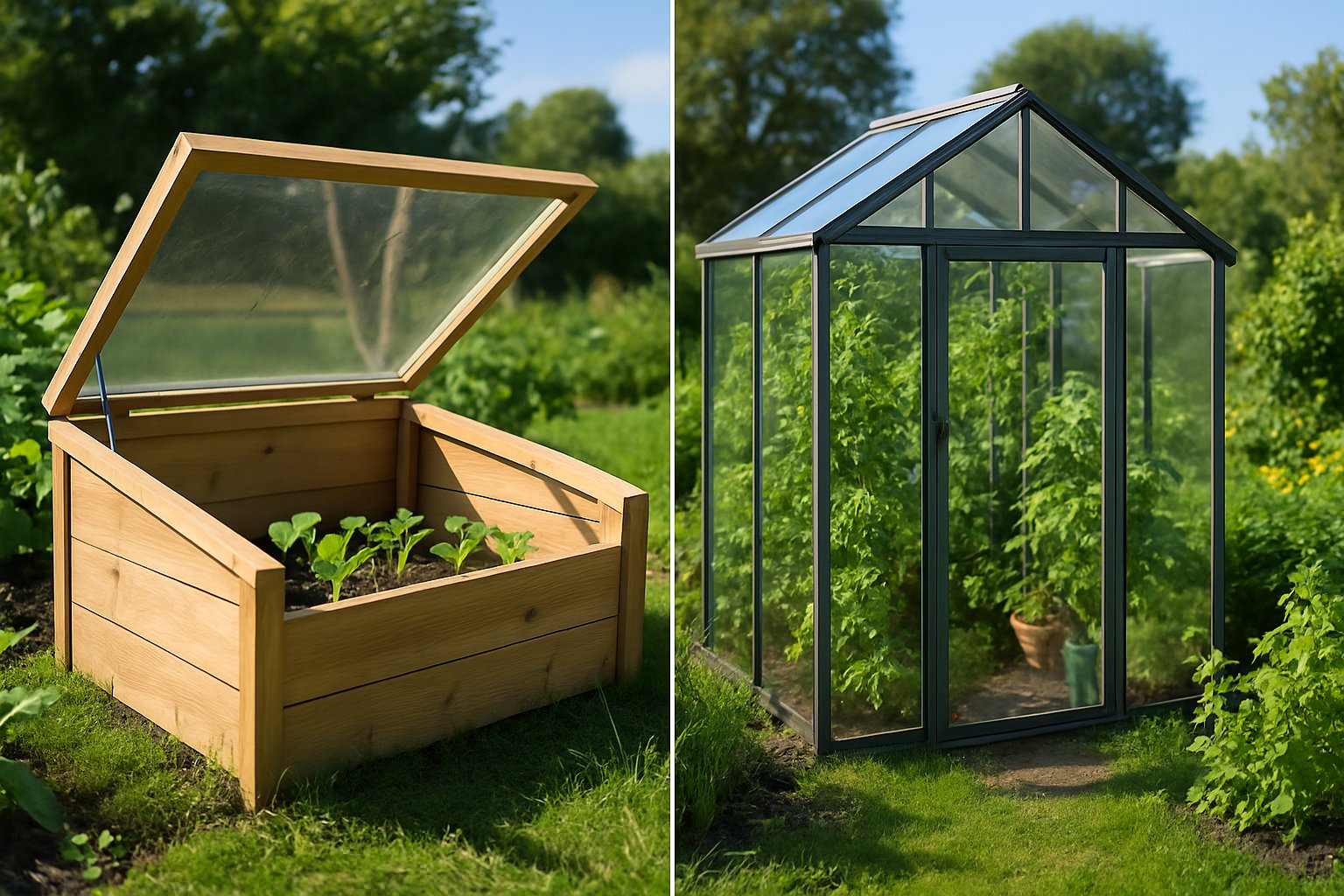
People ask a lot about cold frames versus greenhouses, especially if they’re itching to stretch their growing season. Maybe these answers will clear things up—or at least give you something to chew on.
What are the key differences between a cold frame and a full-sized greenhouse?
Cold frames are short, boxy things that sit right on the ground with a slanted clear lid. They mostly just use the sun’s heat and don’t give you much space.
Greenhouses, though, are bigger and you can actually walk inside. They’ve got walls and a roof—glass or plastic—and you get a lot more control over temperature and humidity.
Really, it’s about scale and control. Greenhouses let you garden all year in a managed space, while cold frames are more for squeezing out a longer spring or fall.
Can you discuss the pros and cons of using a cold frame compared to a traditional greenhouse?
Cold frames win on price, simplicity, and how little fuss they need. You can move them around, skip the electricity, and they’re perfect for toughening up seedlings or growing cool crops.
Downsides? Not much room, less climate control, and you’ll be crouching or kneeling a lot. They also don’t stand up to really nasty weather.
Greenhouses, meanwhile, mean year-round growing, better control over everything, and you get to stand up while you work. But you’ll pay more, they’re not going anywhere once installed, and there’s always some maintenance—sometimes even heating bills to worry about.
How does the cost of setting up a cold frame compare with installing a greenhouse?
Cold frames are way cheaper—usually $50-$200 if you DIY with old windows, and even the fanciest store-bought ones rarely break $300.
Greenhouses start at $500 for the smallest kits and climb fast if you want more space or features. Don’t forget about possible heating costs—those can sneak up on you.
Day-to-day costs are different too. Greenhouses might need power for heat, fans, or watering, but cold frames basically run for free once you set them up.
Could you provide advice on whether it's worth investing in a cold frame for a beginner gardener?
I’d say go for it if you’re new! Cold frames are a great way to dip your toes into season extension without breaking the bank.
You’ll pick up skills like temperature juggling, timing, and figuring out which plants can handle a little chill. If you ever move up to a greenhouse, you’ll be glad you learned the ropes first.
Just start with a simple DIY frame—old window, clear plastic, whatever you’ve got. Use it for early seedlings or keep lettuce and spinach going late into the year, especially if your winters aren’t too brutal.
In what ways can a cold frame be adapted for use as a miniature greenhouse?
Prop the lid open on warm days to let out excess heat. If you're feeling fancy, toss in an automatic vent opener—they'll kick in when the temperature rises.
Set up a small heating mat or tuck soil cables at the base. That extra warmth on cold nights really shifts a cold frame into "mini greenhouse" territory.
Try layering materials inside for better results. Water jugs soak up heat during the day, then give it back at night, while row covers tossed over your plants add another shield against the chill.