
Sierra Greenhouse Insights
Build Vertical NFT Walls for High Yield Cucumbers
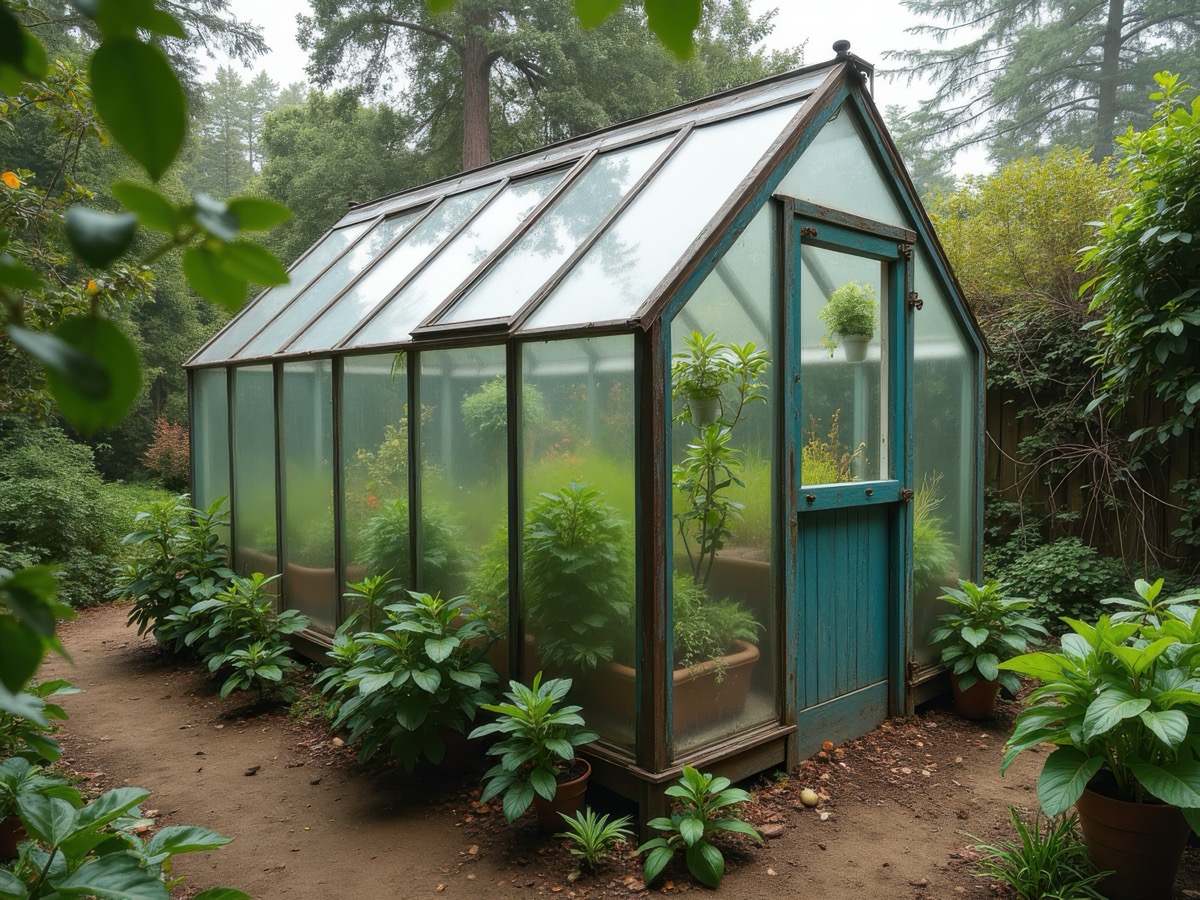
Vertical Nutrient Film Technique (NFT) systems revolutionize cucumber production by maximizing greenhouse space while maintaining the continuous nutrient flow these heavy feeders demand. This detailed guide walks through constructing efficient vertical NFT walls specifically optimized for cucumber cultivation, addressing unique challenges of supporting vine crops in vertical configurations. For broader vertical growing strategies, see our guide on stacking hydroponic racks.
Understanding NFT for cucumber production
Why NFT excels with cucumbers
Cucumbers thrive in NFT systems due to constant access to highly oxygenated nutrient solutions promoting rapid growth and heavy fruit production. The thin nutrient film maintains ideal moisture levels while preventing root diseases common in standing water systems.
Continuous flow delivers fresh nutrients while removing metabolic waste products that accumulate around active root zones. This dynamic environment supports cucumber plants' high metabolic rates during peak production periods.
Temperature control becomes easier as flowing solutions regulate root zone temperatures preventing stress during weather extremes. Cool nutrient solutions during summer heat waves maintain productivity when soil-based systems struggle.
Vertical adaptation challenges
Traditional horizontal NFT works excellently for cucumbers, but vertical configurations require engineering solutions for plant support and fruit weight. Mature cucumber plants with full fruit loads can exceed 30 pounds requiring robust mounting systems.
Nutrient flow rates need careful calibration ensuring adequate delivery to upper channels without creating excessive flow in lower sections. Gravity assists drainage but complicates uniform nutrient distribution across multiple levels.
Access for training, pruning, and harvesting becomes critical in vertical systems where plants grow sideways from wall-mounted channels. Design considerations must prioritize worker safety and efficiency throughout the growing cycle.
System design and construction
Channel specifications and spacing
Select NFT channels 4-6 inches wide accommodating cucumber's extensive root systems while maintaining proper flow characteristics. Wider channels prevent root matting that restricts nutrient movement in narrower designs.
Space channels vertically 24-30 inches apart providing room for lateral vine growth and fruit development. Closer spacing increases plant density but complicates management and reduces individual plant yields.
Install channels at 1-2% slope ensuring consistent flow without creating rushing water that damages young roots. Precise leveling during installation prevents dry spots or pooling that compromise system performance.
Support structure engineering
Build primary frames from 2-inch square galvanized steel tubing supporting 150+ pounds per 8-foot section when fully loaded. Cucumber vines with mature fruit create substantial weight requiring overbuilt support systems.
Anchor frames to greenhouse structure or concrete footings preventing tipping when loaded asymmetrically. Wind loads on vine-covered walls create additional stress requiring secure mounting points.
Include horizontal support wires or trellis netting every 12 inches above channels guiding vine growth and supporting fruit weight. Stainless steel cable or galvanized wire resists corrosion in humid greenhouse environments.
Plumbing and flow distribution
Design manifold systems delivering equal flow to all channels regardless of vertical position. Use pressure-compensating emitters or flow restrictors ensuring uniform distribution across height differences.
Size supply pumps for total system flow plus 25% safety margin accounting for biofilm buildup over time. Calculate 0.5-1.0 gallons per minute per channel for mature cucumber plants during peak demand.
Install bypass valves on each channel level enabling maintenance without shutting down entire walls. Quick disconnects facilitate channel cleaning or replacement during crop transitions.
Nutrient management specifics
Cucumber-optimized formulations
Maintain electrical conductivity (EC) between 2.2-2.8 mS/cm supporting vigorous growth without causing tip burn. Cucumbers tolerate moderately high salt levels when properly balanced with calcium and potassium.
Adjust pH to 5.8-6.2 optimizing nutrient availability for cucumber's specific uptake patterns. Automated pH controllers maintain stability as plants consume nutrients altering solution chemistry.
Increase potassium levels during fruit development supporting size and quality. Ratios of 1:1.5:2 (N:P:K) during fruiting optimize yield and flavor in greenhouse cucumbers.
Reservoir sizing and management
Calculate reservoir capacity at 2-3 gallons per plant minimum ensuring stable nutrient concentrations between mixing events. Larger reservoirs buffer against rapid pH and EC shifts during heavy feeding periods.
Position reservoirs below lowest channels utilizing gravity return flow reducing pump requirements. Covered tanks prevent algae growth while maintaining cooler solution temperatures.
Install float valves maintaining consistent volume as plants consume water. Automatic top-off systems using RO water prevent mineral accumulation over time.
Solution monitoring and adjustment
Place sensors at multiple points monitoring flow characteristics throughout vertical systems. Upper channels may experience different conditions than lower levels requiring targeted adjustments.
Implement automated dosing systems maintaining optimal parameters as consumption varies with crop stage and environmental conditions. Precision control maximizes yields while minimizing nutrient waste.
Document solution changes correlating adjustments with yield and quality outcomes. Data-driven management improves system performance over successive crop cycles.
Crop management in vertical systems
Training techniques for lateral growth
Guide main stems horizontally along support wires training growth parallel to NFT channels. This orientation maximizes light interception while keeping fruit accessible for harvest.
Remove lower leaves progressively improving air circulation and redirecting energy to fruit production. Maintain 15-18 leaves per plant for optimal photosynthesis supporting heavy fruit loads.
Pinch lateral shoots maintaining single-stem plants simplifying management in confined vertical spaces. European greenhouse cucumber varieties respond well to single-stem training systems.
Pollination considerations
Select parthenocarpic (seedless) varieties eliminating pollination requirements in vertical systems where bee access may be limited. Modern greenhouse varieties produce exclusively female flowers setting fruit without pollination.
If growing seeded varieties, hand pollination ensures fruit set when natural pollinators struggle navigating vertical configurations. Battery-powered pollination wands speed this process in commercial operations.
Maintain temperatures between 65-75°F during flowering optimizing fruit set. Temperature stress during pollination causes misshapen fruit reducing marketable yields.
Pruning for continuous production
Implement umbrella training systems where stems arch over support wires then grow downward. This technique maintains manageable plant height while extending harvest periods.
Remove spent leaves weekly preventing disease buildup in dense vertical canopies. Clean cuts with sanitized tools reduce infection risks in humid environments.
Harvest fruit at optimal size (8-10 inches for slicers) preventing over-mature fruit from reducing continued production. Frequent harvesting stimulates new flower development maintaining yields.
Environmental optimization
Light distribution strategies
Install supplemental LED lighting compensating for shading in vertical configurations. Position lights to illuminate from multiple angles ensuring even coverage across wall surfaces. Learn about advanced LED interlighting strategies for vertical systems.
Select full-spectrum LEDs providing 200-300 μmol/m²/s at plant level for optimal cucumber growth. Higher intensities increase yields but must balance with economic returns.
Implement photoperiod control providing 14-16 hour days maximizing growth rates. Automated controls adjust timing seasonally maintaining consistent daily light integrals.
Air circulation patterns
Create horizontal airflow across vertical walls preventing microclimates in dense canopies. Oscillating fans every 20-30 feet maintain air movement without causing excessive transpiration. For automated environmental control, explore our greenhouse automation guide.
Direct airflow parallel to walls rather than perpendicular preventing physical damage to vines and developing fruit. Gentle continuous movement strengthens plants while preventing disease.
Monitor humidity levels at multiple heights as transpiration from vertical walls creates moisture gradients. Target 60-70% relative humidity balancing disease prevention with optimal growth.
Temperature management
Maintain day temperatures of 75-82°F and night temperatures of 65-68°F optimizing cucumber metabolism. Vertical systems may experience temperature stratification requiring zone-specific controls.
Install shade systems preventing excessive heat buildup on south-facing walls during summer months. Automated screens deploy based on temperature and light sensors maintaining optimal conditions.
Use thermal mass reservoirs moderating temperature swings while storing heat for night release. Large nutrient reservoirs provide this benefit while serving primary system functions.
Troubleshooting common issues
Root health management
Monitor for pythium and other root diseases thriving in continuously moist conditions. Prevent issues through proper flow rates maintaining thin films rather than flooded channels.
Add beneficial microorganisms like Trichoderma harzianum competing with pathogens while promoting root health. Inoculate seedlings before transplanting establishing protective populations.
Clean channels thoroughly between crops removing biofilm harboring pathogens. Hydrogen peroxide or quaternary ammonium sanitizers effectively clean while breaking down safely.
Nutrient deficiency patterns
Watch for interveinal chlorosis indicating iron deficiency common when pH drifts above 6.5. Chelated iron supplements correct quickly while pH adjustment prevents recurrence.
Blossom end rot signals calcium deficiency often caused by inconsistent water availability rather than absolute deficiency. Maintain steady flow rates preventing periodic drought stress.
Older leaf yellowing progressing upward indicates nitrogen mobility to new growth. Increase overall EC or nitrogen percentage supporting both vegetative growth and fruit development.
Pest management in vertical systems
Spider mites thrive in vertical systems where spray coverage becomes challenging. Release predatory mites preventively establishing control before populations explode.
Install yellow sticky cards at multiple heights monitoring whitefly and aphid populations. Vertical placement reveals pest distribution patterns guiding targeted interventions.
Design systems facilitating thorough spray coverage when treatments become necessary. Removable panels or rotating walls improve access for pest management applications.
Yield expectations and economics
Production potential
Well-managed vertical NFT cucumber systems yield 40-60 pounds per plant over 4-month crop cycles. This translates to 2-3 pounds per square foot of greenhouse floor space in double-wall configurations.
Premium varieties command $2-4 per pound in local markets justifying infrastructure investments. Year-round production in controlled environments captures highest prices during off-seasons.
Succession planting maintains continuous harvest maximizing revenue from installed systems. Overlap young plants with mature crops ensuring no production gaps.
Cost-benefit analysis
Initial installation costs range $25-40 per square foot of growing surface including channels, support structures, and plumbing. Automated controls add $5-10 per square foot but reduce labor significantly.
Operating costs include nutrients ($0.02-0.03 per plant per week), electricity for pumps and lights ($0.50-1.00 per square foot monthly), and labor for training and harvesting.
Payback periods typically span 18-24 months based on premium pricing for locally grown hydroponic cucumbers. Extended growing seasons in greenhouses accelerate returns compared to field production. Understand the full economics of vertical expansion.
Scaling considerations
Start with single wall sections proving system design before major expansion. Refine management techniques on smaller scale reducing risks in larger investments.
Modular construction enables gradual expansion as markets develop and experience accumulates. Standardized components simplify maintenance and future modifications.
Plan infrastructure for ultimate build-out installing adequate electrical service and plumbing capacity initially. Retrofitting becomes expensive and disruptive once systems operate at capacity.
Vertical NFT walls transform greenhouse cucumber production from sprawling horizontal operations to efficient vertical systems tripling yields per square foot. Success requires careful attention to support structures, nutrient management, and environmental controls specific to vine crops in vertical orientations. The investment in properly designed systems returns dividends through premium yields of high-quality cucumbers commanding top market prices throughout the year.