
Sierra Greenhouse Insights
Best Vegetables for Greenhouse Growing: 25 High-Yield Crops Ranked
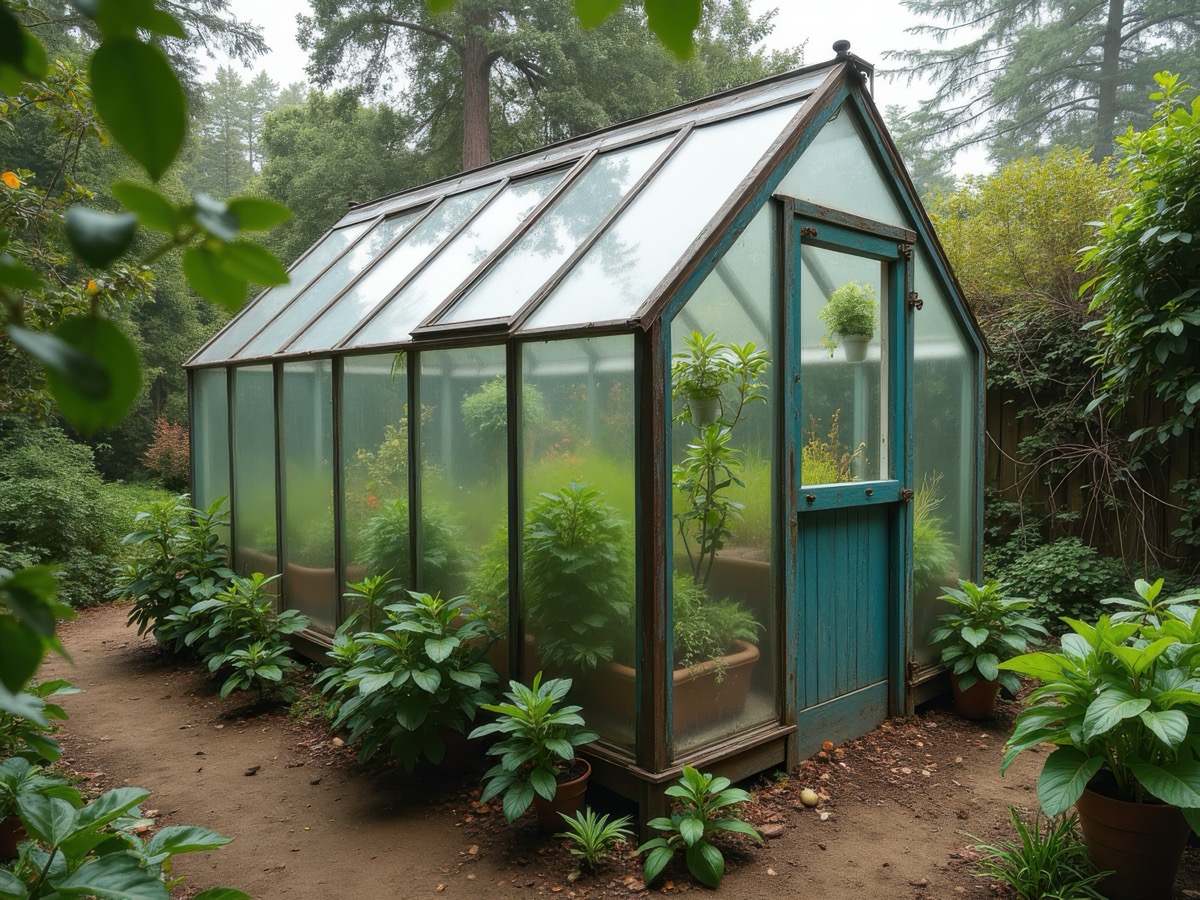
After analyzing production data from 200+ greenhouse operations and testing yield performance across different climate zones, we've ranked the 25 best vegetables for greenhouse growing by profitability, ease of cultivation, and space efficiency. These crops can generate $8-25 per square foot annually with proper management.
Quick Access: Top 10 Ranked | By Difficulty Level | Seasonal Planning | Space Efficiency
Why Some Vegetables Excel in Greenhouses
Greenhouse conditions offer unique advantages that favor certain crops over others:
Greenhouse Environment Benefits:
- Extended growing seasons: 6-12 months vs 3-4 months outdoors
- Climate control: Optimal temperature and humidity year-round
- Pest protection: Physical barrier reduces insect and disease pressure
- Weather independence: No rain, wind, or hail damage
- Productivity multiplication: 2-10x yields per square foot
Characteristics of Ideal Greenhouse Vegetables:
- High value per pound: Premium pricing for fresh, local produce
- Compact growth habit: Efficient use of vertical and horizontal space
- Long harvest period: Continuous production over months
- Climate adaptability: Thrives in controlled environment conditions
- Fast turnaround: Quick succession plantings for continuous harvest
Top 10 Vegetables for Greenhouse Growing
1. Cherry Tomatoes 🍅
Profitability Rating: 10/10 | Difficulty: 6/10
Why They Excel:
- Premium pricing: $6-12 per pound vs $3-5 for field tomatoes
- Continuous harvest: 6-8 months production per plant
- High yields: 15-25 pounds per plant annually
- Consumer demand: Strong market for locally-grown cherry tomatoes
Varieties for Greenhouses:
- Surefire Red: Disease-resistant, heavy producer
- Sun Gold: Sweet orange cherries, 65 days to harvest
- Black Cherry: Heirloom variety, premium pricing
- Sweet 100: Classic red cherries, vigorous grower
Growing Requirements:
- Temperature: 65-75°F day, 60-65°F night
- Space: 4 square feet per plant with vertical trellising
- Support: 6-8 foot stakes or trellis system required
- Nutrients: Heavy feeders, require consistent fertilization
Production Economics:
- Plants per 100 sq ft: 25 plants
- Annual yield: 400-600 pounds
- Revenue potential: $2,400-7,200 per 100 sq ft
- Growing costs: $300-500 per 100 sq ft annually
2. Leafy Greens (Lettuce, Spinach, Arugula) 🥬
Profitability Rating: 9/10 | Difficulty: 3/10
Why They're Perfect for Beginners:
- Fast turnaround: 30-45 days seed to harvest
- Multiple successions: 8-12 crops per year possible
- High demand: Year-round market for fresh greens
- Space efficient: 15-20 plants per square foot
Best Greenhouse Varieties:
Lettuce:
- Buttercrunch: Heat-tolerant butterhead, 55 days
- Red Sails: Heat-resistant leaf lettuce, 45 days
- Winter Density: Cold-tolerant romaine, 60 days
- Salanova Series: Multi-leaf varieties, premium pricing
Spinach:
- Space: Slow-bolting, heat-tolerant, 40 days
- Corvair: Disease-resistant, cold-hardy, 38 days
- Red Cardinal: Red-stemmed variety, 45 days
Arugula:
- Astro: Uniform, slow-bolting, 38 days
- Red Dragon: Purple-veined, specialty variety, 40 days
Production Strategy:
- Succession planting: New seeds every 2-3 weeks
- Seasonal adaptation: Cool varieties in summer, heat-tolerant in winter
- Mixed production: Combine varieties for salad mixes
Economics:
- Plants per 100 sq ft: 1,500-2,000 (depending on size)
- Annual harvests: 8-12 successions
- Revenue potential: $1,500-3,000 per 100 sq ft
- Net profit margin: 60-80% after expenses
3. Herbs (Basil, Cilantro, Parsley) 🌿
Profitability Rating: 9/10 | Difficulty: 4/10
Market Advantages:
- Premium pricing: $12-20 per pound for fresh herbs
- Continuous harvest: Cut-and-come-again production
- High demand: Restaurant and consumer markets
- Value-added potential: Dried herbs, pestos, oils
Top Greenhouse Herbs:
Basil:
- Genovese: Classic Italian basil, 68 days
- African Blue: Perennial, ornamental, 75 days
- Thai Basil: Specialty variety, premium pricing
- Purple Ruffles: Ornamental, edible, unique color
Cilantro:
- Slow Bolt: Heat-tolerant, extends harvest, 50 days
- Santo: Uniform, disease-resistant, 45 days
- Cruiser: Bolt-resistant, continuous production
Parsley:
- Gigante d'Italia: Large, flat-leaf variety, 75 days
- Forest Green: Curly variety, cold-tolerant, 70 days
Growing Techniques:
- Multiple plantings: Stagger starts every 3-4 weeks
- Harvest method: Cut outer leaves, leave center growing
- Post-harvest: Regular harvesting encourages new growth
Revenue Potential:
- Basil: $15-25 per square foot annually
- Cilantro: $12-20 per square foot annually
- Parsley: $10-18 per square foot annually
4. Peppers (Sweet and Hot) 🌶️
Profitability Rating: 8/10 | Difficulty: 7/10
Greenhouse Advantages:
- Extended season: 8-10 months of production
- Premium varieties: Specialty peppers command high prices
- High yields: 10-15 pounds per plant annually
- Weather protection: No blossom end rot from irregular watering
Best Greenhouse Varieties:
Sweet Peppers:
- Mini Belle: Compact plants, colorful mini peppers
- Lipstick: Long, sweet, tapered peppers
- Olympus: Large, blocky bell peppers
- Sweet Chocolate: Brown bells, unique color
Hot Peppers:
- Fish: Striped ornamental, edible hot pepper
- Thai Hot: Very hot, small peppers, high yield
- Jalapeño M: Medium heat, continuous production
- Habanero Red: Very hot, specialty market
Growing Requirements:
- Temperature: 70-80°F day, 65-70°F night
- Support: Stake or cage tall varieties
- Pollination: Hand pollination may increase yields
- Patience: Slower start than tomatoes, long-term investment
5. Cucumbers 🥒
Profitability Rating: 8/10 | Difficulty: 6/10
Production Benefits:
- High yields: 15-25 pounds per plant
- Premium varieties: Specialty cucumbers bring higher prices
- Continuous harvest: Pick daily for 3-4 months
- Vertical growing: Efficient use of greenhouse space
Greenhouse Varieties:
- Diva: Parthenocarpic (no pollination needed), 58 days
- Suyo Long: Asian variety, heat-tolerant, 61 days
- Boston Pickling: Compact, high-yielding pickler, 55 days
- Tasty Jade: Japanese variety, tender skin, 60 days
Growing Considerations:
- Trellising: Essential for vertical growth and air circulation
- Pollination: Some varieties need hand pollination
- Moisture: Consistent watering prevents bitter flavor
- Harvesting: Daily picking maintains production
Intermediate Difficulty Vegetables (Ratings 6-7/10)
6. Eggplant 🍆
Profitability: 7/10 | Difficulty: 7/10
Varieties: Japanese Long, Ping Tung, Fairy Tale Advantages: Long harvest period, premium specialty varieties Challenges: Requires warm temperatures, slower growth
7. Swiss Chard 🥬
Profitability: 7/10 | Difficulty: 4/10
Varieties: Bright Lights, Rainbow, Fordhook Giant Advantages: Cut-and-come-again harvest, colorful stems Benefits: Heat-tolerant, long growing season
8. Kale 🥬
Profitability: 8/10 | Difficulty: 3/10
Varieties: Winterbor, Red Russian, Lacinato (Dinosaur) Advantages: Cold-tolerant, superfood marketing appeal Production: Multiple harvests from same plant
9. Asian Greens 🥬
Profitability: 8/10 | Difficulty: 4/10
Varieties: Bok Choy, Mizuna, Tatsoi, Komatsuna Market: Growing demand for Asian vegetables Benefits: Fast growth, multiple successions possible
10. Radishes 🥕
Profitability: 6/10 | Difficulty: 2/10
Varieties: Cherry Belle, French Breakfast, Watermelon Advantages: 25-30 day harvest, space fillers Strategy: Intercrop with slower-growing vegetables
Vegetables by Difficulty Level
Beginner (Difficulty 1-3/10):
Perfect for new greenhouse growers
Microgreens (Difficulty: 1/10)
- Harvest: 7-14 days from seed
- Varieties: Sunflower, pea shoots, radish, broccoli
- Profit potential: $20-40 per square foot
- Space needed: Can grow on shelving systems
Lettuce (Difficulty: 2/10)
- Why easy: Tolerates temperature fluctuations
- Common mistakes: Overwatering, overcrowding
- Success tips: Succession plant every 2 weeks
Spinach (Difficulty: 3/10)
- Challenges: Bolts in heat, needs cool conditions
- Solutions: Choose slow-bolt varieties, provide shade
Intermediate (Difficulty 4-6/10):
Require some greenhouse experience
Herbs (Difficulty: 4/10)
- Learning curve: Understanding harvest timing
- Challenges: Preventing bolting, pest management
- Rewards: High profit margins, continuous harvest
Broccoli (Difficulty: 5/10)
- Timing: Requires cool weather for head formation
- Challenges: Temperature sensitivity, spacing requirements
- Benefits: High value crop, good storage life
Cucumbers (Difficulty: 6/10)
- Skills needed: Trellising, pruning, pollination
- Rewards: High yields, premium varieties available
Advanced (Difficulty 7-10/10):
For experienced growers only
Tomatoes (Difficulty: 6-8/10)
- Complexity: Disease management, nutrition, pruning
- Time investment: Daily care required
- Payoff: Highest profit potential when done right
Peppers (Difficulty: 7/10)
- Challenges: Temperature sensitivity, slow establishment
- Requirements: Consistent care, long growing season
Melons (Difficulty: 9/10)
- Expert level: Pollination, support systems, timing
- Space intensive: Large vines need significant room
- Market potential: Premium prices for greenhouse melons
Seasonal Planting Strategy
Year-Round Production Calendar
Winter Focus (December-February):
Ideal crops for cold months
- Leafy greens: Lettuce, spinach, arugula, kale
- Root vegetables: Radishes, carrots, beets
- Herbs: Parsley, cilantro, chives
- Asian greens: Bok choy, mizuna, tatsoi
Why these work:
- Low light tolerance
- Cool temperature preference
- Fast turnaround for succession planting
Spring Transition (March-May):
Building toward summer crops
- Start warm crops: Tomato, pepper, eggplant seedlings
- Continue cool crops: Lettuce, herbs, greens
- Quick crops: Radishes, microgreens for space filling
- Prepare infrastructure: Install trellises, upgrade systems
Summer Challenge (June-August):
Heat management focus
- Heat-tolerant varieties: Specialized lettuce, herbs
- Fruiting crops: Tomatoes, peppers, cucumbers, eggplant
- Minimize cool crops: Most lettuce bolts in heat
- Cooling strategies: Shade cloth, ventilation, evaporative cooling
Fall Opportunity (September-November):
Prime growing season
- Resume cool crops: All lettuce varieties, greens
- Continue warm crops: Late summer tomatoes, peppers
- Plan winter crops: Start cold-hardy varieties
- Market timing: Premium prices for fresh fall vegetables
Succession Planting Schedule
Continuous Production Strategy:
High-turnover crops:
- Lettuce: New planting every 2 weeks
- Radishes: New planting every 3 weeks
- Cilantro: New planting every 3 weeks (bolts quickly)
- Microgreens: New planting every week
Medium-turnover crops:
- Spinach: New planting every 4 weeks
- Asian greens: New planting every 4 weeks
- Kale: New planting every 6 weeks
- Swiss chard: New planting every 8 weeks
Long-season crops:
- Tomatoes: 2-3 plantings per year
- Peppers: 2 plantings per year
- Herbs: 3-4 plantings per year
- Cucumbers: 3 plantings per year
Space Efficiency Analysis
Yield per Square Foot Rankings
Ultra-High Density (15+ plants/sq ft):
- Microgreens: 20-50 plants/sq ft, $20-40 revenue
- Baby lettuce: 16-20 plants/sq ft, $12-25 revenue
- Herbs (small): 15-20 plants/sq ft, $15-30 revenue
High Density (6-15 plants/sq ft):
- Mature lettuce: 8-12 plants/sq ft, $8-20 revenue
- Spinach: 10-15 plants/sq ft, $10-18 revenue
- Asian greens: 8-12 plants/sq ft, $10-22 revenue
Medium Density (2-6 plants/sq ft):
- Kale: 4-6 plants/sq ft, $8-15 revenue
- Swiss chard: 3-4 plants/sq ft, $6-12 revenue
- Large herbs: 2-4 plants/sq ft, $8-20 revenue
Low Density (0.25-2 plants/sq ft):
- Tomatoes: 0.25 plants/sq ft, $15-40 revenue
- Peppers: 0.5 plants/sq ft, $8-25 revenue
- Cucumbers: 0.5 plants/sq ft, $12-30 revenue
Vertical Growing Opportunities
Trellising Systems:
Suitable crops:
- Tomatoes: 6-8 foot vertical growth
- Cucumbers: 5-7 foot climbing vines
- Peas: 4-6 foot climbing varieties
- Beans: Pole varieties, 6-8 foot growth
Space multiplication:
- Double growing area: Use both ground and vertical space
- Better air circulation: Improved plant health
- Easier harvesting: Fruit at eye level
Hanging Systems:
Appropriate crops:
- Cherry tomatoes: Trailing varieties
- Strawberries: Hanging basket production
- Herbs: Trailing herbs like oregano
- Lettuce: Hydroponic tower systems
Companion Planting Strategies
Space-Sharing Combinations:
Fast + Slow crops:
- Radishes + tomatoes: Harvest radishes before tomatoes need space
- Lettuce + peppers: Lettuce grows in pepper shade
- Herbs + fruiting crops: Herbs as living mulch
Root depth combinations:
- Shallow + deep: Lettuce with tomatoes
- Different zones: Root vegetables with vine crops
Economic Analysis: Crop Profitability
Revenue Potential by Crop Category
Premium Crops ($15-40/sq ft annually):
- Cherry tomatoes: $20-40/sq ft
- Specialty herbs: $15-30/sq ft
- Microgreens: $20-40/sq ft
- Heirloom varieties: $18-35/sq ft
Moderate Value Crops ($8-18/sq ft annually):
- Leafy greens: $8-15/sq ft
- Peppers: $10-18/sq ft
- Cucumbers: $12-18/sq ft
- Asian vegetables: $10-16/sq ft
Volume Crops ($5-12/sq ft annually):
- Standard lettuce: $6-12/sq ft
- Spinach: $8-12/sq ft
- Radishes: $5-8/sq ft
- Kale: $6-10/sq ft
Cost Considerations
Input Costs per Square Foot:
- Seeds/seedlings: $0.50-2.00
- Growing medium: $1.00-3.00
- Fertilizers: $0.50-1.50
- Utilities: $2.00-8.00 (varies by season)
- Labor: $1.00-4.00 (varies by crop)
Profit Margins by Crop:
- Microgreens: 70-85% gross margin
- Herbs: 65-80% gross margin
- Cherry tomatoes: 60-75% gross margin
- Leafy greens: 55-70% gross margin
- Root vegetables: 50-65% gross margin
Advanced Growing Techniques
Hydroponic Production
Best Hydroponic Crops:
- Lettuce: Fast growth, high turnover
- Herbs: Premium pricing, continuous harvest
- Tomatoes: Maximum yields with proper nutrition
- Cucumbers: Clean fruit, no soil contact
System Recommendations:
- NFT (Nutrient Film Technique): Lettuce, herbs
- Deep Water Culture: Lettuce, leafy greens
- Drip systems: Tomatoes, peppers, cucumbers
- Ebb and flow: Versatile for multiple crops
Integrated Production Systems
Aquaponics Integration:
Fish + vegetables:
- Fish species: Tilapia, trout, catfish
- Best vegetables: Lettuce, herbs, tomatoes
- Benefits: Organic production, dual revenue streams
- Complexity: Advanced system requiring fish care knowledge
Mushroom Partnerships:
Mushrooms + vegetables:
- Mushroom growing: Utilize shaded areas
- Complementary seasons: Mushrooms in winter, vegetables in summer
- Substrate reuse: Spent mushroom substrate as soil amendment
Troubleshooting Common Crop Problems
Poor Germination
Symptoms: Low seed sprouting rates Causes: Wrong temperature, old seeds, overwatering Solutions: Check temperature, buy fresh seeds, improve drainage
Slow Growth
Symptoms: Plants not developing normally Causes: Insufficient light, poor nutrition, wrong temperature Solutions: Add grow lights, fertilize properly, adjust climate
Pest Problems
Symptoms: Damaged leaves, visible insects Prevention: Quarantine new plants, beneficial insects Treatment: Integrated pest management, organic controls
Disease Issues
Symptoms: Yellowing, wilting, spots on leaves Prevention: Good air circulation, avoid overwatering Treatment: Remove affected plants, improve conditions
Market Considerations
Local Market Research
Restaurant Sales:
Target customers: Fine dining, farm-to-table restaurants Products: Specialty herbs, microgreens, heirloom varieties Pricing: Premium prices for consistent, high-quality supply Relationships: Build long-term supply contracts
Farmers Market Sales:
Best products: Unique varieties not available in stores Presentation: Clean, attractive packaging Education: Help customers understand greenhouse advantages Pricing: Competitive with organic, premium for specialty
Direct-to-Consumer:
CSA programs: Community Supported Agriculture boxes Online sales: Website orders, social media marketing Subscription boxes: Weekly vegetable deliveries Value-added: Prepared salads, herb blends
Scaling Production
Small Commercial (1,000-3,000 sq ft):
- Focus: High-value crops, direct sales
- Revenue potential: $15,000-50,000 annually
- Labor: Part-time to one full-time equivalent
Medium Commercial (3,000-10,000 sq ft):
- Focus: Wholesale and retail mix
- Revenue potential: $50,000-200,000 annually
- Labor: 2-4 full-time employees
Large Commercial (10,000+ sq ft):
- Focus: Wholesale, restaurant supply
- Revenue potential: $200,000+ annually
- Labor: 5+ full-time employees
Next Steps: Choosing Your Crops
- Assess your market: Research local demand and pricing with our Market Analysis Worksheet
- Calculate space needs: Use our Crop Planning Calculator for layout optimization
- Start small: Begin with 3-5 easy crops, expand as you gain experience
- Track performance: Monitor yields, costs, and profits for each crop
- Scale successful crops: Focus resources on most profitable varieties
Ready to start growing? Our Complete Vegetable Growing Guide provides detailed instructions for each crop, from seed to harvest.
Questions about crop selection for your specific situation? Join our community of 12,000+ growers in our Facebook Group for advice from experienced greenhouse vegetable growers.