
Sierra Greenhouse Insights
Best Plants for Greenhouse Growing: 2025 Sustainable Guide
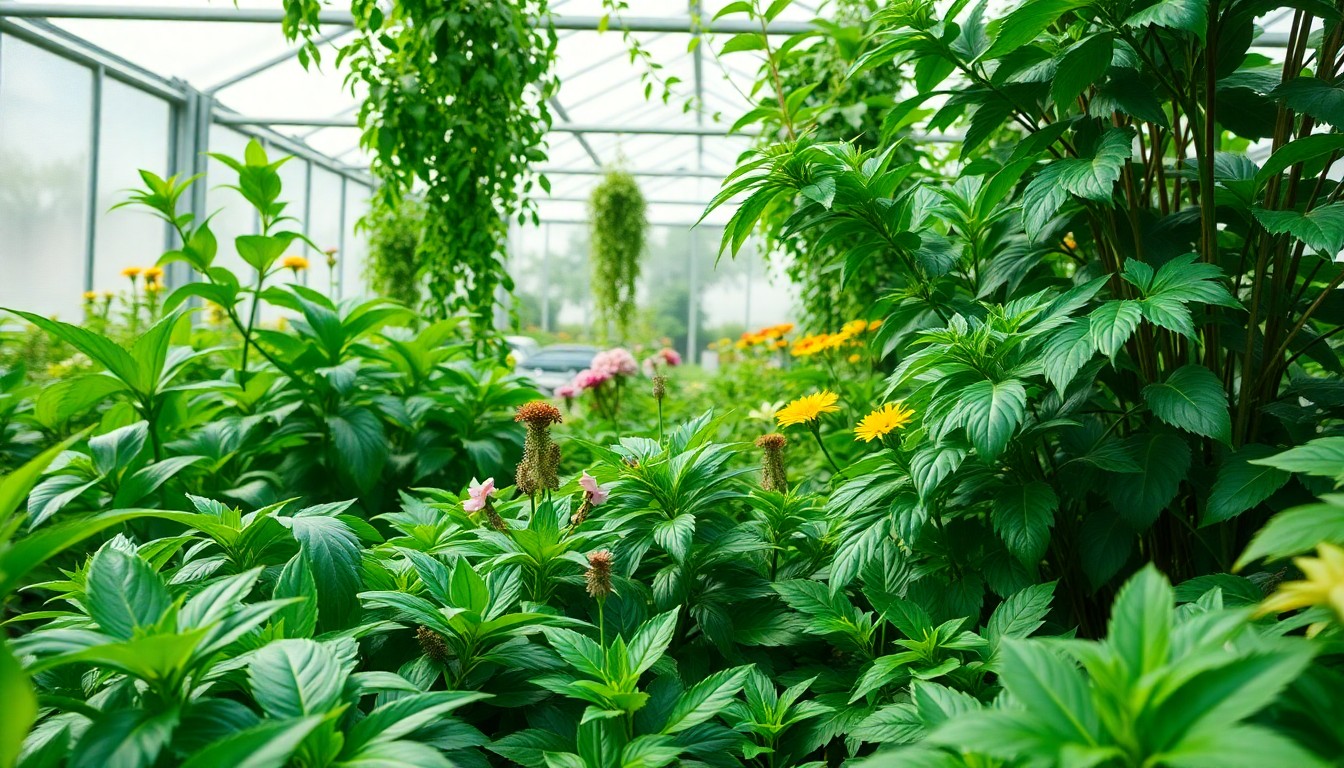
Growing plants in a greenhouse opens up endless possibilities for year-round sustainable gardening success. The latest trends for 2025 emphasize eco-friendly practices, perennial edibles, and resource-efficient growing methods. Whether you're a beginner or experienced gardener, this comprehensive guide will help you select the perfect plants that align with current sustainability trends while creating optimal growing conditions in your greenhouse environment.
Table of Contents
- Essential Growing Conditions
- Sustainable Greenhouse Practices
- Top Trending Vegetables for 2025
- Perennial Fruits and Edibles
- Ornamental Trends for 2025
- Seasonal Considerations
- Resource-Efficient Care
- FAQs
Essential Growing Conditions
Success in sustainable greenhouse gardening starts with understanding and optimizing growing conditions while minimizing resource use. Here are the key factors to consider in 2025:
Energy-Efficient Temperature Control
- Optimal daytime temperature: 70-80°F (21-27°C)
- Nighttime temperature: 60-65°F (15-18°C)
- Winter minimum: 45°F (7°C)
- Consider thermal mass solutions to reduce heating needs
- Zone heating for targeted plant areas
Smart Humidity and Ventilation
Proper humidity management is crucial for plant health and resource efficiency:
- Most plants thrive in 50-70% humidity
- Use sensor-based ventilation to prevent excessive moisture
- Consider installing automated systems with weather prediction capabilities
- Recirculate air when possible to maintain heat
Optimized Light Management
Strategic light management for plant needs and energy conservation:
- Full sun plants: 6+ hours daily
- Partial sun: 4-6 hours
- Shade-tolerant: 2-4 hours
- Consider energy-efficient LED grow lights for winter production
- Use reflective surfaces to maximize natural light
Sustainable Greenhouse Practices
The 2025 greenhouse gardening landscape emphasizes sustainability in all aspects of growing.
Water Conservation
- Rainwater harvesting systems
- Automated drip irrigation systems for targeted watering
- Moisture sensors for precise irrigation
- Water recycling and filtration
- Humidity recapture systems
Eco-Friendly Pest Management
- Beneficial insect integration
- Companion planting strategies
- Organic pest controls
- Physical barriers
- Strategic plant placement
Soil and Growing Media
- Compost integration
- Organic fertilizers
- Vermicomposting systems
- Reduced-peat media alternatives
- Reusable growing containers
Top Trending Vegetables for 2025
Year-Round Sustainable Vegetables
These trending vegetables for 2025 thrive in controlled greenhouse environments while supporting sustainable practices:
1. Tomatoes: The Evolving Greenhouse Staple
- Top 2025 varieties:
- 'Gaudi F1' (compact, disease-resistant)
- 'Mountain Rouge' (pink heirloom-type with superior flavor)
- 'Sunset Falls' (cascading cherry variety for vertical systems)
- 'Artemis' (water-efficient cocktail variety)
- Sustainability benefits:
- Extended harvest periods reduce replanting needs
- Vertical growing systems maximize space efficiency
- New varieties offer improved disease resistance
- Growing tips:
- Use compost-enriched, well-draining soil
- Implement water-conserving drip irrigation
- Employ biodegradable support systems
2. Peppers: Colorful and Resource-Efficient
- Trending 2025 varieties:
- 'Lunchbox Mix' (compact, snacking peppers)
- 'Afrodita F1' (early-maturing, disease-resistant)
- 'Mazurka F1' (high yield, reduced water needs)
- 'Ajvarski' (paste pepper with exceptional flavor)
- Sustainability profile:
- Long production cycle reduces resource use
- Low water requirements once established
- Minimal pest issues in controlled environments
- Key care practices:
- Compost-enriched growing media
- Targeted organic feeding schedules
- Passive ventilation systems
3. Cucumbers: Parthenocarpic Perfection
- Leading 2025 greenhouse varieties:
- 'Picolino' (mini, high-yielding variety)
- 'Katrina F1' (all-female flowers, no pollination needed)
- 'Alamir F1' (middle eastern type, excellent for vertical systems)
- 'Camaro' (disease-resistant slicer with extended harvest)
- Space-efficient benefits:
- Vertical growing systems maximize production area
- Trellising creates multi-dimensional growing spaces
- High yield-to-space ratio
- Sustainable growing methods:
- Automated irrigation systems reduce water consumption
- Companion planting with basil deters pests
- Reusable trellis systems minimize waste
4. Lettuce and Greens: Year-Round Production Leaders
- Trending 2025 varieties:
- 'Salanova' series (quick-growing, single-cut harvest)
- 'Truchas' (heat-resistant red butterhead)
- 'Revol' (compact romaine for high-density planting)
- 'Asteroid' (frilly-leaved oak with extended shelf life)
- Sustainability advantages:
- Rapid growth cycle maximizes production
- Low energy requirements
- Minimal fertilizer needs
- Ideal for hydroponic and aquaponic systems
Pro Tip: Implement succession planting with biodegradable seed starting cells for a continuous, waste-free harvest cycle.
Season-Extended Vegetables
These crops benefit from greenhouse protection during shoulder seasons, extending local growing periods:
Cold Season Resource-Efficient Crops
- Broccoli ('Millennium' and 'Artwork F1' for improved greenhouse performance)
- Cauliflower ('Goodman' for self-wrapping heads that reduce labor)
- Brussels sprouts ('Gustus F1' for disease resistance and space efficiency)
- Cabbage ('Caraflex' conical cabbage for space-saving design)
2025 Trending Warm Season Specialties
- Eggplants - Trending toward colorful varieties:
- 'Fairy Tale' (compact plants with striped fruits)
- 'Gretel' (white, bitter-free variety)
- 'Aretusa F1' (round, high-yielding greenhouse type)
- Mini Melons:
- 'Sugar Cube' (personal-sized cantaloupe with pest resistance)
- 'Lambkin' (pocketbook melon for vertical growing)
- Specialty Squash:
- 'Zephyr' (distinctive bi-colored fruits)
- 'Tromboncino' (vertical growing vine with reduced disease issues)
Perennial Fruits and Edibles
The 2025 trend toward perennial edibles offers sustainable, low-maintenance greenhouse growing options with reliable annual harvests.
Small Fruits and Berries
Perfect for year-round greenhouse environments:
1. Sustainable Strawberry Systems
- Top 2025 greenhouse varieties:
- 'Mara des Bois' (continuous fruiting with exceptional flavor)
- 'Albion' (day-neutral with disease resistance)
- 'San Andreas' (high yield, low chilling requirement)
- Sustainable growing methods:
- Vertical tower systems maximize space efficiency
- Compostable growing pouches reduce plastic use
- Rainwater irrigation systems for resource conservation
- Beneficial insect habitat integration
2. Berry Shrubs: Growing Trend for 2025
New compact berry varieties ideal for container growing:
- Blueberries
- 'Perpetua' (twice-yearly fruiting dwarf variety)
- 'Blueberry Glaze' (boxwood-like with small, flavorful berries)
- Honeyberries/Haskap
- 'Strawberry Sensation' (compact with early fruiting)
- 'Tundra' (self-fertile, heat-tolerant variety)
- Goji Berries
- 'Sweet Lifeberry' (compact variety with reduced thorns)
3. Compact Perennial Fruit Trees
Specialty dwarf varieties for greenhouse environments:
- Citrus innovations
- 'Improved Meyer' lemon (thornless, compact)
- 'Flying Dragon' (ultra-dwarf rootstock for any citrus)
- 'Calamondin' (prolific fruiting, ornamental value)
- Stone fruit breakthroughs
- 'Honey Babe' peach (genetic dwarf, self-fertile)
- 'Garden Bing' cherry (compact, self-fertile sweet cherry)
- 'Golden Prolific' apricot (container-friendly variety)
Sustainable Growing Conditions for Fruits
Resource-efficient requirements:
- Temperature: 65-80°F (18-27°C) with zonal management
- Humidity: 50-60% with air recirculation systems
- Strategic spacing for airflow and production efficiency
- Companion planting with pollinator-attracting herbs
- Integrated pest management systems
Ornamental Trends for 2025
Greenhouse ornamentals are seeing significant changes in 2025, with focus on sustainability, biodiversity support, and year-round interest.
Top Trending Ornamentals
1. Begonias: Leading the Indoor Revival
- Popular 2025 varieties:
- Rex begonias with distinctive foliage patterns
- 'Escargot' (spiral patterns for visual interest)
- 'Harmony's Red Robin' (upright growth with striking colors)
- Sustainability benefits:
- Low water requirements
- Minimal pest issues
- Long-lived perennial nature
- Propagation ease reduces need for purchases
2. Tropical Foliage Plants
- Trending 2025 selections:
- Philodendron varieties (particularly 'Pink Princess' and 'Birkin')
- Monstera types beyond deliciosa (adansonii, siltepecana, standleyana)
- Alocasia 'Dragon Scale' and 'Silver Dragon'
- Growing appeal:
- Long-term specimens reduce replacements
- Air-purifying qualities enhance indoor environments
- Shade tolerance reduces energy needs
3. Glass Garden Revivals
- Leading the terrarium trend:
- Fittonia (nerve plants) in compact varieties
- Selaginella (spikemoss) for ground cover
- Miniature ferns for texture and structure
- Closed-system benefits:
- Minimal water requirements
- Stable growing environment
- Educational value for ecosystem understanding
Seasonal Considerations
Winter Growing
Maximize your greenhouse during cold months:
- Insulation needs
- Supplemental lighting
- Temperature management
- Winter-hardy varieties
Spring Transition
Prepare for peak growing season:
- Seed starting schedule
- Hardening off processes
- Ventilation adjustments
- Pest monitoring
Summer Management
Critical factors for summer success:
- Shade cloth installation
- Enhanced ventilation
- Water management
- Heat-tolerant varieties
Fall Planning
Prepare for declining light and temperature:
- Crop rotation
- Winter prep
- Disease prevention
- Harvest scheduling
Resource-Efficient Care
Daily Sustainable Tasks
Resource-efficient greenhouse maintenance:
- Automated temperature monitoring and adjustment
- Need-based ventilation management
- Precision watering using moisture sensors
- Early intervention pest management
- Energy consumption tracking
Weekly Eco-Friendly Practices
Environmentally conscious maintenance:
- Strategic pruning for light penetration and air circulation
- Organic fertilization with compost tea and worm castings
- Beneficial insect monitoring and support
- Water system efficiency checks
- Growing media moisture assessment
Seasonal Sustainability
Resource-optimizing periodic maintenance:
- Energy efficiency audits and improvements
- Rainwater system cleaning and optimization
- Growing media recycling and refreshing
- Climate control seasonal calibration
- Crop rotation planning for soil health
- Solar panel cleaning and maintenance (if applicable)
Frequently Asked Questions
What are the most sustainable plants for greenhouse growing in 2025?
Eco-friendly, resource-efficient options include:
- 'Salanova' lettuce series (90% harvested yield)
- Perennial herbs (rosemary, thyme, sage)
- Day-neutral strawberries on vertical systems
- Compact cucumber varieties with disease resistance
- Water-efficient pepper varieties
How can I make my greenhouse more energy-efficient?
Sustainable temperature management approaches:
- Thermal mass installation (water barrels, stone walls)
- Automated ventilation with smart sensors
- Energy-efficient supplemental LED lighting
- Insulated north walls for heat retention
- Zone management for varied temperature needs
Which plants provide the best return on investment in a greenhouse?
High-value, extended-harvest options include:
- Specialty cut greens ($20-30/lb retail)
- Cherry tomato varieties (8-10 month production)
- Culinary herbs (fast production cycles)
- Compact berry plants (continual production)
- Microgreens (quick turnaround, premium prices)
How can I optimize greenhouse space for maximum production?
Space-efficiency strategies for 2025:
- Vertical growing systems (3-4× floor productivity)
- Intercropping compatible species
- Succession planting for continuous harvests
- Trellising indeterminate varieties
- Strategic spacing based on maturity timelines
- Hanging systems for trailing plants
Additional Resources
Related Articles
- 2025 Year-Round Growing Guide
- Energy-Efficient Temperature Control
- Smart Greenhouse Climate Management
- Vertical Growing Systems
- Water Conservation in Greenhouses
Sustainable Tools
- Greenhouse Energy Efficiency Calculator
- Vertical Space Utilization Planner
- Water Conservation Estimator
- Succession Planting Calendar
- Greenhouse Carbon Footprint Calculator
Need help selecting the perfect sustainable plants for your greenhouse environment? Contact our plant specialists for personalized recommendations based on your specific growing conditions and sustainability goals.