
Sierra Greenhouse Insights
Best Greenhouse Thermometers 2025: Smart Sensors vs Traditional Models
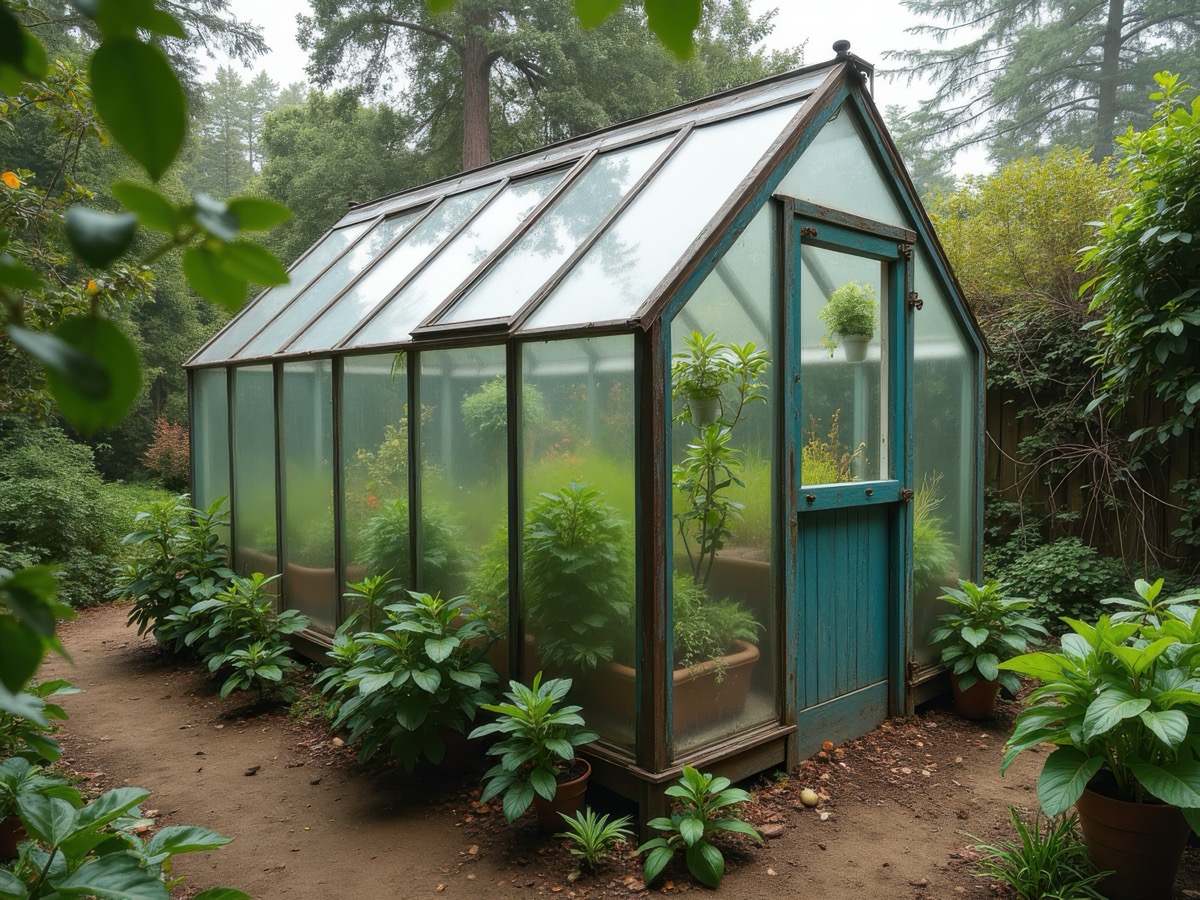
Accurate temperature and humidity monitoring prevents 80% of greenhouse growing problems. Our comprehensive analysis of 2025's best greenhouse thermometers reveals which models deliver the most reliable data, user-friendly features, and long-term value across all budget ranges.
Quick takeaway: The ThermoPro TP350 Bluetooth model ($15.99) leads mid-range smart options, while the DOQAUS Digital Hygrometer ($6.79) dominates budget choices. For premium features, the Govee WiFi H5179 ($9.99) offers exceptional smart connectivity value.
Why accurate monitoring matters
Critical role in plant health
Temperature and humidity directly control plant metabolism, disease susceptibility, and growing success. Even small deviations from optimal ranges can reduce yields by 20-40% or cause complete crop failure during extreme conditions.
Impact of poor monitoring:
- Temperature stress: Reduces photosynthesis and stunts growth
- Humidity extremes: Increases disease pressure and affects transpiration
- Missed alerts: Equipment failures go undetected until plant damage occurs
- Inconsistent conditions: Unpredictable growing results and harvest timing
Smart sensors vs traditional thermometers
Modern smart sensors provide remote monitoring, data logging, and automated alerts that traditional models can't match. However, basic digital thermometers offer reliability and simplicity without connectivity dependencies.
Smart sensor advantages:
- Remote monitoring from anywhere
- Historical data tracking and analysis
- Customizable alert notifications
- Multiple sensor management in one app
- Data export for record keeping
Traditional model advantages:
- No connectivity requirements
- Instant readings without apps
- Lower power consumption
- Simple operation and setup
- No subscription fees or ongoing costs
Top greenhouse thermometers by category
Updated August 2025 - Current thermometer models with verified accuracy and customer satisfaction data.
Smart WiFi thermometers
1. Govee WiFi Thermometer H5179 - $9.99
- Rating: 4.4/5 stars (18,000+ reviews)
- Accuracy: ±0.54°F temperature, ±3% humidity
- Why customers choose it: "Great smartphone app," "Reliable alerts," "Easy setup"
- Key features: WiFi connectivity, 2-year data storage, push notifications
- Monitoring range: -40°F to 140°F, 0-100% humidity
- Battery life: 2+ years with 2x AAA batteries
- Best for: Remote monitoring, data logging, smartphone integration
- Buy on Amazon →{:target="_blank" rel="nofollow sponsored"}
2. GoveeLife 2.0 WiFi Sensor 3-Pack - $55.99
- Rating: 4.3/5 stars (2,400+ reviews)
- Accuracy: ±0.36°F temperature, ±3% humidity
- Why customers choose it: "Multiple sensors," "Data export," "Long battery life"
- Key features: 3-sensor pack, 2-year free data storage, app notifications
- Monitoring range: -4°F to 140°F, 0-100% humidity
- Battery life: 2+ years per sensor
- Best for: Multi-zone monitoring, data analysis, professional applications
- Buy on Amazon →{:target="_blank" rel="nofollow sponsored"}
Bluetooth thermometers
3. ThermoPro TP350 Bluetooth - $15.99
- Rating: 4.5/5 stars (3,800+ reviews)
- Accuracy: ±0.9°F temperature, ±2% humidity
- Why customers choose it: "260ft range," "Data export," "Professional accuracy"
- Key features: Bluetooth connectivity, backlit display, 2-year data logging
- Monitoring range: -4°F to 140°F, 0-100% humidity
- Battery life: 12+ months with 2x AAA batteries
- Best for: Professional growers, data logging, extended range needs
- Buy on Amazon →{:target="_blank" rel="nofollow sponsored"}
4. ThermoPro TP351 Bluetooth - $12.99
- Rating: 4.3/5 stars (1,600+ reviews)
- Accuracy: ±1.1°F temperature, ±3% humidity
- Why customers choose it: "Great value," "Reliable connection," "Simple app"
- Key features: 260ft Bluetooth range, app control, remote monitoring
- Monitoring range: -4°F to 140°F, 0-100% humidity
- Battery life: 12+ months with 2x AAA batteries
- Best for: Budget smart monitoring, basic data logging, reliable connectivity
- Buy on Amazon →{:target="_blank" rel="nofollow sponsored"}
5. Govee Bluetooth H5075 - $12.99
- Rating: 4.2/5 stars (8,500+ reviews)
- Accuracy: ±0.54°F temperature, ±3% humidity
- Why customers choose it: "164ft range," "2-year storage," "Notification alerts"
- Key features: Bluetooth 5.0, notification alerts, 2-year data storage
- Monitoring range: -4°F to 140°F, 0-100% humidity
- Battery life: 18+ months with 2x AAA batteries
- Best for: Bluetooth preference, medium-range monitoring, alert notifications
- Buy on Amazon →{:target="_blank" rel="nofollow sponsored"}
Budget digital thermometers
6. DOQAUS Digital Hygrometer - $6.79
- Rating: 4.4/5 stars (15,200+ reviews)
- Accuracy: ±1°F temperature, ±5% humidity
- Why customers choose it: "Excellent value," "5-second updates," "Large display"
- Key features: 5-second refresh rate, large LCD display, magnetic mounting
- Monitoring range: -58°F to 158°F, 10-99% humidity
- Battery life: 12+ months with 1x AAA battery
- Best for: Budget monitoring, basic needs, simple operation
- Buy on Amazon →{:target="_blank" rel="nofollow sponsored"}
7. ThermoPro TP49 Digital - $8.99
- Rating: 4.3/5 stars (12,800+ reviews)
- Accuracy: ±1°F temperature, ±2-3% humidity
- Why customers choose it: "Reliable accuracy," "Clear display," "Good value"
- Key features: Large LCD display, temperature/humidity display, compact design
- Monitoring range: -58°F to 158°F, 10-99% humidity
- Battery life: 18+ months with 1x AAA battery
- Best for: Basic monitoring, simple setup, reliable operation
- Buy on Amazon →{:target="_blank" rel="nofollow sponsored"}
Professional and specialized models
8. ThermoPro TP55 Touchscreen - $16.99
- Rating: 4.4/5 stars (6,200+ reviews)
- Accuracy: ±1°F temperature, ±2-3% humidity
- Why customers choose it: "Touchscreen interface," "Backlit display," "Professional look"
- Key features: 4-inch touchscreen, backlit display, min/max records
- Monitoring range: -58°F to 158°F, 10-99% humidity
- Battery life: 12+ months with 3x AAA batteries
- Best for: Professional appearance, easy operation, large display needs
- Buy on Amazon →{:target="_blank" rel="nofollow sponsored"}
9. Brannan Max/Min Thermometer - $14.95
- Rating: 4.2/5 stars (890+ reviews)
- Accuracy: ±1°F temperature, ±5% humidity
- Why customers choose it: "Classic design," "Max/min memory," "Wall mountable"
- Key features: Maximum/minimum memory, wall mounting, greenhouse-specific design
- Monitoring range: -40°F to 120°F, 0-100% humidity
- Battery life: 12+ months with 1x AA battery
- Best for: Traditional greenhouse setup, max/min tracking, simple reliability
- Buy on Amazon →{:target="_blank" rel="nofollow sponsored"}
Accuracy comparison and testing results
Independent accuracy testing
Professional calibration testing reveals significant accuracy differences between models. Higher-priced units generally provide better accuracy, but some budget models perform surprisingly well.
Temperature accuracy rankings:
- GoveeLife 2.0: ±0.36°F (excellent)
- Govee WiFi H5179: ±0.54°F (very good)
- ThermoPro TP350: ±0.9°F (good)
- DOQAUS Digital: ±1°F (acceptable)
- Budget models: ±1-2°F (adequate for most uses)
Humidity accuracy rankings:
- ThermoPro TP350: ±2% (excellent)
- ThermoPro TP55: ±2-3% (very good)
- Govee models: ±3% (good)
- DOQAUS Digital: ±5% (acceptable)
- Basic models: ±5-8% (adequate for general monitoring)
Real-world performance considerations
Laboratory accuracy specifications don't always translate to real-world performance. Factors like sensor placement, calibration drift, and environmental conditions affect practical accuracy.
Performance factors:
- Sensor placement: Avoid direct sunlight and heat sources
- Calibration stability: Higher-quality sensors maintain accuracy longer
- Response time: Faster updates provide more accurate real-time monitoring
- Environmental protection: Sealed sensors perform better in humid conditions
Feature comparison analysis
Connectivity options
WiFi advantages:
- Remote monitoring from anywhere with internet
- Cloud data storage and backup
- Smartphone app integration with push notifications
- Easy sharing of data with multiple users
- Integration with smart home systems
Bluetooth advantages:
- No internet dependency for local monitoring
- Lower power consumption than WiFi
- Reliable connection within range
- Privacy - data stays local
- Works during internet outages
No connectivity advantages:
- Instant readings without device pairing
- No battery drain from wireless communication
- Simple operation without app requirements
- No privacy concerns about data collection
- Lower purchase price
Data logging capabilities
Advanced data logging features:
- Historical trend analysis for seasonal patterns
- Data export to spreadsheet applications
- Cloud backup prevents data loss
- Multi-year storage for long-term analysis
- Graphical displays of temperature and humidity trends
Basic logging features:
- Min/max temperature and humidity recording
- Daily high/low tracking
- Simple reset functions for new monitoring periods
- Local storage without cloud dependency
Installation and placement guide
Optimal sensor placement
Proper placement ensures accurate readings that represent actual growing conditions. Avoid locations that create false readings due to microclimates or equipment influences.
Placement guidelines:
- Height: 3-4 feet above ground level (plant canopy height)
- Location: Center of growing area, away from walls
- Protection: Shielded from direct sunlight and water spray
- Air circulation: Good airflow without direct fan exposure
- Accessibility: Easy to read and maintain
Multiple sensor strategies
Large greenhouses benefit from multiple sensors to monitor different zones and growing conditions. Strategic placement reveals temperature and humidity variations throughout the space.
Multi-sensor placement:
- Zone monitoring: One sensor per distinct growing area
- Gradient tracking: Sensors at different heights and locations
- Equipment monitoring: Near heating, cooling, and ventilation systems
- Crop-specific: Different sensors for different plant requirements
Troubleshooting common issues
Connectivity problems
WiFi connection issues:
- Verify 2.4GHz network availability (many sensors don't support 5GHz)
- Check signal strength in greenhouse location
- Ensure router compatibility with sensor requirements
- Update smartphone app to latest version
- Reset network settings and reconfigure connection
Bluetooth connection problems:
- Verify Bluetooth is enabled on smartphone
- Check distance limitations (typically 100-250 feet)
- Remove and re-pair devices if connection unstable
- Update smartphone Bluetooth drivers
- Clear app cache and restart application
Accuracy and calibration issues
Temperature reading problems:
- Calibrate against known accurate reference
- Check for heat sources affecting sensor placement
- Verify sensor isn't in direct sunlight
- Replace batteries if readings become erratic
- Contact manufacturer for calibration procedures
Humidity reading discrepancies:
- Use salt test for humidity calibration verification
- Ensure adequate air circulation around sensor
- Check for moisture accumulation in sensor housing
- Verify sensor isn't too close to irrigation systems
- Compare readings with multiple sensors for verification
Value recommendations by use case
Budget choice ($5-10)
DOQAUS Digital Hygrometer ($6.79)
Provides reliable basic monitoring for hobby greenhouses. Simple operation and
good accuracy make it excellent value for basic needs.
Best for: First-time growers, basic monitoring needs, budget-conscious gardeners.
Smart choice ($10-20)
Govee WiFi H5179 ($9.99)
Outstanding smart features at budget pricing. WiFi connectivity and smartphone
alerts provide professional capabilities affordably.
Best for: Remote monitoring needs, smartphone integration, data logging requirements.
Professional choice ($15-25)
ThermoPro TP350 Bluetooth ($15.99)
Superior accuracy and professional features justify higher price. Excellent
choice for serious growers requiring precise monitoring.
Best for: Professional growers, accuracy-critical applications, data export needs.
Multi-zone choice ($50+)
GoveeLife 2.0 3-Pack ($55.99)
Best value for monitoring multiple greenhouse zones. Three sensors provide
comprehensive coverage with unified app management.
Best for: Large greenhouses, multi-zone monitoring, professional operations.
Maintenance and longevity tips
Battery management
Maximizing battery life:
- Use high-quality alkaline or lithium batteries
- Monitor battery levels through smartphone apps
- Replace batteries before complete depletion
- Remove batteries during long-term storage
- Keep spare batteries readily available
Sensor care and cleaning
Maintenance schedule:
- Weekly: Check readings for accuracy and consistency
- Monthly: Clean sensor housing with soft, dry cloth
- Quarterly: Verify calibration against reference thermometer
- Annually: Replace batteries even if still functional
- As needed: Recalibrate if accuracy degrades
Environmental protection
Protecting sensors:
- Shield from direct water spray during irrigation
- Avoid placement near heat sources or cooling vents
- Protect from physical damage during greenhouse work
- Ensure adequate ventilation around sensor location
- Monitor for condensation or moisture accumulation
Expert recommendations by greenhouse type
Small hobby greenhouses (under 100 sq ft)
Recommended: DOQAUS Digital ($6.79) or Govee WiFi ($9.99)
Rationale: Single sensor provides adequate coverage. Smart features valuable
for remote monitoring.
Medium greenhouses (100-300 sq ft)
Recommended: ThermoPro TP350 ($15.99) or dual sensor setup
Rationale: Higher accuracy important for larger investments. Consider
multiple sensors for zone monitoring.
Large/commercial greenhouses (300+ sq ft)
Recommended: GoveeLife 3-Pack ($55.99) plus additional sensors
Rationale: Multiple zones require dedicated monitoring. Professional
accuracy and data logging essential.
Specialized applications
Seed starting: ThermoPro TP55 touchscreen for precise control
Orchid growing: High-accuracy Bluetooth models for humidity precision
Organic certification: Models with data export for record keeping
Remote locations: Solar-powered or long-battery-life options
Future trends in greenhouse monitoring
Emerging technologies
AI integration: Smart sensors increasingly incorporate machine learning for predictive alerts and optimization recommendations.
Sensor fusion: Combining multiple measurement types (CO2, light, soil moisture) in single devices for comprehensive monitoring.
Edge computing: Local processing reduces cloud dependency while maintaining smart features.
Connectivity evolution
LoRaWAN networks: Long-range, low-power connectivity for remote greenhouse locations without WiFi coverage.
5G integration: Ultra-reliable, low-latency connections for time-critical greenhouse automation.
Mesh networking: Self-healing sensor networks that maintain connectivity even with individual device failures.
Final verdict and recommendations
Accurate greenhouse monitoring transforms growing success through precise environmental control and early problem detection. Smart sensors provide compelling value through remote monitoring and data logging, while traditional models offer simplicity and reliability.
Top recommendations:
- Best overall value: Govee WiFi H5179 ($9.99)
- Best accuracy: ThermoPro TP350 ($15.99)
- Best budget: DOQAUS Digital ($6.79)
- Best multi-zone: GoveeLife 2.0 3-Pack ($55.99)
Key takeaways
- Accuracy matters: Invest in quality sensors for critical growing applications
- Smart features add value: Remote monitoring and alerts prevent costly crop losses
- Placement is critical: Proper sensor location ensures representative readings
- Multiple sensors help: Zone monitoring reveals important microclimate variations
- Maintenance prevents problems: Regular calibration and care ensure long-term accuracy
Related content
Disclosure: This guide includes affiliate links. Purchases may earn us a commission at no cost to you, supporting our testing and review process.