
Sierra Greenhouse Insights
Aquaponics Greenhouse System Guide: Design, Setup, and Care
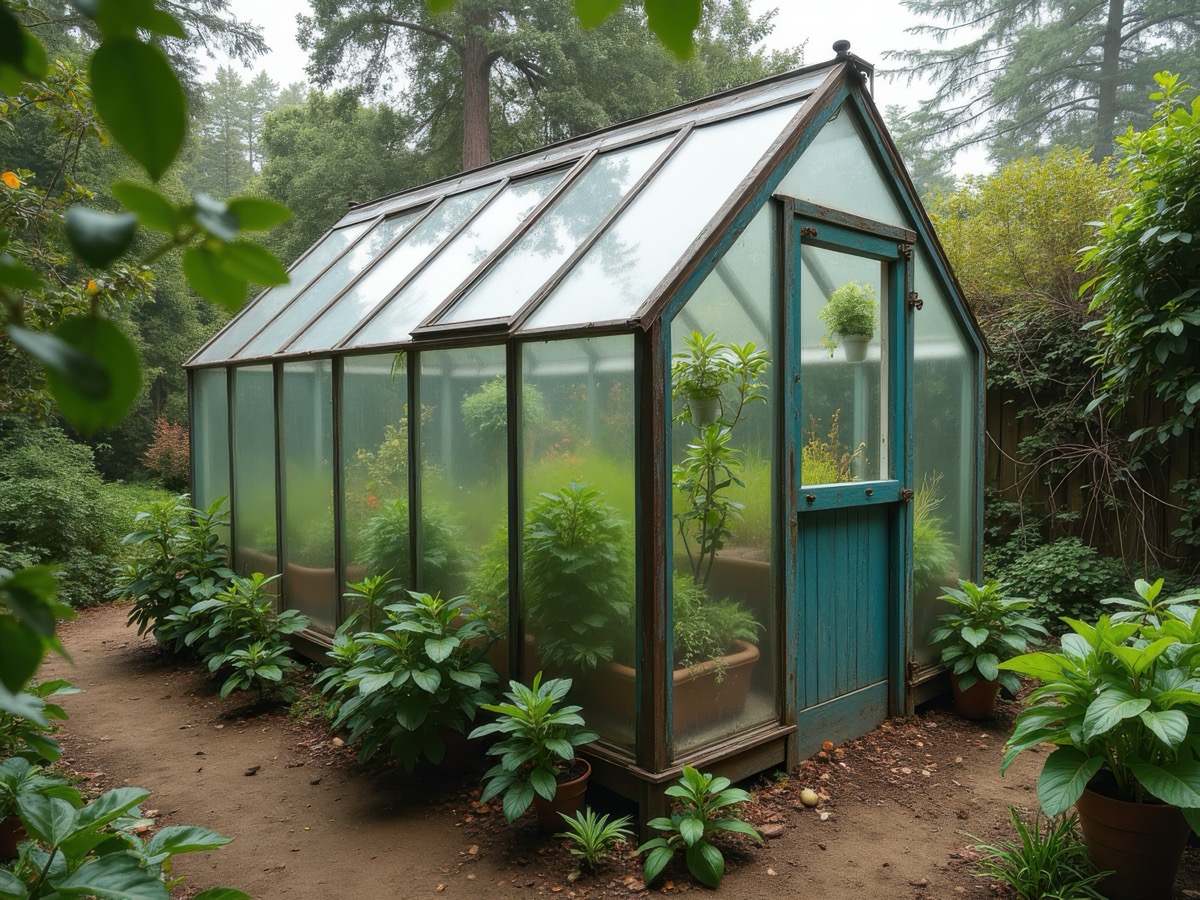
Aquaponics combines fish and plants in one recirculating system. Fish waste feeds bacteria, bacteria feed plants, and the plants clean the water. This guide covers the core system layout, water quality targets, and practical maintenance routines that keep the loop stable.
If you are new to greenhouse planning, start with the growing calendar and the light requirements calculator so you can match crops to your space and season.
Quick definitions
- Aquaponics: A closed-loop system that combines aquaculture (fish) with hydroponics (plants) using beneficial bacteria.
- Biofilter: The media bed or chamber that hosts nitrifying bacteria.
- Nitrification: The bacterial process that converts toxic ammonia into nitrite and then nitrate, which plants can use.
System overview (the core loop)
- Fish tank: Fish produce ammonia through waste.
- Mechanical filtration: Removes solids before they clog the system.
- Biofilter: Bacteria convert ammonia to nitrate.
- Grow beds: Plants absorb nitrate and return clean water to the tank.
A greenhouse helps stabilize temperature, light, and humidity, which makes the system easier to manage year round.
Step 1: Choose a layout that fits your greenhouse
The simplest layouts are:
- Media bed systems: Plants grow in media that also acts as the biofilter.
- Deep water culture (DWC): Plants float on rafts in a nutrient-rich channel.
- NFT channels: A thin film of water moves past roots in narrow channels.
Most beginner greenhouse systems start with media beds because they are stable and forgiving. DWC and NFT can work well, but they need tighter control and more reliable filtration.
Step 2: Size the system for stability
A balanced system prioritizes steady water quality over maximum plant density. Use conservative ratios when you start, then scale after the system matures.
Checklist:
- Choose a tank size that fits your space and maintenance routine.
- Leave room for filtration, pumps, and a sump if you use one.
- Keep plumbing accessible for cleaning and repair.
Step 3: Water quality targets (start here)
Aquaponics succeeds when water quality stays stable. Key targets:
- pH: The nitrification process works best in a mildly acidic to neutral range. Aim for stability rather than chasing a perfect number.
- Ammonia and nitrite: Keep both low and stable. Spikes indicate the biofilter is not keeping up.
- Nitrate: This is the primary plant nutrient in aquaponics.
A healthy biofilter is the engine of the system. Nitrifying bacteria convert ammonia to nitrite and then to nitrate, which plants can use. This process takes weeks to establish in a new system, so start slowly and avoid overstocking fish.
Step 4: Cycling the system (the critical first month)
Cycling is the process of building your nitrifying bacteria colony.
- Add water and run pumps continuously.
- Introduce a small number of fish or use a fishless cycling approach.
- Test water regularly and watch for ammonia and nitrite to drop.
Do not add full plant loads or fish loads until the system is fully cycled. Stability now prevents emergencies later.
Step 5: Greenhouse climate basics for aquaponics
Your greenhouse climate affects water temperature, fish health, and plant performance. Focus on three variables:
- Temperature: Maintain steady water and air temperatures. Sudden swings stress fish and slow nitrification.
- Oxygen: Aeration protects fish and helps bacteria work efficiently.
- Light: Match plant selection to your seasonal light levels.
Use your greenhouse tools to stabilize these factors. The watering schedule calculator can help you plan irrigation for non-aquaponic zones, and the heating calculator can estimate energy needs in cold months.
Stocking fish: start small
Begin with a small fish load until the biofilter is fully established. Overstocking is the most common beginner mistake. Keep feeding consistent and avoid sudden jumps in feed amounts.
Plant selection: choose reliable starters
Good beginner crops for greenhouse aquaponics include:
- Leafy greens (lettuce, kale, spinach)
- Herbs (basil, mint, parsley)
- Green onions
Fruiting crops can work but often require more nutrients and stable conditions. Start with leafy crops and expand after the system stabilizes.
Daily and weekly maintenance checklist
Daily:
- Check fish behavior and feeding
- Verify pumps and aeration
- Observe water clarity and plant health
Weekly:
- Test pH, ammonia, nitrite, and nitrate
- Remove accumulated solids from filters
- Inspect pipes and fittings for leaks
Monthly:
- Clean pumps and intake screens
- Review plant density and spacing
- Calibrate sensors if you use automation
Common problems and how to fix them
Problem: ammonia spike
Likely causes: too much feed, too many fish, or a young biofilter.
Fix: reduce feeding, add aeration, and confirm the biofilter is functioning.
Problem: slow plant growth
Likely causes: low nitrate, insufficient light, or poor temperature control.
Fix: check water tests, adjust plant selection, and stabilize climate.
Problem: algae growth
Likely causes: excess light reaching water surfaces.
Fix: cover exposed water, shade tanks, and clean regularly.
Safety and food quality notes
Keep fish tanks covered and secure. Do not introduce chemicals that could harm fish or plants. If you need pest control, choose greenhouse-safe methods that do not enter the water loop.
FAQ
What pH is best for greenhouse aquaponics?
A stable pH in the mild acidic to neutral range is best for nitrification. Avoid large swings. Consistency matters more than chasing a single number.
How long does cycling take?
Cycling usually takes several weeks. You will know it is complete when ammonia and nitrite remain low and nitrate is consistently present.
Can I grow tomatoes in aquaponics?
Yes, but tomatoes often require higher nutrient levels. Start with leafy crops first, then expand after the system stabilizes.