
Sierra Greenhouse Insights
AI Based Dashboards Automate Greenhouse Climate
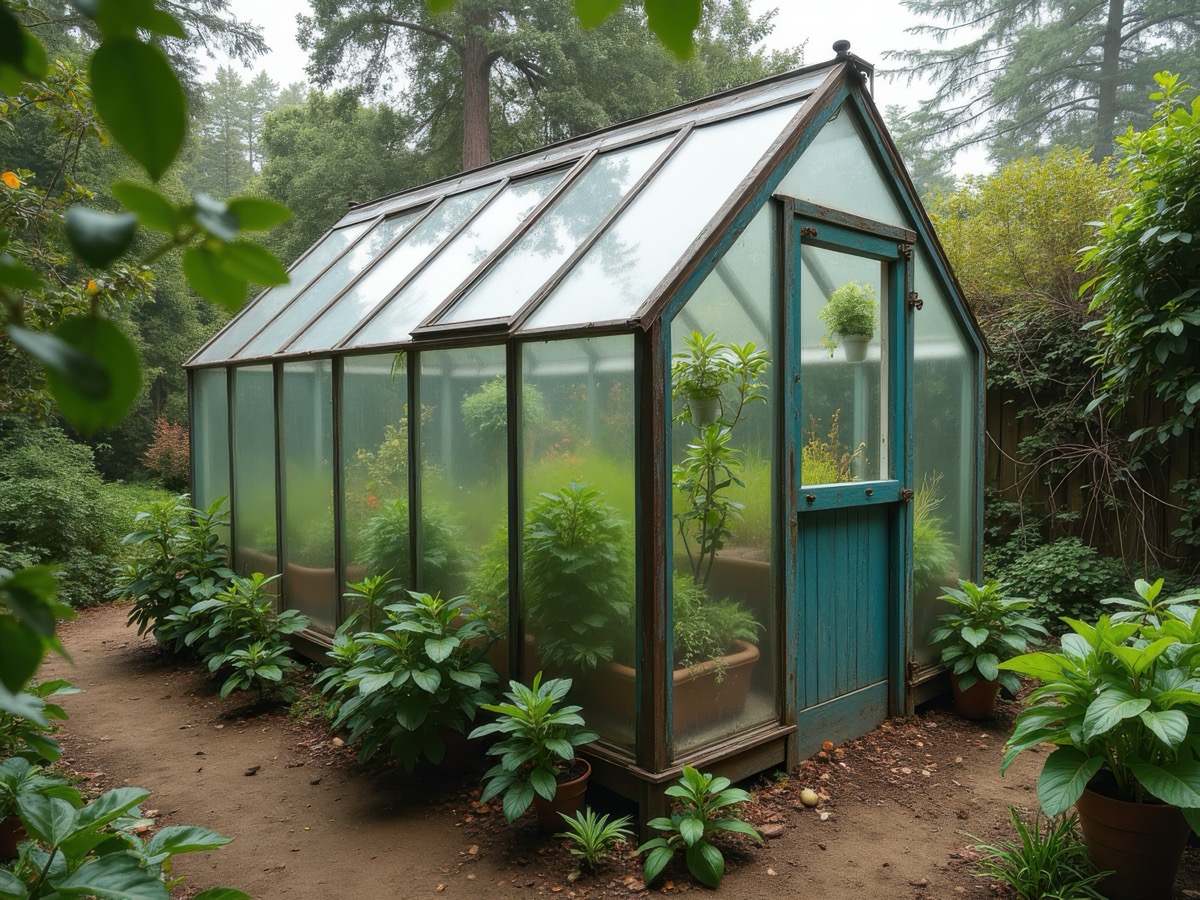
Artificial intelligence transforms greenhouse climate management from reactive control to predictive optimization through machine learning algorithms that anticipate environmental changes. This comprehensive guide explores AI dashboard capabilities, implementation strategies, and real-world benefits that enhance growing consistency while reducing operational complexity.
AI climate control fundamentals
Machine learning in greenhouse applications
AI systems analyze thousands of data points including temperature, humidity, light levels, and external weather to identify patterns human operators miss. Neural networks learn optimal growing conditions from historical data, continuously improving predictions.
Predictive models forecast climate trends 24-72 hours ahead, enabling proactive adjustments before conditions deviate from ideal ranges. This anticipatory control prevents stress events rather than correcting them after occurrence. Build your foundation with smart temperature sensors for accurate data input.
Advantages over traditional automation
Traditional rule-based systems react to current conditions using fixed parameters, while AI adapts strategies based on predicted outcomes and learned patterns. Dynamic optimization outperforms static rules consistently.
AI considers multiple interacting variables simultaneously, balancing competing demands like energy efficiency versus optimal growing conditions. Holistic optimization achieves better results than isolated parameter control.
Core AI dashboard features
Predictive climate modeling
Advanced algorithms process weather forecasts, historical patterns, and current conditions to predict greenhouse climates with 85-95% accuracy. Models update continuously as new data arrives.
Temperature forecasting anticipates heating and cooling demands, pre-adjusting systems for smooth transitions. Gradual changes reduce plant stress compared to reactive control.
Humidity prediction enables preventive ventilation before condensation risks develop. Proactive moisture management dramatically reduces disease pressure.
Anomaly detection systems
Machine learning identifies unusual patterns indicating equipment problems or environmental threats before they impact crops. Early detection prevents minor issues from becoming major failures.
Pattern recognition distinguishes between normal variations and concerning deviations requiring attention. Intelligent filtering reduces false alarms while ensuring critical alerts receive immediate response.
Energy optimization algorithms
AI balances climate control with energy consumption, finding optimal trade-offs that maintain growing conditions while minimizing costs. Smart scheduling shifts energy use to off-peak rate periods.
Learning algorithms discover facility-specific efficiency opportunities through continuous experimentation and analysis. Automated optimization achieves 15-30% energy reductions typically.
Popular AI platform comparison
Prospera greenhouse intelligence system
Capabilities: Computer vision crop monitoring integrated with climate control optimization. AI analyzes plant images detecting stress before visible symptoms appear.
Strengths: Comprehensive platform combining environmental and crop data for holistic management. Proven results in commercial operations worldwide.
Implementation requirements: Professional installation with extensive sensor networks and high-resolution cameras. Significant infrastructure investment for full capabilities.
Typical results: 20-30% yield improvements with 15-25% resource use reductions reported by commercial users.
Priva Connext digital services
Capabilities: Cloud-based AI analyzing data from existing Priva climate computers. Machine learning optimizes control strategies without hardware changes.
Strengths: Seamless integration with widespread Priva installations. Gradual AI adoption path for operations with existing automation.
Implementation requirements: Priva climate computer with internet connectivity. Subscription-based service with scalable features.
Typical results: 10-20% energy savings with improved climate stability and reduced manual interventions.
Blue Radix Crop Controller
Capabilities: Autonomous growing system replacing human decision-making for climate control. AI manages all aspects from ventilation to heating automatically.
Strengths: Truly autonomous operation requiring minimal human oversight. Continuous learning improves performance over time.
Implementation requirements: Compatible climate computer and sensor infrastructure. Initial learning period for site-specific optimization.
Typical results: 30% reduction in operator workload with 5-15% yield improvements through consistent optimization.
30MHz ZENSIE predictive platform
Capabilities: Sensor-agnostic platform processing data from any source. Predictive analytics with customizable alerts and recommendations.
Strengths: Flexible integration with existing equipment. User-friendly interface accessible to non-technical operators.
Implementation requirements: Basic sensor infrastructure with internet connectivity. Cloud-based processing requires no local servers.
Typical results: 25% reduction in climate-related crop losses with improved harvest predictability.
Implementation strategies
Phased adoption approach
Begin with basic monitoring and analytics before advancing to autonomous control. Gradual implementation builds operator confidence while proving value.
Phase 1: Deploy sensors and establish baseline data collection for AI training. 3-6 months provides adequate learning data.
Phase 2: Implement predictive analytics and recommendations while maintaining manual control. Validate AI suggestions before automation.
Phase 3: Enable autonomous control for specific functions like ventilation. Expand automation as comfort develops.
Sensor infrastructure requirements
AI accuracy depends on comprehensive, reliable sensor data. Install redundant sensors in critical areas ensuring continuous data availability.
Minimum sensor deployment includes temperature, humidity, CO₂, and light levels at multiple positions. Advanced implementations add leaf temperature, soil moisture, and stem diameter monitoring. Start with wireless data loggers for comprehensive monitoring.
Integration with existing systems
Evaluate compatibility between AI platforms and current climate computers, avoiding costly equipment replacement. API-based integration often enables AI adoption without hardware changes.
Document existing control logic before AI implementation enabling rollback if needed. Preserve institutional knowledge while adopting new technology. Integrate with greenhouse automation systems for seamless control.
Training AI for specific operations
Historical data preparation
Collect 12-24 months of climate and production records for initial AI training. Quality historical data accelerates learning curves significantly.
Clean and validate data removing obvious errors that could train incorrect patterns. Data quality directly impacts AI performance.
Crop-specific optimization
Configure AI systems for specific crop requirements rather than generic greenhouse parameters. Tomatoes, cucumbers, and leafy greens require different optimization strategies.
Input target quality metrics beyond simple yield, including size, color, and shelf life parameters. Comprehensive goals enable balanced optimization.
Local climate adaptation
Train AI models on local weather patterns and seasonal variations. Generic models require significant adaptation for regional conditions.
Include extreme weather events in training data ensuring AI responds appropriately to unusual conditions. Robust training prevents failures during critical periods.
Dashboard design and usability
Information hierarchy
Design displays showing critical information prominently while providing drill-down capabilities for details. Operators need quick status assessment with investigation options.
Use color coding and visual indicators enabling rapid problem identification. Green-yellow-red schemes provide universal understanding.
Mobile accessibility
Ensure dashboards function effectively on smartphones and tablets for remote monitoring. Responsive design enables management from anywhere.
Push notifications alert operators to critical conditions requiring immediate attention. Mobile alerts prevent delayed responses to problems.
Customizable interfaces
Allow operators to configure displays matching their workflow preferences. Personalized interfaces improve adoption and effectiveness.
Create role-based views showing relevant information for different user types. Growers, technicians, and managers require different data perspectives.
Performance monitoring and optimization
KPI tracking
Establish key performance indicators measuring AI system effectiveness including prediction accuracy, energy savings, and yield improvements. Quantified results justify continued investment.
Compare AI-controlled zones with traditional management areas demonstrating tangible benefits. Side-by-side comparisons provide convincing evidence.
Continuous learning verification
Monitor AI model improvements over time ensuring continued learning rather than performance plateau. Stagnant models may require retraining or updates.
Document seasonal performance variations identifying areas requiring focused improvement. Winter operations often challenge AI systems differently than summer.
ROI calculation methods
Track comprehensive benefits including labor savings, yield improvements, quality premiums, and energy reductions. Total value often exceeds initial expectations.
Consider risk reduction value from prevented crop losses and consistent quality. Insurance aspects provide significant uncaptured value.
Common challenges and solutions
Data quality issues
Sensor malfunctions or calibration drift corrupt AI training data. Implement automated data validation identifying and excluding problematic readings.
Historical records may contain undocumented anomalies misleading AI training. Manual review catches issues automated systems miss.
Operator trust building
Skepticism about AI decisions delays adoption and limits benefits. Provide transparency in AI reasoning with clear explanations for recommendations.
Start with advisory mode where AI suggests but operators decide. Demonstrated accuracy builds confidence for eventual automation.
Integration complexity
Legacy systems may lack necessary connectivity for AI integration. Retrofit solutions using protocol converters enable modern capabilities on older equipment.
Multiple vendor systems create data silos preventing comprehensive AI analysis. Middleware platforms unify disparate data sources effectively.
Future developments
Edge computing advancement
Local processing capabilities reduce cloud dependence while improving response times. Edge AI enables real-time control without internet connectivity risks.
Distributed intelligence across multiple greenhouse zones provides resilience against single point failures. Robust architectures ensure continuous operation.
Computer vision integration
Camera-based plant monitoring adds valuable data dimension for AI optimization. Visual plant health assessment complements environmental monitoring. Enhance with cloud-connected monitoring for remote AI access.
Automated disease detection and yield estimation enhance AI decision-making capabilities. Comprehensive data improves optimization accuracy.
Collaborative learning networks
Shared learning across multiple facilities accelerates AI improvement while preserving operational privacy. Federated learning benefits entire growing communities.
Industry-specific models trained on aggregate data outperform isolated systems. Collaborative approaches advance technology faster.
AI-based climate control represents the future of efficient greenhouse management, delivering consistency and optimization beyond human capabilities. Success requires thoughtful implementation, quality infrastructure, and organizational commitment to data-driven growing. The complexity of adoption is offset by substantial operational improvements and competitive advantages in modern horticulture.
Related Articles
- Smart Greenhouse Temperature Sensor Setup - Essential data collection
- Wireless Data Loggers for Greenhouses - Historical data for AI training
- Cloud-Connected Greenhouse Monitoring 2025 - Remote AI integration
- Greenhouse Automation Systems - Complete control infrastructure